
Dec 25, 2023 | News
Various of butterfly valves each offer unique advantages and cater to specific applications. Understanding the intricacies of these valve types is crucial for selecting the most appropriate valve for a given flow control requirement. Their simple design, characterized by a rotating disc positioned within a circular body, allows for quick and precise flow regulation. However, not all butterfly valves are created equal. This comprehensive evaluation delves into the intricacies of three prominent butterfly valve types: U-type butterfly valves, concentric disc butterfly valves, and double offset high-performance butterfly valves, highlighting their unique features, advantages, and applications.
U-Type Butterfly Valves: A Versatile Choice

U type butterfly valve, also known as lug-type butterfly valves, are widely used for their versatility and cost-effectiveness. These valves feature a U-shaped body with a resilient seat that forms a tight seal against the disc. The disc, typically made of metal or rubber, is connected to a stem that controls its rotation. U-type butterfly valves are suitable for a wide range of applications, including general industrial, water treatment, and HVAC systems.
Advantages of U-Type Butterfly Valves:
• Simple Design: U-type butterfly valves offer a straightforward design that simplifies installation and maintenance.
• Cost-Effective: These valves are generally more affordable compared to other butterfly valve types.
• Versatile Applications: Their adaptability makes them suitable for various industries and applications.
• Tight Sealing: The resilient seat ensures a reliable seal, minimizing leakage.
Applications of U-Type Butterfly Valves:
• General industrial applications, such as water and air supply systems.
• Water treatment facilities for flow control and isolation.
• HVAC systems to regulate airflow and temperature.
• Chemical processing plants for handling non-abrasive fluids.
Concentric Disc Butterfly Valves: Precision and Durability
Concentric disc butterfly valve feature a disc that is concentrically aligned with the valve seat. This design provides precise flow control and a tight seal, making these valves ideal for applications requiring high levels of accuracy and reliability. The disc is typically made of metal or high-performance plastic, ensuring durability and resistance to corrosion.
Advantages of Concentric Disc Butterfly Valves:
• Precise Flow Control: The concentric design enables precise regulation of fluid flow.
• Tight Sealing: The valve’s construction ensures minimal leakage, even at high pressures.
• Durability: Metal or high-performance plastic discs offer long-lasting performance.
• Corrosion Resistance: Suitable for use with corrosive fluids.
Applications of Concentric Disc Butterfly Valves:
• Pharmaceutical and food processing industries for precise flow control.
• Chemical processing plants handling corrosive fluids.
• Power generation facilities for regulating water flow.
• Marine applications where corrosion resistance is crucial.
Double Offset High-Performance Butterfly Valves: Unrivaled Performance
Double offset high-performance butterfly valves represent the pinnacle of butterfly valve technology. These valves incorporate two offset features: the disc is offset from the valve seat, and the stem is offset from the disc center. This design significantly reduces seat wear and improves sealing capabilities, resulting in exceptional performance and longevity.
• Superior Sealing: The double offset design ensures minimal leakage, even under high-pressure conditions.
• Reduced Seat Wear: The offset features minimize contact between the disc and seat, extending valve life.
• High-Temperature Resistance: Suitable for high-temperature applications.
• Low Maintenance: Requires minimal maintenance due to reduced wear and tear.
Applications of Double Offset High-Performance Butterfly Valves:
• Oil and gas industry for demanding flow control applications.
• Chemical processing plants handling abrasive or corrosive fluids.
• Power generation facilities for high-pressure steam and water systems.
• Pharmaceutical and food processing industries requiring stringent hygiene standards.
Dec 22, 2023 | News
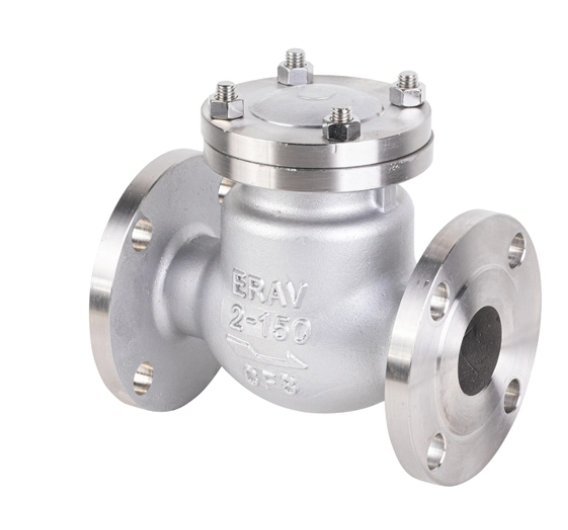
Check valves are essential components in fluid systems, ensuring proper flow control, backflow prevention, and system safety. Understanding the different types, functions, and applications of check valves is crucial for selecting the right valve for your specific system requirements.
Types of Check Valves:

Swing Check Valves: Swing check valves feature a hinged disc or flap that opens and closes in response to fluid flow. They are commonly used in horizontal pipelines and can handle high flow rates.
Lift Check Valves: Lift check valves utilize a poppet or ball that rises and falls within the valve body to control flow. They are suitable for vertical or horizontal installations and can handle high pressures.
Spring-Loaded Check Valves: Spring-loaded check valves incorporate a spring to assist in closing the valve. They are ideal for applications requiring a tight seal and can handle high pressures and flow rates.
Tilting Disc Check Valves: Tilting disc check valves employ a pivoted disc that tilts to allow flow in one direction and closes to prevent backflow. They are suitable for large-diameter pipelines and can handle high flow rates.
Flange double door check valve: Consist of a valve body, two hinged doors or flaps, a seat, and a spring or counterweight mechanism. The valve body is typically made of cast iron, steel, or other durable materials, and it houses the internal components of the valve. The two hinged doors are connected to the valve body and are designed to swing open when fluid flows in the intended direction.
Wafer Check Valves: Wafer type check valve are installed between pipe flanges and feature a compact design. They are suitable for high-pressure applications and can handle large flow rates.
Functions of Check Valves:
Flow Control: Check valves ensure that fluid flows in the desired direction, preventing reverse flow or backflow.
Backflow Prevention: They protect pumps, compressors, and other equipment from damage caused by backflow.
Pressure Regulation: Check valves help maintain system pressure by preventing fluid from flowing back into the source.
System Safety: By preventing backflow, check valves contribute to the overall safety and reliability of fluid systems.
Applications of Check Valves:
Plumbing Systems: Check valves are used in plumbing systems to prevent backflow of wastewater and ensure proper drainage.
HVAC Systems: They are employed in heating, ventilation, and air conditioning (HVAC) systems to control the flow of hot or cold air.
Industrial Processes: Check valves are essential in various industrial processes, including chemical processing, oil and gas, and power generation, to regulate fluid flow and prevent backflow.
Automotive Industry: Check valves are used in automotive fuel systems, cooling systems, and emission control systems.
Marine Applications: They are crucial in marine systems to prevent backflow of seawater and ensure the proper functioning of pumps and engines.
Factors to Consider When Selecting a Check Valve:
Flow Rate: Choose a check valve that can handle the expected flow rate of your system.
Pressure Rating: Ensure the valve’s pressure rating exceeds the maximum pressure in your system.
Valve Size: Select the appropriate valve size to match the pipe diameter.
Valve Material: Consider the compatibility of the valve material with the fluid being handled.
Installation Type: Determine whether you need a threaded, flanged, or wafer-type check valve based on your piping system.
Cracking Pressure: Choose a valve with a cracking pressure that is low enough to allow flow in the desired direction but high enough to prevent unwanted backflow. so recommandation of stainless steel check valve from TWT.
Dec 21, 2023 | News
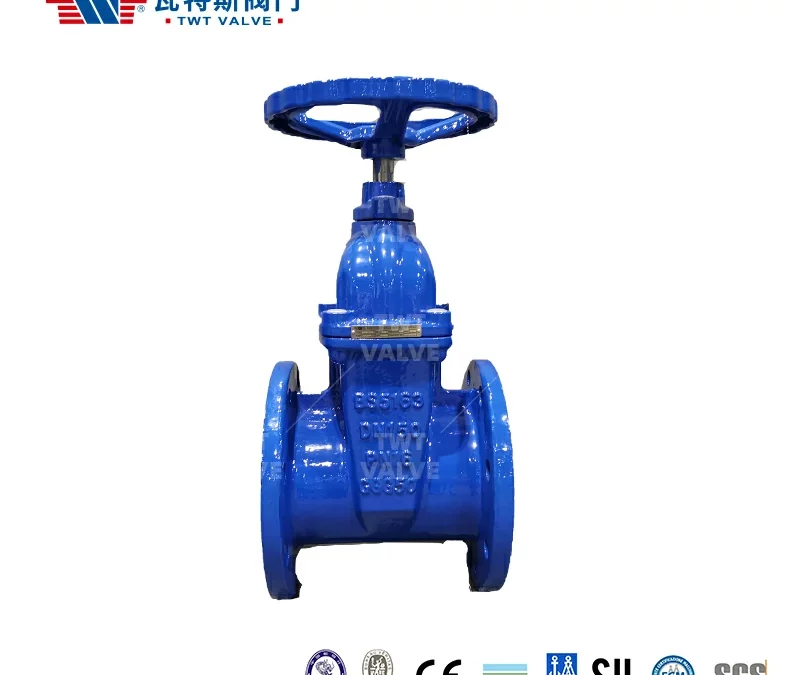
Gate valves play a vital role in efficient flow control systems across various industries. With their robust construction, reliable sealing capabilities, and ability to handle diverse fluids, gate valves provide an essential component for on/off service and straight-line flow control. From oil and gas to water treatment, power generation to chemical processing, gate valves find extensive usage in critical applications.
Understanding Gate Valves
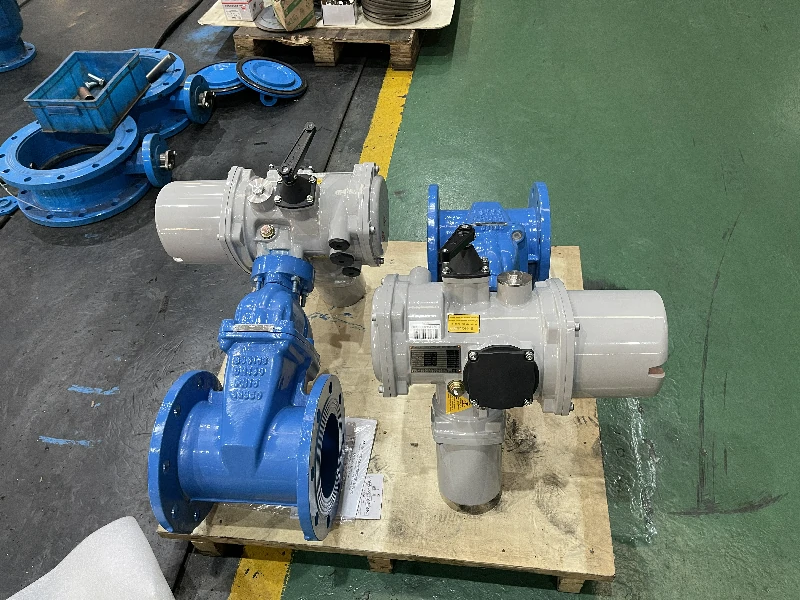
Gate valves are linear motion valves that are primarily designed for on/off service in systems that require a straight-line flow of fluid. The key element in a gate valve is a sliding gate or wedge, which is positioned perpendicular to the flow direction within the valve body. When the gate is raised, it allows fluid to pass through the valve, and when it is lowered, it blocks the flow, providing a tight shut-off.
The construction of a gate valve typically consists of a valve body, a gate, a stem, and a bonnet. The valve body is usually made of materials such as cast iron, ductile iron, carbon steel, or stainless steel, depending on the application and the fluid being controlled. The gate, which can be either solid or flexible, moves up and down within the valve body to regulate the flow. The stem is connected to the gate and provides the linear motion required to open or close the valve. The bonnet houses the stem and provides a seal to prevent leakage.
Functionality and Benefits
Gate valves offer several advantages due to their unique design and functionality. One of their key benefits is their ability to provide a full flow area, resulting in minimal pressure drop when the valve is fully open. This characteristic makes gate valves suitable for applications where a low pressure drop is desired, such as in large pipelines or high-pressure systems.
Gate valves also offer excellent sealing properties. When fully closed, the gate comes into contact with the seat, creating a tight seal that prevents leakage. This feature makes gate valves ideal for applications that require a reliable shut-off, such as in the oil and gas industry, water treatment plants, and chemical processing facilities.
Another advantage of gate valves is their ability to handle a wide range of fluids, including liquids, gases, and slurries. Their versatile design allows for effective control over different types of media, making them suitable for various industries and applications.
Types of Gate Valves
Gate valves can be categorized into different types based on their design and operation. Some common types include:
Rising Stem Gate Valve: In this design, the stem moves in an upward direction as the valve is opened, providing a visual indication of the valve position.
Non-Rising Stem Gate Valve: In this design, the stem does not rise as the valve is opened or closed. This type of valve is often used in applications with limited vertical space. Certainly, meanwhile, TWT also provides China non-rising stem gate valve to customes.
Wedge Gate Valve: The gate in this design is shaped like a wedge, offering a tight and reliable seal. Wedge gate valves are commonly employed in high-pressure applications.
Parallel Slide Gate Valve: In this design, the gate moves in a parallel motion rather than perpendicular to the flow direction. This type of gate valve provides enhanced sealing capabilities and is suitable for high-temperature applications.
Applications and Industry Usage
Gate valves find widespread applications in numerous industries, including oil and gas, water and wastewater treatment, power generation, chemical processing, and many more. Their versatility and ability to handle a wide range of fluids make them indispensable in various systems.
In the oil and gas industry, gate valves are commonly used for isolation and control in pipelines, refineries, and offshore platforms. Water treatment plants rely on gate valves for regulating water flow, controlling pumping systems, and managing the distribution of water. Power generation facilities utilize gate valves for controlling steam, cooling water, and other process fluids.
Gate valves are also employed in the chemical processing industry, where they are used to control the flow of corrosive or hazardous fluids. Additionally, gate valves find applications in fire protection systems, HVAC systems, and irrigation systems, among others.
Overview of BS5163 Gate Valve PN16 And DIN3202 F4 Gate Valve
The BS5163 gate valve PN16 is a resilient-seated gate valve that conforms to the British Standard BS5163. This standard specifies the requirements for valves used in waterworks applications, ensuring they meet stringent quality standards for performance, reliability, and safety. The PN16 designation refers to the valve’s pressure rating, indicating its ability to withstand a maximum pressure of 16 bar.
The DIN3202F4 gate valve is a resilient-seated gate valve that conforms to the German Industrial Standard DIN3202 Part 1, which specifies the requirements for flanged end and butt-welding end gate valves. The “F4” designation refers to the valve’s face-to-face dimensions and drilling, ensuring compatibility and interchangeability with other components and systems.

Dec 20, 2023 | News
Butterfly valves from China double offset butterfly valve, are widely used in fluid control systems for their efficient flow control and reliable shut-off capabilities. Among the various types of butterfly valves, the double offset and double flanged butterfly valves stand out for their unique design and functionality. Fromtheir construction and operating principles to their applications and benefits, we aim to provide a comprehensive discussion on the distinctions between double offset and double flanged butterfly valve.
Construction and Operating Principles

Double Offset Butterfly Valve:
The double offset butterfly valve is characterized by its offset design, which refers to the placement of the shaft axis and disc axis at different offsets from the centerline of the valve. The disc is positioned slightly off-center, creating a cam-like motion during operation. This design feature allows for a tight seal and minimizes friction between the disc and the seat, resulting in reduced wear and improved sealing performance.
The construction of a double offset butterfly valve typically includes a disc, a shaft, a body, and a seat. The disc is usually made of metal or other rigid materials, while the seat is made of an elastomer or a resilient material. The shaft connects the disc to the actuator, enabling the rotational movement of the disc. When the valve is in the closed position, the disc forms a tight seal against the seat, preventing leakage.
Double Flanged Butterfly Valve:
The double flanged butterfly valve, also known as a lug-style butterfly valve, features a disc that is mounted between two flanges. The flanges provide the valve with stability and allow for easy installation and maintenance. This design is particularly suitable for applications where the valve is frequently removed or replaced.
Similar to the double offset butterfly valve, the double flanged butterfly valve consists of a disc, a shaft, a body, and a seat. The disc and seat materials may vary depending on the application requirements. The shaft connects the disc to the actuator, enabling the rotational movement of the disc to control the flow.
Differences in Applications
Double Offset Butterfly Valve:
The double offset butterfly valve is commonly used in applications that require tight shut-off and precise flow control. Its excellent sealing capabilities make it suitable for a wide range of industries, including oil and gas, chemical processing, power generation, and water treatment. These valves are often preferred in high-pressure and high-temperature applications due to their robust construction and reliable performance.
Double Flanged Butterfly Valve:
The double flanged butterfly valve is widely utilized in applications that demand easy installation and removal. Its lug-style design allows for direct mounting between flanges, eliminating the need for additional hardware such as nuts and bolts. This type of valve is commonly found in HVAC systems, water distribution networks, and industrial processes that require frequent maintenance, inspection, or replacement of valves.
Benefits and Limitations
Double Offset Butterfly Valve:
1. Excellent sealing performance and tight shut-off capabilities.
2. Reduced friction and wear due to the offset disc design, leading to extended valve life.
3. Suitable for high-pressure and high-temperature applications.
4. Offers precise flow control and throttling capabilities.
5. May require additional space for installation due to the offset design.
Double Flanged Butterfly Valve:
1. Easy installation and removal due to the lug-style design.
2. Versatile and compatible with various flange standards.
3. Cost-effective solution for applications that require frequent valve maintenance or replacement.
4. Provides reliable shut-off capabilities.
5. Limited to lower pressure and temperature applications compared to double offset butterfly valves.

Dec 19, 2023 | News
Ductile iron double eccentric butterfly valve from China valve manufacturer, offer a reliable, efficient, and durable solution for fluid control systems. The combination of ductile iron construction and double eccentric design provides strength, corrosion resistance, precise control, and minimal leakage. These valves find wide-ranging applications in industries such as water treatment, chemical processing, and petrochemical refineries, where efficiency, reliability, and safety are paramount.
Understanding Ductile Iron Double Eccentric Butterfly Valves

A. Composition and Construction:
Ductile Iron: Ductile iron, also known as nodular cast iron, is a strong and highly durable material widely used in valve manufacturing. Its unique microstructure provides enhanced toughness, resistance to corrosion, and high tensile strength.
Double Eccentric Design: The double eccentric design of these butterfly valves refers to the off-center rotation of both the shaft and the disc. This design minimizes the friction between the disc and the seat, reducing wear and ensuring smooth operation.
B. Operating Principles:
Flow Regulation: Ductile iron double eccentric butterfly valves are designed to regulate the flow of fluids through a pipe or duct. By rotating the disc, the valve can be adjusted to control the flow rate, providing precise control over the fluid medium.
Leakage Prevention: The double eccentric design offers a tight seal, minimizing leakage when the valve is closed. This feature is particularly important in applications where leakage can lead to safety hazards, system inefficiencies, or environmental concerns.
Benefits and Advantages
A. Efficiency and Performance:
Smooth Flow Control: The double eccentric design of these valves allows for precise adjustment of flow rates. The reduced friction between the disc and seat ensures smooth operation and minimizes energy loss, enhancing overall system efficiency.
Low Pressure Drop: Ductile iron double eccentric butterfly valves by valve manufacturers in China, have a streamlined flow path, resulting in minimal pressure loss across the valve. This characteristic allows for efficient fluid transportation, reducing energy consumption and optimizing system performance.
B. Durability and Reliability:
Strong and Durable: Ductile iron is known for its exceptional strength and durability. These valves can withstand high pressures, temperature variations, and demanding operating conditions, ensuring long-term reliability.
Corrosion Resistance: The ductile iron construction of these valves provides excellent resistance to corrosion, making them suitable for use in various environments, including industrial applications and corrosive media.
C. Leakage Prevention and Safety:
Bubble-Tight Seal: The double eccentric design, combined with high-quality sealing materials, allows for a bubble-tight seal when the valve is closed. This prevents leakage and helps maintain system integrity, reducing the risk of accidents and optimizing safety.
Reduced Maintenance: The minimal leakage and durable construction of ductile iron double eccentric butterfly valves contribute to reduced maintenance requirements. This translates into lower operating costs and increased uptime for fluid control systems.
Applications and Considerations
A. Industrial Applications:
Water and Wastewater Treatment: Ductile iron double eccentric butterfly valves are commonly used in water and wastewater treatment plants for flow control in pipelines, effluent management, and slurry applications.
Chemical and Petrochemical Industries: These valves are suitable for handling various chemicals, acids, and aggressive fluids in chemical processing plants and petrochemical refineries.
B. Considerations:
System Compatibility: When selecting ductile iron double eccentric butterfly valves, it is essential to consider the specific requirements of the fluid control system, including pressure ratings, temperature ranges, and compatibility with the medium being transported.
Valve Sizing: Proper valve sizing is crucial to ensure optimal performance and prevent issues such as excessive pressure drop or inadequate flow control. Consulting with valve experts or engineers can help determine the appropriate valve size for a given application.



