
grudzień 25, 2023 | Aktualności
Various of butterfly valves each offer unique advantages and cater to specific applications. Understanding the intricacies of these valve types is crucial for selecting the most appropriate valve for a given flow control requirement. Their simple design, characterized by a rotating disc positioned within a circular body, allows for quick and precise flow regulation. Jednakże, not all butterfly valves are created equal. This comprehensive evaluation delves into the intricacies of three prominent butterfly valve types: U-type butterfly valves, concentric disc butterfly valves, and double offset high-performance butterfly valves, highlighting their unique features, zalety, and applications.
U-Type Butterfly Valves: A Versatile Choice

U type butterfly valve, also known as lug-type butterfly valves, are widely used for their versatility and cost-effectiveness. These valves feature a U-shaped body with a resilient seat that forms a tight seal against the disc. The disc, typically made of metal or rubber, is connected to a stem that controls its rotation. U-type butterfly valves are suitable for a wide range of applications, including general industrial, water treatment, i systemy HVAC.
Advantages of U-Type Butterfly Valves:
• Simple Design: U-type butterfly valves offer a straightforward design that simplifies installation and maintenance.
• Cost-Effective: These valves are generally more affordable compared to other butterfly valve types.
• Versatile Applications: Their adaptability makes them suitable for various industries and applications.
• Tight Sealing: The resilient seat ensures a reliable seal, minimizing leakage.
Applications of U-Type Butterfly Valves:
• General industrial applications, such as water and air supply systems.
• Water treatment facilities for flow control and isolation.
• HVAC systems to regulate airflow and temperature.
• Chemical processing plants for handling non-abrasive fluids.
Concentric Disc Butterfly Valves: Precision and Durability
Concentric disc butterfly valve feature a disc that is concentrically aligned with the valve seat. This design provides precise flow control and a tight seal, making these valves ideal for applications requiring high levels of accuracy and reliability. The disc is typically made of metal or high-performance plastic, ensuring durability and resistance to corrosion.
Advantages of Concentric Disc Butterfly Valves:
• Precise Flow Control: The concentric design enables precise regulation of fluid flow.
• Tight Sealing: The valve’s construction ensures minimal leakage, even at high pressures.
• Durability: Metal or high-performance plastic discs offer long-lasting performance.
• Corrosion Resistance: Suitable for use with corrosive fluids.
Applications of Concentric Disc Butterfly Valves:
• Pharmaceutical and food processing industries for precise flow control.
• Chemical processing plants handling corrosive fluids.
• Power generation facilities for regulating water flow.
• Marine applications where corrosion resistance is crucial.
Double Offset High-Performance Butterfly Valves: Unrivaled Performance
Double offset high-performance butterfly valves represent the pinnacle of butterfly valve technology. These valves incorporate two offset features: the disc is offset from the valve seat, and the stem is offset from the disc center. This design significantly reduces seat wear and improves sealing capabilities, resulting in exceptional performance and longevity.
• Superior Sealing: The double offset design ensures minimal leakage, even under high-pressure conditions.
• Reduced Seat Wear: The offset features minimize contact between the disc and seat, extending valve life.
• High-Temperature Resistance: Suitable for high-temperature applications.
• Low Maintenance: Requires minimal maintenance due to reduced wear and tear.
Applications of Double Offset High-Performance Butterfly Valves:
• Oil and gas industry for demanding flow control applications.
• Chemical processing plants handling abrasive or corrosive fluids.
• Power generation facilities for high-pressure steam and water systems.
• Pharmaceutical and food processing industries requiring stringent hygiene standards.
grudzień 22, 2023 | Aktualności
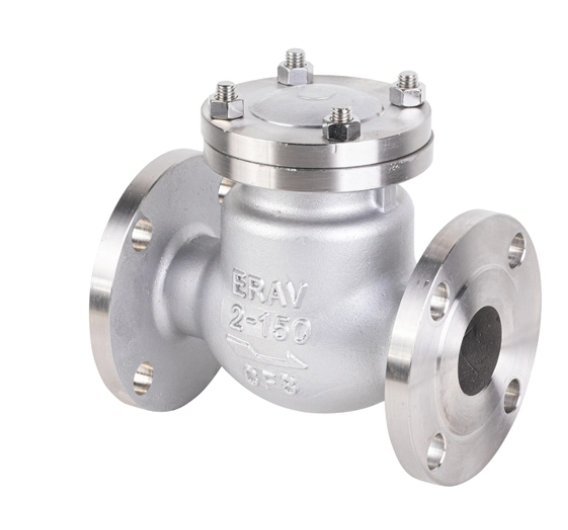
Check valves are essential components in fluid systems, ensuring proper flow control, backflow prevention, and system safety. Understanding the different types, functions, and applications of check valves is crucial for selecting the right valve for your specific system requirements.
Types of Check Valves:

Swing Check Valves: Swing check valves feature a hinged disc or flap that opens and closes in response to fluid flow. They are commonly used in horizontal pipelines and can handle high flow rates.
Lift Check Valves: Lift check valves utilize a poppet or ball that rises and falls within the valve body to control flow. They are suitable for vertical or horizontal installations and can handle high pressures.
Spring-Loaded Check Valves: Spring-loaded check valves incorporate a spring to assist in closing the valve. They are ideal for applications requiring a tight seal and can handle high pressures and flow rates.
Tilting Disc Check Valves: Tilting disc check valves employ a pivoted disc that tilts to allow flow in one direction and closes to prevent backflow. They are suitable for large-diameter pipelines and can handle high flow rates.
Flange double door check valve: Consist of a valve body, two hinged doors or flaps, a seat, and a spring or counterweight mechanism. The valve body is typically made of cast iron, stal, or other durable materials, and it houses the internal components of the valve. The two hinged doors are connected to the valve body and are designed to swing open when fluid flows in the intended direction.
Zawory zwrotne waflowe: Zawór zwrotny typu opłatkowego are installed between pipe flanges and feature a compact design. They are suitable for high-pressure applications and can handle large flow rates.
Functions of Check Valves:
Kontrola przepływu: Check valves ensure that fluid flows in the desired direction, preventing reverse flow or backflow.
Backflow Prevention: They protect pumps, compressors, and other equipment from damage caused by backflow.
Pressure Regulation: Check valves help maintain system pressure by preventing fluid from flowing back into the source.
System Safety: By preventing backflow, check valves contribute to the overall safety and reliability of fluid systems.
Applications of Check Valves:
Plumbing Systems: Check valves are used in plumbing systems to prevent backflow of wastewater and ensure proper drainage.
HVAC Systems: They are employed in heating, ventilation, and air conditioning (HVAC) systems to control the flow of hot or cold air.
Industrial Processes: Check valves are essential in various industrial processes, including chemical processing, oil and gas, i wytwarzanie energii, to regulate fluid flow and prevent backflow.
Automotive Industry: Check valves are used in automotive fuel systems, cooling systems, and emission control systems.
Zastosowania morskie: They are crucial in marine systems to prevent backflow of seawater and ensure the proper functioning of pumps and engines.
Factors to Consider When Selecting a Check Valve:
Przepływ: Choose a check valve that can handle the expected flow rate of your system.
Ocena ciśnienia: Ensure the valve’s pressure rating exceeds the maximum pressure in your system.
Valve Size: Select the appropriate valve size to match the pipe diameter.
Valve Material: Consider the compatibility of the valve material with the fluid being handled.
Installation Type: Determine whether you need a threaded, flanged, or wafer-type check valve based on your piping system.
Cracking Pressure: Choose a valve with a cracking pressure that is low enough to allow flow in the desired direction but high enough to prevent unwanted backflow. so recommandation of zawór zwrotny ze stali nierdzewnej from TWT.
grudzień 21, 2023 | Aktualności
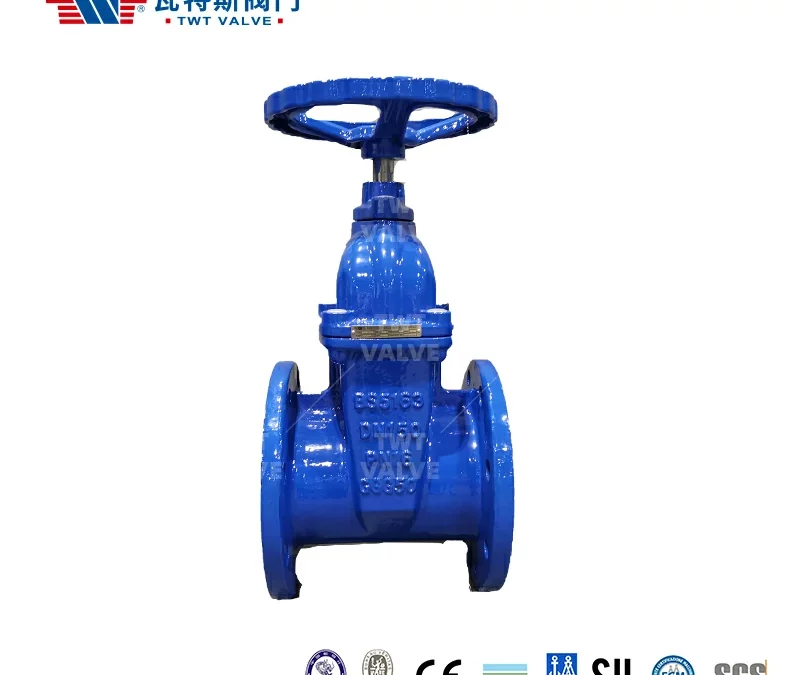
Zasuwy odgrywają kluczową rolę w wydajnych systemach kontroli przepływu w różnych gałęziach przemysłu. Dzięki solidnej konstrukcji, niezawodne możliwości uszczelniania, i zdolność do radzenia sobie z różnorodnymi płynami, Zawory zasuwowe stanowią istotny element umożliwiający włączanie/wyłączanie i proste sterowanie przepływem. Od ropy i gazu po uzdatnianie wody, wytwarzania energii do przetwarzania chemicznego, zasuwy znajdują szerokie zastosowanie w zastosowaniach krytycznych.
Zrozumienie zasuw
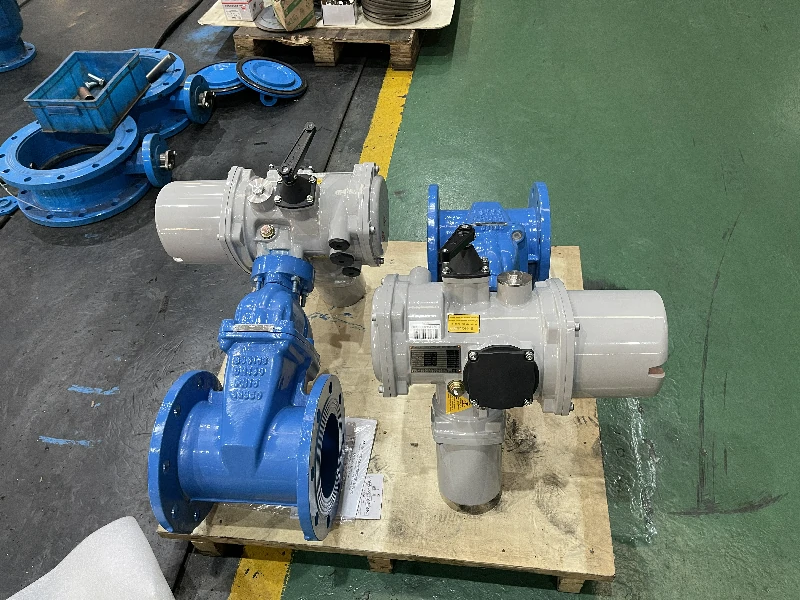
Zawory odcinające to zawory o ruchu liniowym, przeznaczone głównie do włączania/wyłączania w systemach wymagających przepływu płynu w linii prostej. Kluczowym elementem zasuwy jest zasuwa lub klin, który jest ustawiony prostopadle do kierunku przepływu w korpusie zaworu. Gdy brama zostanie podniesiona, umożliwia przepływ płynu przez zawór, i kiedy jest obniżony, blokuje przepływ, zapewniając szczelne zamknięcie.
Konstrukcja zasuwy składa się zazwyczaj z korpusu zaworu, brama, łodyga, i czapka. Korpus zaworu jest zwykle wykonany z materiałów takich jak żeliwo, ciągliwy metal, Stal węglowa, lub stal nierdzewna, w zależności od zastosowania i kontrolowanego płynu. Brama, które mogą być solidne lub elastyczne, porusza się w górę i w dół w korpusie zaworu, regulując przepływ. Trzpień jest połączony z zasuwą i zapewnia ruch liniowy wymagany do otwarcia lub zamknięcia zaworu. Pokrywa mieści trzpień i zapewnia uszczelnienie zapobiegające wyciekom.
Funkcjonalność i zalety
Zawory zasuwowe oferują szereg korzyści ze względu na ich unikalną konstrukcję i funkcjonalność. Jedną z ich kluczowych zalet jest możliwość zapewnienia pełnego obszaru przepływu, co skutkuje minimalnym spadkiem ciśnienia, gdy zawór jest całkowicie otwarty. Ta cecha sprawia, że zasuwy nadają się do zastosowań, w których pożądany jest niski spadek ciśnienia, na przykład w dużych rurociągach lub systemach wysokociśnieniowych.
Zasuwy oferują również doskonałe właściwości uszczelniające. Kiedy jest całkowicie zamknięty, bramka styka się z siedziskiem, tworząc szczelne uszczelnienie, które zapobiega wyciekom. Ta cecha sprawia, że zasuwy są idealne do zastosowań wymagających niezawodnego odcięcia, jak w przemyśle naftowym i gazowym, stacje uzdatniania wody, i zakłady przetwórstwa chemicznego.
Kolejną zaletą zasuw jest ich zdolność do obsługi szerokiej gamy płynów, w tym płyny, gazy, i szlamy. Ich wszechstronna konstrukcja pozwala na efektywną kontrolę nad różnymi rodzajami mediów, dzięki czemu nadają się do różnych gałęzi przemysłu i zastosowań.
Rodzaje zasuw
Zasuwy można podzielić na różne typy w zależności od ich konstrukcji i działania. Niektóre popularne typy obejmują:
Zawór zasuwający z wznoszącym się trzpieniem: W tym projekcie, gdy zawór jest otwarty, trzpień porusza się w górę, zapewniając wizualne wskazanie położenia zaworu.
Zasuwa zasuwowa z niewznoszącym się trzpieniem: W tym projekcie, trzpień nie podnosi się podczas otwierania lub zamykania zaworu. Ten typ zaworu jest często używany w zastosowaniach o ograniczonej przestrzeni pionowej. Z pewnością, Tymczasem, TWT również zapewnia Zawór zasuwowy z trzpieniem niewznoszącym, chiński do zwyczajów.
Zasuwa klinowa: Brama w tym projekcie ma kształt klina, zapewniając szczelne i niezawodne uszczelnienie. Zasuwy klinowe są powszechnie stosowane w zastosowaniach wysokociśnieniowych.
Równoległa zasuwa suwakowa: W tym projekcie, brama porusza się ruchem równoległym, a nie prostopadłym do kierunku przepływu. Ten typ zasuwy zapewnia ulepszone możliwości uszczelniania i nadaje się do zastosowań wysokotemperaturowych.
Zastosowania i wykorzystanie w przemyśle
Zasuwy znajdują szerokie zastosowanie w wielu gałęziach przemysłu, w tym ropę i gaz, oczyszczanie wody i ścieków, wytwarzanie energii, obróbka chemiczna, i wiele więcej. Ich wszechstronność i możliwość obsługi szerokiej gamy płynów czyni je niezbędnymi w różnych systemach.
W przemyśle naftowym i gazowym, Zasuwy są powszechnie stosowane do izolacji i sterowania w rurociągach, rafinerie, i platformy morskie. Stacje uzdatniania wody wykorzystują zasuwy do regulacji przepływu wody, sterowanie systemami pompowymi, i zarządzanie dystrybucją wody. Zakłady wytwarzające energię wykorzystują zasuwy do kontrolowania pary, woda chłodząca, i inne płyny procesowe.
Zasuwy są również stosowane w przemyśle przetwórstwa chemicznego, tam, gdzie są używane do kontrolowania przepływu płynów korozyjnych lub niebezpiecznych. Dodatkowo, zasuwy znajdują zastosowanie w instalacjach przeciwpożarowych, Systemy HVAC, i systemy nawadniające, pośród innych.
Przegląd zasuwy BS5163 PN16 i zasuwy DIN3202 F4
The Zasuwa zasuwowa BS5163 PN16 to zasuwa z elastycznym gniazdem, zgodna z brytyjską normą BS5163. Niniejsza norma określa wymagania dotyczące zaworów stosowanych w instalacjach wodociągowych, zapewniając, że spełniają rygorystyczne standardy jakości w zakresie wydajności, niezawodność, i bezpieczeństwo. Oznaczenie PN16 odnosi się do ciśnienia znamionowego zaworu, wskazując jego zdolność do wytrzymania maksymalnego ciśnienia 16 bar.
The Zasuwa DIN3202F4 to zasuwa z elastycznym gniazdem, zgodna z niemiecką normą przemysłową DIN3202 część 1, który określa wymagania dla zasuw końcowych z kołnierzem i końcówkami do spawania doczołowego. The “F4” oznaczenie odnosi się do wymiarów zabudowy zaworu i wierceń, zapewnienie kompatybilności i wymienności z innymi komponentami i systemami.

grudzień 20, 2023 | Aktualności
Butterfly valves from Zawór motylkowy z podwójnym przesunięciem w Chinach, are widely used in fluid control systems for their efficient flow control and reliable shut-off capabilities. Among the various types of butterfly valves, the double offset and double flanged butterfly valves stand out for their unique design and functionality. Fromtheir construction and operating principles to their applications and benefits, we aim to provide a comprehensive discussion on the distinctions between double offset and double flanged butterfly valve.
Construction and Operating Principles

Zawór motylkowy z podwójnym przesunięciem:
The zawór motylkowy z podwójnym przesunięciem is characterized by its offset design, which refers to the placement of the shaft axis and disc axis at different offsets from the centerline of the valve. The disc is positioned slightly off-center, creating a cam-like motion during operation. This design feature allows for a tight seal and minimizes friction between the disc and the seat, resulting in reduced wear and improved sealing performance.
The construction of a double offset butterfly valve typically includes a disc, a shaft, a body, and a seat. The disc is usually made of metal or other rigid materials, while the seat is made of an elastomer or a resilient material. The shaft connects the disc to the actuator, enabling the rotational movement of the disc. Gdy zawór jest w pozycji zamkniętej, the disc forms a tight seal against the seat, preventing leakage.
Double Flanged Butterfly Valve:
The double flanged butterfly valve, also known as a lug-style butterfly valve, features a disc that is mounted between two flanges. The flanges provide the valve with stability and allow for easy installation and maintenance. This design is particularly suitable for applications where the valve is frequently removed or replaced.
Similar to the double offset butterfly valve, the double flanged butterfly valve consists of a disc, a shaft, a body, and a seat. The disc and seat materials may vary depending on the application requirements. The shaft connects the disc to the actuator, enabling the rotational movement of the disc to control the flow.
Differences in Applications
Zawór motylkowy z podwójnym przesunięciem:
The double offset butterfly valve is commonly used in applications that require tight shut-off and precise flow control. Its excellent sealing capabilities make it suitable for a wide range of industries, w tym ropę i gaz, obróbka chemiczna, wytwarzanie energii, and water treatment. These valves are often preferred in high-pressure and high-temperature applications due to their robust construction and reliable performance.
Double Flanged Butterfly Valve:
The double flanged butterfly valve is widely utilized in applications that demand easy installation and removal. Its lug-style design allows for direct mounting between flanges, eliminating the need for additional hardware such as nuts and bolts. This type of valve is commonly found in HVAC systems, water distribution networks, and industrial processes that require frequent maintenance, inspection, or replacement of valves.
Benefits and Limitations
Zawór motylkowy z podwójnym przesunięciem:
1. Excellent sealing performance and tight shut-off capabilities.
2. Reduced friction and wear due to the offset disc design, leading to extended valve life.
3. Suitable for high-pressure and high-temperature applications.
4. Offers precise flow control and throttling capabilities.
5. May require additional space for installation due to the offset design.
Double Flanged Butterfly Valve:
1. Easy installation and removal due to the lug-style design.
2. Versatile and compatible with various flange standards.
3. Cost-effective solution for applications that require frequent valve maintenance or replacement.
4. Provides reliable shut-off capabilities.
5. Limited to lower pressure and temperature applications compared to double offset butterfly valves.

grudzień 19, 2023 | Aktualności
Ductile iron double eccentric butterfly valve from Chiński producent zaworów, offer a reliable, efficient, and durable solution for fluid control systems. The combination of ductile iron construction and double eccentric design provides strength, corrosion resistance, precise control, and minimal leakage. These valves find wide-ranging applications in industries such as water treatment, obróbka chemiczna, and petrochemical refineries, where efficiency, niezawodność, and safety are paramount.
Understanding Ductile Iron Double Eccentric Butterfly Valves

A. Composition and Construction:
Ciągliwy metal: Ciągliwy metal, also known as nodular cast iron, is a strong and highly durable material widely used in valve manufacturing. Its unique microstructure provides enhanced toughness, resistance to corrosion, and high tensile strength.
Double Eccentric Design: The double eccentric design of these butterfly valves refers to the off-center rotation of both the shaft and the disc. This design minimizes the friction between the disc and the seat, reducing wear and ensuring smooth operation.
B. Operating Principles:
Flow Regulation: Ductile iron double eccentric butterfly valves are designed to regulate the flow of fluids through a pipe or duct. By rotating the disc, the valve can be adjusted to control the flow rate, providing precise control over the fluid medium.
Leakage Prevention: The double eccentric design offers a tight seal, minimizing leakage when the valve is closed. This feature is particularly important in applications where leakage can lead to safety hazards, system inefficiencies, or environmental concerns.
Benefits and Advantages
A. Efficiency and Performance:
Smooth Flow Control: The double eccentric design of these valves allows for precise adjustment of flow rates. The reduced friction between the disc and seat ensures smooth operation and minimizes energy loss, enhancing overall system efficiency.
Low Pressure Drop: Ductile iron double eccentric butterfly valves by valve manufacturers in China, have a streamlined flow path, resulting in minimal pressure loss across the valve. This characteristic allows for efficient fluid transportation, reducing energy consumption and optimizing system performance.
B. Durability and Reliability:
Strong and Durable: Ductile iron is known for its exceptional strength and durability. These valves can withstand high pressures, temperature variations, and demanding operating conditions, ensuring long-term reliability.
Odporność na korozję: The ductile iron construction of these valves provides excellent resistance to corrosion, making them suitable for use in various environments, including industrial applications and corrosive media.
C. Leakage Prevention and Safety:
Bubble-Tight Seal: The double eccentric design, combined with high-quality sealing materials, allows for a bubble-tight seal when the valve is closed. This prevents leakage and helps maintain system integrity, reducing the risk of accidents and optimizing safety.
Reduced Maintenance: The minimal leakage and durable construction of ductile iron double eccentric butterfly valves contribute to reduced maintenance requirements. This translates into lower operating costs and increased uptime for fluid control systems.
Applications and Considerations
A. Industrial Applications:
Water and Wastewater Treatment: Ductile iron double eccentric butterfly valves are commonly used in water and wastewater treatment plants for flow control in pipelines, effluent management, and slurry applications.
Chemical and Petrochemical Industries: These valves are suitable for handling various chemicals, kwasy, and aggressive fluids in chemical processing plants and petrochemical refineries.
B. Considerations:
System Compatibility: When selecting ductile iron double eccentric butterfly valves, it is essential to consider the specific requirements of the fluid control system, including pressure ratings, temperature ranges, and compatibility with the medium being transported.
Valve Sizing: Proper valve sizing is crucial to ensure optimal performance and prevent issues such as excessive pressure drop or inadequate flow control. Consulting with valve experts or engineers can help determine the appropriate valve size for a given application.



