
Dic 25, 2023 | Noticias
Various of butterfly valves each offer unique advantages and cater to specific applications. Understanding the intricacies of these valve types is crucial for selecting the most appropriate valve for a given flow control requirement. Su diseño simple, characterized by a rotating disc positioned within a circular body, allows for quick and precise flow regulation. Sin embargo, not all butterfly valves are created equal. This comprehensive evaluation delves into the intricacies of three prominent butterfly valve types: U-type butterfly valves, concentric disc butterfly valves, and double offset high-performance butterfly valves, highlighting their unique features, ventajas, y aplicaciones.
U-Type Butterfly Valves: A Versatile Choice

U type butterfly valve, also known as lug-type butterfly valves, are widely used for their versatility and cost-effectiveness. These valves feature a U-shaped body with a resilient seat that forms a tight seal against the disc. El disco, typically made of metal or rubber, is connected to a stem that controls its rotation. U-type butterfly valves are suitable for a wide range of applications, including general industrial, tratamiento de aguas, y sistemas HVAC.
Advantages of U-Type Butterfly Valves:
• Simple Design: U-type butterfly valves offer a straightforward design that simplifies installation and maintenance.
• Cost-Effective: These valves are generally more affordable compared to other butterfly valve types.
• Versatile Applications: Their adaptability makes them suitable for various industries and applications.
• Tight Sealing: The resilient seat ensures a reliable seal, minimizing leakage.
Applications of U-Type Butterfly Valves:
• General industrial applications, such as water and air supply systems.
• Water treatment facilities for flow control and isolation.
• HVAC systems to regulate airflow and temperature.
• Chemical processing plants for handling non-abrasive fluids.
Concentric Disc Butterfly Valves: Precision and Durability
Concentric disc butterfly valve feature a disc that is concentrically aligned with the valve seat. This design provides precise flow control and a tight seal, making these valves ideal for applications requiring high levels of accuracy and reliability. The disc is typically made of metal or high-performance plastic, ensuring durability and resistance to corrosion.
Advantages of Concentric Disc Butterfly Valves:
• Precise Flow Control: The concentric design enables precise regulation of fluid flow.
• Tight Sealing: The valve’s construction ensures minimal leakage, even at high pressures.
• Durability: Metal or high-performance plastic discs offer long-lasting performance.
• Corrosion Resistance: Suitable for use with corrosive fluids.
Applications of Concentric Disc Butterfly Valves:
• Pharmaceutical and food processing industries for precise flow control.
• Chemical processing plants handling corrosive fluids.
• Power generation facilities for regulating water flow.
• Marine applications where corrosion resistance is crucial.
Double Offset High-Performance Butterfly Valves: Unrivaled Performance
Double offset high-performance butterfly valves represent the pinnacle of butterfly valve technology. These valves incorporate two offset features: the disc is offset from the valve seat, and the stem is offset from the disc center. This design significantly reduces seat wear and improves sealing capabilities, resulting in exceptional performance and longevity.
• Superior Sealing: The double offset design ensures minimal leakage, even under high-pressure conditions.
• Reduced Seat Wear: The offset features minimize contact between the disc and seat, extending valve life.
• High-Temperature Resistance: Suitable for high-temperature applications.
• Low Maintenance: Requires minimal maintenance due to reduced wear and tear.
Applications of Double Offset High-Performance Butterfly Valves:
• Oil and gas industry for demanding flow control applications.
• Chemical processing plants handling abrasive or corrosive fluids.
• Power generation facilities for high-pressure steam and water systems.
• Pharmaceutical and food processing industries requiring stringent hygiene standards.
Dic 22, 2023 | Noticias
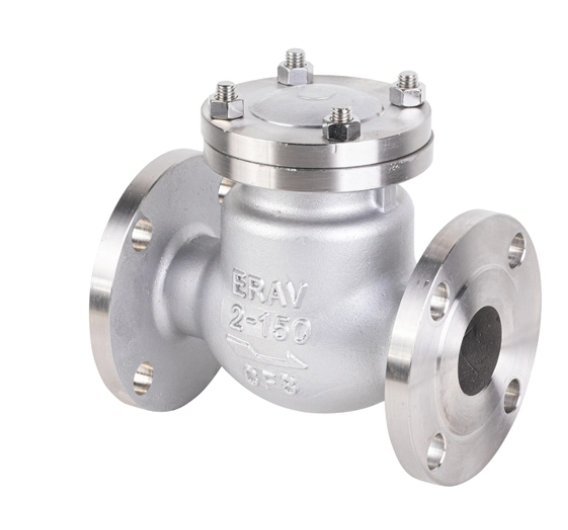
Check valves are essential components in fluid systems, ensuring proper flow control, backflow prevention, and system safety. Understanding the different types, functions, and applications of check valves is crucial for selecting the right valve for your specific system requirements.
Tipos de válvulas de retención:

Swing Check Valves: Swing check valves feature a hinged disc or flap that opens and closes in response to fluid flow. They are commonly used in horizontal pipelines and can handle high flow rates.
Lift Check Valves: Lift check valves utilize a poppet or ball that rises and falls within the valve body to control flow. They are suitable for vertical or horizontal installations and can handle high pressures.
Spring-Loaded Check Valves: Spring-loaded check valves incorporate a spring to assist in closing the valve. They are ideal for applications requiring a tight seal and can handle high pressures and flow rates.
Válvulas de retención de disco basculante: Tilting disc check valves employ a pivoted disc that tilts to allow flow in one direction and closes to prevent backflow. They are suitable for large-diameter pipelines and can handle high flow rates.
Flange double door check valve: Consist of a valve body, two hinged doors or flaps, un asiento, and a spring or counterweight mechanism. The valve body is typically made of cast iron, acero, or other durable materials, and it houses the internal components of the valve. The two hinged doors are connected to the valve body and are designed to swing open when fluid flows in the intended direction.
Válvulas de retención tipo wafer: Válvula de retención tipo wafer are installed between pipe flanges and feature a compact design. They are suitable for high-pressure applications and can handle large flow rates.
Functions of Check Valves:
Control de flujo: Check valves ensure that fluid flows in the desired direction, preventing reverse flow or backflow.
Prevención de reflujo: They protect pumps, compresores, and other equipment from damage caused by backflow.
Pressure Regulation: Check valves help maintain system pressure by preventing fluid from flowing back into the source.
System Safety: Al prevenir el reflujo, check valves contribute to the overall safety and reliability of fluid systems.
Aplicaciones de las válvulas de retención:
Sistemas de plomería: Check valves are used in plumbing systems to prevent backflow of wastewater and ensure proper drainage.
Sistemas HVAC: They are employed in heating, ventilación, y aire acondicionado (climatización) systems to control the flow of hot or cold air.
Procesos Industriales: Check valves are essential in various industrial processes, incluido el procesamiento químico, petróleo y gas, y generación de energía, to regulate fluid flow and prevent backflow.
Automotive Industry: Check valves are used in automotive fuel systems, sistemas de enfriamiento, and emission control systems.
Marine Applications: They are crucial in marine systems to prevent backflow of seawater and ensure the proper functioning of pumps and engines.
Factors to Consider When Selecting a Check Valve:
Flow Rate: Choose a check valve that can handle the expected flow rate of your system.
La calificación de presión: Ensure the valve’s pressure rating exceeds the maximum pressure in your system.
Valve Size: Select the appropriate valve size to match the pipe diameter.
Valve Material: Consider the compatibility of the valve material with the fluid being handled.
Installation Type: Determine whether you need a threaded, flanged, or wafer-type check valve based on your piping system.
Cracking Pressure: Choose a valve with a cracking pressure that is low enough to allow flow in the desired direction but high enough to prevent unwanted backflow. so recommandation of stainless steel check valve from TWT.
Dic 21, 2023 | Noticias
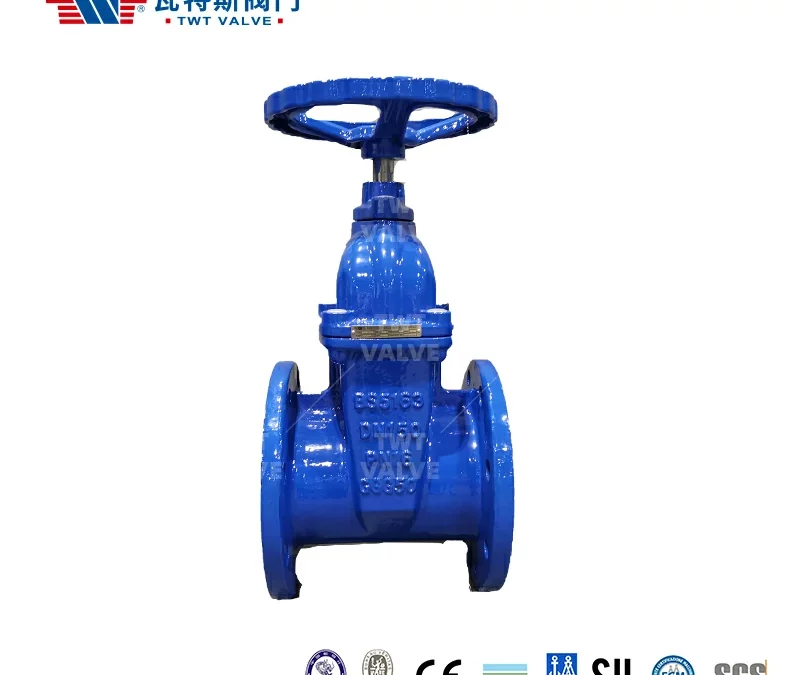
Las válvulas de compuerta desempeñan un papel vital en los sistemas eficientes de control de flujo en diversas industrias. Con su construcción robusta, capacidades de sellado confiables, y capacidad para manejar diversos fluidos, Las válvulas de compuerta proporcionan un componente esencial para el servicio de encendido/apagado y el control de flujo en línea recta.. Del petróleo y el gas al tratamiento del agua, desde generación de energía hasta procesamiento químico, Las válvulas de compuerta encuentran un amplio uso en aplicaciones críticas..
Comprensión de las válvulas de compuerta
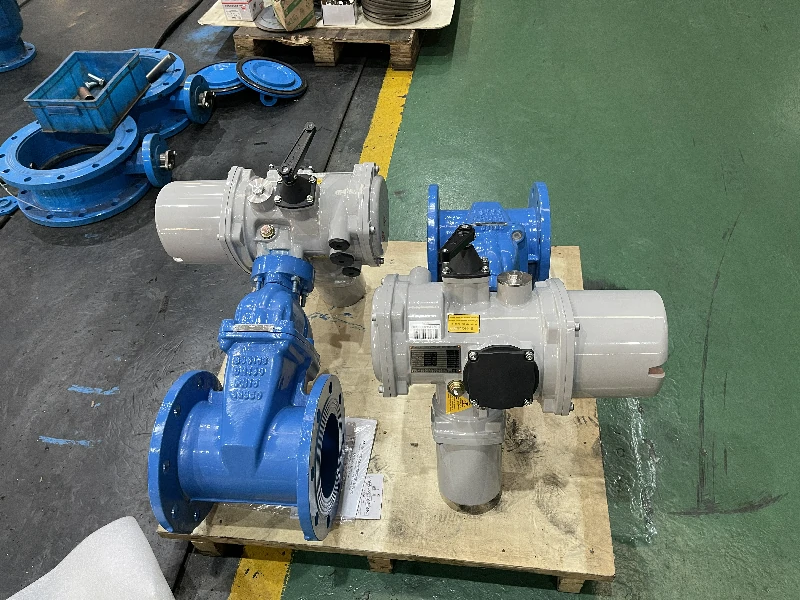
Las válvulas de compuerta son válvulas de movimiento lineal que están diseñadas principalmente para servicio de encendido/apagado en sistemas que requieren un flujo de fluido en línea recta.. El elemento clave en una válvula de compuerta es una compuerta corrediza o cuña., que se coloca perpendicular a la dirección del flujo dentro del cuerpo de la válvula. Cuando se levanta la puerta, permite que el fluido pase a través de la válvula, y cuando se baja, bloquea el flujo, proporcionando un cierre hermético.
La construcción de una válvula de compuerta generalmente consiste en un cuerpo de válvula, una puerta, un tallo, y un gorro. El cuerpo de la válvula suele estar hecho de materiales como hierro fundido., hierro dúctil, acero carbono, o acero inoxidable, dependiendo de la aplicación y del fluido que se controla. la puerta, que puede ser sólido o flexible, Se mueve hacia arriba y hacia abajo dentro del cuerpo de la válvula para regular el flujo.. El vástago está conectado a la compuerta y proporciona el movimiento lineal necesario para abrir o cerrar la válvula.. El capó alberga el vástago y proporciona un sello para evitar fugas..
Funcionalidad y beneficios
Las válvulas de compuerta ofrecen varias ventajas debido a su diseño y funcionalidad únicos.. Uno de sus beneficios clave es su capacidad para proporcionar un área de flujo total., lo que resulta en una caída de presión mínima cuando la válvula está completamente abierta. Esta característica hace que las válvulas de compuerta sean adecuadas para aplicaciones donde se desea una baja caída de presión., como en grandes tuberías o sistemas de alta presión.
Las válvulas de compuerta también ofrecen excelentes propiedades de sellado.. Cuando está completamente cerrado, la puerta entra en contacto con el asiento, creando un sello hermético que evita fugas. Esta característica hace que las válvulas de compuerta sean ideales para aplicaciones que requieren un cierre confiable., como en la industria del petróleo y el gas, plantas de tratamiento de agua, e instalaciones de procesamiento químico.
Otra ventaja de las válvulas de compuerta es su capacidad para manejar una amplia gama de fluidos., incluyendo líquidos, gases, y lodos. Su diseño versátil permite un control efectivo sobre diferentes tipos de medios., haciéndolos adecuados para diversas industrias y aplicaciones.
Tipos de válvulas de compuerta
Las válvulas de compuerta se pueden clasificar en diferentes tipos según su diseño y funcionamiento.. Algunos tipos comunes incluyen:
Válvula de compuerta de vástago ascendente: en este diseño, El vástago se mueve hacia arriba cuando se abre la válvula., Proporcionar una indicación visual de la posición de la válvula..
Válvula de compuerta de vástago no ascendente: en este diseño, El vástago no sube al abrir o cerrar la válvula.. Este tipo de válvula se utiliza a menudo en aplicaciones con espacio vertical limitado.. Ciertamente, mientras tanto, TWT también proporciona Válvula de compuerta de vástago no ascendente de China a la aduana.
Válvula de compuerta de cuña: La puerta en este diseño tiene forma de cuña., ofreciendo un sello hermético y confiable. Las válvulas de compuerta de cuña se emplean comúnmente en aplicaciones de alta presión..
Válvula de compuerta deslizante paralela: en este diseño, La compuerta se mueve en un movimiento paralelo en lugar de perpendicular a la dirección del flujo.. Este tipo de válvula de compuerta proporciona capacidades de sellado mejoradas y es adecuada para aplicaciones de alta temperatura..
Aplicaciones y uso industrial
Las válvulas de compuerta encuentran aplicaciones generalizadas en numerosas industrias, incluyendo petróleo y gas, tratamiento de agua y aguas residuales, generación de energía, procesamiento químico, y muchos más. Su versatilidad y capacidad para manejar una amplia gama de fluidos los hacen indispensables en diversos sistemas..
En la industria del petróleo y el gas, Las válvulas de compuerta se usan comúnmente para aislamiento y control en tuberías., refinerías, y plataformas marinas. Las plantas de tratamiento de agua dependen de válvulas de compuerta para regular el flujo de agua., controlar los sistemas de bombeo, y gestionar la distribución del agua. Las instalaciones de generación de energía utilizan válvulas de compuerta para controlar el vapor., agua de refrigeración, y otros fluidos de proceso.
Las válvulas de compuerta también se emplean en la industria de procesamiento de productos químicos., donde se utilizan para controlar el flujo de fluidos corrosivos o peligrosos. Además, Las válvulas de compuerta encuentran aplicaciones en sistemas de protección contra incendios., sistemas de climatización, y sistemas de riego, entre otros.
Descripción general de la válvula de compuerta BS5163 PN16 y la válvula de compuerta DIN3202 F4
El Válvula de compuerta BS5163 PN16 Es una válvula de compuerta con asiento elástico que cumple con la norma británica BS5163.. Esta norma especifica los requisitos para las válvulas utilizadas en aplicaciones de abastecimiento de agua., asegurando que cumplan con estrictos estándares de calidad para el desempeño, fiabilidad, y seguridad. La designación PN16 se refiere a la presión nominal de la válvula., indicando su capacidad para soportar una presión máxima de 16 bar.
El Válvula de compuerta DIN3202F4 es una válvula de compuerta con asiento elástico que cumple con la norma industrial alemana DIN3202 parte 1, que especifica los requisitos para válvulas de compuerta con extremo bridado y con soldadura a tope. El “F4” La designación se refiere a las dimensiones cara a cara de la válvula y a la perforación., Garantizar la compatibilidad y la intercambiabilidad con otros componentes y sistemas..

Dic 20, 2023 | Noticias
Butterfly valves from Válvula de mariposa de doble compensación de China, are widely used in fluid control systems for their efficient flow control and reliable shut-off capabilities. Among the various types of butterfly valves, the double offset and double flanged butterfly valves stand out for their unique design and functionality. Fromtheir construction and operating principles to their applications and benefits, we aim to provide a comprehensive discussion on the distinctions between double offset and válvula de mariposa de doble brida.
Construction and Operating Principles

Double Offset Butterfly Valve:
El válvula de mariposa de doble desplazamiento is characterized by its offset design, which refers to the placement of the shaft axis and disc axis at different offsets from the centerline of the valve. The disc is positioned slightly off-center, creating a cam-like motion during operation. This design feature allows for a tight seal and minimizes friction between the disc and the seat, resulting in reduced wear and improved sealing performance.
The construction of a double offset butterfly valve typically includes a disc, a shaft, a body, and a seat. The disc is usually made of metal or other rigid materials, while the seat is made of an elastomer or a resilient material. The shaft connects the disc to the actuator, enabling the rotational movement of the disc. When the valve is in the closed position, the disc forms a tight seal against the seat, evitando fugas.
Double Flanged Butterfly Valve:
The double flanged butterfly valve, also known as a lug-style butterfly valve, features a disc that is mounted between two flanges. The flanges provide the valve with stability and allow for easy installation and maintenance. This design is particularly suitable for applications where the valve is frequently removed or replaced.
Similar to the double offset butterfly valve, the double flanged butterfly valve consists of a disc, a shaft, a body, and a seat. The disc and seat materials may vary depending on the application requirements. The shaft connects the disc to the actuator, enabling the rotational movement of the disc to control the flow.
Differences in Applications
Double Offset Butterfly Valve:
The double offset butterfly valve is commonly used in applications that require tight shut-off and precise flow control. Its excellent sealing capabilities make it suitable for a wide range of industries, incluyendo petróleo y gas, procesamiento químico, generación de energía, y tratamiento de agua. These valves are often preferred in high-pressure and high-temperature applications due to their robust construction and reliable performance.
Double Flanged Butterfly Valve:
The double flanged butterfly valve is widely utilized in applications that demand easy installation and removal. Its lug-style design allows for direct mounting between flanges, eliminating the need for additional hardware such as nuts and bolts. This type of valve is commonly found in HVAC systems, redes de distribución de agua, and industrial processes that require frequent maintenance, inspection, or replacement of valves.
Benefits and Limitations
Double Offset Butterfly Valve:
1. Excellent sealing performance and tight shut-off capabilities.
2. Reduced friction and wear due to the offset disc design, leading to extended valve life.
3. Suitable for high-pressure and high-temperature applications.
4. Offers precise flow control and throttling capabilities.
5. May require additional space for installation due to the offset design.
Double Flanged Butterfly Valve:
1. Easy installation and removal due to the lug-style design.
2. Versatile and compatible with various flange standards.
3. Cost-effective solution for applications that require frequent valve maintenance or replacement.
4. Provides reliable shut-off capabilities.
5. Limited to lower pressure and temperature applications compared to double offset butterfly valves.

Dic 19, 2023 | Noticias
Ductile iron double eccentric butterfly valve from fabricante de válvulas de China, offer a reliable, eficiente, and durable solution for fluid control systems. The combination of ductile iron construction and double eccentric design provides strength, resistencia a la corrosión, precise control, and minimal leakage. These valves find wide-ranging applications in industries such as water treatment, procesamiento químico, and petrochemical refineries, where efficiency, fiabilidad, and safety are paramount.
Understanding Ductile Iron Double Eccentric Butterfly Valves

A. Composition and Construction:
Hierro dúctil: Hierro dúctil, also known as nodular cast iron, is a strong and highly durable material widely used in valve manufacturing. Its unique microstructure provides enhanced toughness, resistance to corrosion, and high tensile strength.
Double Eccentric Design: The double eccentric design of these butterfly valves refers to the off-center rotation of both the shaft and the disc. This design minimizes the friction between the disc and the seat, reducing wear and ensuring smooth operation.
B. Operating Principles:
Regulación de flujo: Ductile iron double eccentric butterfly valves are designed to regulate the flow of fluids through a pipe or duct. By rotating the disc, the valve can be adjusted to control the flow rate, providing precise control over the fluid medium.
Leakage Prevention: The double eccentric design offers a tight seal, minimizing leakage when the valve is closed. This feature is particularly important in applications where leakage can lead to safety hazards, system inefficiencies, or environmental concerns.
Benefits and Advantages
A. Efficiency and Performance:
Smooth Flow Control: The double eccentric design of these valves allows for precise adjustment of flow rates. The reduced friction between the disc and seat ensures smooth operation and minimizes energy loss, enhancing overall system efficiency.
Caída de presión baja: Ductile iron double eccentric butterfly valves by valve manufacturers in China, have a streamlined flow path, resulting in minimal pressure loss across the valve. This characteristic allows for efficient fluid transportation, reducing energy consumption and optimizing system performance.
B. Durability and Reliability:
Strong and Durable: Ductile iron is known for its exceptional strength and durability. These valves can withstand high pressures, temperature variations, and demanding operating conditions, ensuring long-term reliability.
Resistencia a la corrosión: The ductile iron construction of these valves provides excellent resistance to corrosion, making them suitable for use in various environments, including industrial applications and corrosive media.
C. Leakage Prevention and Safety:
Bubble-Tight Seal: The double eccentric design, combined with high-quality sealing materials, allows for a bubble-tight seal when the valve is closed. This prevents leakage and helps maintain system integrity, reducing the risk of accidents and optimizing safety.
Reduced Maintenance: The minimal leakage and durable construction of ductile iron double eccentric butterfly valves contribute to reduced maintenance requirements. This translates into lower operating costs and increased uptime for fluid control systems.
Applications and Considerations
A. Industrial Applications:
Tratamiento de Aguas y Aguas Residuales: Ductile iron double eccentric butterfly valves are commonly used in water and wastewater treatment plants for flow control in pipelines, effluent management, and slurry applications.
Chemical and Petrochemical Industries: These valves are suitable for handling various chemicals, ácidos, and aggressive fluids in chemical processing plants and petrochemical refineries.
B. Considerations:
System Compatibility: When selecting ductile iron double eccentric butterfly valves, it is essential to consider the specific requirements of the fluid control system, including pressure ratings, temperature ranges, and compatibility with the medium being transported.
Valve Sizing: Proper valve sizing is crucial to ensure optimal performance and prevent issues such as excessive pressure drop or inadequate flow control. Consulting with valve experts or engineers can help determine the appropriate valve size for a given application.



