
May 20, 2024 | News
In the complex world of industrial and infrastructure systems, the ability to precisely regulate the flow of fluids and gases is of paramount importance. At the forefront of this critical industry is TWT, a leading center line butterfly valve manufacturer in China, offering a comprehensive range of innovative butterfly valve solutions, including the powerful and versatile triple eccentric butterfly valve.
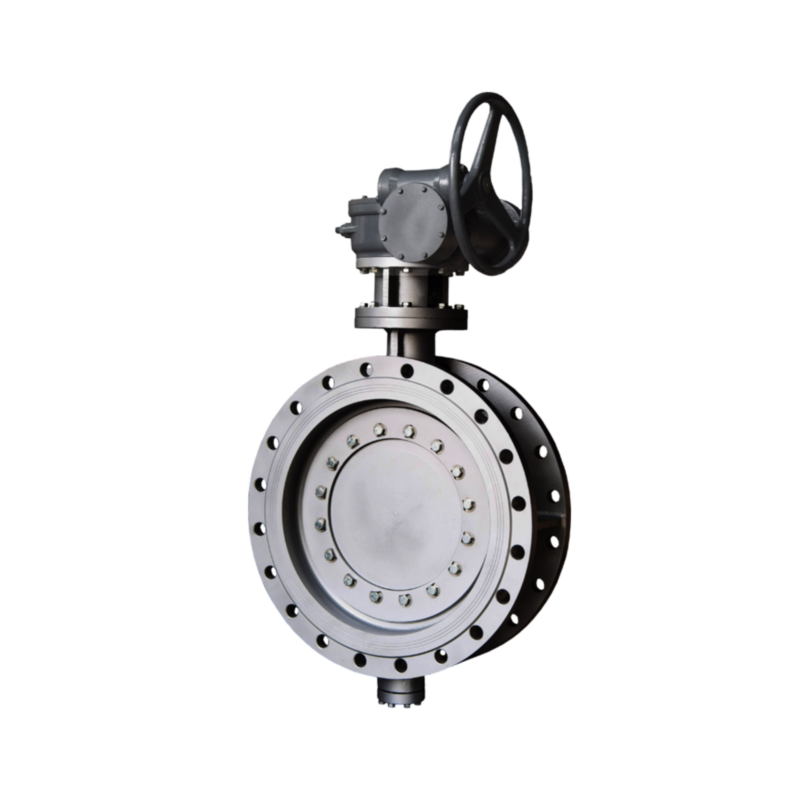
Understanding Triple Eccentric Butterfly Valves from TWT
Triple eccentric butterfly valves, as the name suggests, feature a unique design that sets them apart from traditional butterfly valve designs. These valves are characterized by three distinct axes of eccentricity, which provide several key advantages over conventional butterfly valves.
TWT, a renowned center line butterfly valve manufacturer in China, has earned a reputation for producing high-quality triple eccentric butterfly valves that deliver exceptional performance, reliability, and versatility. Leveraging their expertise in metalworking and a deep understanding of fluid dynamics, TWT’s triple eccentric butterfly valves are engineered to excel in even the most demanding applications.
Triple Eccentric Butterfly Valves vs. Offset Butterfly Valves
While both triple eccentric butterfly valves and offset butterfly valve serves the purpose of regulating fluid and gas flow, there are notable differences between the two:
- Eccentricity: As the name implies, triple eccentric butterfly valves have three distinct axes of eccentricity, while offset butterfly valves have a single axis of eccentricity.
- Sealing Mechanism: The triple eccentric design of TWT’s butterfly valves allows for a more robust and reliable sealing mechanism, as the three axes of eccentricity create a tighter seal against the valve seat.
- Torque Requirements: Due to the unique eccentricity and sealing design, triple eccentric butterfly valves generally require lower operating torque compared to offset butterfly valves, making them easier to actuate and control.
- Pressure Rating: TWT’s triple eccentric butterfly valves are typically capable of handling higher pressure ratings than offset butterfly valves, making them suitable for more demanding applications.
- Versatility: The triple eccentric design of TWT’s butterfly valves allows for a wider range of applications, as they can accommodate larger valve sizes and higher pressure requirements compared to offset butterfly valves.
Applications of Triple Eccentric Butterfly Valves
TWT’s triple eccentric butterfly valves find widespread use in a variety of industrial and infrastructure settings, showcasing their versatility and suitability for diverse applications:
- Power Generation: In power generation plants, triple eccentric butterfly valves play a critical role in controlling the flow of coolants, steam, and other fluids, ensuring the efficient and safe operation of the system.
- Oil and Gas Industry: In the oil and gas industry, these butterfly valves are relied upon to handle the demands of high-pressure and potentially corrosive environments, maintaining the integrity of pipelines and processing equipment.
- Water and Wastewater Treatment: Triple eccentric butterfly valves are extensively utilized in water distribution and wastewater treatment facilities, where their reliable performance and resistance to corrosion are crucial.
- HVAC Systems: TWT’s triple eccentric butterfly valves are commonly employed in heating, ventilation, and air conditioning (HVAC) systems, regulating the flow of fluids and gases to maintain optimal system performance.
- Chemical and Petrochemical Plants: In the chemical and petrochemical industries, these butterfly valves are used to control the flow of various process fluids and gases, ensuring safe and efficient operations.
Advantages of TWT’s Triple Eccentric Butterfly Valves
TWT’s triple eccentric butterfly valves offer several key advantages that make them a preferred choice among industry professionals:
- Exceptional Durability: The robust construction of TWT’s triple eccentric butterfly valves, featuring cast iron or ductile iron bodies and high-quality sealing materials, ensures exceptional strength and resistance to wear, even in demanding environments.
- Corrosion Resistance: TWT’s butterfly valves are designed to withstand corrosion, making them suitable for use in a wide range of applications, including those involving water, chemicals, or other corrosive media.
- Precise Flow Control: The unique triple eccentric design of these valves provides precise and reliable flow control, allowing users to efficiently regulate the system’s operations.
- Energy Efficiency: TWT’s triple eccentric butterfly valves typically require lower operating torque, which can lead to reduced energy consumption and operating costs.
- Versatility: The versatile design of TWT’s triple eccentric butterfly valves allows them to accommodate a wide range of valve sizes and pressure ratings, making them suitable for a diverse array of industrial and infrastructure applications.
Conclusion
TWT, a leading center line butterfly valve manufacturer in China, has established itself as a trailblazer in the production of innovative and high-performing butterfly valve solutions, with the triple eccentric butterfly valve being a standout in their portfolio. These fluid control powerhouses have become indispensable components in the infrastructure of various industries, from power generation and oil and gas to water treatment and HVAC systems.
Apr 2, 2024 | News
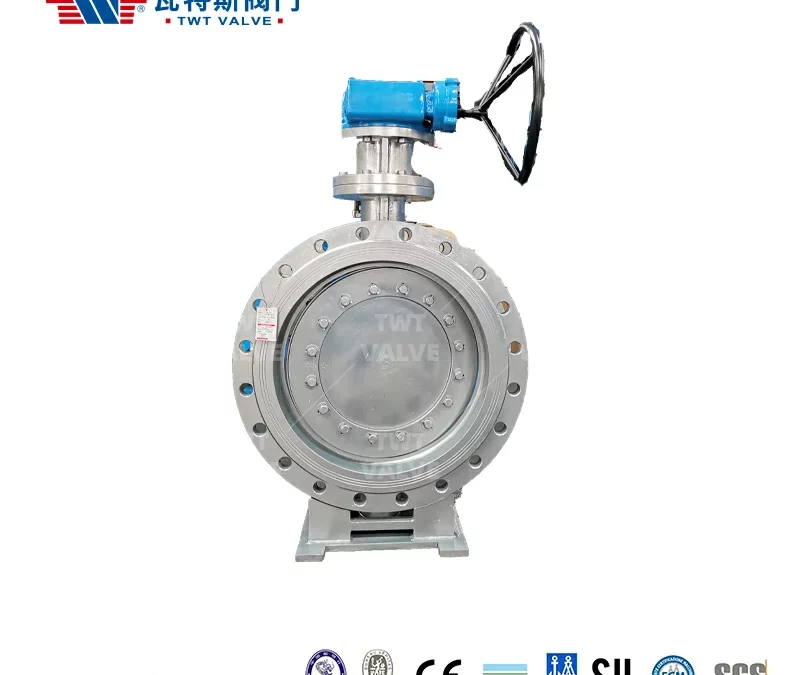
A triple offset butterfly valve, also known as an triple eccentric butterfly valve, is an advanced type of butterfly valve that incorporates three distinct offsets to achieve superior sealing performance. The types and applications of triple offset butterfly valves has (also known as triple eccentric valves):
Types of Triple Offset Butterfly Valves:
Zero Offset Butterfly Valve:
In this particular arrangement, the valve shaft is deliberately set away from the central axis of the valve seat. The disc or plate maintains perfect alignment with the seat, devoid of any eccentricity. Butterfly valves with zero offset find widespread usage across diverse industrial sectors.
Single Offset Butterfly Valve:
The disc is eccentrically positioned with respect to the valve seat. This offset allows for better sealing performance. Single offset butterfly valves are employed in crucial scenarios necessitating precise closure.
Double Offset Butterfly Valve:
Apart from the offsets in shaft and disc, a third offset is formed by the conical sealing surface. Double offset butterfly valves excel in withstanding high-pressure and high-temperature conditions. In addition to the shaft and disc offsets, the sealing surface is conical, forming a third offset. Double offset butterfly valves are suitable for high-pressure and high-temperature environments. They offer improved sealing capabilities compared to single offset valves.
The most advanced type in this group, TOBV incorporates three distinct offsets: Shaft offset.
Sealing surface offset. TOBV provides superior sealing performance, even in extreme conditions. It is widely used in critical applications where zero leakage is crucial.
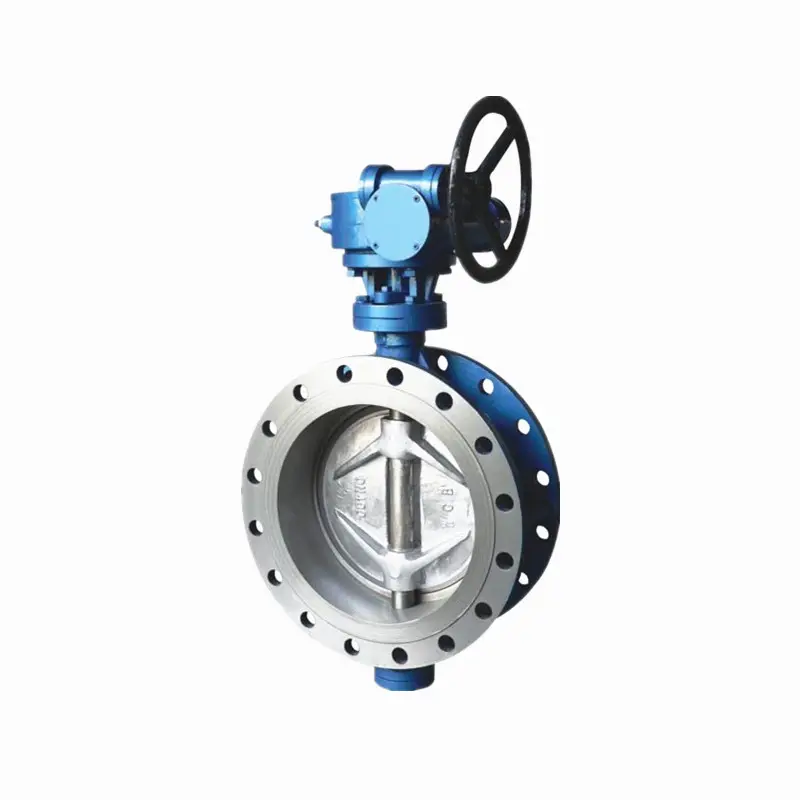
Applications of Triple Offset Butterfly Valves:
- Chemical Industries and Processing: TOBVs are employed in chemical plants for precise flow control and isolation.
- Desalination: These valves play a vital role in desalination plants, ensuring efficient water treatment processes.
- Energy and Power Generation: TOBVs are used in power plants, including nuclear, thermal, and renewable energy facilities.
- LNG Storage and Transportation: Triple offset butterfly valves are crucial in liquefied natural gas (LNG) storage and distribution systems.
- Marine Applications: They find use in marine industries for shipboard systems and offshore platforms.
- Oil and Gas (Midstream and Downstream): TOBVs are essential for controlling flow in pipelines, refineries, and petrochemical plants.
- Petrochemical Industry: These valves handle aggressive chemicals and high pressures.
- Pulp and Paper Industry: TOBVs contribute
Maintenance for Triple Offset Butterfly Valves:
Maintenance methods to ensure the triple eccentric butterfly valve operates:
- Regularly examine the valve’s sealing capability, ensuring the surface remains intact to avert potential leaks.
- Ensuring the valve maintains its maneuverability involves regularly lubricating its bearings and seals, thus improving its smooth operation.
- It’s essential to routinely clean both the interior and exterior of the valve to prevent the accumulation of dust or debris, which may disrupt its normal functioning.
The triple eccentric butterfly valve finds extensive utility across various applications. They play a pivotal role in fluid media management, ensuring system stability and safety. So prioritizing maintenance for triple eccentric butterfly valves and promptly addressing any malfunctions are imperative steps toward enhancing production efficiency and ensuring equipment reliability.

Mar 21, 2024 | News
In the field of fluid control systems, it is crucial to explore the complexity of various butterfly valves, including three eccentric and eccentric types. These valves are renowned for their innovative design and excellent performance, and have become indispensable elements in various industries. With the progress of mechanical engineering, the continuous development of specialized butterfly valve dimension will affect the development of fluid control systems in the coming years.
The Comparative Analysis
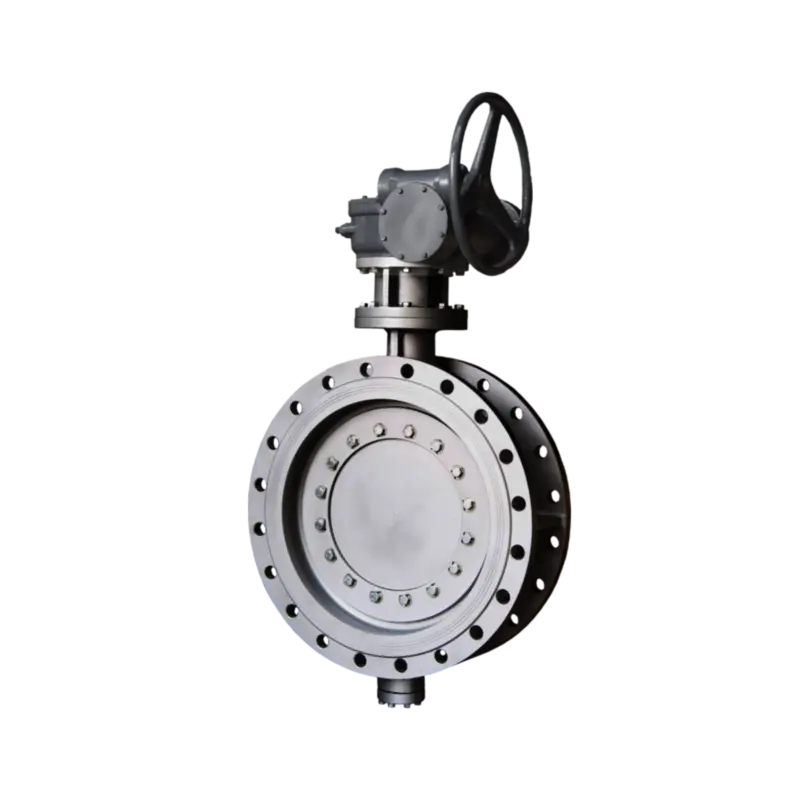
Although double eccentric valves offer greater ability to withstand high pressures and temperatures than standard butterfly valves, they do not match the performance of triple eccentric butterfly valve. With their extra eccentricity, triple eccentric valves provide superior sealing and extended service life.
The double offset butterfly valve, recognized as a high-performance variant, features two offsets. The initial offset permits the valve disc to rotate freely without making contact with the valve body, while the second offset facilitates the disc’s movement in and out of the sealing area, effectively minimizing wear and tear.
Conversely, an offset butterfly valve belongs to the category of quarter-turn valves utilized for regulating fluid flow via a circular disc or vane. Unlike conventional designs, the axis of this valve is offset from the center-line of the pipe. It is important to note that offset butterfly valves are usually double or triple offset designs.
Offset Butterfly Valves
The intricate engineering of the triple eccentric butterfly valve renders it apt for environments characterized by elevated pressure and temperature conditions, surpassing the capabilities of conventional valve types. Moreover, its bi-directional operation capability enhances its versatility, further solidifying its utility across various applications.
This ingenious design provides numerous advantages. By eliminating friction, the life of the valve is extended and durability is enhanced, reducing maintenance requirements. In addition, safety seals ensure zero leakage, a vital feature especially in critical areas such as the oil and gas industry.
Triple Eccentric Butterfly Valves, also known as Triple Eccentric Butterfly Valves, are a marvel of mechanical engineering. They have a design that eliminates friction between the valve flap and seat. This unique characteristic is attributed to the three offsets in the valve design: two are placed on the shaft regarding the centerline of the bore, and the third is the inclination of the seating plane, which ensures a tight seal with the disc.
Exploring Triple Eccentric Butterfly Valves
In the rapidly changing industrial world, the importance of China butterfly valves in fluid control systems remains crucial. Triple eccentric and eccentric butterfly valves stand out in wafer type butterfly valve arrays due to their unique characteristics and excellent performance. This article aims to delve into the complexity of these specialized valves, gain a deeper understanding of their design, functionality, and practical applications.
Although both three eccentric butterfly valves and eccentric butterfly valves have obvious advantages, the decision between the two ultimately depends on the specific application and performance standards. The three eccentric butterfly valve is known for its ability to withstand high pressure and high temperature, while ensuring leak free operation, and has been proven to be the best choice for key functions in the chemical and petroleum industries. In contrast, bias butterfly valves, characterized by their dual bias configuration, strike a balance between performance and cost-effectiveness, making them suitable for a wider range of applications.

