
Móc 20, 2024 | Aktualności
In the complex world of industrial and infrastructure systems, the ability to precisely regulate the flow of fluids and gases is of paramount importance. At the forefront of this critical industry is TWT, a leading center line butterfly valve manufacturer in China, offering a comprehensive range of innovative butterfly valve solutions, including the powerful and versatile potrójny mimośrodowy zawór motylkowy.
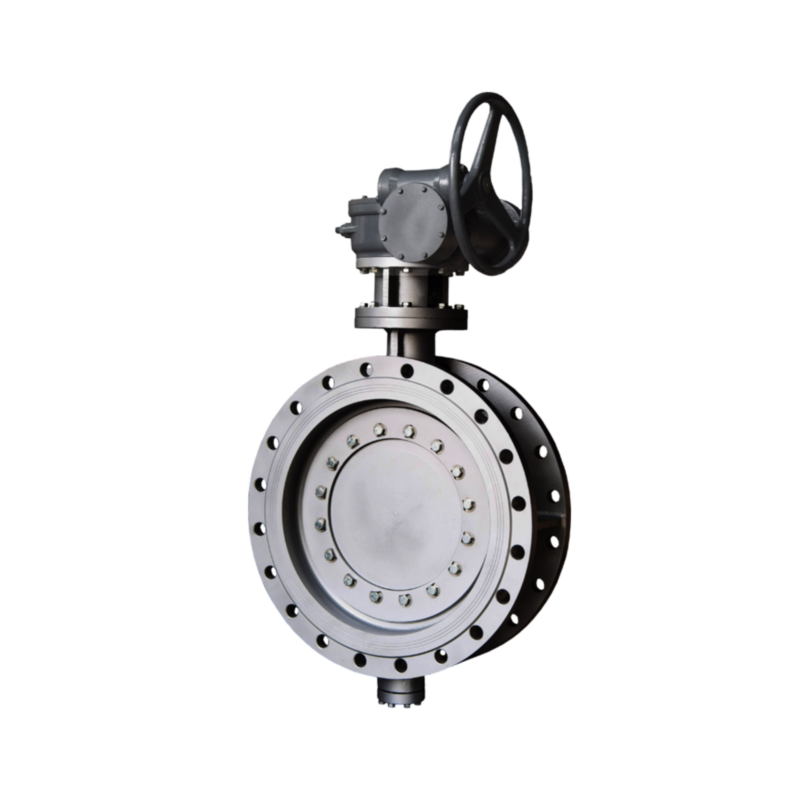
Understanding Triple Eccentric Butterfly Valves from TWT
Triple eccentric butterfly valves, as the name suggests, feature a unique design that sets them apart from traditional butterfly valve designs. These valves are characterized by three distinct axes of eccentricity, which provide several key advantages over conventional butterfly valves.
TWT, a renowned zawór motylkowy linii środkowej manufacturer in China, has earned a reputation for producing high-quality triple eccentric butterfly valves that deliver exceptional performance, niezawodność, and versatility. Leveraging their expertise in metalworking and a deep understanding of fluid dynamics, TWT’s triple eccentric butterfly valves are engineered to excel in even the most demanding applications.
Triple Eccentric Butterfly Valves vs. Offset Butterfly Valves
While both triple eccentric butterfly valves and przesunięty zawór motylkowy serves the purpose of regulating fluid and gas flow, there are notable differences between the two:
- Eccentricity: As the name implies, triple eccentric butterfly valves have three distinct axes of eccentricity, while offset butterfly valves have a single axis of eccentricity.
- Sealing Mechanism: The triple eccentric design of TWT’s butterfly valves allows for a more robust and reliable sealing mechanism, as the three axes of eccentricity create a tighter seal against the valve seat.
- Torque Requirements: Due to the unique eccentricity and sealing design, triple eccentric butterfly valves generally require lower operating torque compared to offset butterfly valves, making them easier to actuate and control.
- Ocena ciśnienia: TWT’s triple eccentric butterfly valves are typically capable of handling higher pressure ratings than offset butterfly valves, making them suitable for more demanding applications.
- Wszechstronność: The triple eccentric design of TWT’s butterfly valves allows for a wider range of applications, as they can accommodate larger valve sizes and higher pressure requirements compared to offset butterfly valves.
Applications of Triple Eccentric Butterfly Valves
TWT’s triple eccentric butterfly valves find widespread use in a variety of industrial and infrastructure settings, showcasing their versatility and suitability for diverse applications:
- Power Generation: In power generation plants, triple eccentric butterfly valves play a critical role in controlling the flow of coolants, steam, i inne płyny, ensuring the efficient and safe operation of the system.
- Oil and Gas Industry: W przemyśle naftowym i gazowym, these butterfly valves are relied upon to handle the demands of high-pressure and potentially corrosive environments, maintaining the integrity of pipelines and processing equipment.
- Water and Wastewater Treatment: Triple eccentric butterfly valves are extensively utilized in water distribution and wastewater treatment facilities, where their reliable performance and resistance to corrosion are crucial.
- HVAC Systems: TWT’s triple eccentric butterfly valves are commonly employed in heating, ventilation, and air conditioning (HVAC) systems, regulating the flow of fluids and gases to maintain optimal system performance.
- Chemical and Petrochemical Plants: In the chemical and petrochemical industries, these butterfly valves are used to control the flow of various process fluids and gases, ensuring safe and efficient operations.
Advantages of TWT’s Triple Eccentric Butterfly Valves
TWT’s triple eccentric butterfly valves offer several key advantages that make them a preferred choice among industry professionals:
- Exceptional Durability: The robust construction of TWT’s triple eccentric butterfly valves, featuring cast iron or ductile iron bodies and high-quality sealing materials, ensures exceptional strength and resistance to wear, even in demanding environments.
- Odporność na korozję: TWT’s butterfly valves are designed to withstand corrosion, making them suitable for use in a wide range of applications, including those involving water, chemicals, or other corrosive media.
- Precise Flow Control: The unique triple eccentric design of these valves provides precise and reliable flow control, allowing users to efficiently regulate the system’s operations.
- Energy Efficiency: TWT’s triple eccentric butterfly valves typically require lower operating torque, which can lead to reduced energy consumption and operating costs.
- Wszechstronność: The versatile design of TWT’s triple eccentric butterfly valves allows them to accommodate a wide range of valve sizes and pressure ratings, making them suitable for a diverse array of industrial and infrastructure applications.
Wniosek
TWT, a leading center line butterfly valve manufacturer in China, has established itself as a trailblazer in the production of innovative and high-performing butterfly valve solutions, with the triple eccentric butterfly valve being a standout in their portfolio. These fluid control powerhouses have become indispensable components in the infrastructure of various industries, from power generation and oil and gas to water treatment and HVAC systems.
kwiecień 2, 2024 | Aktualności
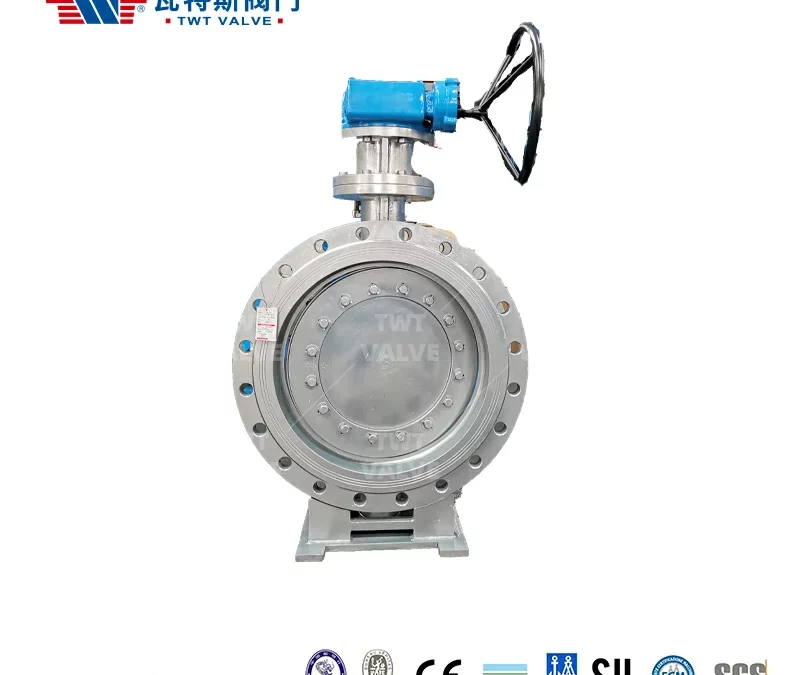
Zawór motylkowy z potrójnym przesunięciem, znany również jako potrójny mimośrodowy zawór motylkowy, to zaawansowany typ przepustnicy, który zawiera trzy różne przesunięcia, aby osiągnąć doskonałą skuteczność uszczelnienia. Rodzaje i zastosowania zaworów motylkowych z potrójnym przesunięciem (znane również jako potrójne zawory mimośrodowe):
Rodzaje zaworów motylkowych z potrójnym przesunięciem:
Zawór motylkowy z zerowym przesunięciem:
W tym konkretnym układzie, wał zaworu jest celowo odsunięty od środkowej osi gniazda zaworu. Tarcza lub płyta utrzymuje idealne wyrównanie z gniazdem, pozbawiony jakiejkolwiek ekscentryczności. Zawory motylkowe z zerowym przesunięciem znajdują szerokie zastosowanie w różnych sektorach przemysłu.
Zawór motylkowy z pojedynczym przesunięciem:
Tarcza jest umieszczona mimośrodowo w stosunku do gniazda zaworu. To przesunięcie pozwala na lepszą skuteczność uszczelnienia. Zawory motylkowe z pojedynczym przesunięciem są stosowane w kluczowych scenariuszach wymagających precyzyjnego zamknięcia.
Zawór motylkowy z podwójnym przesunięciem:
Oprócz przesunięć wału i tarczy, trzecie przesunięcie jest utworzone przez stożkową powierzchnię uszczelniającą. Zawory motylkowe z podwójnym przesunięciem doskonale wytrzymują warunki wysokiego ciśnienia i wysokiej temperatury. Oprócz przesunięć wału i tarczy, powierzchnia uszczelniająca jest stożkowa, tworząc trzecie przesunięcie. Zawory motylkowe z podwójnym przesunięciem nadają się do środowisk o wysokim ciśnieniu i wysokiej temperaturze. Oferują ulepszone możliwości uszczelniania w porównaniu do zaworów z pojedynczym przesunięciem.
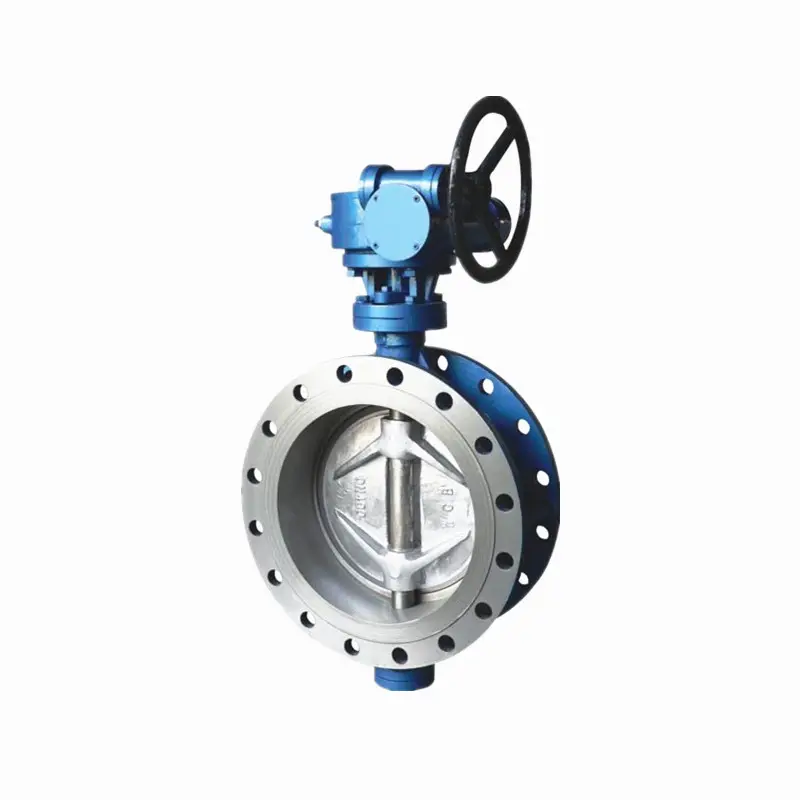
Najbardziej zaawansowany typ w tej grupie, TOBV zawiera trzy różne offsety: Przesunięcie wału.
Przesunięcie powierzchni uszczelniającej. TOBV zapewnia doskonałe właściwości uszczelniające, nawet w ekstremalnych warunkach. Jest szeroko stosowany w krytycznych zastosowaniach, w których kluczowe znaczenie ma zerowy wyciek.
Zastosowania zaworów motylkowych z potrójnym przesunięciem:
- Przemysł chemiczny i przetwórstwo: TOBV są stosowane w zakładach chemicznych do precyzyjnej kontroli przepływu i izolacji.
- Odsolenie: Zawory te odgrywają kluczową rolę w zakładach odsalania, zapewnienie efektywnych procesów uzdatniania wody.
- Energia i wytwarzanie energii: TOBV są wykorzystywane w elektrowniach, w tym jądrowy, termiczny, i obiekty wykorzystujące energię odnawialną.
- Magazynowanie i transport LNG: Zawory motylkowe z potrójnym przesunięciem mają kluczowe znaczenie w przypadku skroplonego gazu ziemnego (LNG) systemy magazynowania i dystrybucji.
- Zastosowania morskie: Znajdują zastosowanie w przemyśle morskim do systemów pokładowych i platform morskich.
- Olej i gaz (Środkowy i dolny bieg): TOBV są niezbędne do kontrolowania przepływu w rurociągach, rafinerie, i zakłady petrochemiczne.
- Przemysł petrochemiczny: Zawory te obsługują agresywne chemikalia i wysokie ciśnienia.
- Przemysł celulozowo-papierniczy: TOBV wnoszą swój wkład
Mutrzymanie dla TZawory motylkowe z przesunięciem tętniącym:
Metody konserwacji zapewniające działanie potrójnego mimośrodowego zaworu motylkowego:
- Regularnie sprawdzaj szczelność zaworu, upewniając się, że powierzchnia pozostaje nienaruszona, aby zapobiec potencjalnym wyciekom.
- Zapewnienie zwrotności zaworu wymaga regularnego smarowania jego łożysk i uszczelek, poprawiając w ten sposób jego płynność działania.
- Rutynowe czyszczenie zarówno wewnętrznej, jak i zewnętrznej części zaworu jest niezbędne, aby zapobiec gromadzeniu się kurzu i zanieczyszczeń, co może zakłócić jego normalne funkcjonowanie.
Potrójny mimośrodowy zawór motylkowy znajduje szerokie zastosowanie w różnych zastosowaniach. Odgrywają kluczową rolę w zarządzaniu mediami płynnymi, zapewnienie stabilności i bezpieczeństwa systemu. Zatem nadanie priorytetu konserwacji potrójnych mimośrodowych zaworów motylkowych i niezwłoczne zajęcie się wszelkimi awariami to niezbędne kroki w kierunku zwiększenia wydajności produkcji i zapewnienia niezawodności sprzętu.

Mar 21, 2024 | Aktualności
In the field of fluid control systems, it is crucial to explore the complexity of various butterfly valves, including three eccentric and eccentric types. These valves are renowned for their innovative design and excellent performance, and have become indispensable elements in various industries. With the progress of mechanical engineering, the continuous development of specialized butterfly valve dimension will affect the development of fluid control systems in the coming years.
The Comparative Analysis
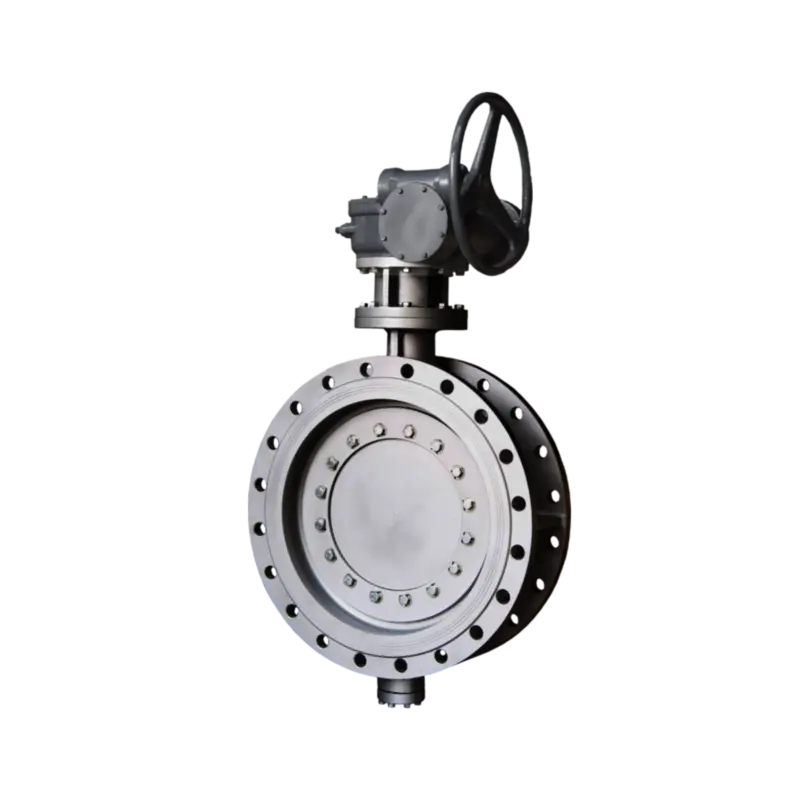
Although double eccentric valves offer greater ability to withstand high pressures and temperatures than standard butterfly valves, they do not match the performance of potrójny mimośrodowy zawór motylkowy. With their extra eccentricity, triple eccentric valves provide superior sealing and extended service life.
The double offset butterfly valve, recognized as a high-performance variant, features two offsets. The initial offset permits the valve disc to rotate freely without making contact with the valve body, while the second offset facilitates the disc’s movement in and out of the sealing area, effectively minimizing wear and tear.
Conversely, an offset butterfly valve belongs to the category of quarter-turn valves utilized for regulating fluid flow via a circular disc or vane. Unlike conventional designs, the axis of this valve is offset from the center-line of the pipe. It is important to note that offset butterfly valves are usually double or triple offset designs.
Offset Butterfly Valves
The intricate engineering of the triple eccentric butterfly valve renders it apt for environments characterized by elevated pressure and temperature conditions, surpassing the capabilities of conventional valve types. Ponadto, its bi-directional operation capability enhances its versatility, further solidifying its utility across various applications.
This ingenious design provides numerous advantages. By eliminating friction, the life of the valve is extended and durability is enhanced, reducing maintenance requirements. Ponadto, safety seals ensure zero leakage, a vital feature especially in critical areas such as the oil and gas industry.
Potrójne ekscentryczne zawory motylkowe, also known as Triple Eccentric Butterfly Valves, are a marvel of mechanical engineering. They have a design that eliminates friction between the valve flap and seat. This unique characteristic is attributed to the three offsets in the valve design: two are placed on the shaft regarding the centerline of the bore, and the third is the inclination of the seating plane, which ensures a tight seal with the disc.
Exploring Triple Eccentric Butterfly Valves
In the rapidly changing industrial world, the importance of China butterfly valves in fluid control systems remains crucial. Triple eccentric and eccentric butterfly valves stand out in wafer type butterfly valve arrays due to their unique characteristics and excellent performance. This article aims to delve into the complexity of these specialized valves, gain a deeper understanding of their design, funkcjonalność, and practical applications.
Although both three eccentric butterfly valves and eccentric butterfly valves have obvious advantages, the decision between the two ultimately depends on the specific application and performance standards. The three eccentric butterfly valve is known for its ability to withstand high pressure and high temperature, while ensuring leak free operation, and has been proven to be the best choice for key functions in the chemical and petroleum industries. In contrast, bias butterfly valves, characterized by their dual bias configuration, strike a balance between performance and cost-effectiveness, making them suitable for a wider range of applications.

