Gate valves are essential components of pipeline systems that help regulate the flow of fluids. There are several types of gate valves, each with its unique design and function. In this article, we will discuss the different types of gate valves, their features, and their applications.
Introduction
Gate valves are popular in pipeline systems to control the flow of fluids. These valves designing to open and close by moving a gate up and down, allowing or blocking the flow of fluids. There are several types of gate valves available, each with its unique design and function. In this article, we will discuss the different types of reslient seat gate valve, their features, and their applications.
Rising Stem Gate Valve
The rising stem gate valve is the most common gate valves types. It features a gate that moves up and down along with the valve stem. Which is also visible outside the valve. This design allows for easy monitoring of the valve’s position. And makes it easy to replace the valve’s packing without removing the valve from the pipeline system. Rising stem gate valves play an important role in water and sewage systems. Oil and gas pipelines, and other industrial applications.
Non-Rising Stem Gate Valve
The non-rising stem gate valve features a gate that moves up and down without moving the valve stem. The stem threads into the gate and the valve’s position is indicated by a pointer or indicator on the valve body. Non-rising stem gate valves are popular in underground pipelines, fire protection systems, and other applications where valve accessibility is limited.
Wedge Gate Valve
The wedge gate valve features a tapered gate that wedges between two seats in the valve body, creating a tight seal. The wedge gate valve is commonly used in high-pressure systems, such as steam pipelines, chemical processing plants, and power plants. These types of gate valves are also available in a double-disc design, which helps reduce the valve’s operating torque.
Parallel Slide Gate Valve
The parallel slide gate valve features two parallel gates that move up and down simultaneously, creating a parallel opening for fluid flow. This design reduces the valve’s operating torque and makes it more suitable for high-temperature and high-pressure applications. Parallel slide gate valves are famous in power plants, oil and gas pipelines, and other industrial applications.
Knife Gate Valve
The knife gate valve features a sharp-edged gate that cuts through solids, such as slurry or wastewater, and creates a seal against the valve’s body. This type of valve is popular in mining, pulp and paper, and wastewater treatment applications.
Summary
In summary, gate valves are essential components of pipeline systems that help regulate the flow of fluids. There are several types of gate valves available, each with its unique design and function. The rising stem gate valve is the most common type, followed by the non-rising stem gate valve, wedge gate valve, parallel slide gate valve, and knife gate valve. Each type of gate valve has its unique features and applications, making it essential to choose the right valve for each pipeline system.
As pipeline systems continue to evolve, gate valve manufacturers are constantly developing new designs and features to meet the industry’s changing needs. By understanding the different types of gate valves available, pipeline system operators can make informed decisions about their installation, resulting in improved efficiency, longevity, and safety.
Air release valves are essential components of pipeline systems that help maintain their efficiency and longevity. These valves offer several technical advantages, including preventing pipeline damage, reducing energy consumption, and improving system performance. This article discusses the technical advantages of air release valves in detail, along with examples and a summary of their benefits.
Introduction
Air release valves are critical components of pipeline systems that help in the efficient and safe transportation of fluids. These valves are designed to release air and other gases that accumulate in the pipeline, ensuring that the fluid flows smoothly and without interruption. In this article, we will discuss the technical advantages of valves and how they improve the performance of pipeline systems.
Preventing Pipeline Damage
One of the primary technical advantages of valves is that they prevent pipeline damage. When air accumulates in a pipeline, it can cause blockages and pressure surges, leading to damage to the pipeline. Air release valves prevent this by releasing the air, maintaining a constant flow of fluid, and preventing the buildup of pressure.
Reducing Energy Consumption
Air release valves also help in reducing energy consumption in pipeline systems. When air accumulates in a pipeline, it creates resistance to the flow of fluid, leading to an increase in energy consumption. By releasing the air, this type of valve reduces resistance, enabling the fluid to flow more efficiently, and reducing energy consumption.
Improving System Performance
In addition to preventing pipeline damage and reducing energy consumption, these valves also improve system performance. By maintaining a constant flow of fluid, these valves help in improving the accuracy of flow measurement, enabling more precise control of the system. This, in turn, leads to increased efficiency and reduced costs.
Moreover, these valves also prevent water hammer, a phenomenon that occurs when fluid velocity changes suddenly. Leading to pressure surges that can damage the pipeline system. Air release valves prevent water hammers by releasing air. And maintaining a constant flow of fluid, preventing sudden changes in velocity.
Examples
To illustrate the technical advantages of these valves, consider the following examples:
Example 1: A pipeline system in a manufacturing plant accumulates air. Leading to blockages and pressure surges, resulting in damage to the pipeline. By installing these valves, the plant can prevent pipeline damage, reduce energy consumption, and improve system performance.
Example 2: A water distribution system in a city experiences water hammer due to sudden changes in water velocity, leading to pipeline damage and disruptions in the water supply. By installing these valves, the city can prevent water hammer, improving the efficiency and longevity of the pipeline system.
Summary
In summary, air release valves offer several technical advantages, including preventing pipeline damage, reducing energy consumption, and improving system performance. By releasing air and maintaining a constant flow of fluid, these valves ensure that pipeline systems operate efficiently and safely. These valves are essential components of pipeline systems, and their installation can result in significant cost savings and improved system performance.
In conclusion, air release valves are crucial components of pipeline systems that offer several technical advantages. From preventing pipeline damage to reducing energy consumption and improving system performance, these valves play a critical role in the efficient and safe transportation of fluids. By understanding their benefits, pipeline system operators can make informed decisions about their installation, resulting in cost savings and improved performance.
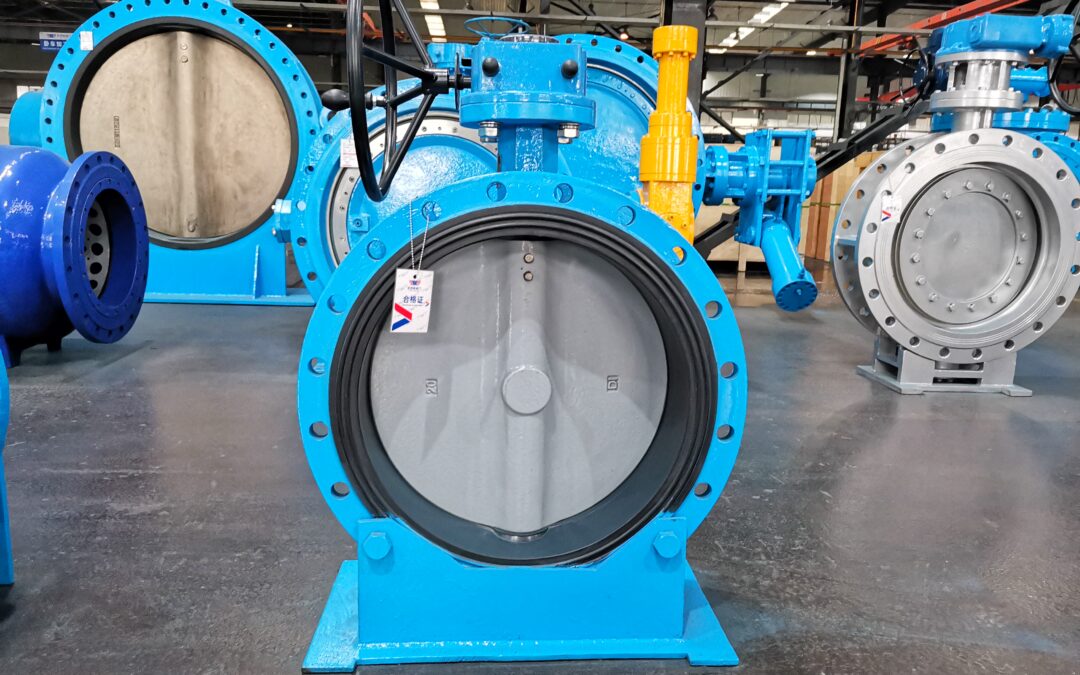
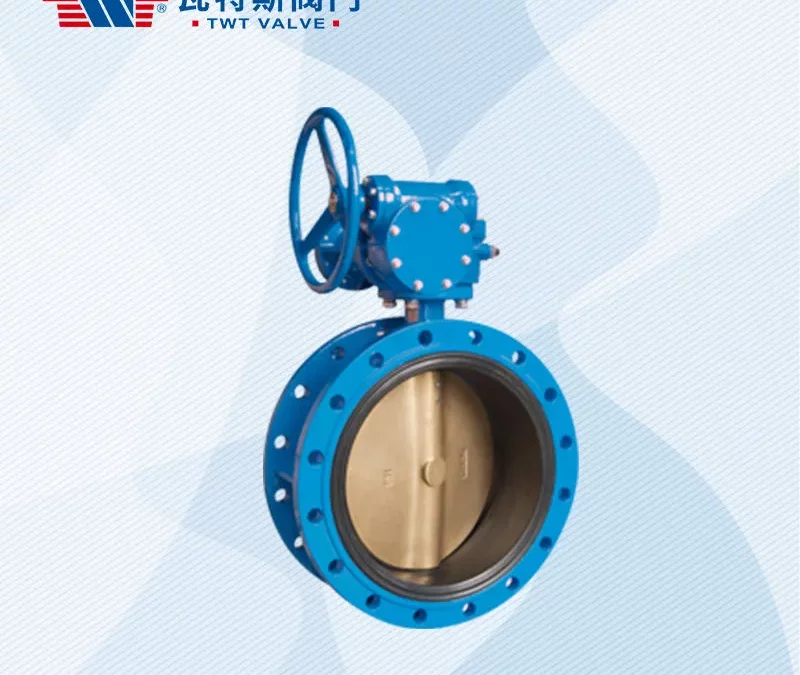
Butterfly valves are widely used in fluid control systems due to their compact design, easy operation and cost-effectiveness. Double flange butterfly valves, also called between flange valves, feature a flanged body construction that allows them to be easily installed between flanged pipe ends.
China has emerged as a major manufacturer and supplier of double flange butterfly valves, offering high quality products at competitive prices.
Here Are Some Advantages Of Choosing China-made Double Flange Butterfly Valves:
Variety of materials – China manufacturers provide valves made from various materials to suit different applications. Common options include cast iron, stainless steel, carbon steel, alloy steel, and more.
Multiple sizes – Double flange butterfly valves from China are available in a wide range of sizes from 1″ to 120″ to match different pipe diameters.
High performance – China valves meet international standards and offer excellent sealing, durability and functioning. Popular standards include ISO, ANSI, DIN and JIS.
Competitive pricing – Benefiting from China’s low manufacturing costs, competitive economies of scale and efficient supply chains, China double flange butterfly valve offers good value for money.
Short lead times – With established supply chains and large-scale production capabilities, China factories can efficiently deliver valves within short lead times to meet project schedules.
Reliable quality – Reputable China manufacturers have implemented advanced quality management systems to ensure consistent valve quality through stringent processes and inspections.
Customization options – Leading China factories offer flexible customization options to meet unique project requirements in terms of materials, dimensions, ratings, connections, and more.
Aftersales support – Major China suppliers provide good aftersales service including spare parts supply, installation guidance, maintenance advice and more.
IP protection – The Chinese government offers foreign IP owners improved protection for their valve intellectual property and registered trademarks.
Choosing the right swing check valve supplier is critical to ensuring high quality, reliable valves for your application. Swing check valves are commonly used in pipelines to prevent backflow and allow forward flow. They have a disc that swings away from the seat to open the valve and allow flow in one direction, and the disc swings back when flow reverses to close against the seat preventing backflow.
When evaluating swing check valve suppliers, Here are some key things to consider:
• Experience and expertise. Look for a supplier with deep expertise and experience in swing check valves and backflow prevention. They will understand how to properly size and select valves for your specific needs. They should have a proven track record of supplying high-quality, reliable swing check valves.
• Range of options. Choose a supplier that offers a wide range of swing check valve types, sizes and materials of construction to suit your particular application. Common options include wafer style or full-body valves in sizes from 2 inches to 48 inches, in materials from ductile iron to exotic alloys. They should offer manual and automated valves as needed.
• High quality and durability. Swing check valves are a crucial component in many systems, so you need a supplier focused on high quality. Look for sturdy, durable valves with components like one-piece bodies, solid disc designs and seats made of wear-resistant materials. Higher quality valves will provide greater reliability and longevity.
• Value and service. Look for a supplier that offers swing check valves at a competitive price and also provides exceptional customer service. Things like application support, short lead times, technical information and troubleshooting support can provide value.
• Certifications. Choose a supplier with key certifications for swing check valves like ISO 9001 quality management certification. Industry-specific certifications may also apply depending on your needs. Certified suppliers demonstrate commitment to quality, ethics and technical excellence.
Common issues that can arise with swing check valves
• Leaking or imperfect seal.
• Disc sticking or binding.
• Noise or vibration.
• Fatigue or cracking.
Flow control is a critical aspect of various industries, including oil and gas, petrochemical, water treatment, and power generation. Ensuring the efficient management of liquids and gases is essential for the smooth operation of these industries. One such flow control device that has revolutionized the industry is the triple offset butterfly valve. This blog post will discuss the design, features, and applications of triple offset butterfly valves and how they have become a game changer in flow control technology.
Introduction To Butterfly Valves
Butterfly valves are a type of quarter-turn valve used to regulate or isolate the flow of a fluid. They consist of a disc mounted on a rotating shaft that can be turned to open, close, or throttle the flow. Butterfly valves are known for their compact design, low cost, and ease of operation.
There are three main types of butterfly valves:
Concentric butterfly valve: The stem, disc, and seat are all concentrically aligned, resulting in a simple and cost-effective design. However, this type of valve is prone to leakage and wear, limiting its use in high-pressure applications.
Double offset butterfly valve: The stem and disc are offset from the seat, reducing friction and wear. This design improves sealing performance and extends the valve’s service life but may still not be suitable for high-pressure or high-temperature applications.
Triple offset butterfly valve: The most advanced butterfly valve design, featuring three separate offsets that virtually eliminate friction and wear, making it ideal for high-pressure and high-temperature applications.
Design And Features Of Triple Offset Butterfly Valves
The triple offset butterfly valve gets its name from the three distinct offsets incorporated into its design:
First offset: The shaft is placed behind the disc, creating an eccentric motion that reduces friction between the seat and the disc during operation.
Second offset: The shaft’s axis is offset from the valve’s centerline, resulting in a cam-like action as the disc rotates, further reducing friction and wear.
Third offset: The seat’s sealing surface is angled and offset from the disc’s sealing surface, creating a cone-shaped seat geometry. This design ensures a tight, bubble-tight seal and eliminates any rubbing or friction between the seat and disc during operation.
The triple offset design offers several advantages over traditional butterfly valves:
Zero leakage: The conical seat geometry provides a tight, bubble-tight seal, making triple offset butterfly valves suitable for critical applications where leakage is unacceptable.
Low friction and wear: The multiple offsets minimize friction and wear between the disc and seat, resulting in longer service life and reduced maintenance costs.
High-pressure and high-temperature capabilities: The robust design and materials used in triple offset butterfly valves allow them to handle high pressures and temperatures, making them suitable for a wide range of applications.
Bi-directional operation: Triple offset butterfly valves can be used for flow control in both directions, simplifying system design and reducing the number of valves required.
Applications Of Triple Offset Butterfly Valves
Due to their advanced features and capabilities, triple offset butterfly valves have found applications in various industries, including:
Oil and gas: For controlling the flow of oil, natural gas, and other hydrocarbon fluids in pipelines, refineries, and processing plants.
Petrochemical: In various processes such as ethylene production, where tight sealing and high-temperature capabilities are required.
Water treatment: For controlling the flow of water and other fluids in water treatment plants, desalination facilities, and pumping stations.
Power generation: In power plants, triple offset butterfly valves are used for cooling water systems, steam systems, and other high-pressure applications.
Pharmaceutical and food processing: In sanitary applications where cleanliness, hygiene, and tight sealing are critical.