Jun 30, 2023 | News
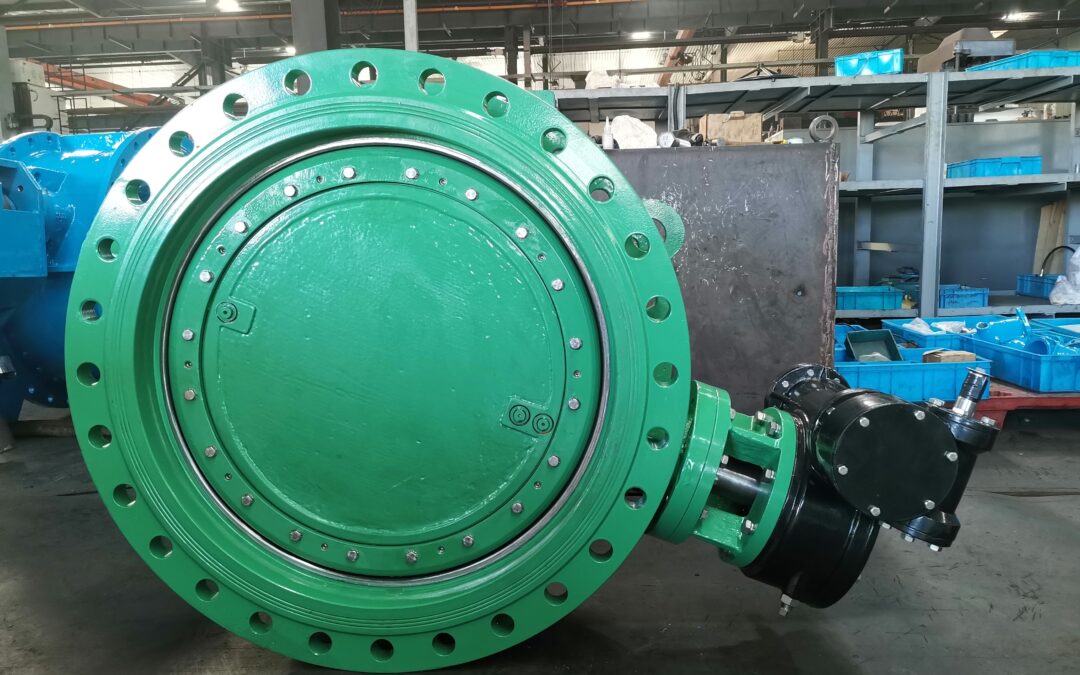
Butterfly valves are essential components in fluid control systems, offering efficient and reliable flow control. Among the various types available, the LT butterfly valve, U type butterfly valve, and HP butterfly valve stand out for their unique features and applications.
This article delves into the characteristics and uses of these three key valve types.

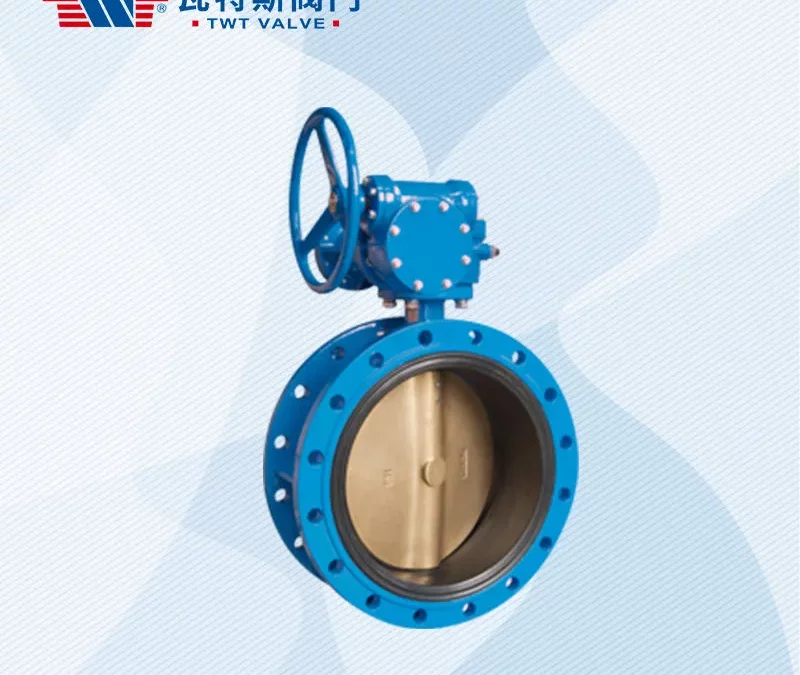
The LT butterfly valve, also known as the low torque butterfly valve, is designed to minimize operating torque and reduce energy consumption. It features a streamlined disc and a low-friction bearing system, allowing for smooth and efficient operation. This valve type is commonly used in applications where low torque requirements are essential, such as HVAC systems, water treatment plants, and food processing industries.
The LT butterfly valve is a low-torque butterfly valve designed to reduce operating torque and reduce energy consumption. It uses a streamlined disc and low friction bearing system for smooth and efficient operation. LT butterfly valves are commonly used in applications where low torque requirements are critical, such as HVAC systems, water treatment plants and the food processing industry.
Each valve type has its unique advantages, making them suitable for specific industries and requirements.
The U type butterfly valve is characterized by its U-shaped disc, which provides a larger flow area and reduces pressure drop. This valve type offers excellent flow control capabilities and is suitable for applications that require high flow rates and low pressure loss. It is commonly used in industries such as water distribution networks, irrigation systems, and wastewater treatment plants.
The U type butterfly valve is a butterfly valve with a U-shaped disc, which provides a larger flow area and reduces pressure loss. This valve type has excellent flow control and is suitable for applications requiring high flow rates and low drop. It is commonly used in industries such as water distribution networks, irrigation systems and sewage treatment plants.
The HP butterfly valve, also known as the high-performance butterfly valve, is designed to handle high-pressure and high-temperature applications. It features a robust construction and advanced sealing technology, ensuring reliable performance in demanding environments. This valve type offers excellent flow control capabilities and is commonly used in industries such as oil and gas, power generation, and chemical processing.
The HP butterfly valve is a high-performance butterfly valve designed to handle high pressure and high temperature applications. It uses robust construction and advanced sealing technology to ensure reliable performance in demanding environments. This valve type has excellent flow control capabilities and is commonly used in industries such as oil and gas, power generation and chemicals.
Whether it is for low torque operation, high flow rates, or demanding environments, these butterfly valves provide efficient and reliable solutions. By incorporating these valves into fluid control systems, industries can enhance performance, reduce energy consumption, and ensure optimal flow control.
Jun 29, 2023 | News
Butterfly valves have undergone significant advancements in design and functionality over the years. Among the various types available, the eccentric butterfly valve, double eccentric butterfly valve, and triple eccentric butterfly valve have revolutionized fluid control systems. An eccentric butterfly valve is a type of butterfly valve in which the disc is offset relative to the center line of the stem. This design enables an airtight seal and reduces friction during operation. Eccentric butterfly valves provide excellent flow control for switching and regulating applications. It is widely used in water treatment, HVAC system and chemical industry.
This article explores the features and applications of these three key valve types.

The eccentric butterfly valve features a disc that is offset from the centerline of the valve shaft, allowing for a bubble-tight seal and reduced friction during operation. This valve type offers excellent flow control capabilities and is suitable for both on-off and throttling applications. It is commonly used in industries such as water treatment, HVAC systems, and chemical processing.
The double eccentric butterfly valve takes the design of the eccentric butterfly valve a step further by incorporating a second offset, known as the double eccentricity. This design feature allows for a tighter seal and improved performance in high-pressure and high-temperature applications. The double eccentric butterfly valve is commonly used in industries such as oil and gas, power generation, and pulp and paper.A double eccentric butterfly valve is a butterfly valve that has two eccentricities relative to the center line of the stem. This design allows for tighter seals and higher performance, especially for high pressure and high temperature applications. Double eccentric butterfly valves provide excellent flow control and are commonly used in the oil and gas, power and paper industries.
The triple eccentric butterfly valve represents the pinnacle of butterfly valve design.
It features a third offset, known as the triple eccentricity, which completely eliminates friction during operation. This design allows for a bubble-tight seal, even in high-pressure and high-temperature environments. The triple eccentric butterfly valve is commonly used in critical applications such as oil refineries, chemical plants, and offshore platforms.A triple eccentric butterfly valve is a butterfly valve that has three eccentricities relative to the center line of the stem. This design completely eliminates friction during operation and achieves an airtight seal. The triple-eccentric butterfly valve provides excellent flow control and is particularly suitable for critical applications such as refineries, chemical plants and offshore platforms. It offers reliable performance in high-pressure and high-temperature environments.
Each valve type offers unique features and applications, making them suitable for a wide range of industries. Whether it is for precise flow control, high-pressure applications, or critical operations, these butterfly valves provide efficient and reliable solutions. As technology continues to evolve, butterfly valves are expected to further improve, driving advancements in fluid control systems across various sectors.

Jun 28, 2023 | News
Check valves play a crucial role in preventing backflow and ensuring the smooth operation of fluid systems. Among the various types available, the wafer dual plate check valve, single disc wafer check valve, and wafer double door check valve stand out for their efficiency and reliability.
This article explores the features and applications of these three key valve types.
The wafer dual plate check valve is designed for high-performance applications where space is limited. Its compact and lightweight design allows for easy installation between flanges. This valve type offers excellent sealing capabilities, preventing backflow and ensuring efficient fluid control. The wafer dual plate check valve usually consists of two metal discs that can be opened or closed under fluid pressure. This valve is suitable for various industrial fields, such as chemical, oil, natural gas and so on. It has compact design, easy installation, low flow resistance and high sealing performance.

It is commonly used in industries such as oil and gas, petrochemical, and water treatment.
The single disc wafer check valve is known for its simplicity and cost-effectiveness. It features a single disc that opens and closes with the flow of fluid, preventing backflow. This valve type is suitable for low-pressure applications and offers reliable performance in various industries, including HVAC systems, water distribution networks, and irrigation systems.The single disc wafer check valve is similar to the wafer dual plate check valve, but has only one metal disc. This disc can be opened or closed under fluid pressure to control the flow of fluid. It has compact design, easy installation, low flow resistance and high sealing performance.
The wafer double door check valve is designed to handle high-pressure and high-temperature applications. It features two doors that open and close independently, allowing for efficient flow control and preventing backflow. This valve type offers excellent sealing performance and is commonly used in industries such as power generation, chemical processing, and wastewater treatment.wafer double door check valve Used to control the flow direction of the fluid. Consists of two metal door panels that can be opened or closed under fluid pressure. The wafer double door check valve is similar to the wafer dual plate check valve, but its door plate design is more special, which can provide better sealing performance and fluid control.
In conclusion, the wafer dual plate check valve, single disc wafer check valve, and wafer double door check valve are three key valve types that provide efficiency and reliability in preventing backflow. Each valve type has its unique features and applications, making them suitable for a wide range of industries. Whether it is for limited space installations, low-pressure applications, or high-pressure and high-temperature environments, these check valves offer efficient and effective solutions for fluid control systems.
Jun 27, 2023 | News
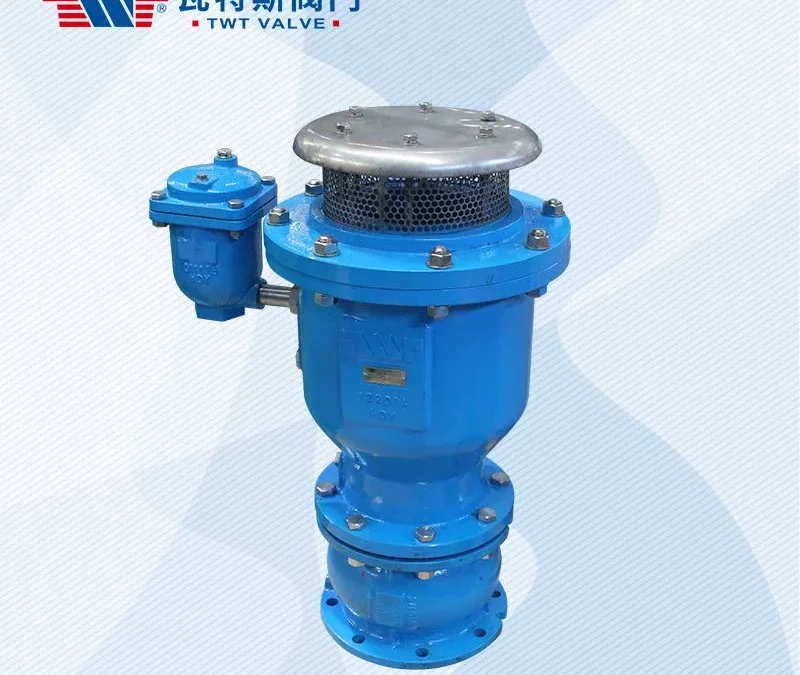
Air valves play a crucial role in maintaining the efficiency and safety of fluid systems by releasing trapped air and preventing vacuum formation. Among the various types available, the air relief valve, quick release air valve, and cast iron air valve stand out for their effectiveness and reliability.
Air drain valve A valve used to drain air from a pipe.

This article explores the features and applications of these three key valve types.The air relief valve is designed to automatically release air from pipelines, ensuring optimal performance and preventing damage caused by air pockets. It features a float mechanism that rises with the accumulation of air and opens the valve, allowing air to escape. This valve type is commonly used in water distribution networks, irrigation systems, and wastewater treatment plants to maintain system efficiency and prevent water hammer.
It can automatically release the air in the pipe, preventing air accumulation and vacuum formation. Air drain valves are commonly used in applications such as water distribution networks, irrigation systems, and wastewater treatment plants to maintain system efficiency and prevent the occurrence of water hammering.
The quick release air valve is specifically designed to rapidly release large volumes of air from pipelines, preventing vacuum formation and ensuring efficient fluid flow. It features a large orifice and a quick-opening mechanism that allows for the swift release of air. This valve type is commonly used in high-pressure water supply systems, fire protection systems, and industrial applications where rapid air release is critical.Quick exhaust valves Valves designed to quickly discharge large amounts of air in a line to prevent vacuum formation and ensure efficient flow of fluids. It has a large aperture and a fast opening mechanism, which can quickly discharge air.
Cast iron exhaust valves are durable and reliable for discharging air from pipes.
The cast iron air valve is known for its durability and reliability in air release applications. It is designed to withstand high pressures and harsh operating conditions. This valve type features a float mechanism that rises with the accumulation of air, allowing for efficient air release. Cast iron air valves are commonly used in water distribution networks, sewage systems, and industrial processes where robust and long-lasting performance is required.It is designed to withstand high pressure and harsh working environments. This valve type uses a float mechanism that rises as air accumulates, enabling efficient exhaust. Cast iron exhaust valve
In conclusion, the air relief valve, quick release air valve, and cast iron air valve are three key valve types that enhance efficiency and safety in fluid systems. Each valve type offers unique features and applications, making them suitable for a wide range of industries. Whether it is for releasing trapped air, preventing vacuum formation, or ensuring optimal fluid flow, these air valves provide efficient and reliable solutions. By incorporating these valves into fluid systems, industries can improve performance, reduce maintenance costs, and enhance overall system safety.
Jun 26, 2023 | News
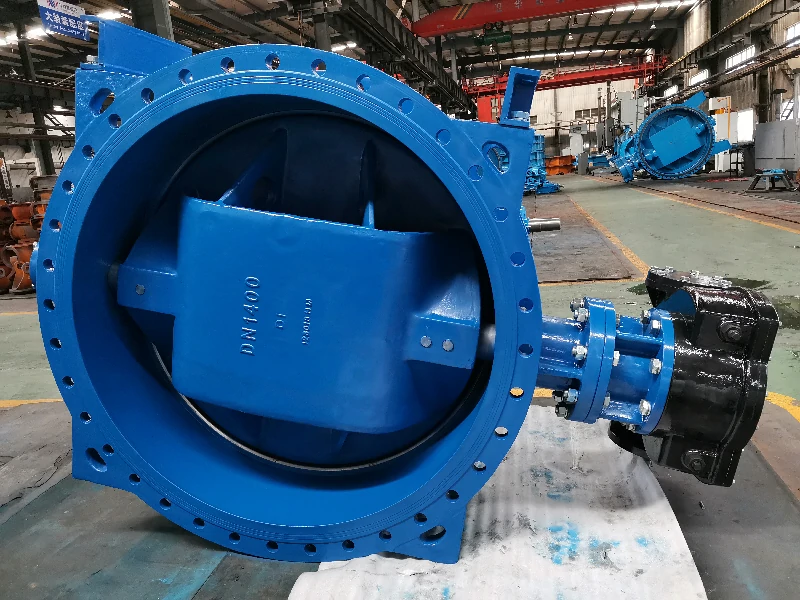
Butterfly valves are essential components in various industries, providing efficient control over fluid flow.Among the different types available, the large size double flange butterfly valve, double flanged butterfly valve, and lug type butterfly valve stand out for their versatility and reliability. This article explores the features and applications of these three key valve types.
The large size double flange butterfly valve is designed to handle high-pressure and high-temperature applications.

Its double flange design ensures a secure and leak-free connection between the valve and the pipeline. This type of valve offers excellent flow control capabilities, allowing for precise regulation of fluid flow rates. It is commonly used in industries such as oil and gas, chemical processing, and water treatment.
Similar to the large size double flange butterfly valve, the double flanged butterfly valve also features a double flange design for easy installation and maintenance. It is known for its compact size and lightweight construction, making it suitable for applications where space is limited. This valve type offers reliable shut-off capabilities and is commonly used in HVAC systems, water distribution networks, and fire protection systems.
The lug type butterfly valve is characterized by its lugs or threaded inserts on the valve’s body.
Allowing for easy installation and removal from the pipeline. This type of valve is highly versatile and can be used in both dead-end and bi-directional flow applications. It offers excellent sealing performance and is suitable for various industries, including food and beverage, pharmaceuticals, and wastewater treatment.
In conclusion, the large size double flange butterfly valve, double flanged butterfly valve, and lug type butterfly valve are three key valve types that offer versatility and reliability in fluid flow control. Each valve type has its unique features and applications, making them suitable for a wide range of industries. Whether it is for high-pressure applications, limited space installations, or versatile flow control requirements, these butterfly valves provide efficient and effective solutions.
The fluid control industry is witnessing a paradigm shift with the introduction of the large size double flange butterfly valve, double flanged butterfly valve, and lug type butterfly valve. These innovative valve types offer enhanced safety, reliability, and efficiency in fluid control systems. From high-pressure applications to limited space installations, these valves provide optimal solutions for a wide range of industries. As these valves continue to evolve, they are set to revolutionize fluid control and drive advancements in various sectors.



