Mar 26, 2024 | News
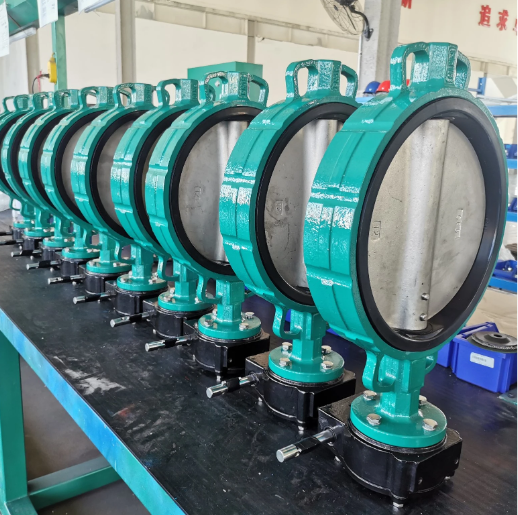
Among the array of industrial valves, TWT Valve hold undeniable significance across diverse systems. Serving as essential elements in fluid regulation and pressure management, these unpretentious valves are vital contributors to a myriad of industries. This piece delves into the nuanced workings of butterfly valves, dissecting their inner workings, practical applications, various types, associated benefits, and the defining characteristics that set them apart as truly exceptional components of fluid control systems.
Components of Butterfly Valve
At the heart of a butterfly valve lies its simple yet robust design. Consisting primarily of a metal disc mounted on a rod, the valve operates by rotating this disc to modulate flow. The disc, positioned in the center of the pipe, pivots on the rod, allowing for quick and precise control of fluid movement.
Underpinning this operation are two essential components: the valve body, serving as the housing for the disc, and the actuator, entrusted with the task of setting the disc in motion. To ensure seamless functionality, sealing is accomplished through the utilization of either elastomeric seals or resilient seats, guaranteeing a leak-free operation, even when subjected to high pressures.
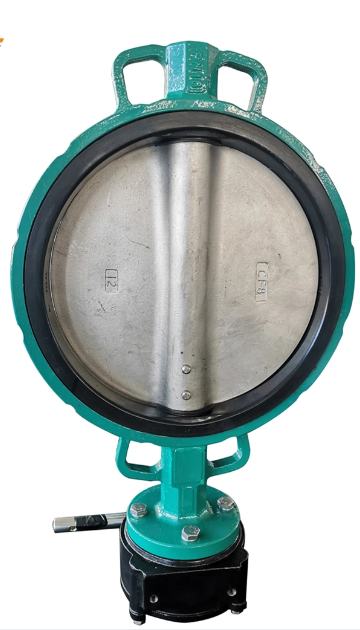
Diverse in their design, butterfly valves manifest in various types, each tailored to suit specific applications. Let’s delve into some of the primary variants:
- Concentric Disc Butterfly Valve:
- The most common type, where the disc center aligns with the valve body center when fully open.
- Suitable for low-pressure applications and offers cost-effectiveness.
- High Performance Eccentric Butterfly Valve:
- The disc is offset from the center of the valve body.
- Used for higher-pressure applications and provides better sealing capabilities.
- Extension Stem Butterfly Valve:
- Designed with an extended stem that allows for remote operation.
- To control the valve’s position from a safer and more convenient location.
- Single-Offset Butterfly Valve:
- The disc is offset from the center in a single direction.
- Balances cost-effectiveness and performance.
- Double-Offset Butterfly Valve:
- The disc has two offsets: one from the center and another from the seat.
- Ideal for high-performance applications, including throttling control.
- Triple-Offset Butterfly Valve:
- The disc has three offsets: center, seat, and shaft.
- Offers tight shut-off, minimal wear, and high durability.
- Commonly used in critical applications such as oil and gas.
- Based on End-Connection Styles:
- Wafer Butterfly Valve: Fits between pipe flanges without using bolts and nuts.
- Lug Butterfly Valve: Has threaded inserts (lugs) that allow removal without disturbing the pipeline.
- Flanged Butterfly Valve: Connects to flanged pipe ends.
- Butt-Welded Butterfly Valve: Welded directly to the pipeline.
Conclusion
In summary, butterfly valves are indispensable in fluid control systems, offering simplicity, efficiency, and versatility. Their streamlined design and wide applicability make them essential across industries globally. With advancing technology, innovation in butterfly valves ensures their leading position in fluid control solutions. From water distribution networks to chemical processing plants, butterfly valves consistently demonstrate their functionality and reliability, embodying essential principles in every operation.

Mar 25, 2024 | News
An air release valve for a water line is crucial to a water distribution system. It is designed to release air from the system, which helps to prevent damage to pipes and ensures a smooth flow of water. Today, we will explore the purpose and function of an air release valve for a water line, and why it is essential for maintaining a well-functioning water distribution system.
Air release valves for water lines are commonly used in residential and commercial settings where water pipes are subjected to extreme temperatures. They are particularly useful in areas where the water supply is prone to freezing, such as in colder climates or during periods of prolonged cold weather.
Purpose of an Air Release Valve for Water Line
The primary purpose of an air release valve for a water line is to remove air from the water distribution system. Air can enter the system through various means, such as when water is pumped into the system, when pipes are connected, or when there are leaks in the system. Not removing air can cause several problems, including reduced water pressure, pipe damage, and noise issues.

The function of an Air Release Valve for Water Line
An air release valve for the water line functions by allowing air to escape from the system while preventing water from escaping. The valve is designed to open and close automatically, allowing air to escape when the pressure in the system changes. When the pressure in the system decreases, the valve opens, allowing air to escape. When the pressure increases, the valve closes, preventing water from escaping.
Types of Air Release Valves for Water Line
There are two main types of air release valves for water lines: automatic and manual. Automatic air release valves are more common and are designed to open and close automatically based on pressure changes in the system. On the other hand, manual air release valves require manual operation to open and close.
Benefits of Air Release Valves for Water Line
Air release valves for water lines offer several benefits, including:
Prevents damage to pipes: Air in the system can cause pipes to vibrate and clang, leading to damage and leaks. An air release valve helps to remove air, reducing the risk of pipe damage.
Maintains water pressure: By removing air from the system, an air release valve helps to maintain consistent water pressure, ensuring a smooth flow of water.
Reduces noise: Air in the system can cause noise issues, such as banging and clanging. An air release valve helps to remove air, reducing noise issues.
Improves water quality: Air in the system can also affect water quality by introducing impurities. An air release valve helps to remove air, improving water quality.

Installation and Maintenance
Air release valves for the water line should be installed at high points in the system, where air is most likely to accumulate. They should be installed with a downward slope to allow air to escape easily. Regular maintenance is also essential to ensure the valve is functioning properly.
Conclusion
In conclusion, an air release valve for a water line is a crucial component in a water distribution system. It helps to remove air from the system, preventing damage to pipes. And maintaining water pressure, reducing noise, and improving water quality. By understanding the purpose, function, types, benefits, and installation. And the maintenance of an air release valve for a water line, you can ensure a well-functioning water distribution system.

Mar 21, 2024 | News
In the field of fluid control systems, it is crucial to explore the complexity of various butterfly valves, including three eccentric and eccentric types. These valves are renowned for their innovative design and excellent performance, and have become indispensable elements in various industries. With the progress of mechanical engineering, the continuous development of specialized butterfly valve dimension will affect the development of fluid control systems in the coming years.
The Comparative Analysis
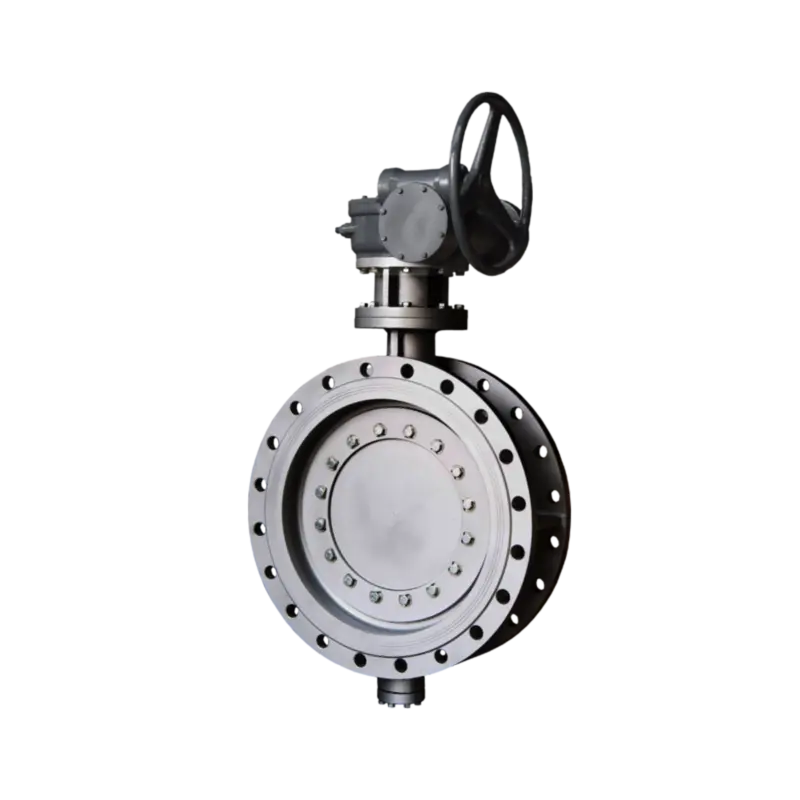
Although double eccentric valves offer greater ability to withstand high pressures and temperatures than standard butterfly valves, they do not match the performance of triple eccentric butterfly valve. With their extra eccentricity, triple eccentric valves provide superior sealing and extended service life.
The double offset butterfly valve, recognized as a high-performance variant, features two offsets. The initial offset permits the valve disc to rotate freely without making contact with the valve body, while the second offset facilitates the disc’s movement in and out of the sealing area, effectively minimizing wear and tear.
Conversely, an offset butterfly valve belongs to the category of quarter-turn valves utilized for regulating fluid flow via a circular disc or vane. Unlike conventional designs, the axis of this valve is offset from the center-line of the pipe. It is important to note that offset butterfly valves are usually double or triple offset designs.
Offset Butterfly Valves
The intricate engineering of the triple eccentric butterfly valve renders it apt for environments characterized by elevated pressure and temperature conditions, surpassing the capabilities of conventional valve types. Moreover, its bi-directional operation capability enhances its versatility, further solidifying its utility across various applications.
This ingenious design provides numerous advantages. By eliminating friction, the life of the valve is extended and durability is enhanced, reducing maintenance requirements. In addition, safety seals ensure zero leakage, a vital feature especially in critical areas such as the oil and gas industry.
Triple Eccentric Butterfly Valves, also known as Triple Eccentric Butterfly Valves, are a marvel of mechanical engineering. They have a design that eliminates friction between the valve flap and seat. This unique characteristic is attributed to the three offsets in the valve design: two are placed on the shaft regarding the centerline of the bore, and the third is the inclination of the seating plane, which ensures a tight seal with the disc.
Exploring Triple Eccentric Butterfly Valves
In the rapidly changing industrial world, the importance of China butterfly valves in fluid control systems remains crucial. Triple eccentric and eccentric butterfly valves stand out in wafer type butterfly valve arrays due to their unique characteristics and excellent performance. This article aims to delve into the complexity of these specialized valves, gain a deeper understanding of their design, functionality, and practical applications.
Although both three eccentric butterfly valves and eccentric butterfly valves have obvious advantages, the decision between the two ultimately depends on the specific application and performance standards. The three eccentric butterfly valve is known for its ability to withstand high pressure and high temperature, while ensuring leak free operation, and has been proven to be the best choice for key functions in the chemical and petroleum industries. In contrast, bias butterfly valves, characterized by their dual bias configuration, strike a balance between performance and cost-effectiveness, making them suitable for a wider range of applications.

Mar 20, 2024 | News
In the intricate infrastructure of fluid systems, gate valves stand as stalwarts, regulating flow with precision and reliability. Among the diverse array of gate valves, manual and underground variants play crucial roles in various applications. As leading gate valves manufacturer and supplier in China, today, TWT will delve into the world of gate valves, exploring their sizes, functionalities, and the specialized realm of underground applications.
Understanding Gate Valve Sizes:

Gate valve sizes are diverse, tailored to meet the varying flow demands across industries. These sizes are primarily determined by the diameter of the valve’s aperture, spanning from small to large dimensions. Common gate valve sizes encompass 1 inch, 2 inches, 4 inches, 6 inches, 8 inches, and larger diameters, with each size specifically designed to accommodate particular applications and flow rates.
Manual Gate Valve:
Manual gate valves represent the essence of straightforwardness and dependability in managing fluid flow. Utilizing either a hand-wheel or lever mechanism for operation, these valves contain a gate or wedge-shaped disc that shifts perpendicular to the flow direction, enabling the passage to either open or close. With their adaptability, manual gate valves are utilized across a spectrum of industries, ranging from oil and gas to water treatment, HVAC systems, and more.
Functionality of Manual Gate Valves:
Manual gate valves provide accurate flow regulation and secure shut-off features, rendering them suitable for both on/off operations and throttling applications. Their straightforward operation allows for quick adjustments in flow rates or complete closure when necessary. With minimal pressure drop and low maintenance requirements, manual gate valves are preferred in systems where reliability and efficiency are paramount.
Underground Gate Valve:
Designed specifically for installation underground, underground gate valves provide shielding from environmental elements while guaranteeing continuous flow within buried pipelines. Fabricated from robust materials and coated with corrosion-resistant layers, these valves are strengthened to endure the harsh underground conditions. They play critical functions in municipal water distribution networks, wastewater management systems, and underground utility infrastructures.
Advantages of Underground Gate Valves:
- Durability: Crafted from sturdy materials like ductile iron, cast iron, or stainless steel, underground gate valves are engineered to endure external pressures, withstand soil corrosion, and persist through exposure to groundwater.
- Reliability:Underground gate valves offer steady flow regulation, even in below-ground conditions, guaranteeing dependable operation and minimal maintenance needs over prolonged duration.
- Security: Housing vital valve components below ground level, these valves mitigate the risk of damage or unauthorized interference, thereby bolstering overall system safety and security.
Applications Of Manual And Underground Gate Valves:
- Water Distribution:Manual and underground gate valves are crucial elements of water distribution systems, enabling the smooth conveyance of water from its source to designated destinations. Whether managing flow rates within pipelines or segregating sections for maintenance purposes, gate valves are indispensable in guaranteeing the consistent and dependable supply of water to communities.
- Industrial Processes:Within industrial environments, manual gate valves find application across diverse processes including manufacturing, chemical processing, and power generation. Their durable build and precise flow regulation abilities render them adept at managing a broad spectrum of fluids and operating conditions.
- Underground Utilities:Buried underground gate valve are essential components of utility systems, encompassing gas pipelines, sewage networks, and telecommunications infrastructure. These valves serve a crucial role in regulating fluid flow, enabling efficient maintenance and repairs while minimizing disruptions to surface-level operations.
- Innovation and Future Trends:With the progression of technology, manufacturers of gate valves persistently innovate, integrating functionalities like remote monitoring, automation, and predictive maintenance. These enhancements bolster the efficiency, reliability, and safety of gate valves across diverse industries, laying the groundwork for more intelligent and robust fluid systems.
Manual and underground gate valves are essential elements within fluid systems, providing precise flow control and dependable performance across various applications. Whether through the straightforward operation of manual valves or the resilient installations of underground variants, these valves play pivotal roles in facilitating the efficient and secure transfer of fluids. As industries progress and infrastructure requirements expand, the versatility and adaptability of gate valves will continue to be indispensable in addressing the complexities of fluid flow management.

Mar 19, 2024 | News
This article provides a comprehensive guide on how to test a brake booster check valve. The brake booster check valve is critical to the braking system, ensuring proper functioning and safety. The article discusses the importance of the check valve and its applications. It then provides step-by-step instructions on how to test the check valve for any potential issues.
Introduction:
The brake booster check valve is a crucial part of the braking system, responsible for maintaining pressure and ensuring proper brake operation. Thus testing the check valve is essential to ensure its functionality and prevent potential issues. This article provides a detailed guide on effectively testing the check valve.

Applications:
The brake booster check valve finds its application in various vehicles, including cars, trucks, and motorcycles. It is primarily responsible for maintaining vacuum pressure in the brake booster, which assists in brake pedal operation. The check valve prevents the vacuum from escaping when the engine is turned off, ensuring consistent brake performance.
Testing the Check Valve:
To test the brake booster check valve, follow these steps:
1. Start the Engine: Begin by starting the engine and allowing it to reach operating temperature. This step ensures that the vacuum system is pressurized.
2. Locate the Check Valve: Identify the location of the check valve. It is typically situated between the brake booster and the vacuum hose connected to the engine.
3. Disconnect the Vacuum Hose: Carefully disconnect the vacuum hose from the check valve. Be cautious as there may be some residual vacuum pressure.
4. Inspect the Check Valve: Examine the check valve for any signs of damage, such as cracks or leaks. Replace the check valve if any issues are detected.
5. Perform the Suction Test: With the vacuum hose disconnected, apply suction to the check valve. This can be done using a hand-held vacuum pump or by creating a vacuum seal with your mouth. The check valve should hold the suction and not allow any air to pass through.
6. Test the Valve Operation: Reconnect the vacuum hose and start the engine. Depress the brake pedal several times and then turn off the engine. Listen for a hissing sound, which indicates that the check valve is functioning correctly. If no sound is heard, there may be a problem with the check valve.
7. Replace if Necessary: A faulty check valve can compromise the braking system’s performance and safety.

Conclusion:
Testing the brake booster check valve is crucial to ensure the proper functioning of the braking system. By following the step-by-step instructions provided in this article, readers can effectively test their brake booster check valve and identify any potential issues. Regular maintenance and inspection of the check valve are essential for maintaining optimal brake performance and ensuring safety on the road.



