Мар 26, 2024 | Новости
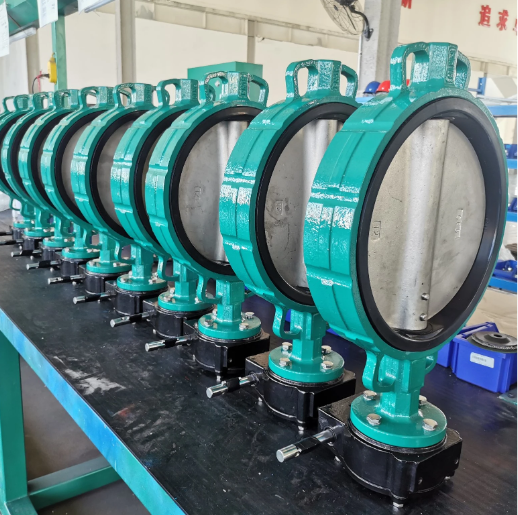
Среди множества промышленных клапанов, TWT Valve имеет неоспоримое значение для различных систем.. Serving as essential elements in fluid regulation and pressure management, these unpretentious valves are vital contributors to a myriad of industries. This piece delves into the nuanced workings of butterfly valves, dissecting their inner workings, practical applications, various types, associated benefits, and the defining characteristics that set them apart as truly exceptional components of fluid control systems.
Components of Butterfly Valve
At the heart of a butterfly valve lies its simple yet robust design. Consisting primarily of a metal disc mounted on a rod, the valve operates by rotating this disc to modulate flow. The disc, positioned in the center of the pipe, pivots on the rod, allowing for quick and precise control of fluid movement.
Underpinning this operation are two essential components: the valve body, serving as the housing for the disc, and the actuator, entrusted with the task of setting the disc in motion. To ensure seamless functionality, sealing is accomplished through the utilization of either elastomeric seals or resilient seats, guaranteeing a leak-free operation, even when subjected to high pressures.
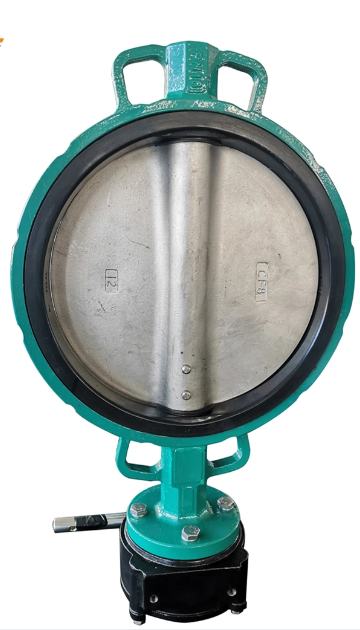
Diverse in their design, butterfly valves manifest in various types, each tailored to suit specific applications. Let’s delve into some of the primary variants:
- Concentric Disc Butterfly Valve:
- The most common type, where the disc center aligns with the valve body center when fully open.
- Suitable for low-pressure applications and offers cost-effectiveness.
- High Performance Eccentric Butterfly Valve:
- The disc is offset from the center of the valve body.
- Used for higher-pressure applications and provides better sealing capabilities.
- Extension Stem Butterfly Valve:
- Designed with an extended stem that allows for remote operation.
- To control the valve’s position from a safer and more convenient location.
- Single-Offset Butterfly Valve:
- The disc is offset from the center in a single direction.
- Balances cost-effectiveness and performance.
- Double-Offset Butterfly Valve:
- The disc has two offsets: one from the center and another from the seat.
- Ideal for high-performance applications, including throttling control.
- Triple-Offset Butterfly Valve:
- The disc has three offsets: center, сиденье, and shaft.
- Offers tight shut-off, minimal wear, and high durability.
- Commonly used in critical applications such as oil and gas.
- Based on End-Connection Styles:
- Вафельный клапан-бабочка: Fits between pipe flanges without using bolts and nuts.
- Поворотный клапан-бабочка: Has threaded inserts (выступы) that allow removal without disturbing the pipeline.
- Фланцевый клапан-бабочка: Connects to flanged pipe ends.
- Butt-Welded Butterfly Valve: Welded directly to the pipeline.
Заключение
В итоге, butterfly valves are indispensable in fluid control systems, offering simplicity, эффективность, и универсальность. Their streamlined design and wide applicability make them essential across industries globally. With advancing technology, innovation in butterfly valves ensures their leading position in fluid control solutions. From water distribution networks to chemical processing plants, butterfly valves consistently demonstrate their functionality and reliability, embodying essential principles in every operation.

Мар 25, 2024 | Новости
An air release valve for a water line is crucial to a water distribution system. It is designed to release air from the system, which helps to prevent damage to pipes and ensures a smooth flow of water. Сегодня, we will explore the purpose and function of an air release valve for a water line, and why it is essential for maintaining a well-functioning water distribution system.
Air release valves for water lines are commonly used in residential and commercial settings where water pipes are subjected to extreme temperatures. They are particularly useful in areas where the water supply is prone to freezing, such as in colder climates or during periods of prolonged cold weather.
Purpose of an Air Release Valve for Water Line
The primary purpose of an air release valve for a water line is to remove air from the water distribution system. Air can enter the system through various means, such as when water is pumped into the system, when pipes are connected, or when there are leaks in the system. Not removing air can cause several problems, including reduced water pressure, pipe damage, and noise issues.

The function of an Air Release Valve for Water Line
An air release valve for the water line functions by allowing air to escape from the system while preventing water from escaping. The valve is designed to open and close automatically, allowing air to escape when the pressure in the system changes. When the pressure in the system decreases, the valve opens, allowing air to escape. When the pressure increases, клапан закрывается, preventing water from escaping.
Types of Air Release Valves for Water Line
There are two main types of air release valves for water lines: automatic and manual. Automatic air release valves are more common and are designed to open and close automatically based on pressure changes in the system. С другой стороны, manual air release valves require manual operation to open and close.
Benefits of Air Release Valves for Water Line
Air release valves for water lines offer several benefits, включая:
Prevents damage to pipes: Air in the system can cause pipes to vibrate and clang, leading to damage and leaks. An air release valve helps to remove air, reducing the risk of pipe damage.
Maintains water pressure: By removing air from the system, an air release valve helps to maintain consistent water pressure, ensuring a smooth flow of water.
Reduces noise: Air in the system can cause noise issues, such as banging and clanging. An air release valve helps to remove air, reducing noise issues.
Improves water quality: Air in the system can also affect water quality by introducing impurities. An air release valve helps to remove air, improving water quality.

Installation and Maintenance
Air release valves for the water line should be installed at high points in the system, where air is most likely to accumulate. They should be installed with a downward slope to allow air to escape easily. Regular maintenance is also essential to ensure the valve is functioning properly.
Заключение
В заключение, an air release valve for a water line is a crucial component in a water distribution system. It helps to remove air from the system, preventing damage to pipes. And maintaining water pressure, reducing noise, and improving water quality. By understanding the purpose, function, types, преимущества, and installation. And the maintenance of an air release valve for a water line, you can ensure a well-functioning water distribution system.

Мар 21, 2024 | Новости
В области систем управления жидкостью, Крайне важно изучить сложность различных дроссельных заслонок., включая три эксцентриковых и эксцентриковых типа. Эти клапаны известны своим инновационным дизайном и превосходными характеристиками., и стали незаменимыми элементами в различных отраслях промышленности. С развитием машиностроения, Постоянное развитие специализированных дроссельных заслонок повлияет на развитие систем управления жидкостью в ближайшие годы..
Сравнительный анализ
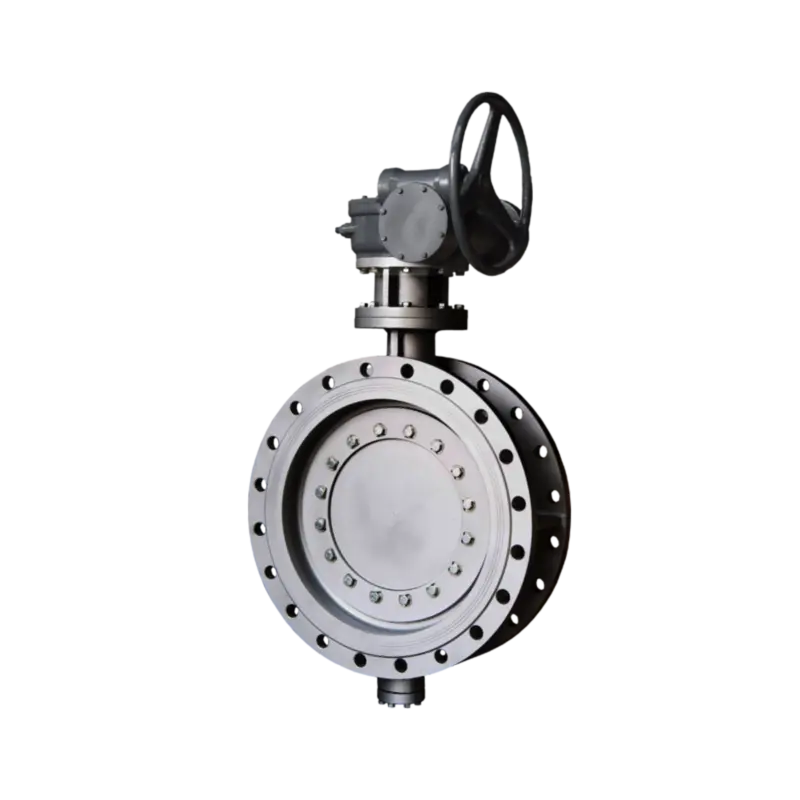
Хотя клапаны с двойным эксцентриком обладают большей способностью выдерживать высокие давления и температуры, чем стандартные дроссельные клапаны., они не соответствуют производительности трехэксцентриковый дроссельный клапан. Своей особой эксцентричностью, тройные эксцентриковые клапаны обеспечивают превосходное уплотнение и увеличенный срок службы..
Дроссельный клапан с двойным смещением, признан высокопроизводительным вариантом, имеет два смещения. Начальное смещение позволяет диску клапана свободно вращаться, не соприкасаясь с корпусом клапана., в то время как второе смещение облегчает перемещение диска в зону уплотнения и из нее., эффективно минимизирует износ.
Наоборот, смещенный дроссельный клапан относится к категории четвертьоборотных клапанов, используемых для регулирования потока жидкости через круглый диск или лопатку.. В отличие от обычных конструкций, ось этого клапана смещена от центральной линии трубы. Важно отметить, что поворотные дисковые затворы со смещением обычно имеют конструкцию с двойным или тройным смещением..
Смещенные дисковые затворы
Сложная конструкция дроссельной заслонки с тройным эксцентриком делает ее пригодной для сред, характеризующихся повышенным давлением и температурой., превосходящие возможности традиционных типов клапанов. Более того, возможность двунаправленной работы повышает универсальность, дальнейшее укрепление его полезности в различных приложениях.
Эта гениальная конструкция обеспечивает множество преимуществ.. За счет устранения трения, Срок службы клапана увеличивается, а долговечность увеличивается., снижение требований к техническому обслуживанию. Кроме того, предохранительные уплотнения обеспечивают отсутствие утечек, жизненно важная функция, особенно в таких критических областях, как нефтегазовая промышленность.
Поворотные затворы с тройным эксцентриситетом, также известный как трехэксцентриковый дроссельный клапан, являются чудом машиностроения. Они имеют конструкцию, исключающую трение между створкой клапана и седлом.. Эта уникальная характеристика объясняется тремя смещениями в конструкции клапана.: два размещены на валу относительно центральной линии отверстия., и третий - наклон плоскости сидения, что обеспечивает плотное прилегание к диску.
Изучение дисковых затворов с тройным эксцентриком
В быстро меняющемся индустриальном мире, Важность Китайские дроссельные заслонки в системах контроля жидкости остается решающим. Тройные эксцентриковые и эксцентриковые дисковые затворы выделяются среди дисковых затворов межфланцевого типа благодаря своим уникальным характеристикам и превосходным эксплуатационным характеристикам.. Целью этой статьи является рассмотрение сложности этих специализированных клапанов., получить более глубокое понимание их конструкции, функциональность, и практическое применение.
Хотя как трехэксцентриковые дроссельные заслонки, так и эксцентриковые дроссельные заслонки имеют очевидные преимущества., решение между ними в конечном итоге зависит от конкретного применения и стандартов производительности.. Трехэксцентриковый дроссельный клапан известен своей способностью выдерживать высокое давление и высокую температуру., обеспечивая при этом работу без утечек, и зарекомендовал себя как лучший выбор для ключевых функций в химической и нефтяной промышленности.. В отличие, клапаны-бабочки смещения, характеризуются конфигурацией с двойным смещением, найти баланс между производительностью и экономической эффективностью, что делает их пригодными для более широкого спектра применений.

Мар 20, 2024 | Новости
In the intricate infrastructure of fluid systems, gate valves stand as stalwarts, regulating flow with precision and reliability. Among the diverse array of gate valves, manual and underground variants play crucial roles in various applications. As leading gate valves manufacturer and supplier in China, today, TWT will delve into the world of gate valves, exploring their sizes, functionalities, and the specialized realm of underground applications.
Understanding Gate Valve Sizes:

Gate valve sizes are diverse, tailored to meet the varying flow demands across industries. These sizes are primarily determined by the diameter of the valve’s aperture, spanning from small to large dimensions. Common gate valve sizes encompass 1 дюйм, 2 дюймы, 4 дюймы, 6 дюймы, 8 дюймы, and larger diameters, with each size specifically designed to accommodate particular applications and flow rates.
Ручной задвижка:
Manual gate valves represent the essence of straightforwardness and dependability in managing fluid flow. Utilizing either a hand-wheel or lever mechanism for operation, these valves contain a gate or wedge-shaped disc that shifts perpendicular to the flow direction, enabling the passage to either open or close. With their adaptability, manual gate valves are utilized across a spectrum of industries, ranging from oil and gas to water treatment, системы отопления, вентиляции и кондиционирования, и более.
Functionality of Manual Gate Valves:
Manual gate valves provide accurate flow regulation and secure shut-off features, rendering them suitable for both on/off operations and throttling applications. Their straightforward operation allows for quick adjustments in flow rates or complete closure when necessary. With minimal pressure drop and low maintenance requirements, manual gate valves are preferred in systems where reliability and efficiency are paramount.
Подземная задвижка:
Designed specifically for installation underground, underground gate valves provide shielding from environmental elements while guaranteeing continuous flow within buried pipelines. Fabricated from robust materials and coated with corrosion-resistant layers, these valves are strengthened to endure the harsh underground conditions. They play critical functions in municipal water distribution networks, wastewater management systems, and underground utility infrastructures.
Advantages of Underground Gate Valves:
- Долговечность: Crafted from sturdy materials like ductile iron, чугун, или нержавеющая сталь, underground gate valves are engineered to endure external pressures, withstand soil corrosion, and persist through exposure to groundwater.
- Надежность:Underground gate valves offer steady flow regulation, even in below-ground conditions, guaranteeing dependable operation and minimal maintenance needs over prolonged duration.
- Security: Housing vital valve components below ground level, these valves mitigate the risk of damage or unauthorized interference, thereby bolstering overall system safety and security.
Приложения Of Manual Аnd Underground Gate Valves:
- Water Distribution:Manual and underground gate valves are crucial elements of water distribution systems, enabling the smooth conveyance of water from its source to designated destinations. Whether managing flow rates within pipelines or segregating sections for maintenance purposes, gate valves are indispensable in guaranteeing the consistent and dependable supply of water to communities.
- Промышленные процессы:Within industrial environments, manual gate valves find application across diverse processes including manufacturing, химическая обработка, и производство электроэнергии. Their durable build and precise flow regulation abilities render them adept at managing a broad spectrum of fluids and operating conditions.
- Underground Utilities:Buried underground gate valve are essential components of utility systems, encompassing gas pipelines, sewage networks, and telecommunications infrastructure. These valves serve a crucial role in regulating fluid flow, enabling efficient maintenance and repairs while minimizing disruptions to surface-level operations.
- Innovation and Future Trends:With the progression of technology, manufacturers of gate valves persistently innovate, integrating functionalities like remote monitoring, automation, and predictive maintenance. These enhancements bolster the efficiency, надежность, and safety of gate valves across diverse industries, laying the groundwork for more intelligent and robust fluid systems.
Manual and underground gate valves are essential elements within fluid systems, providing precise flow control and dependable performance across various applications. Whether through the straightforward operation of manual valves or the resilient installations of underground variants, these valves play pivotal roles in facilitating the efficient and secure transfer of fluids. As industries progress and infrastructure requirements expand, the versatility and adaptability of gate valves will continue to be indispensable in addressing the complexities of fluid flow management.

Мар 19, 2024 | Новости
This article provides a comprehensive guide on how to test a brake booster check valve. The brake booster check valve is critical to the braking system, ensuring proper functioning and safety. The article discusses the importance of the check valve and its applications. It then provides step-by-step instructions on how to test the check valve for any potential issues.
Введение:
The brake booster check valve is a crucial part of the braking system, responsible for maintaining pressure and ensuring proper brake operation. Thus testing the check valve is essential to ensure its functionality and prevent potential issues. This article provides a detailed guide on effectively testing the check valve.

Приложения:
The brake booster check valve finds its application in various vehicles, including cars, trucks, and motorcycles. It is primarily responsible for maintaining vacuum pressure in the brake booster, which assists in brake pedal operation. The check valve prevents the vacuum from escaping when the engine is turned off, ensuring consistent brake performance.
Testing the Check Valve:
To test the brake booster check valve, follow these steps:
1. Start the Engine: Begin by starting the engine and allowing it to reach operating temperature. This step ensures that the vacuum system is pressurized.
2. Locate the Check Valve: Identify the location of the check valve. It is typically situated between the brake booster and the vacuum hose connected to the engine.
3. Disconnect the Vacuum Hose: Carefully disconnect the vacuum hose from the check valve. Be cautious as there may be some residual vacuum pressure.
4. Inspect the Check Valve: Examine the check valve for any signs of damage, such as cracks or leaks. Replace the check valve if any issues are detected.
5. Perform the Suction Test: With the vacuum hose disconnected, apply suction to the check valve. This can be done using a hand-held vacuum pump or by creating a vacuum seal with your mouth. The check valve should hold the suction and not allow any air to pass through.
6. Test the Valve Operation: Reconnect the vacuum hose and start the engine. Depress the brake pedal several times and then turn off the engine. Listen for a hissing sound, which indicates that the check valve is functioning correctly. If no sound is heard, there may be a problem with the check valve.
7. Replace if Necessary: A faulty check valve can compromise the braking system’s performance and safety.

Заключение:
Testing the brake booster check valve is crucial to ensure the proper functioning of the braking system. By following the step-by-step instructions provided in this article, readers can effectively test their brake booster check valve and identify any potential issues. Regular maintenance and inspection of the check valve are essential for maintaining optimal brake performance and ensuring safety on the road.



