
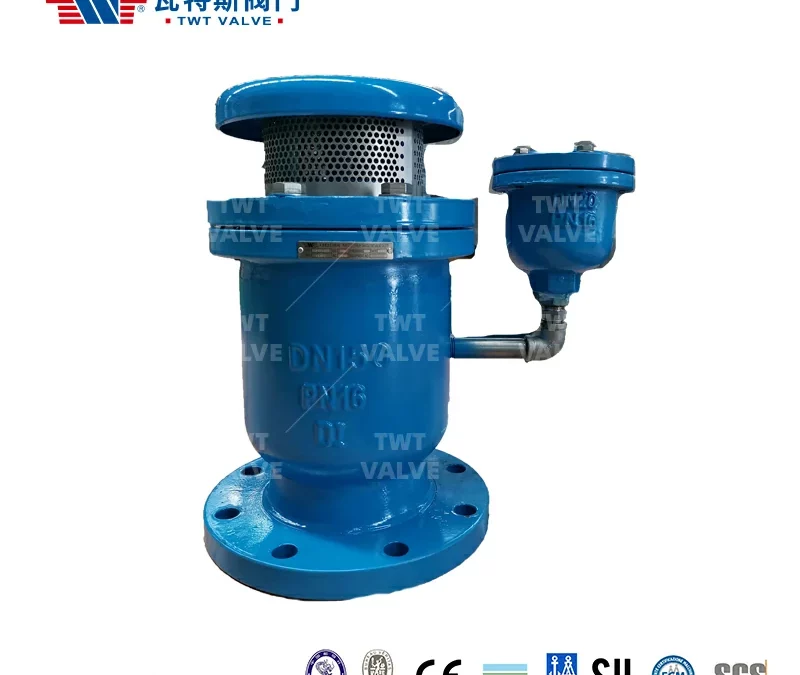
Air relief valve troubleshooting needs to be systematically checked in combination with its structural principles and common failure modes. The following are professional troubleshooting steps and methods:
I. Classification and preliminary judgment of fault phenomena
Fault phenomena
Possible causes
Continuous leakage
1. Damaged sealing surface 2. Valve disc stuck or not completely closed 3. Spring failure 4. Impurities stuck on the sealing surface
Unable to exhaust
1. Valve blockage 2. Valve disc rusted or stuck 3. Spring stiffness is too large 4. Inlet pipe blockage
Abnormal vibration/noise
1. Valve flutter 2. Spring resonance 3. Loose internal components
Inaccurate exhaust pressure
1. Spring preload is out of adjustmen t2. Damaged adjustment mechanism 3. Diaphragm/piston failure
Frequent malfunctions
1. Set pressure is too low 2. System pressure fluctuation is too large 3. Pilot valve failure (pilot exhaust valve)
II. Step-by-step troubleshooting process
1 Appearance inspection
Check whether the valve surface is obviously damaged, deformed or corroded
Confirm whether the connecting bolts are loose and the flange seal is good
Check whether the nameplate parameters match the system requirements
2 Pressure testing and monitoring
Use a high-precision pressure gauge to monitor the inlet and outlet pressures of the valve
Compare the actual exhaust pressure with the set pressure deviation (the allowable error is usually ±3%~5%)
Record the system pressure fluctuation range to determine whether it exceeds the valve working range
3 Valve action inspection
Manually operate the exhaust valve (if there is a manual test device) to verify the mechanical flexibility
Observe whether the valve opening and closing process is smooth, and whether there is any jamming or delay
Check the valve stem / Check whether the valve disc moves vertically to avoid poor sealing due to deflection
4 Sealing performance test
When the valve is closed, use airtight detection method (such as soapy water, helium mass spectrometer leak detector) to check the leakage point
For critical systems, back pressure test can be performed to verify the sealing performance of the valve under different back pressure conditions
5 Disassemble and inspect internal components
Remove the valve cover and check whether the spring is rusted, broken or elastically attenuated
Check whether the sealing surface (valve disc and valve seat) is worn, scratched or adhered with impurities
Clean or replace sealing components such as O-rings and diaphragms
1. Grind and repair the sealing surface 2. Replace the sealing ring (PTFE/Viton and other materials) 3. Clean impurities
Spring failure
1. Replace the spring of the same specification 2. Recalculate the spring stiffness according to the system pressure
Valve blockage
1. Use compressed air to purge the internal channel 2. Chemical cleaning to remove scale/rust3. Install a filter
Failure of the adjustment mechanism
1. Calibrate the adjustment screw/nut 2. Replace the damaged adjustment spring or diaphragm
Vibration problem
1. Add a damping device 2. Adjust the spring preload 3. Change the valve installation position (avoid resonance points)
IV. Preventive maintenance suggestions
Regularly clean the inside of the valve to prevent impurities from accumulating (recommended once every 6-12 months)
Perform pressure setting calibration every year to ensure exhaust pressure accuracy
For corrosive media, use 316L stainless steel, Hastelloy and other corrosion-resistant materials
Install a Y-type filter at the valve inlet to reduce the risk of impurities entering
Record each failure and repair process, and establish a maintenance file
Conclusion
Through the above systematic troubleshooting method, air release valve faults can be quickly located and effective repair measures can be taken. For complex faults or problems that cannot be solved by yourself, it is recommended to contact the valve manufacturer’s technical support team for professional services. As a qualified and professional industrial valves Manufacturer in China, FLUID TECH GROUP produces high-quality butterfly valves. If you have any questions, please feel free to contact us.
When it comes to installing a cast iron air valve, proper installation is crucial to prevent leaks and ensure the valve operates efficiently. This guide will walk you through the steps necessary to install a cast iron air valve correctly, highlight its benefits, and showcase why our products are the best choice for your needs. Let’s dive into the details and make sure your air valve installation is flawless!
Understanding Air Valves
Air valves, including the combined air release valve and quick release air valve, are essential components in various systems. They allow for the controlled release of air, maintaining pressure and ensuring smooth operation. These valves are commonly used in water supply systems, gas lines, refrigeration systems, and other industrial processes that require controlled air pressure release.
Steps to Install a Cast Iron Air Valve
Preparation:
Ensure all necessary tools and materials are available.
Check the valve for any visible defects or damages.
Positioning the Valve:
Identify the correct location for the valve installation. It should be placed at high points in the system to effectively release trapped air.
Ensure the valve is accessible for maintenance and operation.
Pipe Preparation:
Clean the pipe ends thoroughly to remove any debris or contaminants.
Cut the pipe to the required length, ensuring a clean and square cut for a proper seal.
Installing the Valve:
Apply a suitable pipe sealant or thread tape to the threads of the pipe.
Carefully screw the cast iron air valve onto the pipe, ensuring it is tight but not over-tightened to prevent damage.
Securing the Valve:
Use pipe clamps or brackets to secure the valve in place, ensuring it is stable and does not move during operation.
Double-check all connections for tightness and proper alignment.
Testing:
Slowly introduce air or water into the system to check for leaks.
Monitor the valve operation to ensure it releases air as needed.
Benefits of Using Cast Iron Air Valves
Cast iron air valves offer several advantages:
Durability: Made from robust materials, these valves withstand harsh environments and high pressures.
Efficiency: Designed to release air quickly and efficiently, maintaining system pressure and preventing air locks.
Versatility: Suitable for various applications, including water supply, gas lines, and industrial processes.
Comparing Air Release Valves and Butterfly Valves
While both air release valves and butterfly valves play crucial roles in fluid systems, they serve different purposes. Air release valves are designed to relieve excess pressure and remove trapped air from the system, ensuring smooth operation. On the other hand, butterfly valves are primarily used to control the flow rate of liquids and gases through pipelines.
Why Choose Our Products?
As a leading valve manufacturer in China, we provide high-quality cast iron air valves that meet stringent industry standards. Our products are designed for durability and efficiency, making them ideal for a wide range of applications.
OEM & ODM Services: We offer customized solutions to meet your specific requirements.
Wholesale Options: Competitive pricing for bulk orders, catering to local wholesalers and suppliers worldwide.
Customization: Tailored products to fit your exact needs, ensuring optimal performance and satisfaction.
For detailed quotes or prices, contact us at [email protected]. We welcome local wholesalers and suppliers worldwide to reach out and discuss potential collaborations.
Additional Options
In addition to cast iron air valves, we also offer a variety of other valve types, including butterfly valves, eccentric semi-ball valves, regulating valves, and more. Our extensive product range ensures you find the perfect solution for your specific application.
By following these steps and understanding the benefits and differences between various valve types, you can ensure a successful installation and efficient operation of your cast iron air valve. For more information and to explore our range of products, contact us today!
Air Release Valves (ARVs) are critical components in many industrial and domestic systems, designed to maintain optimal performance and prevent damage by removing trapped air. But how effectively do these valves perform their essential function? This article dives deep into the world of air release valves, examining their efficiency, applications, and benefits.
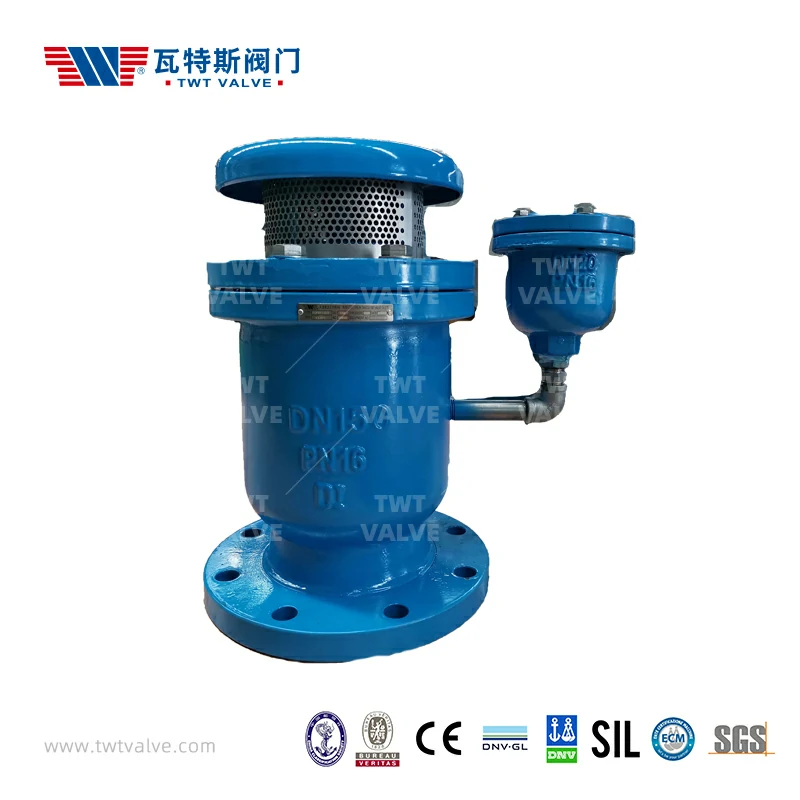
What is an Air Release Valve?
An Air Release Valve, often abbreviated as ARV, is a pressure-sensitive device that automatically releases trapped air from a tank or pipeline. This process is crucial for maintaining pressure and ensuring the smooth flow of liquids and gases. ARVs come in various types, with the most common being the butterfly valve, known for its efficiency in controlling flow rates in pipelines.
Applications of Air Release Valves
Air release valves are indispensable in a multitude of industries, each requiring precise control over air pressure. Here are some common applications:
Water Supply Systems: Cast iron air release valves ensure that water systems operate efficiently by preventing air blockages that could disrupt flow.
Gas Lines: In gas pipelines, these valves help maintain consistent pressure and flow, preventing potential hazards associated with trapped air.
Refrigeration Systems: ARVs in refrigeration systems enhance performance by eliminating air pockets that can affect cooling efficiency.
Industrial Processes: Various industrial applications rely on air release valves to manage air pressure and ensure safe, efficient operations.
Comparing Air Release Valves with Butterfly Valves
While both air release valves and butterfly valves play vital roles in fluid control systems, they serve different purposes:
Air Release Valves: Primarily designed to relieve excessive pressure and remove trapped air, ensuring the system operates smoothly and safely.
Butterfly Valves: Used mainly for controlling the flow rate of liquids and gases, providing precise regulation within the pipeline.
Why Choose Our Air Release Valves?
As a leading manufacturer of air release valves in China, we pride ourselves on delivering high-quality products tailored to meet the diverse needs of our clients. Here’s why you should choose our air release valves:
Expertise and Quality: With years of experience in valve manufacturing, we ensure every product meets the highest standards of quality and performance.
Customization: We offer OEM services and can customize valves according to your specific requirements, ensuring they fit perfectly into your system.
Competitive Air Release Valve Prices: Our pricing is competitive, ensuring you get the best value for your investment without compromising on quality.
Wholesale Options: For large-scale projects, we provide attractive wholesale options to meet your needs cost-effectively.
The Benefits of Using Our Air Release Valves
Enhanced Efficiency: By effectively removing trapped air, our valves enhance the overall efficiency of your system.
Safety: Preventing air blockages reduces the risk of pressure-related accidents, ensuring a safer working environment.
Durability: Made from high-quality materials like cast iron, our valves are built to last, providing long-term reliability and performance.
Contact Us for Detailed Quotes and Prices
For detailed quotes or to learn more about our air release valves, feel free to contact us. Our team of experts is ready to assist you in finding the perfect valve solution for your needs. Whether you require customized designs or need assistance with choosing the right valve, we are here to help.
Air release valves are essential for maintaining the efficiency and safety of various systems by removing trapped air. Understanding their applications, benefits, and the differences from other valve types, such as butterfly valves, helps in making informed decisions. Among many valve manufacturers, we stand out as a trusted source, offering high-quality, customizable, and affordably priced valves to meet your specific needs. For more information and to get a detailed quote, contact us today.