
luty 18, 2024 | Aktualności
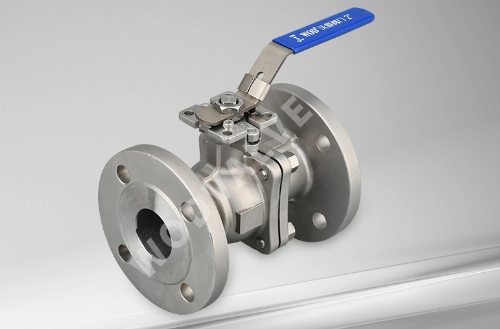
Gate valves and ball valves are two common types of flow control devices used in various industries. While both types of valves serve the same purpose of controlling the flow of fluids, there are several reasons why a gate valve might be preferred over a ball valve in certain situations.
1. Design and Functionality
Gate valves are designed to control the flow of fluids in a more precise and efficient manner compared to ball valves. Gate valves consist of a gate and a stem, whereas ball valves have a ball and a stem. The gate valve is operated by a lever or a handle, while the ball valve is operated by a handle or a rod.
2. Kontrola przepływu
Gate valves offer more precise control over the flow of fluids compared to ball valves. Gate valves can be adjusted to allow for small changes in flow rates, while ball valves can only be adjusted in larger increments. This makes gate valves more suitable for applications where precise control over the flow rate is crucial.
3. Safety Features
Gate valves are considered safer than ball valves because they do not have a rotating component that can cause injury in case of a malfunction. Dodatkowo, gate valves are easier to maintain and repair compared to ball valves.
4. Trwałość
Gate valves are generally more durable than ball valves. They are made of materials that are resistant to corrosion and wear, making them more long-lasting.
5. Cost
Gate valves tend to be more expensive than ball valves, especially for high-pressure applications. Jednakże, the increased cost is often justified by the improved safety and functionality of gate valves.

When to Use a Gate Valve Instead of a Ball Valve
If you need precise control over the flow rate of fluids, a gate valve might be the better choice. Gate valves are ideal for applications where small changes in flow rate are crucial, such as in chemical processing, food and beverage manufacturing, and pharmaceutical production.
Z drugiej strony, if you need a more straightforward and user-friendly flow control device, a ball valve might be the better choice. Ball valves are simpler to operate and maintain compared to gate valves, making them ideal for applications where simplicity and ease of use are paramount, such as in residential plumbing and HVAC systems.
Advantages of Gate Valves
There are several advantages of using a gate valve over a ball valve, w tym:
- Precise Flow Control: Gate valves provide more precise flow control, making them ideal for applications where consistent flow rates are required.
- Higher Pressure Rating: Gate valves are rated for higher pressures than ball valves, making them a better choice for high-pressure applications.
- Easier Maintenance: Gate valves are generally easier to maintain than ball valves, as the flat gate provides a larger surface area for cleaning and maintenance.
- Lower Cost: Gate valves are generally less expensive than ball valves, making them a more cost-effective option for many applications.
Applications of Gate Valves
Gate valves are commonly used in a variety of industrial and commercial applications, w tym:
- Water Treatment: Gate valves are commonly used in water treatment plants to control the flow of water and chemicals.
- Olej i gaz: Gate valves are used in oil and gas production to control the flow of fluids and gases.
- Chemical Processing: Gate valves are used in chemical processing plants to control the flow of chemicals and other fluids.
- HVAC: Gate valves are used in heating, ventilation, and air conditioning systems to control the flow of water and air.

Wniosek
Gate valve vs ball valve which is better for your project? Podsumowując, gate valves and ball valves are two different types of flow control devices with distinct advantages and disadvantages. While both types of valves serve the same purpose of controlling the flow of fluids, gate valves offer more precise control, safety features, trwałość, i opłacalność.
Dlatego, if you need precise control over the flow rate of fluids, a gate valve might be the better choice. Jednakże, if you need a more straightforward and user-friendly flow control device, a ball valve might be the better choice.
luty 2, 2024 | Aktualności
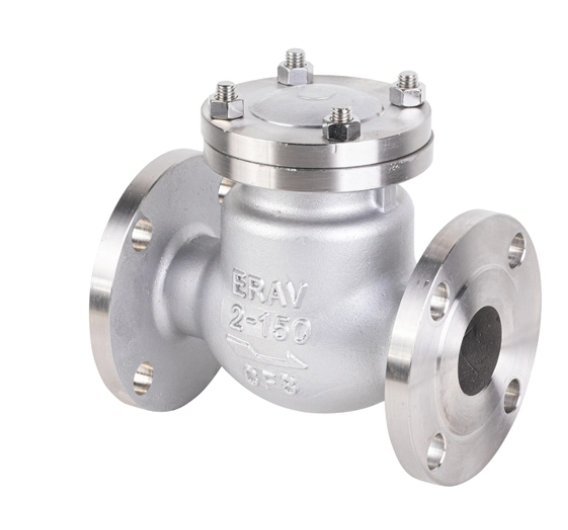
Cast steel gate valves and ductile iron gate valves serve different purposes and are suitable for various applications based on their material composition and performance characteristics. Cast steel gate valves excel in demanding applications requiring high strength and durability, while ductile iron gate valves offer good corrosion resistance and are cost-effective for general industrial use. By understanding the key differences between these two types of gate valves, engineers and professionals can make informed decisions to optimize flow control and system performance in their specific applications.
Cast Steel Gate Valve

Cast steel gate valves are manufactured using a casting process that involves pouring molten steel into a mold. This process allows for the creation of valves with complex shapes and high strength. Zasuwy żeliwne are known for their durability, high-pressure capabilities, and resistance to high temperatures. They are commonly used in demanding applications such as power plants, oil and gas industries, i zakłady przetwórstwa chemicznego.
Zasuwa z żeliwa sferoidalnego
Ductile iron gate valves are produced using a process that involves treating molten iron with magnesium or other elements to improve its properties. This results in a material that is stronger and more ductile than gray iron, making it less susceptible to breakage. Ductile iron gate valves offer good corrosion resistance, trwałość, and are suitable for a wide range of industrial applications. They are commonly used in water distribution systems, wastewater treatment plants, and general industrial settings.
Comparison:
- Material Composition: Cast steel gate valves are made of steel, an alloy of iron and carbon, while ductile iron gate valves are made of ductile iron, a type of cast iron that has been treated to improve its strength and ductility.
- Siła i trwałość: Cast steel gate valves are generally stronger and more durable than ductile iron gate valves due to the higher strength of steel. They can withstand higher pressure and temperature conditions.
- Odporność na korozję: Ductile iron gate valves offer better corrosion resistance compared to cast steel gate valves, making them suitable for applications involving corrosive media.
- Cost: Cast steel gate valves are typically more expensive than ductile iron gate valves due to the higher cost of steel and the more complex manufacturing process.
- Application Suitability: Cast steel gate valves are ideal for high-pressure, high-temperature, and demanding applications, while ductile iron gate valves are suitable for general industrial applications, water distribution systems, and environments where corrosion resistance is important.
luty 1, 2024 | Aktualności
Zawory zwrotne typu płytkowego ze stali nierdzewnej są niezbędnymi elementami przemysłowych systemów kontroli przepływu, ensuring unidirectional flow and preventing backflow. Their corrosion resistance, compact design, low maintenance requirements, and versatility make them suitable for a wide range of applications across various industries. By understanding the design, operation, zalety, and diverse applications of stainless steel wafer type check valves, engineers and professionals can select the most appropriate valve for their specific requirements, ensuring efficient flow control and system performance.
Understanding Stainless Steel Wafer Type Check Valves

Stainless steel check valves by wafer check valve manufacturer China, are in-line valves designed to allow fluid flow in one direction only. They consist of a valve body, a disc or flapper, and a spring or gravity mechanism. The valve body is typically made of stainless steel, offering excellent corrosion resistance and durability.
Operation of Stainless Steel Wafer Type Check Valves
- Kierunek przepływu: When fluid flows in the intended direction, the pressure of the fluid pushes the disc or flapper open, allowing the fluid to pass through the valve.
- Backflow Prevention: When the flow direction reverses, the pressure of the fluid causes the disc or flapper to close, preventing backflow. The spring or gravity mechanism assists in closing the valve tightly to ensure a leak-proof seal.
Advantages of Stainless Steel Wafer Type Check Valves
- Odporność na korozję: Stainless steel construction provides excellent resistance to corrosion, making these valves suitable for various industrial environments and media.
- Kompaktowa konstrukcja: Wafer type check valves have a compact and lightweight design, making them easy to install and maintain.
- Niskie koszty utrzymania: These valves require minimal maintenance, reducing operational costs.
- Versatile Applications: Stainless steel wafer type check valves are suitable for a wide range of industrial applications.
- Cost-Effective: They offer a cost-effective solution for flow control and backflow prevention.
Applications of Stainless Steel Wafer Type Check Valves
- Water Systems: Stainless steel wafer type check valves are used in water treatment plants, plumbing systems, and irrigation networks to prevent backflow and contamination.
- HVAC Systems: These valves are employed in heating, ventilation, and air conditioning systems to ensure proper airflow direction and prevent backdraft.
- Chemical Processing: They are utilized in chemical processing plants to control the flow of corrosive fluids and prevent backflow into sensitive equipment.
- Oil and Gas Industry: Stainless steel wafer type check valves are used in oil and gas pipelines, rafinerie, and petrochemical plants to prevent backflow and ensure safe operation.
- Power Generation: These valves play a vital role in power generation plants to control the flow of fluids and prevent backflow into critical systems.

luty 1, 2024 | Aktualności
Przepustnica potrójnie przesunięta jest urządzeniem wszechstronnym i szeroko stosowanym w różnych gałęziach przemysłu, w tym chemiczne, petrochemiczny, i przetwórstwo farmaceutyczne. Jednakże, zrozumienie preferowanego kierunku przepływu tego zaworu ma kluczowe znaczenie dla prawidłowej obsługi i konserwacji. W tym artykule, zagłębimy się w szczegóły preferowanego kierunku przepływu przepustnicy z potrójnym przesunięciem.
Triple offset butterfly valves are widely used in various industries for their ability to control fluid flow and isolate systems. One of the key features of these valves is their ability to handle the bidirectional flow, but what is the preferred flow direction of a triple offset butterfly valve? W tym artykule, we will explore the preferred flow direction of these valves and why it matters.
Zawór motylkowy z potrójnym przesunięciem
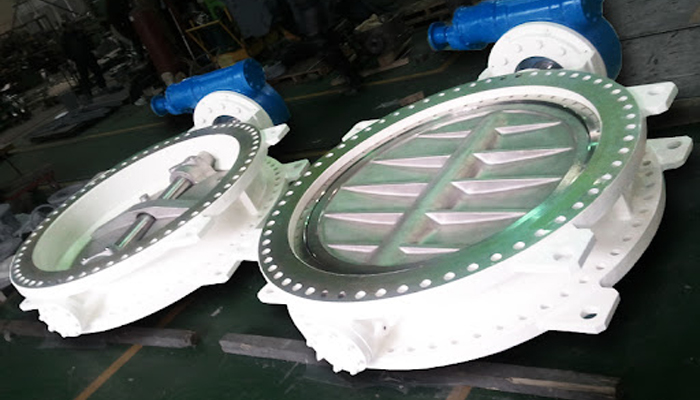
A triple offset butterfly valve is a type of valve that uses a disc-shaped valve plug to control fluid flow. The valve plug is positioned in a way that creates three offsets, allowing it to rotate 90 stopni, aby otworzyć lub zamknąć zawór. This design allows the valve to handle bidirectional flow, making it suitable for a wide range of applications.
Preferred Flow Direction
The preferred flow direction of a triple offset butterfly valve is determined by the design of the valve and the way it is installed. In general, the preferred flow direction is from the upstream side of the valve to the downstream side. This means that the valve should be installed with the inlet on the upstream side and the outlet on the downstream side.
There are several reasons why the preferred flow direction is important. Po pierwsze, it helps to prevent cavitation, which can occur when the fluid flow is restricted or reversed. Cavitation can cause damage to the valve and piping, and can also lead to reduced flow rates and increased noise levels. Po drugie, the preferred flow direction helps to ensure that the valve plug is properly aligned, which is important for smooth operation and to prevent damage to the valve.
Flow Direction and Valve Operation
The flow direction also affects the operation of the valve. Gdy zawór jest otwarty, the fluid flows from the upstream side to the downstream side, and the valve plug is rotated 90 degrees to allow the flow. When the valve is closed, the fluid flow is restricted, and the valve plug is rotated 90 degrees to block the flow.
Podsumowując, the preferred flow direction of a triple offset butterfly valve is from the upstream side to the downstream side. This direction helps to prevent cavitation, ensures proper alignment of the valve plug, and affects the operation of the valve. By understanding the preferred flow direction, industries can install and operate these valves more effectively, ensuring smooth and efficient fluid flow control.
Factors Affecting the Preferred Flow Direction
Several factors can affect the preferred flow direction of a triple offset butterfly valve, including the size and shape of the valves, the orientation of the valves, and the pressure drop across the valves. Proper installation and alignment of the valves are crucial for ensuring proper flow direction and avoiding blockages or leaks.
Examples and Applications
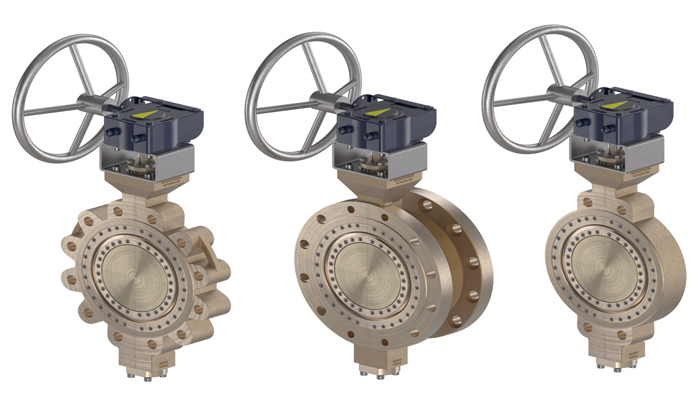
Triple offset butterfly valves are widely used in various industries, including water treatment, obróbka chemiczna, oraz wydobycie ropy i gazu. They are often used in applications where high flow rates and low-pressure drops are required, such as in pipelines and pumping stations.
For example, in a water treatment plant, a triple offset butterfly valve can be used to control the flow of water through a treatment process. The valve can be installed in a horizontal position, with the inlet on the upstream side and the outlet on the downstream side. This allows the water to flow through the valve and into the treatment process, where it can be filtered and purified.
In another example, a triple offset butterfly valve can be used in a chemical processing plant to control the flow of chemicals through a reaction process. The valve can be installed in a vertical position, with the inlet on the upstream side and the outlet on the downstream side. This allows the chemicals to flow through the valve and into the reaction process, where they can be mixed and reacted.
Wniosek
Podsumowując, the preferred flow direction of a triple offset butterfly valve is an important consideration for industries that use these valves for fluid flow control. By understanding the reasons behind the preferred flow direction and how it affects the operation of the valve, industries can optimize their use of these valves and ensure smooth and efficient operation. Whether it’s for water treatment, obróbka chemiczna, or other applications, the triple offset butterfly valve is a versatile and reliable option for fluid flow control.

styczeń 31, 2024 | Aktualności
Triple offset butterfly valves and wafer butterfly valves serve different purposes and are suitable for various applications based on their design and performance characteristics. Triple offset butterfly valves excel in demanding applications requiring superior sealing, reduced wear, i niezawodność, while wafer butterfly valves are cost-effective solutions for general industrial applications and low-pressure systems.
By understanding the key differences between these two types of butterfly valves, engineers and professionals can make informed decisions to optimize flow control and system performance in their specific applications.
Zawór motylkowy z potrójnym przesunięciem
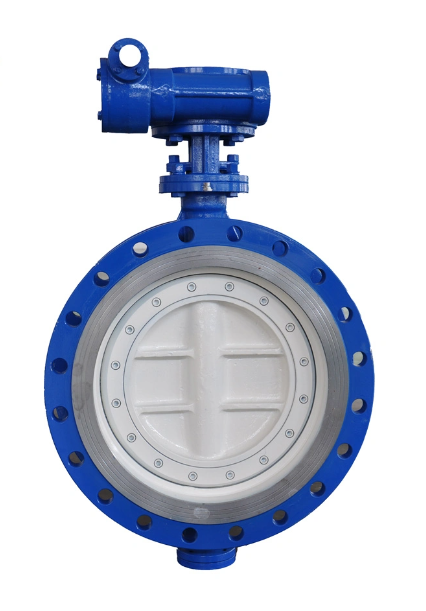
Triple offset butterfly valves from Chiński producent zaworów, incorporate a unique design that features three offsets: shaft offset, disc offset, and seat offset. This design provides superior sealing capabilities, reduced wear and tear, and reliable operation. Triple offset butterfly valves are known for their high-performance characteristics and are often used in demanding applications such as chemical processing, oil and gas, wytwarzanie energii, water treatment, and pharmaceutical industries.
Zawór motylkowy waflowy
China Wafer butterfly valves, also known as lug-type butterfly valves, have a more straightforward design compared to triple offset butterfly valves. They consist of a circular disc mounted on a shaft and are installed between two pipe flanges. Wafer butterfly valves are compact and lightweight, making them suitable for space-constrained applications. They are commonly used in general industrial applications, Systemy HVAC, water distribution systems, and irrigation networks.
Comparison:
- Sealing Performance: Triple offset butterfly valves offer superior sealing capabilities due to their unique offset design, which ensures a tight seal even under high-pressure conditions. Wafer butterfly valves provide adequate sealing for low-pressure applications but may not be suitable for high-pressure or critical processes.
- Wear and Tear: The offset design of triple offset butterfly valves reduces friction between the disc and seat, resulting in less wear and tear. This extends the valve’s lifespan and reduces maintenance requirements. Wafer butterfly valves experience more wear and tear due to the direct contact between the disc and seat, requiring more frequent maintenance or replacement.
- Maintenance: Triple offset butterfly valves require minimal maintenance due to their reduced wear and tear. Wafer butterfly valves require more frequent maintenance, including periodic inspection and replacement of worn-out parts.
- Application Suitability: Triple offset butterfly valves are ideal for demanding applications where high-pressure sealing, reduced wear, and reliability are essential. Wafer butterfly valves are suitable for general industrial applications, Systemy HVAC, and low-pressure fluid handling.



