
Febr 18, 2024 | Nachricht
Gate valves and ball valves are two common types of flow control devices used in various industries. While both types of valves serve the same purpose of controlling the flow of fluids, there are several reasons why a gate valve might be preferred over a ball valve in certain situations.
1. Design and Functionality
Gate valves are designed to control the flow of fluids in a more precise and efficient manner compared to ball valves. Gate valves consist of a gate and a stem, whereas ball valves have a ball and a stem. The gate valve is operated by a lever or a handle, while the ball valve is operated by a handle or a rod.
2. Ablaufsteuerung
Gate valves offer more precise control over the flow of fluids compared to ball valves. Gate valves can be adjusted to allow for small changes in flow rates, while ball valves can only be adjusted in larger increments. This makes gate valves more suitable for applications where precise control over the flow rate is crucial.
3. Safety Features
Gate valves are considered safer than ball valves because they do not have a rotating component that can cause injury in case of a malfunction. Zusätzlich, gate valves are easier to maintain and repair compared to ball valves.
4. Haltbarkeit
Gate valves are generally more durable than ball valves. They are made of materials that are resistant to corrosion and wear, making them more long-lasting.
5. Kosten
Gate valves tend to be more expensive than ball valves, especially for high-pressure applications. Jedoch, the increased cost is often justified by the improved safety and functionality of gate valves.

When to Use a Gate Valve Instead of a Ball Valve
If you need precise control over the flow rate of fluids, a gate valve might be the better choice. Gate valves are ideal for applications where small changes in flow rate are crucial, beispielsweise in der chemischen Verarbeitung, food and beverage manufacturing, and pharmaceutical production.
On the other hand, if you need a more straightforward and user-friendly flow control device, a ball valve might be the better choice. Ball valves are simpler to operate and maintain compared to gate valves, making them ideal for applications where simplicity and ease of use are paramount, such as in residential plumbing and HVAC systems.
Advantages of Gate Valves
There are several advantages of using a gate valve over a ball valve, einschließlich:
- Precise Flow Control: Gate valves provide more precise flow control, making them ideal for applications where consistent flow rates are required.
- Higher Pressure Rating: Gate valves are rated for higher pressures than ball valves, making them a better choice for high-pressure applications.
- Easier Maintenance: Gate valves are generally easier to maintain than ball valves, as the flat gate provides a larger surface area for cleaning and maintenance.
- Lower Cost: Gate valves are generally less expensive than ball valves, making them a more cost-effective option for many applications.
Applications of Gate Valves
Gate valves are commonly used in a variety of industrial and commercial applications, einschließlich:
- Wasserversorgung: Gate valves are commonly used in water treatment plants to control the flow of water and chemicals.
- Öl und Gas: Gate valves are used in oil and gas production to control the flow of fluids and gases.
- Chemische Verarbeitung: Gate valves are used in chemical processing plants to control the flow of chemicals and other fluids.
- HVAC: Gate valves are used in heating, Belüftung, and air conditioning systems to control the flow of water and air.

Abschluss
Gate valve vs ball valve which is better for your project? Abschließend, gate valves and ball valves are two different types of flow control devices with distinct advantages and disadvantages. While both types of valves serve the same purpose of controlling the flow of fluids, gate valves offer more precise control, safety features, Haltbarkeit, und Wirtschaftlichkeit.
daher, if you need precise control over the flow rate of fluids, a gate valve might be the better choice. Jedoch, if you need a more straightforward and user-friendly flow control device, a ball valve might be the better choice.
Febr 2, 2024 | Nachricht
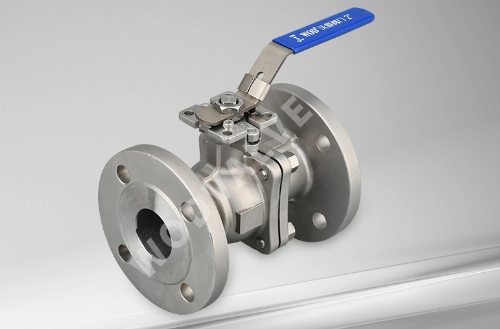
Absperrschieber aus Stahlguss und Absperrschieber aus Sphäroguss dienen unterschiedlichen Zwecken und sind aufgrund ihrer Materialzusammensetzung und Leistungsmerkmale für verschiedene Anwendungen geeignet. Absperrschieber aus Stahlguss zeichnen sich durch anspruchsvolle Anwendungen aus, die hohe Festigkeit und Haltbarkeit erfordern, Absperrschieber aus Sphäroguss bieten dagegen eine gute Korrosionsbeständigkeit und sind für den allgemeinen industriellen Einsatz kostengünstig. Durch das Verständnis der wesentlichen Unterschiede zwischen diesen beiden Arten von Absperrschiebern, Ingenieure und Fachleute können fundierte Entscheidungen treffen, um die Flusskontrolle und Systemleistung in ihren spezifischen Anwendungen zu optimieren.
Absperrschieber aus Stahlguss

Absperrschieber aus Stahlguss werden im Gussverfahren hergestellt, bei dem geschmolzener Stahl in eine Form gegossen wird. Dieses Verfahren ermöglicht die Herstellung von Ventilen mit komplexen Formen und hoher Festigkeit. Absperrschieber aus Gusseisen sind für ihre Langlebigkeit bekannt, Hochdruckfähigkeiten, und Beständigkeit gegen hohe Temperaturen. Sie werden häufig in anspruchsvollen Anwendungen wie Kraftwerken eingesetzt, Öl- und Gasindustrie, und chemische Verarbeitungsanlagen.
Absperrschieber aus duktilem Eisen
Absperrschieber aus duktilem Gusseisen werden in einem Verfahren hergestellt, bei dem geschmolzenes Eisen mit Magnesium oder anderen Elementen behandelt wird, um seine Eigenschaften zu verbessern. Dadurch entsteht ein Material, das fester und duktiler ist als Grauguss, wodurch es weniger bruchanfällig ist. Absperrschieber aus duktilem Gusseisen bieten eine gute Korrosionsbeständigkeit, Haltbarkeit, und eignen sich für eine Vielzahl industrieller Anwendungen. Sie werden häufig in Wasserverteilungssystemen verwendet, Kläranlagen, und allgemeine industrielle Umgebungen.
Vergleich:
- Material Zusammensetzung: Absperrschieber aus Stahlguss bestehen aus Stahl, eine Legierung aus Eisen und Kohlenstoff, Absperrschieber aus Sphäroguss bestehen hingegen aus Sphäroguss, Eine Art Gusseisen, das behandelt wurde, um seine Festigkeit und Duktilität zu verbessern.
- Stärke und Haltbarkeit: Absperrschieber aus Stahlguss sind aufgrund der höheren Festigkeit des Stahls im Allgemeinen stärker und langlebiger als Absperrschieber aus duktilem Eisen. Sie können höheren Druck- und Temperaturbedingungen standhalten.
- Korrosionsbeständigkeit: Absperrschieber aus duktilem Eisen bieten im Vergleich zu Absperrschiebern aus Stahlguss eine bessere Korrosionsbeständigkeit, Dadurch sind sie für Anwendungen mit korrosiven Medien geeignet.
- Kosten: Absperrschieber aus Stahlguss sind aufgrund der höheren Stahlkosten und des komplexeren Herstellungsprozesses in der Regel teurer als Absperrschieber aus duktilem Eisen.
- Anwendungseignung: Absperrschieber aus Stahlguss sind ideal für Hochdruck, hohe Temperatur, und anspruchsvolle Anwendungen, während Absperrschieber aus duktilem Gusseisen für allgemeine Industrieanwendungen geeignet sind, Wasserverteilungssysteme, und Umgebungen, in denen Korrosionsbeständigkeit wichtig ist.
Febr 1, 2024 | Nachricht
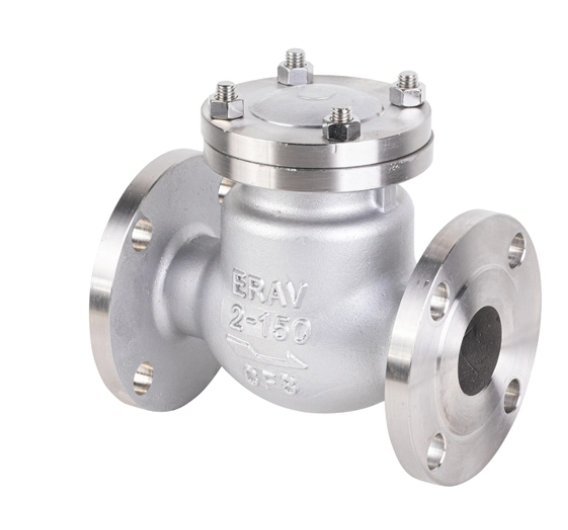
Rückschlagventile in Zwischenflanschausführung aus Edelstahl sind wesentliche Komponenten in industriellen Durchflusskontrollsystemen, Gewährleistung eines unidirektionalen Flusses und Verhinderung eines Rückflusses. Ihre Korrosionsbeständigkeit, kompaktes Design, geringer Wartungsaufwand, und Vielseitigkeit machen sie für ein breites Anwendungsspektrum in verschiedenen Branchen geeignet. Indem man das Design versteht, Betrieb, Vorteile, und vielfältige Anwendungen von Rückschlagventilen aus Edelstahl, Ingenieure und Fachleute können das für ihre spezifischen Anforderungen am besten geeignete Ventil auswählen, Gewährleistung einer effizienten Flusskontrolle und Systemleistung.
Erläuterungen zu Rückschlagventilen in Zwischenflanschausführung aus Edelstahl

Rückschlagventile aus Edelstahl von Hersteller von Wafer-Rückschlagventilen in China, sind Inline-Ventile, die den Flüssigkeitsfluss nur in eine Richtung ermöglichen. Sie bestehen aus einem Ventilkörper, eine Scheibe oder eine Klappe, und ein Feder- oder Schwerkraftmechanismus. Der Ventilkörper besteht typischerweise aus Edelstahl, bietet hervorragende Korrosionsbeständigkeit und Haltbarkeit.
Betrieb von Edelstahl Rückschlagventile vom Zwischenflanschtyp
- Durchflussrichtung: Wenn Flüssigkeit in die vorgesehene Richtung fließt, Der Druck der Flüssigkeit drückt die Scheibe oder Klappe auf, Dadurch kann die Flüssigkeit durch das Ventil strömen.
- Rückflussverhinderung: Wenn sich die Strömungsrichtung umkehrt, Der Druck der Flüssigkeit bewirkt, dass sich die Scheibe oder Klappe schließt, Rückfluss verhindern. Der Feder- oder Schwerkraftmechanismus hilft dabei, das Ventil fest zu schließen, um eine auslaufsichere Abdichtung zu gewährleisten.
Vorteile von Rückschlagventilen aus Edelstahl
- Korrosionsbeständigkeit: Die Edelstahlkonstruktion bietet eine hervorragende Korrosionsbeständigkeit, Dadurch eignen sich diese Ventile für verschiedene Industrieumgebungen und Medien.
- Kompaktes Design: Rückschlagventile in Zwischenflanschbauweise zeichnen sich durch eine kompakte und leichte Bauweise aus, Dadurch sind sie einfach zu installieren und zu warten.
- Geringer Wartungsaufwand: Diese Ventile erfordern nur minimale Wartung, Senkung der Betriebskosten.
- Vielseitige Anwendungen: Rückschlagventile in Zwischenflanschausführung aus Edelstahl eignen sich für eine Vielzahl industrieller Anwendungen.
- Kosteneffizient: Sie bieten eine kostengünstige Lösung zur Durchflusskontrolle und Rückflussverhinderung.
Anwendungen von Rückschlagventilen aus Edelstahl
- Wassersysteme: In Wasseraufbereitungsanlagen werden Rückschlagventile vom Typ Zwischenflansch aus Edelstahl eingesetzt, Sanitärsysteme, und Bewässerungsnetze, um Rückfluss und Kontamination zu verhindern.
- HVAC-Systeme: Diese Ventile werden in der Heizungstechnik eingesetzt, Belüftung, und Klimaanlagen, um die richtige Luftstromrichtung sicherzustellen und Rückströmungen zu verhindern.
- Chemische Verarbeitung: Sie werden in chemischen Verarbeitungsanlagen eingesetzt, um den Fluss korrosiver Flüssigkeiten zu kontrollieren und einen Rückfluss in empfindliche Geräte zu verhindern.
- Öl-und Gasindustrie: Rückschlagventile aus Edelstahl werden in Öl- und Gaspipelines eingesetzt, Raffinerien, und petrochemische Anlagen, um Rückflüsse zu verhindern und einen sicheren Betrieb zu gewährleisten.
- Energieerzeugung: Diese Ventile spielen in Kraftwerken eine entscheidende Rolle, um den Flüssigkeitsfluss zu steuern und einen Rückfluss in kritische Systeme zu verhindern.

Febr 1, 2024 | Nachricht
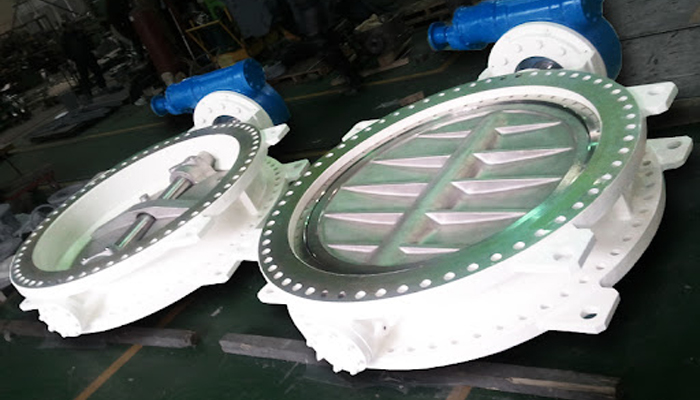
Eine dreifach versetzte Absperrklappe ist ein vielseitiges und weit verbreitetes Gerät in verschiedenen Branchen, einschließlich Chemikalien, Petrochemie, und pharmazeutische Verarbeitung. Jedoch, Das Verständnis der bevorzugten Durchflussrichtung dieses Ventils ist für den ordnungsgemäßen Betrieb und die ordnungsgemäße Wartung von entscheidender Bedeutung. In diesem Artikel, Wir werden uns mit den Details der bevorzugten Durchflussrichtung einer dreifach versetzten Absperrklappe befassen.
Triple offset butterfly valves are widely used in various industries for their ability to control fluid flow and isolate systems. One of the key features of these valves is their ability to handle the bidirectional flow, but what is the preferred flow direction of a triple offset butterfly valve? In diesem Artikel, we will explore the preferred flow direction of these valves and why it matters.
Dreifach versetzte Absperrklappe
A triple offset butterfly valve is a type of valve that uses a disc-shaped valve plug to control fluid flow. The valve plug is positioned in a way that creates three offsets, allowing it to rotate 90 degrees to open or close the valve. This design allows the valve to handle bidirectional flow, making it suitable for a wide range of applications.
Preferred Flow Direction
The preferred flow direction of a triple offset butterfly valve is determined by the design of the valve and the way it is installed. In general, the preferred flow direction is from the upstream side of the valve to the downstream side. This means that the valve should be installed with the inlet on the upstream side and the outlet on the downstream side.
There are several reasons why the preferred flow direction is important. zuerst, it helps to prevent cavitation, which can occur when the fluid flow is restricted or reversed. Cavitation can cause damage to the valve and piping, and can also lead to reduced flow rates and increased noise levels. Secondly, the preferred flow direction helps to ensure that the valve plug is properly aligned, which is important for smooth operation and to prevent damage to the valve.
Flow Direction and Valve Operation
The flow direction also affects the operation of the valve. Wenn das Ventil geöffnet ist, the fluid flows from the upstream side to the downstream side, and the valve plug is rotated 90 degrees to allow the flow. When the valve is closed, the fluid flow is restricted, and the valve plug is rotated 90 degrees to block the flow.
Zusammenfassend, the preferred flow direction of a triple offset butterfly valve is from the upstream side to the downstream side. This direction helps to prevent cavitation, ensures proper alignment of the valve plug, and affects the operation of the valve. By understanding the preferred flow direction, industries can install and operate these valves more effectively, ensuring smooth and efficient fluid flow control.
Factors Affecting the Preferred Flow Direction
Several factors can affect the preferred flow direction of a triple offset butterfly valve, including the size and shape of the valves, the orientation of the valves, and the pressure drop across the valves. Proper installation and alignment of the valves are crucial for ensuring proper flow direction and avoiding blockages or leaks.
Examples and Applications
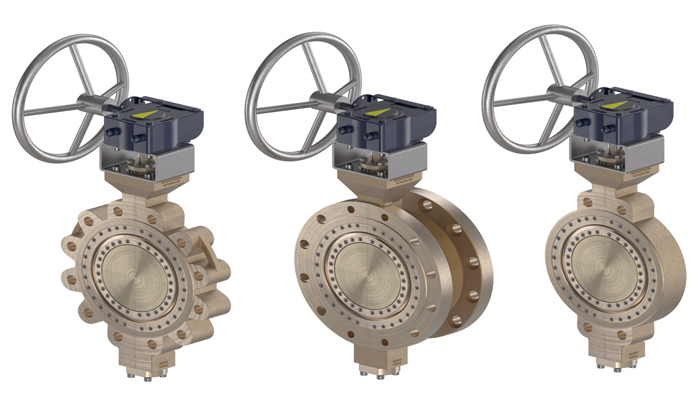
Triple offset butterfly valves are widely used in various industries, including water treatment, chemische Verarbeitung, and oil and gas production. They are often used in applications where high flow rates and low-pressure drops are required, such as in pipelines and pumping stations.
For example, in a water treatment plant, a triple offset butterfly valve can be used to control the flow of water through a treatment process. The valve can be installed in a horizontal position, with the inlet on the upstream side and the outlet on the downstream side. This allows the water to flow through the valve and into the treatment process, where it can be filtered and purified.
In another example, a triple offset butterfly valve can be used in a chemical processing plant to control the flow of chemicals through a reaction process. The valve can be installed in a vertical position, with the inlet on the upstream side and the outlet on the downstream side. This allows the chemicals to flow through the valve and into the reaction process, where they can be mixed and reacted.
Abschluss
Abschließend, the preferred flow direction of a triple offset butterfly valve is an important consideration for industries that use these valves for fluid flow control. By understanding the reasons behind the preferred flow direction and how it affects the operation of the valve, industries can optimize their use of these valves and ensure smooth and efficient operation. Whether it’s for water treatment, chemische Verarbeitung, or other applications, the triple offset butterfly valve is a versatile and reliable option for fluid flow control.

Jan 31, 2024 | Nachricht
Triple offset butterfly valves and wafer butterfly valves serve different purposes and are suitable for various applications based on their design and performance characteristics. Triple offset butterfly valves excel in demanding applications requiring superior sealing, reduced wear, und Zuverlässigkeit, while wafer butterfly valves are cost-effective solutions for general industrial applications and low-pressure systems.
By understanding the key differences between these two types of butterfly valves, Ingenieure und Fachleute können fundierte Entscheidungen treffen, um die Flusskontrolle und Systemleistung in ihren spezifischen Anwendungen zu optimieren.
Dreifach versetzte Absperrklappe
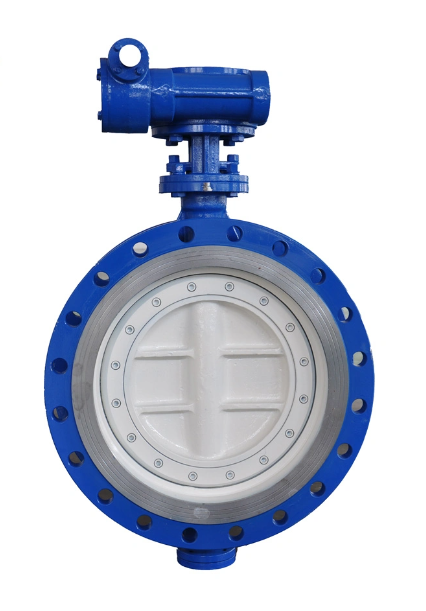
Triple offset butterfly valves from China-Ventilhersteller, incorporate a unique design that features three offsets: shaft offset, disc offset, and seat offset. This design provides superior sealing capabilities, reduced wear and tear, and reliable operation. Triple offset butterfly valves are known for their high-performance characteristics and are often used in demanding applications such as chemical processing, Öl und Gas, Stromerzeugung, Wasserversorgung, and pharmaceutical industries.
Wafer-Absperrklappe
China Wafer butterfly valves, also known as lug-type butterfly valves, have a more straightforward design compared to triple offset butterfly valves. They consist of a circular disc mounted on a shaft and are installed between two pipe flanges. Wafer butterfly valves are compact and lightweight, making them suitable for space-constrained applications. They are commonly used in general industrial applications, HVAC-Systeme, Wasserverteilungssysteme, and irrigation networks.
Vergleich:
- Sealing Performance: Triple offset butterfly valves offer superior sealing capabilities due to their unique offset design, which ensures a tight seal even under high-pressure conditions. Wafer butterfly valves provide adequate sealing for low-pressure applications but may not be suitable for high-pressure or critical processes.
- Wear and Tear: The offset design of triple offset butterfly valves reduces friction between the disc and seat, resulting in less wear and tear. This extends the valve’s lifespan and reduces maintenance requirements. Wafer butterfly valves experience more wear and tear due to the direct contact between the disc and seat, requiring more frequent maintenance or replacement.
- Wartung: Triple offset butterfly valves require minimal maintenance due to their reduced wear and tear. Wafer butterfly valves require more frequent maintenance, including periodic inspection and replacement of worn-out parts.
- Anwendungseignung: Triple offset butterfly valves are ideal for demanding applications where high-pressure sealing, reduced wear, and reliability are essential. Wafer butterfly valves are suitable for general industrial applications, HVAC-Systeme, and low-pressure fluid handling.



