
февраль 18, 2024 | Новости
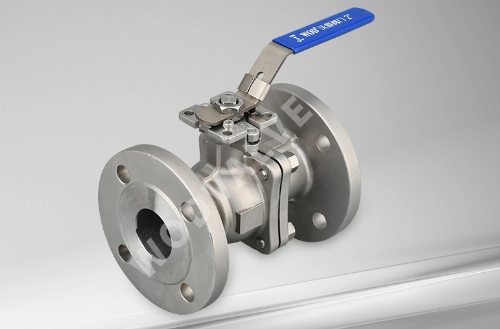
Задвижки и шаровые краны — это два распространенных типа устройств регулирования потока, используемых в различных отраслях промышленности.. While both types of valves serve the same purpose of controlling the flow of fluids, there are several reasons why a gate valve might be preferred over a ball valve in certain situations.
1. Дизайн и функциональность
Gate valves are designed to control the flow of fluids in a more precise and efficient manner compared to ball valves. Gate valves consist of a gate and a stem, whereas ball valves have a ball and a stem. The gate valve is operated by a lever or a handle, while the ball valve is operated by a handle or a rod.
2. Управление потоком
Gate valves offer more precise control over the flow of fluids compared to ball valves. Gate valves can be adjusted to allow for small changes in flow rates, while ball valves can only be adjusted in larger increments. This makes gate valves more suitable for applications where precise control over the flow rate is crucial.
3. Safety Features
Gate valves are considered safer than ball valves because they do not have a rotating component that can cause injury in case of a malfunction. Кроме того, gate valves are easier to maintain and repair compared to ball valves.
4. Долговечность
Gate valves are generally more durable than ball valves. They are made of materials that are resistant to corrosion and wear, making them more long-lasting.
5. Cost
Gate valves tend to be more expensive than ball valves, especially for high-pressure applications. Однако, the increased cost is often justified by the improved safety and functionality of gate valves.

When to Use a Gate Valve Instead of a Ball Valve
If you need precise control over the flow rate of fluids, a gate valve might be the better choice. Gate valves are ideal for applications where small changes in flow rate are crucial, such as in chemical processing, food and beverage manufacturing, and pharmaceutical production.
С другой стороны, if you need a more straightforward and user-friendly flow control device, a ball valve might be the better choice. Ball valves are simpler to operate and maintain compared to gate valves, making them ideal for applications where simplicity and ease of use are paramount, such as in residential plumbing and HVAC systems.
Advantages of Gate Valves
There are several advantages of using a gate valve over a ball valve, включая:
- Точный контроль потока: Gate valves provide more precise flow control, making them ideal for applications where consistent flow rates are required.
- Higher Pressure Rating: Gate valves are rated for higher pressures than ball valves, making them a better choice for high-pressure applications.
- Easier Maintenance: Gate valves are generally easier to maintain than ball valves, as the flat gate provides a larger surface area for cleaning and maintenance.
- Lower Cost: Gate valves are generally less expensive than ball valves, making them a more cost-effective option for many applications.
Applications of Gate Valves
Gate valves are commonly used in a variety of industrial and commercial applications, включая:
- Очистка воды: Gate valves are commonly used in water treatment plants to control the flow of water and chemicals.
- Нефти и газа: Gate valves are used in oil and gas production to control the flow of fluids and gases.
- Химическая обработка: Gate valves are used in chemical processing plants to control the flow of chemicals and other fluids.
- ОВК: Gate valves are used in heating, вентиляция, and air conditioning systems to control the flow of water and air.

Заключение
Gate valve vs ball valve which is better for your project? В заключение, gate valves and ball valves are two different types of flow control devices with distinct advantages and disadvantages. While both types of valves serve the same purpose of controlling the flow of fluids, gate valves offer more precise control, safety features, долговечность, и экономическая эффективность.
Поэтому, if you need precise control over the flow rate of fluids, a gate valve might be the better choice. Однако, if you need a more straightforward and user-friendly flow control device, a ball valve might be the better choice.
февраль 2, 2024 | Новости
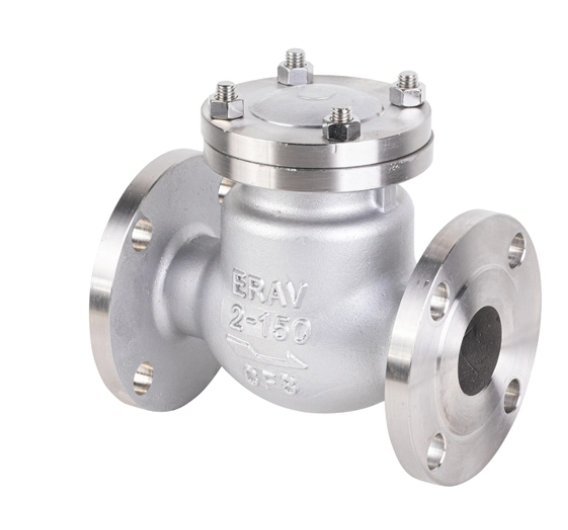
Cast steel gate valves and ductile iron gate valves serve different purposes and are suitable for various applications based on their material composition and performance characteristics. Задвижки из литой стали excel in demanding applications requiring high strength and durability, while ductile iron gate valves offer good corrosion resistance and are cost-effective for general industrial use. By understanding the key differences between these two types of gate valves, engineers and professionals can make informed decisions to optimize flow control and system performance in their specific applications.
Задвижка из литой стали

Cast steel gate valves are manufactured using a casting process that involves pouring molten steel into a mold. This process allows for the creation of valves with complex shapes and high strength. Чугунные задвижки известны своей долговечностью, high-pressure capabilities, and resistance to high temperatures. They are commonly used in demanding applications such as power plants, oil and gas industries, and chemical processing facilities.
Задвижка из ковкого чугуна
Ductile iron gate valves are produced using a process that involves treating molten iron with magnesium or other elements to improve its properties. This results in a material that is stronger and more ductile than gray iron, making it less susceptible to breakage. Задвижки из ковкого чугуна offer good corrosion resistance, долговечность, and are suitable for a wide range of industrial applications. They are commonly used in water distribution systems, очистные сооружения, and general industrial settings.
Comparison:
- Material Composition: Cast steel gate valves are made of steel, an alloy of iron and carbon, while ductile iron gate valves are made of ductile iron, a type of cast iron that has been treated to improve its strength and ductility.
- Прочность и долговечность: Cast steel gate valves are generally stronger and more durable than ductile iron gate valves due to the higher strength of steel. They can withstand higher pressure and temperature conditions.
- Устойчивость к коррозии: Ductile iron gate valves offer better corrosion resistance compared to cast steel gate valves, making them suitable for applications involving corrosive media.
- Cost: Cast steel gate valves are typically more expensive than ductile iron gate valves due to the higher cost of steel and the more complex manufacturing process.
- Application Suitability: Cast steel gate valves are ideal for high-pressure, high-temperature, and demanding applications, while ductile iron gate valves are suitable for general industrial applications, water distribution systems, and environments where corrosion resistance is important.
февраль 1, 2024 | Новости
Обратные клапаны пластинчатого типа из нержавеющей стали являются важными компонентами промышленных систем управления потоком., ensuring unidirectional flow and preventing backflow. Their corrosion resistance, Компактный дизайн, low maintenance requirements, and versatility make them suitable for a wide range of applications across various industries. By understanding the design, operation, преимущества, and diverse applications of stainless steel wafer type check valves, engineers and professionals can select the most appropriate valve for their specific requirements, ensuring efficient flow control and system performance.
Understanding Stainless Steel Wafer Type Check Valves

Stainless steel check valves к wafer check valve manufacturer China, are in-line valves designed to allow fluid flow in one direction only. They consist of a valve body, a disc or flapper, and a spring or gravity mechanism. The valve body is typically made of stainless steel, offering excellent corrosion resistance and durability.
Operation of Stainless Steel Wafer Type Check Valves
- Направление потока: When fluid flows in the intended direction, the pressure of the fluid pushes the disc or flapper open, allowing the fluid to pass through the valve.
- Backflow Prevention: When the flow direction reverses, the pressure of the fluid causes the disc or flapper to close, предотвращение обратного потока. The spring or gravity mechanism assists in closing the valve tightly to ensure a leak-proof seal.
Advantages of Stainless Steel Wafer Type Check Valves
- Устойчивость к коррозии: Stainless steel construction provides excellent resistance to corrosion, making these valves suitable for various industrial environments and media.
- Компактная конструкция: Wafer type check valves have a compact and lightweight design, making them easy to install and maintain.
- Низкие расходы: These valves require minimal maintenance, сокращение эксплуатационных расходов.
- Универсальные приложения: Stainless steel wafer type check valves are suitable for a wide range of industrial applications.
- Экономически эффективным: They offer a cost-effective solution for flow control and backflow prevention.
Applications of Stainless Steel Wafer Type Check Valves
- Water Systems: Stainless steel wafer type check valves are used in water treatment plants, plumbing systems, and irrigation networks to prevent backflow and contamination.
- Системы отопления, вентиляции и кондиционирования: These valves are employed in heating, вентиляция, and air conditioning systems to ensure proper airflow direction and prevent backdraft.
- Химическая обработка: They are utilized in chemical processing plants to control the flow of corrosive fluids and prevent backflow into sensitive equipment.
- Нефтяная и газовая промышленность: Stainless steel wafer type check valves are used in oil and gas pipelines, нефтеперерабатывающие заводы, and petrochemical plants to prevent backflow and ensure safe operation.
- Выработка энергии: These valves play a vital role in power generation plants to control the flow of fluids and prevent backflow into critical systems.

февраль 1, 2024 | Новости
Дроссельный затвор с тройным эксцентриситетом — универсальное и широко используемое устройство в различных отраслях промышленности., включая химические, нефтехимический, и фармацевтическая обработка. Однако, понимание предпочтительного направления потока этого клапана имеет решающее значение для правильной эксплуатации и технического обслуживания.. В этой статье, мы углубимся в детали предпочтительного направления потока дроссельной заслонки с тройным эксцентриситетом..
Дроссельные затворы с тройным эксцентриситетом широко используются в различных отраслях промышленности благодаря своей способности контролировать поток жидкости и изолировать системы.. Одной из ключевых особенностей этих клапанов является их способность обрабатывать двунаправленный поток., но каково предпочтительное направление потока дроссельной заслонки с тройным эксцентриситетом?? В этой статье, мы рассмотрим предпочтительное направление потока этих клапанов и почему это важно.
Дроссельный клапан с тройным смещением
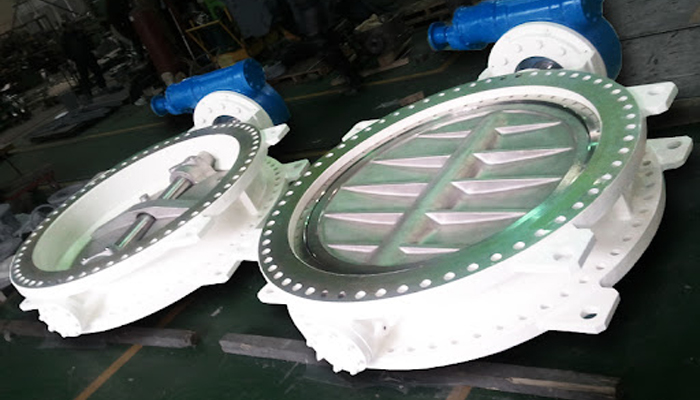
Дроссельный клапан с тройным смещением — это тип клапана, в котором для управления потоком жидкости используется плунжер в форме диска.. Плунжер клапана расположен таким образом, что создается три смещения., позволяя ему вращаться 90 градусов, чтобы открыть или закрыть клапан. Такая конструкция позволяет клапану работать с двунаправленным потоком., что делает его пригодным для широкого спектра применений.
Предпочтительное направление потока
Предпочтительное направление потока дроссельной заслонки с тройным эксцентриситетом определяется конструкцией клапана и способом его установки.. В общем, предпочтительное направление потока — от стороны входа клапана к стороне выхода. Это означает, что клапан следует устанавливать так, чтобы входное отверстие было на стороне входа, а выходное отверстие — на стороне выхода..
Существует несколько причин, почему предпочтительное направление потока важно.. Во-первых, это помогает предотвратить кавитацию, что может произойти, когда поток жидкости ограничен или реверсирован. Кавитация может привести к повреждению клапана и трубопровода., а также может привести к снижению скорости потока и повышению уровня шума.. Во-вторых, Предпочтительное направление потока помогает обеспечить правильное выравнивание плунжера клапана., что важно для бесперебойной работы и предотвращения повреждения клапана..
Направление потока и работа клапана
Направление потока также влияет на работу клапана.. Когда клапан открыт, жидкость течет со стороны входа в сторону выхода, и плунжер клапана вращается 90 градусов, чтобы обеспечить поток. Когда клапан закрыт, поток жидкости ограничен, и плунжер клапана вращается 90 градусов, чтобы перекрыть поток.
В итоге, Предпочтительное направление потока дроссельной заслонки с тройным эксцентриситетом — от стороны входа к стороне выхода.. Данное направление способствует предотвращению кавитации., обеспечивает правильное выравнивание плунжера клапана, и влияет на работу клапана. Понимая предпочтительное направление потока, отрасли могут устанавливать и эксплуатировать эти клапаны более эффективно, обеспечение плавного и эффективного управления потоком жидкости.
Факторы, влияющие на предпочтительное направление потока
Несколько факторов могут повлиять на предпочтительное направление потока дроссельной заслонки с тройным эксцентриситетом., включая размер и форму клапанов, расположение клапанов, и перепад давления на клапанах. Правильная установка и выравнивание клапанов имеют решающее значение для обеспечения правильного направления потока и предотвращения засоров или утечек..
Примеры и приложения
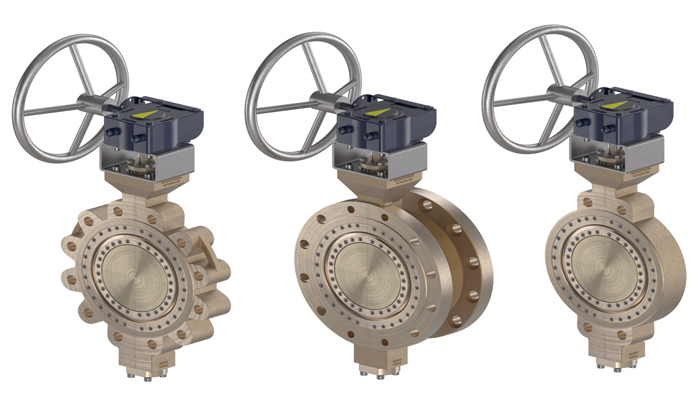
Дроссельные затворы с тройным эксцентриситетом широко используются в различных отраслях промышленности., в том числе водоподготовка, химическая обработка, и добыча нефти и газа. Они часто используются в приложениях, где требуются высокие скорости потока и низкие перепады давления., например, в трубопроводах и насосных станциях.
Например, на водоочистной станции, дроссельный клапан с тройным смещением можно использовать для управления потоком воды в процессе очистки.. Клапан может быть установлен в горизонтальном положении., с входом на стороне входа и выходом на стороне выхода. Это позволяет воде течь через клапан и попадать в процесс очистки., где его можно фильтровать и очищать.
В другом примере, дисковый затвор с тройным смещением можно использовать на химическом заводе для контроля потока химикатов в процессе реакции.. Клапан может быть установлен в вертикальном положении., с входом на стороне входа и выходом на стороне выхода. Это позволяет химическим веществам проходить через клапан и участвовать в процессе реакции., где их можно смешивать и вступать в реакцию.
Заключение
В заключение, Предпочтительное направление потока дроссельной заслонки с тройным эксцентриситетом является важным фактором для отраслей, которые используют эти клапаны для регулирования потока жидкости.. Понимая причины предпочтительного направления потока и то, как оно влияет на работу клапана., отрасли могут оптимизировать использование этих клапанов и обеспечить бесперебойную и эффективную работу.. Будь то очистка воды, химическая обработка, или другие приложения, дисковый затвор с тройным эксцентриситетом — универсальный и надежный вариант регулирования расхода жидкости..

Ян 31, 2024 | Новости
Triple offset butterfly valves and wafer butterfly valves serve different purposes and are suitable for various applications based on their design and performance characteristics. Triple offset butterfly valves excel in demanding applications requiring superior sealing, уменьшенный износ, and reliability, while wafer butterfly valves are cost-effective solutions for general industrial applications and low-pressure systems.
By understanding the key differences between these two types of butterfly valves, engineers and professionals can make informed decisions to optimize flow control and system performance in their specific applications.
Дроссельный клапан с тройным смещением
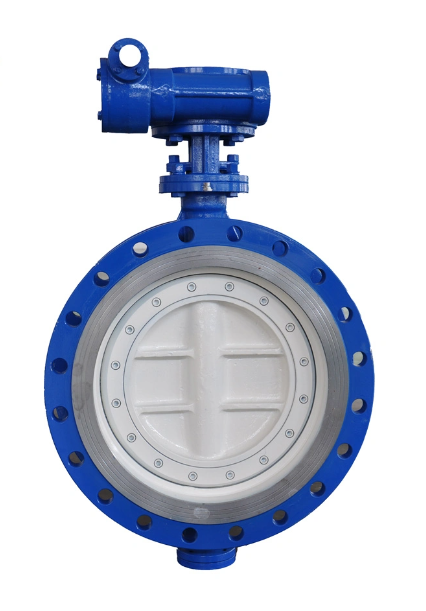
Дроссельные затворы с тройным эксцентриситетом from Китайский производитель клапанов, incorporate a unique design that features three offsets: shaft offset, disc offset, and seat offset. This design provides superior sealing capabilities, уменьшенный износ, and reliable operation. Triple offset butterfly valves are known for their high-performance characteristics and are often used in demanding applications such as chemical processing, нефти и газа, выработка энергии, очистка воды, и фармацевтическая промышленность.
Вафельный клапан-бабочка
China Wafer butterfly valves, also known as lug-type butterfly valves, have a more straightforward design compared to triple offset butterfly valves. They consist of a circular disc mounted on a shaft and are installed between two pipe flanges. Вафельные дисковые затворы компактны и легки., making them suitable for space-constrained applications. They are commonly used in general industrial applications, системы отопления, вентиляции и кондиционирования, water distribution systems, and irrigation networks.
Comparison:
- Герметичность: Triple offset butterfly valves offer superior sealing capabilities due to their unique offset design, which ensures a tight seal even under high-pressure conditions. Wafer butterfly valves provide adequate sealing for low-pressure applications but may not be suitable for high-pressure or critical processes.
- Wear and Tear: The offset design of triple offset butterfly valves reduces friction between the disc and seat, resulting in less wear and tear. This extends the valve’s lifespan and reduces maintenance requirements. Wafer butterfly valves experience more wear and tear due to the direct contact between the disc and seat, requiring more frequent maintenance or replacement.
- Обслуживание: Triple offset butterfly valves require minimal maintenance due to their reduced wear and tear. Wafer butterfly valves require more frequent maintenance, including periodic inspection and replacement of worn-out parts.
- Application Suitability: Triple offset butterfly valves are ideal for demanding applications where high-pressure sealing, уменьшенный износ, and reliability are essential. Wafer butterfly valves are suitable for general industrial applications, системы отопления, вентиляции и кондиционирования, and low-pressure fluid handling.



