
Feb 18, 2024 | Noticias
Las válvulas de compuerta y las válvulas de bola son dos tipos comunes de dispositivos de control de flujo utilizados en diversas industrias.. While both types of valves serve the same purpose of controlling the flow of fluids, there are several reasons why a gate valve might be preferred over a ball valve in certain situations.
1. Diseño y funcionalidad
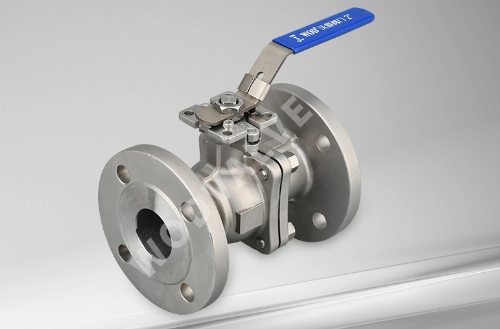
Gate valves are designed to control the flow of fluids in a more precise and efficient manner compared to ball valves. Gate valves consist of a gate and a stem, whereas ball valves have a ball and a stem. The gate valve is operated by a lever or a handle, while the ball valve is operated by a handle or a rod.
2. Control de flujo
Gate valves offer more precise control over the flow of fluids compared to ball valves. Gate valves can be adjusted to allow for small changes in flow rates, while ball valves can only be adjusted in larger increments. This makes gate valves more suitable for applications where precise control over the flow rate is crucial.
3. Safety Features
Gate valves are considered safer than ball valves because they do not have a rotating component that can cause injury in case of a malfunction. Además, gate valves are easier to maintain and repair compared to ball valves.
4. Durabilidad
Gate valves are generally more durable than ball valves. They are made of materials that are resistant to corrosion and wear, making them more long-lasting.
5. Costo
Gate valves tend to be more expensive than ball valves, especially for high-pressure applications. Sin embargo, the increased cost is often justified by the improved safety and functionality of gate valves.

When to Use a Gate Valve Instead of a Ball Valve
If you need precise control over the flow rate of fluids, a gate valve might be the better choice. Gate valves are ideal for applications where small changes in flow rate are crucial, como en el procesamiento químico, food and beverage manufacturing, and pharmaceutical production.
Por otro lado, if you need a more straightforward and user-friendly flow control device, a ball valve might be the better choice. Ball valves are simpler to operate and maintain compared to gate valves, making them ideal for applications where simplicity and ease of use are paramount, such as in residential plumbing and HVAC systems.
Ventajas de las válvulas de compuerta
There are several advantages of using a gate valve over a ball valve, incluido:
- Control de flujo preciso: Gate valves provide more precise flow control, making them ideal for applications where consistent flow rates are required.
- Higher Pressure Rating: Gate valves are rated for higher pressures than ball valves, making them a better choice for high-pressure applications.
- Easier Maintenance: Gate valves are generally easier to maintain than ball valves, as the flat gate provides a larger surface area for cleaning and maintenance.
- Lower Cost: Gate valves are generally less expensive than ball valves, making them a more cost-effective option for many applications.
Aplicaciones de las válvulas de compuerta
Gate valves are commonly used in a variety of industrial and commercial applications, incluido:
- Tratamiento de aguas: Gate valves are commonly used in water treatment plants to control the flow of water and chemicals.
- Petróleo y gas: Gate valves are used in oil and gas production to control the flow of fluids and gases.
- Procesamiento químico: Gate valves are used in chemical processing plants to control the flow of chemicals and other fluids.
- climatización: Gate valves are used in heating, ventilación, and air conditioning systems to control the flow of water and air.

Conclusión
Gate valve vs ball valve which is better for your project? En conclusión, gate valves and ball valves are two different types of flow control devices with distinct advantages and disadvantages. While both types of valves serve the same purpose of controlling the flow of fluids, gate valves offer more precise control, safety features, durabilidad, y rentabilidad.
Por lo tanto, if you need precise control over the flow rate of fluids, a gate valve might be the better choice. Sin embargo, if you need a more straightforward and user-friendly flow control device, a ball valve might be the better choice.
Feb 2, 2024 | Noticias
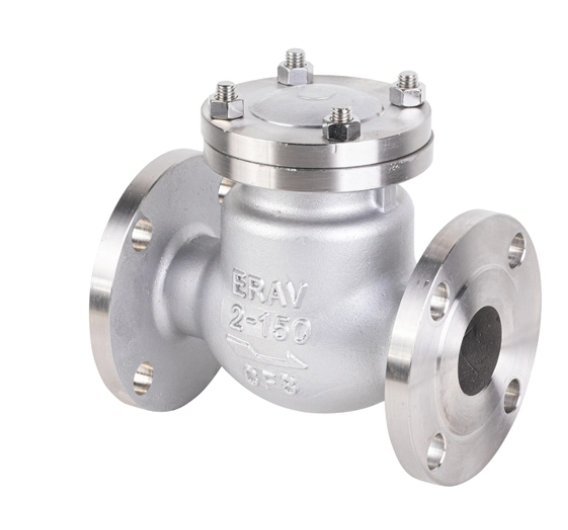
Cast steel gate valves and ductile iron gate valves serve different purposes and are suitable for various applications based on their material composition and performance characteristics. Válvulas de compuerta de acero fundido excel in demanding applications requiring high strength and durability, while ductile iron gate valves offer good corrosion resistance and are cost-effective for general industrial use. By understanding the key differences between these two types of gate valves, engineers and professionals can make informed decisions to optimize flow control and system performance in their specific applications.
Válvula de compuerta de acero fundido

Cast steel gate valves are manufactured using a casting process that involves pouring molten steel into a mold. This process allows for the creation of valves with complex shapes and high strength. Válvulas de compuerta de hierro fundido are known for their durability, high-pressure capabilities, and resistance to high temperatures. They are commonly used in demanding applications such as power plants, oil and gas industries, e instalaciones de procesamiento químico.
Válvula de compuerta de hierro dúctil
Ductile iron gate valves are produced using a process that involves treating molten iron with magnesium or other elements to improve its properties. This results in a material that is stronger and more ductile than gray iron, making it less susceptible to breakage. Válvulas de compuerta de hierro dúctil offer good corrosion resistance, durabilidad, and are suitable for a wide range of industrial applications. They are commonly used in water distribution systems, plantas de tratamiento de aguas residuales, and general industrial settings.
Comparison:
- Material Composition: Cast steel gate valves are made of steel, an alloy of iron and carbon, while ductile iron gate valves are made of ductile iron, a type of cast iron that has been treated to improve its strength and ductility.
- Strength and Durability: Cast steel gate valves are generally stronger and more durable than ductile iron gate valves due to the higher strength of steel. They can withstand higher pressure and temperature conditions.
- Resistencia a la corrosión: Ductile iron gate valves offer better corrosion resistance compared to cast steel gate valves, making them suitable for applications involving corrosive media.
- Costo: Cast steel gate valves are typically more expensive than ductile iron gate valves due to the higher cost of steel and the more complex manufacturing process.
- Application Suitability: Cast steel gate valves are ideal for high-pressure, high-temperature, and demanding applications, while ductile iron gate valves are suitable for general industrial applications, water distribution systems, and environments where corrosion resistance is important.
Feb 1, 2024 | Noticias
Las válvulas de retención tipo wafer de acero inoxidable son componentes esenciales en los sistemas de control de flujo industriales., ensuring unidirectional flow and preventing backflow. Their corrosion resistance, diseño compacto, low maintenance requirements, and versatility make them suitable for a wide range of applications across various industries. By understanding the design, operación, ventajas, and diverse applications of stainless steel wafer type check valves, engineers and professionals can select the most appropriate valve for their specific requirements, ensuring efficient flow control and system performance.
Understanding Stainless Steel Wafer Type Check Valves

Stainless steel check valves by wafer check valve manufacturer China, are in-line valves designed to allow fluid flow in one direction only. Consisten en un cuerpo de válvula., a disc or flapper, and a spring or gravity mechanism. The valve body is typically made of stainless steel, offering excellent corrosion resistance and durability.
Operation of Stainless Steel Wafer Type Check Valves
- Dirección del flujo: When fluid flows in the intended direction, the pressure of the fluid pushes the disc or flapper open, allowing the fluid to pass through the valve.
- Prevención de reflujo: When the flow direction reverses, the pressure of the fluid causes the disc or flapper to close, evitando el reflujo. The spring or gravity mechanism assists in closing the valve tightly to ensure a leak-proof seal.
Advantages of Stainless Steel Wafer Type Check Valves
- Resistencia a la corrosión: Stainless steel construction provides excellent resistance to corrosion, making these valves suitable for various industrial environments and media.
- Diseño compacto: Wafer type check valves have a compact and lightweight design, making them easy to install and maintain.
- Low Maintenance: These valves require minimal maintenance, reducing operational costs.
- Aplicaciones versátiles: Stainless steel wafer type check valves are suitable for a wide range of industrial applications.
- Económico: They offer a cost-effective solution for flow control and backflow prevention.
Applications of Stainless Steel Wafer Type Check Valves
- Water Systems: Stainless steel wafer type check valves are used in water treatment plants, plumbing systems, and irrigation networks to prevent backflow and contamination.
- Sistemas HVAC: These valves are employed in heating, ventilación, and air conditioning systems to ensure proper airflow direction and prevent backdraft.
- Procesamiento químico: They are utilized in chemical processing plants to control the flow of corrosive fluids and prevent backflow into sensitive equipment.
- Industria de petróleo y gas: Stainless steel wafer type check valves are used in oil and gas pipelines, refinerías, and petrochemical plants to prevent backflow and ensure safe operation.
- Generación de energía: These valves play a vital role in power generation plants to control the flow of fluids and prevent backflow into critical systems.

Feb 1, 2024 | Noticias
Una válvula de mariposa de triple compensación es un dispositivo versátil y ampliamente utilizado en diversas industrias., incluyendo productos químicos, petroquímico, y procesamiento farmacéutico. Sin embargo, Comprender la dirección de flujo preferida de esta válvula es crucial para una operación y mantenimiento adecuados.. En este articulo, Profundizaremos en los detalles de la dirección de flujo preferente de una válvula de mariposa de triple excentricidad..
Válvulas de mariposa de triple compensación Se utilizan ampliamente en diversas industrias por su capacidad para controlar el flujo de fluidos y aislar sistemas.. Una de las características clave de estas válvulas es su capacidad para manejar el flujo bidireccional., pero ¿cuál es la dirección de flujo preferida de una válvula de mariposa de triple compensación?? En este articulo, Exploraremos la dirección de flujo preferida de estas válvulas y por qué es importante..
Válvula de mariposa de triple compensación
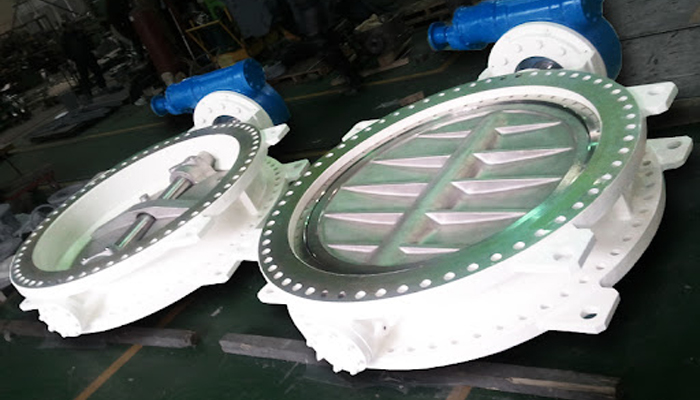
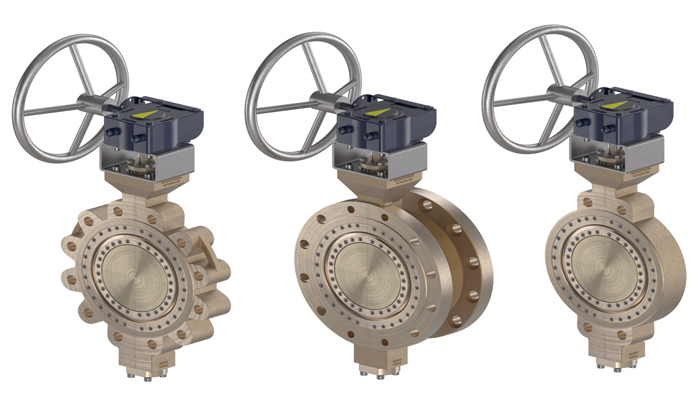
Una válvula de mariposa de triple compensación es un tipo de válvula que utiliza un tapón de válvula en forma de disco para controlar el flujo de fluido.. El obturador de la válvula está colocado de manera que crea tres compensaciones., permitiéndole girar 90 grados para abrir o cerrar la válvula. Este diseño permite que la válvula maneje flujo bidireccional., haciéndolo adecuado para una amplia gama de aplicaciones.
Dirección de flujo preferida
La dirección de flujo preferida de una válvula de mariposa de triple compensación está determinada por el diseño de la válvula y la forma en que está instalada.. En general, La dirección de flujo preferida es desde el lado aguas arriba de la válvula hacia el lado aguas abajo.. Esto significa que la válvula debe instalarse con la entrada en el lado aguas arriba y la salida en el lado aguas abajo..
Hay varias razones por las que la dirección preferida del flujo es importante. En primer lugar, ayuda a prevenir la cavitación, que puede ocurrir cuando el flujo de fluido se restringe o se invierte. La cavitación puede causar daños a la válvula y a la tubería., y también puede conducir a tasas de flujo reducidas y mayores niveles de ruido.. En segundo lugar, La dirección de flujo preferida ayuda a garantizar que el obturador de la válvula esté correctamente alineado., Lo cual es importante para un funcionamiento suave y para evitar daños a la válvula..
Dirección del flujo y operación de la válvula
La dirección del flujo también afecta el funcionamiento de la válvula.. Cuando la válvula está abierta, El fluido fluye desde el lado aguas arriba hacia el lado aguas abajo., y el obturador de la válvula se gira 90 grados para permitir el flujo. Cuando la válvula está cerrada, el flujo de fluido está restringido, y el obturador de la válvula se gira 90 grados para bloquear el flujo.
En resumen, La dirección de flujo preferida de una válvula de mariposa de triple compensación es desde el lado aguas arriba hacia el lado aguas abajo.. Esta dirección ayuda a prevenir la cavitación., Garantiza la alineación adecuada del tapón de la válvula., y afecta el funcionamiento de la válvula. Al comprender la dirección de flujo preferida, Las industrias pueden instalar y operar estas válvulas de manera más efectiva., asegurando un control de flujo de fluido suave y eficiente.
Factores que afectan la dirección de flujo preferida
Varios factores pueden afectar la dirección de flujo preferida de una válvula de mariposa de triple compensación., incluyendo el tamaño y la forma de las válvulas, la orientación de las válvulas, y la caída de presión a través de las válvulas.. La instalación y alineación adecuadas de las válvulas son cruciales para garantizar la dirección adecuada del flujo y evitar obstrucciones o fugas..
Ejemplos y aplicaciones
Las válvulas de mariposa de triple compensación se utilizan ampliamente en diversas industrias., incluyendo tratamiento de agua, procesamiento químico, y producción de petróleo y gas. A menudo se utilizan en aplicaciones donde se requieren altos caudales y bajas caídas de presión., como en tuberías y estaciones de bombeo.
Por ejemplo, en una planta de tratamiento de agua, Se puede utilizar una válvula de mariposa de triple compensación para controlar el flujo de agua a través de un proceso de tratamiento.. La válvula se puede instalar en posición horizontal., con la entrada en el lado aguas arriba y la salida en el lado aguas abajo. Esto permite que el agua fluya a través de la válvula y entre al proceso de tratamiento., donde se puede filtrar y purificar.
En otro ejemplo, Se puede utilizar una válvula de mariposa de triple compensación en una planta de procesamiento de productos químicos para controlar el flujo de productos químicos a través de un proceso de reacción.. La válvula se puede instalar en posición vertical., con la entrada en el lado aguas arriba y la salida en el lado aguas abajo. Esto permite que los productos químicos fluyan a través de la válvula y entren en el proceso de reacción., donde se pueden mezclar y reaccionar.
Conclusión
En conclusión, La dirección de flujo preferida de una válvula de mariposa de triple compensación es una consideración importante para las industrias que utilizan estas válvulas para el control del flujo de fluidos.. Entendiendo las razones detrás de la dirección de flujo preferida y cómo afecta el funcionamiento de la válvula., Las industrias pueden optimizar el uso de estas válvulas y garantizar un funcionamiento fluido y eficiente.. Ya sea para el tratamiento del agua., procesamiento químico, u otras aplicaciones, La válvula de mariposa de triple compensación es una opción versátil y confiable para el control del flujo de fluidos..

Ene 31, 2024 | Noticias
Triple offset butterfly valves and wafer butterfly valves serve different purposes and are suitable for various applications based on their design and performance characteristics. Triple offset butterfly valves excel in demanding applications requiring superior sealing, desgaste reducido, y confiabilidad, while wafer butterfly valves are cost-effective solutions for general industrial applications and low-pressure systems.
By understanding the key differences between these two types of butterfly valves, engineers and professionals can make informed decisions to optimize flow control and system performance in their specific applications.
Válvula de mariposa de triple compensación
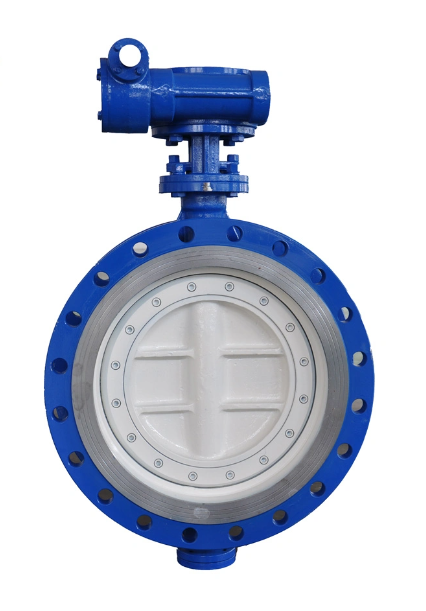
Válvulas de mariposa de triple compensación from fabricante de válvulas de China, incorporate a unique design that features three offsets: shaft offset, disc offset, and seat offset. This design provides superior sealing capabilities, reduced wear and tear, and reliable operation. Triple offset butterfly valves are known for their high-performance characteristics and are often used in demanding applications such as chemical processing, petróleo y gas, generación de energía, tratamiento de aguas, and pharmaceutical industries.
Válvula de mariposa de oblea
China Wafer butterfly valves, also known as lug-type butterfly valves, have a more straightforward design compared to triple offset butterfly valves. They consist of a circular disc mounted on a shaft and are installed between two pipe flanges. Wafer butterfly valves are compact and lightweight, making them suitable for space-constrained applications. They are commonly used in general industrial applications, sistemas de climatización, water distribution systems, and irrigation networks.
Comparison:
- Rendimiento de sellado: Triple offset butterfly valves offer superior sealing capabilities due to their unique offset design, which ensures a tight seal even under high-pressure conditions. Wafer butterfly valves provide adequate sealing for low-pressure applications but may not be suitable for high-pressure or critical processes.
- Wear and Tear: The offset design of triple offset butterfly valves reduces friction between the disc and seat, resulting in less wear and tear. This extends the valve’s lifespan and reduces maintenance requirements. Wafer butterfly valves experience more wear and tear due to the direct contact between the disc and seat, requiring more frequent maintenance or replacement.
- Mantenimiento: Triple offset butterfly valves require minimal maintenance due to their reduced wear and tear. Wafer butterfly valves require more frequent maintenance, including periodic inspection and replacement of worn-out parts.
- Application Suitability: Triple offset butterfly valves are ideal for demanding applications where high-pressure sealing, desgaste reducido, and reliability are essential. Wafer butterfly valves are suitable for general industrial applications, sistemas de climatización, and low-pressure fluid handling.



