
Feb 22, 2024 | Noticias
Las válvulas de retención son un componente esencial en muchos procesos industriales., y desempeñan un papel crucial en la prevención del reflujo y garantizar el flujo suave de fluidos. Sin embargo, como cualquier otro componente mecánico, Las válvulas de retención pueden fallar con el tiempo., y es importante saber cuándo es el momento de reemplazarlos. We’ll discuss the signs that indicate a valve needs to be replaced and how to diagnose valve failure.
Check valves can fail for a variety of reasons, including wear and tear, corrosion, and damage from debris. Here are some common signs that a valve may be failing:
Increased noise: If you notice a loud banging or clunking noise coming from the valve, it may be a sign that the valve is not functioning properly.
Reduced flow rate: If the fluid flow rate through the valve is lower than usual, it may indicate that the valve is clogged or damaged.
Fugas: If you notice fluid leaking around the valve, it’s a clear sign that the valve is no longer functioning properly.
Difficulty opening or closing: If the valve is difficult to open or close, it may be a sign that the valve is damaged or worn out.

Diagnosing check valve failure
Diagnosing check valve failure can be a challenging task, but several methods can help you identify the problem. Here are some common methods used to diagnose valve failure:
Visual inspection: A visual inspection of the valve can help you identify any physical damage or debris that may be causing the problem.
Pressure testing: Pressure testing the valve can help you determine if the valve is functioning properly.
Flow testing: Flow testing the valve can help you determine if the valve is restricting flow or if there are any leaks.
Acoustic testing: Acoustic testing of the valve can help you identify any abnormal sounds that may indicate a problem.
En conclusión, valves are an essential component in many industrial processes, y es importante saber cuándo es el momento de reemplazarlos. By identifying the signs of a failing valve and using diagnostic methods to determine the cause of the problem, you can ensure that your process runs smoothly and efficiently.
¿Cómo saber si necesita una nueva válvula de retención??
There are several ways to determine if you need a new valve:
Observe the valve’s performance: Regularly monitor the valve’s operation and observe if it is leaking or not performing as expected.
Check the valve’s condition: Inspect the valve for any signs of wear or damage, such as cracks, rust, or missing parts.
Compare the valve’s performance to specifications: Check the valve’s performance against the manufacturer’s specifications to determine if it is still within tolerance.
Use diagnostic tools: Utilize diagnostic tools, such as pressure gauges or flow meters, to measure the valve’s performance and detect any issues.
Consult with a professional: If you are unsure about the valve’s condition or need guidance on how to diagnose and repair it, consult with a professional engineer or technician.

Conclusión
Check valves are crucial in preventing backflow and ensuring smooth fluid flow in industrial processes. Sin embargo, they can fail due to wear and tear, corrosion, or debris damage. To diagnose valve failure, look for signs such as increased noise, reduced flow rate, leaks, or difficulty opening or closing. Diagnostic methods like visual inspection, pressure testing, flow testing, and acoustic testing can help identify the problem. Replacing a failing valve is essential to ensure process efficiency and avoid costly repairs.

Feb 21, 2024 | Noticias
Para sistemas de distribución de agua subterránea., gate valves with non-rising stems are commonly used to isolate sections of piping for repairs or maintenance. One type that excels in buried applications where debris is a concern are válvula de compuerta de asiento resistente featuring this non-rising stem design. Ciertamente, aiming to the applications of underground, we also call this kinds of valves as válvula de compuerta subterránea or underground gate valve. Let’s explore why these valves are well-suited for underground pressure piping.
What is A Resilient Seat Gate Valve?
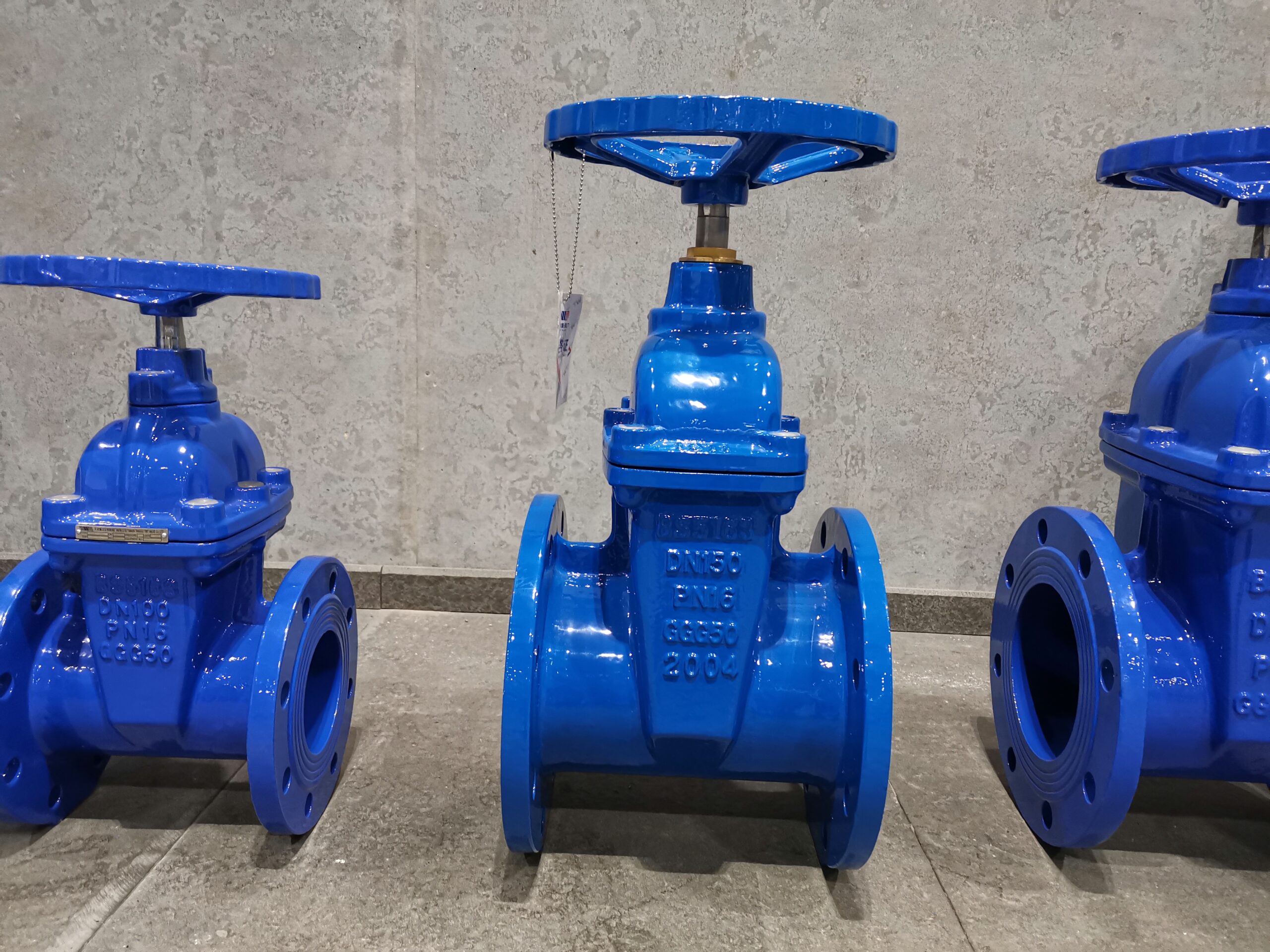
Gate valves contain a wedge-shaped gate that slides vertically to open or close flow. Period, resiliently seated gate valves improved upon traditional designs by using an elastomeric seal bonded to the gate rather than a mechanical seal.
This not only provides drip-proof shutoff, but also allows the valve to be used in either flow direction. Furthermore, elastomeric seals are less susceptible to damage from sand or grit than metal-to-metal sealing surfaces.
Non Rising Stems Prevent Damage
Whether the valve is open or closed, the concealed stem remains in the same vertical position relative to the valve body. This protects the operating nut and valve stem from damage during installation or if debris gets under the valve.
With a rising stem valve, the stem rises when it opens. Plus it goes down when closed. If subsurface conditions change over time, valve stems are at risk.
However the non-rising stems are only slightly above the ground to avoid snag hazards. This is why we suggest about Válvula de compuerta de vástago no ascendente de China.
Top Benefits For Buried Piping Applications
- Drip-tight sealing withstands system pressure surges and prevents leaks even in gritty or sandy soil conditions.
- Corrosion-resistant ductile or bronze bodies hold up well underground for decades of use.
- Buried valves eliminate risk of unauthorized access or tampering with surface-mounted valves.
- Non-rising stems protect the stem and operating mechanism from debris entering the valve body.
- Extended operation in either flow direction using tapped or flanged end connections.
- Test and operate valves with standard pentagonal wrenches without needing to excavate.
Suitable For Pressures To 250 PSI
Most resiliently seated gate valves suitable for underground piping applications are rated for a closing pressure of 150 a 250 PSI (libras por pulgada cuadrada).
The ductile iron or cast iron gate valve in industrial gate valves can support these pressures in water mains up to 12 o 16 pulgadas de diámetro. It will depend on the model.
Flange ends simplify installation using bolted accessories. With proper installation techniques and adequate thrust, gate valves can provide very reliable closure for pipeline repairs near critical facilities.
Ease of Installation And Maintenance
A typical installation of a resiliently seated gate valve requires the lower half of the valve body to be embedded in the ground so that only the operating nut protrudes above the ground.
The surrounding compacted backfill provides support and prevents the valve from moving.
This setup allows access to the valve without digging a small hole around the stem nut. Regular valve exercises and pressure tests verify proper operation for decades of underground use. For maintenance, a simple replacement of the rubber elastic seat is usually sufficient.

Feb 20, 2024 | Noticias
Refiriéndose a válvulas de mariposa, Hay dos opciones populares para aplicaciones de alto rendimiento.. por separado, they are double eccentric butterfly valves and the soft sealing butterfly valves.
When comparing high-performance válvula de mariposa doble excéntrica with soft sealing butterfly valves, it is essential to consider the specific requirements of your application.

Diseño y Operación:
Double eccentric butterfly valves have a unique design with the stem offset from the centerline of the valve disc.
This design reduces friction and wear, allowing for smoother operation and precise control of fluid flow.
Sealing Method:
Double eccentric butterfly valves typically employ a metal-to-metal sealing mechanism.
This ensures a tight and reliable seal, even under demanding conditions with high temperatures, pressures, or abrasive media.
Performance Capabilities:
Double eccentric butterfly valves excel in high-performance applications, offering excellent throttling capabilities and low-pressure drops.
They provide reliable and precise flow control, making them suitable for industries such as oil and gas, procesamiento químico, y generación de energía.
II. Soft Sealing Butterfly Valves: Versatility and Resilience
Diseño y Operación:
Soft sealing butterfly valve feature a resilient seat made of materials such as EPDM, NBR, or PTFE. This design allows for a tight seal against the valve disc, so that it realized leak-free operation.
Sealing Method:
Soft sealing butterfly valves utilize a soft elastomeric material to create a seal between the disc and the seat. This sealing method provides excellent resistance to various fluids. For instances, water, air, and mild chemicals.
Performance Capabilities:
Soft sealing butterfly valves are versatile and suitable for a wide range of applications. These applications refer to water treatment, sistemas de climatización, and general industrial processes. Addtionally, they offer reliable sealing performance and can handle moderate temperatures and pressures.
III. Comparing Double Eccentric and Soft Sealing Butterfly Valves
Rendimiento de sellado:
Double eccentric butterfly valves provide a metal-to-metal seal. So it presents the superior sealing performance under high-pressure and high-temperature conditions.
Soft sealing butterfly valves offer reliable sealing performance for moderate pressure and temperature applications, with the advantage of flexibility in handling different fluids.
Flow Control and Pressure Drop:
Double eccentric butterfly valves offer precise flow control and low-pressure drops. High-performance applications requiring precise throttling so double eccentric type is good choice.
Soft-sealing butterfly valves provide good flow control and moderate pressure drop. It is ideally suited for general industrial processes that are not demanding.
Application Suitability:
Double offset butterfly valves are commonly used in industries where accuracy and reliability are critical. Examples include oil and gas, chemical processing and power generation.
Soft sealing butterfly valves are widely used. We have demonstrated applications in water treatment, HVAC systems and general industrial processes.

Feb 19, 2024 | Noticias
Las válvulas de mariposa son componentes esenciales en aplicaciones industriales., ofreciendo un control de flujo eficiente. Choosing the right type of butterfly valve depends on various factors. These factors or saying features include the desired driving mode, working pressure, working temperature and structural features. En primer lugar, Pneumatic actuator butterfly valve offer reliability and versatility, with the choice between wafer and flanged designs. Mientras tanto, válvula de mariposa eléctrica provide automated operation and precise control, making them suitable for a wide temperature range. Además, Manual butterfly valves offer simplicity and cost-effectiveness, ideal for low-pressure applications. Consider your specific requirements and application needs to select the most suitable butterfly valve type for your industrial processes.
I. Pneumatic Actuator Butterfly Valve: Reliable and Versatile
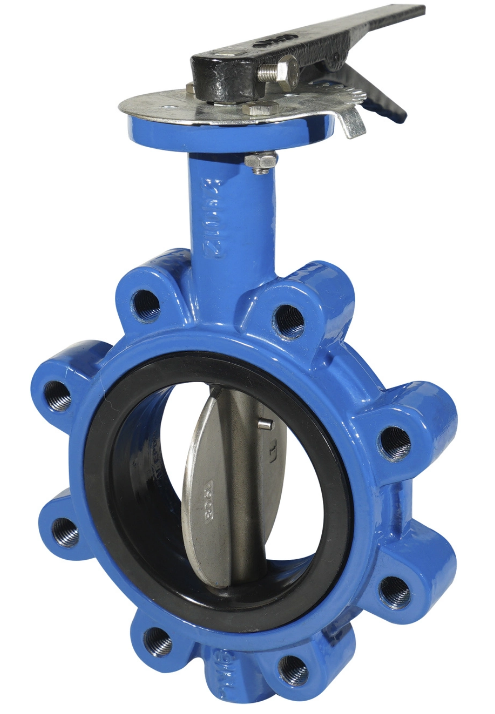
Characteristic: Wafer or Flanged Butterfly Valve
- Pneumatic actuator butterfly valves can be either wafer or flanged in design.
- The choice between the two depends on the specific application and installation requirements.
Presión de trabajo: Presión media (2.5MPa < P.n. < 6.4MPa)
Pneumatic actuator butterfly valves are designed to handle mid-pressure applications. So it provides reliable performance and efficient flow control.
II. Electric Butterfly Valve: Automated and Precise
Modo de conducción: Eléctrico
- Electric butterfly valves are powered by electric actuators.So, It enables automated operation and precise control over fluid flow.
- This driving mode eliminates the need for manual intervention. This isideal for applications requiring remote control or frequent adjustments.
Temperatura de trabajo: Temperatura normal (-40ºC < T < 120ºC)
Electric butterfly valves can operate within a wide temperature range, from -40°C to 120°C. Mientras tanto, wide range of working temperature makes them suitable for both hot and cold applications.
Estructura: Sellado doble excéntrico
- Electric butterfly valves feature a double-eccentric sealing structure, which enhances sealing performance and reduces wear and tear on the valve seat.
- This design ensures tight shut-off and minimizes the risk of leakage.
III. Manual Butterfly Valve: Simple and Cost-Effective
Modo de conducción: Manual
Manual butterfly valves are operated manually, either through a lever or a handwheel.
This driving mode offers simplicity and cost-effectiveness, making them suitable for applications where automation is not required.
Estructura: Center Sealing
Manual butterfly valve typically feature a center sealing structure, providing reliable sealing performance and ease of operation.
Presión de trabajo: Baja presión
Manual butterfly valves are designed for low-pressure applications, offering economical flow control solutions.
Stem Material: Acero inoxidable
The stem of manual butterfly valves is commonly made of stainless steel, ensuring durability and resistance to corrosion.

Feb 18, 2024 | Noticias
TWT is leading China valve supplier and manufacturer. A través de más de 10 años de experiencia en esta industria, we know butterfly valves play a crucial role in controlling fluid flow in various industrial applications. Mientras tanto, wafer butterfly valves and lug type butterfly valves offer distinct advantages based on their pressure ratings, size range, valve life, and valve plate materials.

As insider, TWT will explain detail about both of types of butterfly valves. Válvula de mariposa de oblea provide versatility and efficiency, with pressure ratings ranging from PN1.0 to PN1.6MPa and a wide size range from DN50 to DN1200. Por otro lado, lug type butterfly valves offer durability and long-lasting performance, with an expected valve life of up to 50 años. They also provide flexibility in terms of valve plate materials, including stainless steel, aluminum bronze, and ductile iron.
I. Válvula de mariposa de oblea: Versatile And Efficient
Clasificaciones de presión (PN1.0~1.6MPa):
- Wafer butterfly valves typically have pressure ratings ranging from PN1.0 to PN1.6MPa.
- This means they can handle moderate to high-pressure applications.Reliable performance and efficient flow control could be referred to pressure rating.
Rango de tamaño (DN50~DN1200):
- Wafer butterfly valves are available in a variety of sizes. Popular sizes range from DN50 all the way up to DN1200.
- This versatility allows them to be used in a variety of piping systems. In order to adapt to different flow rates and pipe diameters.
Efficiency and Compact Design:
- The wafer design of these butterfly valves makes them compact and lightweight.If consider to be easy installation and space-saving characteristics, compact and lightweight are important factors.
- Their streamlined flow path minimizes pressure drop and maximizes efficiency.These features are ideal for applications where flow restriction needs to be minimized.
II. Válvula de mariposa tipo orejeta: Durable And Long-Lasting
Vida útil de la válvula (50 Años):
- Lug type butterfly valves are designed for long-term usage, with an expected valve life of up to 50 años.
- This durability ensures reliable performance and cost-effectiveness over an extended period.This will reduce the need for frequent replacements.
Valve Plate Material Options:
- Lug type butterfly valve offersa variety of valve plate material options. The common choice is about stainless steel, aluminum bronze and ductile iron.
- Stainless steel provides excellent corrosion resistance.This excellent proper is drive stainless steel to be suitable for applications involving corrosive fluids.
- Aluminum bronze offers enhanced strength and durability.It will be a preferred choice for demanding environments.
- Ductile iron provides a balance between strength and cost-effectiveness.Absolutely, it’s a versatile option for various applications.
Secure and Reliable Operation:
- Lug type butterfly valves feature threaded inserts or lugs on the valve body.These threaded inserts make them to be securely bolted onto the pipeline.
- This design ensures a rigid connection, minimizing the risk of leakage and ensuring reliable operation even under high-pressure conditions.


