
Las válvulas de mariposa son componentes esenciales en aplicaciones industriales., ofreciendo un control de flujo eficiente. Choosing the right type of butterfly valve depends on various factors. These factors or saying features include the desired driving mode, working pressure, working temperature and structural features. En primer lugar, Pneumatic actuator butterfly valve offer reliability and versatility, with the choice between wafer and flanged designs. Mientras tanto, válvula de mariposa eléctrica provide automated operation and precise control, making them suitable for a wide temperature range. Además, Manual butterfly valves offer simplicity and cost-effectiveness, ideal for low-pressure applications. Consider your specific requirements and application needs to select the most suitable butterfly valve type for your industrial processes.
I. Pneumatic Actuator Butterfly Valve: Reliable and Versatile
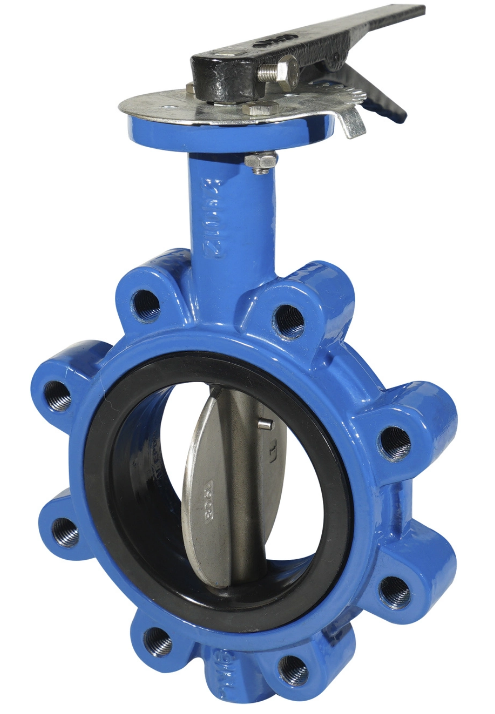
Characteristic: Wafer or Flanged Butterfly Valve
- Pneumatic actuator butterfly valves can be either wafer or flanged in design.
- The choice between the two depends on the specific application and installation requirements.
Presión de trabajo: Presión media (2.5MPa < P.n. < 6.4MPa)
Pneumatic actuator butterfly valves are designed to handle mid-pressure applications. So it provides reliable performance and efficient flow control.
II. Electric Butterfly Valve: Automated and Precise
Modo de conducción: Eléctrico
- Electric butterfly valves are powered by electric actuators.So, It enables automated operation and precise control over fluid flow.
- This driving mode eliminates the need for manual intervention. This isideal for applications requiring remote control or frequent adjustments.
Temperatura de trabajo: Temperatura normal (-40ºC < T < 120ºC)
Electric butterfly valves can operate within a wide temperature range, from -40°C to 120°C. Mientras tanto, wide range of working temperature makes them suitable for both hot and cold applications.
Estructura: Sellado doble excéntrico
- Electric butterfly valves feature a double-eccentric sealing structure, which enhances sealing performance and reduces wear and tear on the valve seat.
- This design ensures tight shut-off and minimizes the risk of leakage.
III. Manual Butterfly Valve: Simple and Cost-Effective
Modo de conducción: Manual
Manual butterfly valves are operated manually, either through a lever or a handwheel.
This driving mode offers simplicity and cost-effectiveness, making them suitable for applications where automation is not required.
Estructura: Center Sealing
Manual butterfly valve typically feature a center sealing structure, providing reliable sealing performance and ease of operation.
Presión de trabajo: Baja presión
Manual butterfly valves are designed for low-pressure applications, offering economical flow control solutions.
Stem Material: Acero inoxidable
The stem of manual butterfly valves is commonly made of stainless steel, ensuring durability and resistance to corrosion.