Mar 5, 2024 | Noticias
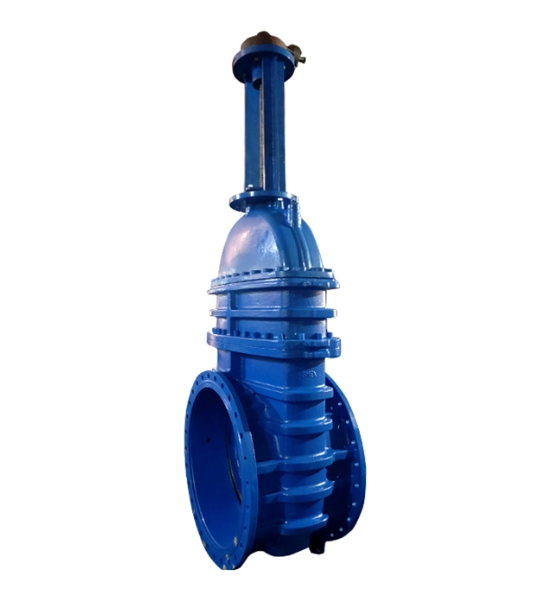
Understanding BS5163 PN16 Gate Valve Standards
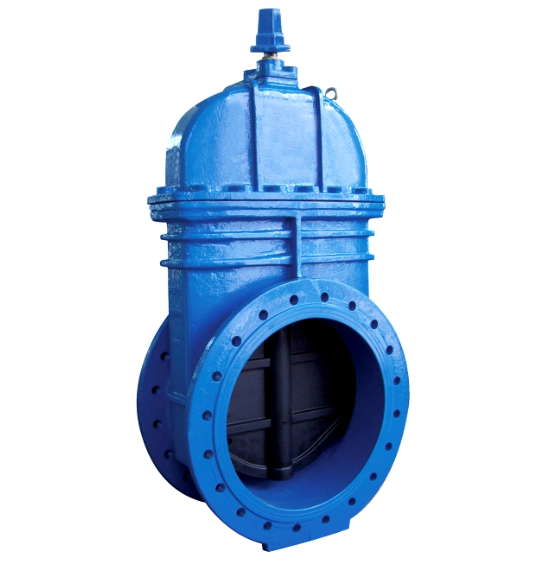
Válvula de compuerta con asiento resistente BS5163 is esteemed for their adaptability, resistencia, and sophisticated sealing mechanisms, rendering them a favored selection across diverse industries.These valves are engineered to endure pressure ratings reaching up to PN16, highlighting a resilient infrastructure proficient in managing formidable operational pressures within demanding surroundings.BS5163 serves as a British Standard delineation for resilient-seated gate valves employed in waterworks applications. PN16, a pressure classification, signifies that the valve is crafted to endure a peak pressure of 16 bar (232 psi) within a temperature span ranging from -10°C to +80°C.
The British Standard Bs5163 gate valve pn16 delineates the configuration, measurements, and operational benchmarks for resilient seated gate valves. Under this standard, bs5163 gate valve pn16 a valve compliant with these specifications, engineered to withstand a peak pressure level of PN16, equivalent to 16 bars or roughly 232 libras por pulgada cuadrada. Engineered for longevity, dependability, and optimal functionality, bs5163 gate valves pn16 excel in a myriad of fluid management scenarios where resilient sealing and trustworthy closure are of utmost importance.
- Water and Wastewater Governance: Regulating flux velo and guaranteeing impenetrable cessation in civic and industrial aqueduct networks.
- Petrochemical and Energy Sector: Managing corrosive substances and upholding superior integrity seals in refinery and conduit maneuvers.
- HVAC and Fire Safety Structures: Supplying rapid, safe barricade nodes in heating, ventilación, and fire extinguishing arrays.
- Nutriment and Beverage Manufacturing: Assuring cleanliness and sterilization with resilient substances harmonious with comestible liquids.
Advantages of Resilient Seated Gate Valves
Resilient seated gate valves, as specified in the bs5163 resilient seated gate valve standard, are known for their exceptional sealing capabilities. The resilient seat material, typically an elastomer such as EPDM or NBR, ensures tight shut-off and reduces the risk of leaks. It also provides resistance against corrosion, abrasion, and wear, extending the service life of the valve. Además, these seats allow for lower torque operation and minimal maintenance requirements, making them suitable for large-scale installations where frequent use and longevity are key concerns.
The gate valve, a variant of fluid regulation apparatus, governs fluid passage within conduits by employing a gate or wedge mechanism to either obstruct or permit the flow. Within the realm of BS5163, the resilient-seated gate valve commonly features a flanged termination and is apt for deployment in water conveyance networks, sewage treatment facilities, and assorted industrial settings necessitating a trustworthy and upkeep-minimal valve solution.
El Production Capacity Is 12000PCS OF Big Size Gate Valve Per Year
Gate valves usually come in a variety of sizes for you to choose from. Our company provides you with the commonly used gate valve size ranges for your reference:
- Small Size: Small size gate valves are typically between 1/2 inch to 2 pulgadas.
- Medium Sizes: Medium size gate valves are typically available in sizes from 2 inches to 12 pulgadas.
- Big Sizes: Big size gate valvetypically start at 14 inches and can reach sizes over 48 inches and larger.
| nombre del producto |
válvula de compuerta de gran tamaño |
| Color |
Red, Blue, Black or as Per Customer′s Request. |
| Technics |
Fundición |
| Presión |
Pn10/16 |
Large-scale gate valves, meticulously crafted to adhere to the esteemed BS5163 protocol and boasting a PN16 rating.Assuming a pivotal function in sectors employing expansive pipelines, including water distribution networks, sewage treatment facilities, petrochemical complexes, and power generation plants. Despite their sturdy composition and resilient seating, the fabrication and placement of the substantial big size gate valve present distinctive hurdles, encompassing issues such as material manipulation, structural soundness, and operational mechanisms that must efficiently function despite the amplified mass and dimensions of the valve.
In industrial settings, sizeable bs5163 resilient seated gate valve epitomize an intricate engineering resolution for regulating high-pressure fluid dynamics. Through meticulous adherence to rigorous criteria and the integration of resilient seating innovation, these valves cater to the exacting demands of strenuous operations, all the while safeguarding operational efficacy and enduring dependability.
Mar 4, 2024 | Noticias
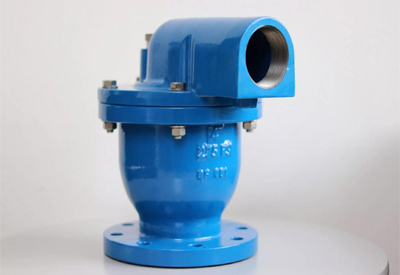
When selecting an air release valve for your ventilation system, there are several factors to consider. En este articulo, we will explore the different types of air release valves available and provide guidance on how to choose the right one for your specific needs.
Several types of air release valves are available, each with unique characteristics and advantages. Some of the most common types of air release valves include:
Válvulas de bola: Ball valves are the most common type of air release valve. They are simple, durable, and easy to install. They consist of a ball that is held in place by a spring and can be opened or closed by turning a handle.
Válvulas de mariposa: Butterfly valves are similar to ball valves but have a more complex mechanism that allows for faster opening and closing times. They are also more expensive than ball valves.
Diaphragm Valves: Diaphragm valves are the most common type of air release valve used in industrial settings. They are made of a thin metal plate that is attached to a frame and can be opened or closed by moving the plate up or down.
Needle Valves: Needle valves are similar to diaphragm valves, but they have a needle that is inserted into the valve body to open or close the valve. They are more expensive than diaphragm valves, but they are more precise and can be used in applications where a high degree of accuracy is required.

Considerations for Choosing an Air Release Valve
When choosing an air release valve, there are several factors to consider. Here are some of the most important considerations:
Flow Rate: The flow rate of the air release valve should be sufficient to meet the needs of your ventilation system. If the flow rate is too low, the system may not be able to remove enough air, while a too-high flow rate could lead to overpressure and damage to the system.
Pressure Ratio: The pressure ratio of the air release valve should be selected based on the pressure differential between the inlet and outlet of the system. A higher pressure ratio will result in a higher flow rate, but it may also increase the risk of overpressure.
Rango de temperatura: The temperature range of the air release valve should be selected based on the temperature range of the air being vented. Some air release valves are designed to work in extreme temperatures, while others are only suitable for use in certain temperature ranges.
Resistencia a la corrosión: The corrosion resistance of the air release valve should be selected based on the environment in which it will be used. Some air release valves are designed to withstand harsh chemicals or corrosive environments, while others are only suitable for use in clean environments.
Ease of Installation: The ease of installation of the air release valve should be considered based on the complexity of the installation and the experience level of the installer. Some air release valves are easy to install, while others may require specialized tools or training.
Air Release Valve Applications
Air release valves have a wide range of applications in various industries, incluido:
Tratamiento de aguas: Air release valves are used to remove air from water treatment systems, such as water distribution systems, plantas de tratamiento de agua, and sewage treatment plants.
Producción de petróleo y gas: Air release valves are used to remove air from oil and gas production systems, such as pipelines, tanques, and wellheads.
Procesamiento químico: Air release valves are used to remove air from chemical processing systems, such as reactors, mixers, and storage tanks.
Generación de energía: Air release valves are used to remove air from power generation systems, such as steam turbines, gas turbines, and hydroelectric power plants.
Pulp and paper production: Air release valves are used to remove air from pulp and paper production systems, such as paper machines, pulp mills, and recovery boilers.
Mining: Air release valves are used to remove air from mining systems, such as mine dewatering systems, slurry pipelines, and tailings ponds.
Aerospace: Air release valves are used to remove air from aerospace systems, such as aircraft fuel systems, engine starters, and environmental control systems.

Conclusión
Choosing the right air release valve is an important decision when it comes to installing a ventilation system. By considering factors such as flow rate, pressure ratio, temperature range, resistencia a la corrosión, and ease of installation, you can select an air release valve that meets the needs of your system and provides reliable performance. Whether you are looking for a simple, durable ball valve or a more complex, high-precision needle valve, there is an air release valve available that can meet your needs.

Feb 29, 2024 | Noticias
Las válvulas de mariposa excéntricas son un tipo de válvula de mariposa que ofrece una caída de presión reducida., diseño compacto, y menor costo en comparación con válvulas diseñadas concéntricamente. Comprendiendo las diferencias entre válvulas de mariposa diseñadas concéntrica y excéntricamente, Los ingenieros pueden seleccionar la válvula más adecuada para su aplicación específica..
¿Cuál es la diferencia entre válvulas de mariposa concéntricas y excéntricas??
Las válvulas de mariposa se utilizan ampliamente en diversas industrias para el control y regulación del flujo.. Dos tipos comunes de válvulas de mariposa están diseñadas de forma concéntrica y excéntrica.. Si bien ambos tienen el mismo propósito, Tienen claras diferencias en su diseño., operación, y aplicaciones. En este articulo, Exploraremos las diferencias entre válvulas de mariposa diseñadas concéntrica y excéntricamente..

Válvula de mariposa excéntrica
Una válvula de mariposa excéntrica es un tipo de válvula de mariposa donde el plato de la válvula no está centrado en el cuerpo de la válvula.. En cambio, el plato de válvula está desplazado hacia un lado, creando una forma excéntrica. Este diseño permite un tamaño de carrocería más compacto y un número reducido de componentes., haciéndolo ideal para aplicaciones donde el espacio es limitado.
Las válvulas de mariposa excéntricas se utilizan comúnmente en aplicaciones donde se requieren altos caudales y bajas caídas de presión., como en el procesamiento químico, producción de petróleo y gas, y tratamiento de agua. También se utilizan en sistemas HVAC y plantas de energía..
Ventajas de las válvulas de mariposa excéntricas
Las válvulas de mariposa excéntricas tienen varias ventajas sobre las válvulas de diseño concéntrico, incluido:
Caída de presión reducida: El diseño excéntrico del plato de válvula crea una trayectoria de flujo más suave., lo que resulta en una menor caída de presión y mayores caudales.
Diseño compacto: El tamaño compacto del cuerpo de las válvulas de mariposa excéntricas las hace ideales para aplicaciones donde el espacio es limitado.
Costo más bajo: La cantidad reducida de componentes en una válvula de mariposa excéntrica da como resultado costos de fabricación más bajos en comparación con las válvulas diseñadas concéntricamente..

Aplicaciones de válvulas de mariposa excéntricas
Las válvulas de mariposa excéntricas se utilizan ampliamente en diversas industrias., incluido:
Procesamiento químico: Las válvulas de mariposa excéntricas se utilizan en plantas de procesamiento de productos químicos para controlar los caudales y regular la presión..
Producción de petróleo y gas: Se utilizan en la producción de petróleo y gas para controlar los caudales y separar líquidos y gases..
Tratamiento de aguas: Las válvulas de mariposa excéntricas se utilizan en plantas de tratamiento de agua para controlar los caudales y regular la presión..
sistemas de climatización: Se utilizan en sistemas HVAC para controlar los caudales y regular la presión..
Plantas de energía: Las válvulas de mariposa excéntricas se utilizan en centrales eléctricas para controlar los caudales y regular la presión..
Conclusión
En conclusión, Las válvulas de mariposa excéntricas son un tipo de válvula de mariposa que ofrece varias ventajas sobre las válvulas de diseño concéntrico., incluyendo caída de presión reducida, diseño compacto, y menor costo. Son ampliamente utilizados en diversas industrias., incluido el procesamiento químico, producción de petróleo y gas, tratamiento de aguas, sistemas de climatización, y plantas de energía. Comprendiendo las diferencias entre válvulas de mariposa diseñadas concéntrica y excéntricamente, Los ingenieros pueden seleccionar la válvula más adecuada para su aplicación específica..

Feb 26, 2024 | Noticias
El fabricante de válvulas de bola TWT se destaca de la competencia por su calidad y confiabilidad superiores. Este artículo proporciona una descripción detallada del proceso de fabricación de válvulas de bola de TWT., medidas de control de calidad, y razones por las que es la opción preferida para industrias de todo el mundo.
¿Quién es el mejor fabricante de válvulas de bola en China?? – TWT Offers Superior Quality and Reliability
TWT Ball Valve Manufacturer is a leading name in the ball valve industry, known for its high-quality products and exceptional customer service. With years of experience in manufacturing ball valves, TWT has established itself as the go-to choice for industries worldwide.

TWT Ball Valve Manufacturing Process – Superior Quality and Reliability
TWT’s ball valve manufacturing process is designed to ensure superior quality and reliability. From raw material selection to final product inspection, TWT’s team of experts strictly adheres to quality control measures to guarantee consistent quality. TWT’s manufacturing process includes:
Raw material selection: TWT selects only the highest-quality raw materials to ensure its ball valves are durable and long-lasting.
Design and prototyping: TWT’s team of engineers designs and prototypes ball valves to meet specific customer requirements.
Fabricación: TWT’s state-of-the-art manufacturing facilities produce high-quality ball valves using advanced machinery and equipment.
Quality control: TWT’s quality control team inspects every stage of the manufacturing process to ensure that the ball valves meet quality standards.
Ball Valve Applications
Industria de petróleo y gas: Ball valves are widely used in the oil and gas industry for on/off and control applications. They are used in the production, transporte, and refining of oil and gas products.
Industria química: Ball valves are used in chemical plants for handling corrosive and abrasive materials. They are also used in chemical processing, storage, y transporte.
Water Treatment Industry: Ball valves are used in water treatment plants to control the flow of water and chemicals. They are also used in water distribution systems, sewage treatment plants, and desalination plants.
Power Generation Industry: Ball valves are used in power plants for controlling the flow of steam, gas, and water. They are also used in hydroelectric power plants for regulating water flow.
HVAC Industry: Ball valves are used in heating, ventilación, y aire acondicionado (climatización) systems for controlling the flow of air, water, and refrigerant.
Industria de alimentos y bebidas: Ball valves are used in the food and beverage industry for handling liquids, gases, y lodos. They are also used in breweries, wineries, and dairy plants.

Why Choose TWT Ball Valves?
There are several reasons why TWT ball valves are the preferred choice for industries worldwide:
Superior quality: TWT’s ball valves are made from high-quality raw materials and are subjected to rigorous quality control measures to ensure consistency and reliability.
Fiabilidad: TWT’s ball valves are designed to operate reliably in extreme temperatures and pressure conditions, making them ideal for use in harsh environments.
Customization: TWT offers customized ball valves to meet specific customer requirements, ensuring that its products meet its client’s exact needs.
Example: An oil and gas industry customer required ball valves that could operate in extreme temperature conditions. TWT designed and manufactured customized ball valves that meet the customer’s specific requirements, ensuring that the valves operated reliably and efficiently in the harsh environment.
Conclusión:
En conclusión, TWT Ball Valve Manufacturer is the best choice for industries worldwide seeking high-quality and reliable ball valves. With its superior manufacturing process, strict quality control measures, and customized solutions, TWT is the go-to choice for industries that demand the best. Contact TWT today to learn more about its ball valve products and services.

Feb 22, 2024 | Noticias
Hay dos diseños principales a considerar al seleccionar una válvula de retención para aplicaciones de flujo axial en sistemas de tuberías. (también lo llamamos válvula de retención de flujo axial). Son válvulas de un solo disco o de asiento y válvulas de retención de doble disco.. Ambos tipos permiten el flujo en una dirección y evitan el reflujo.. Sin embargo, existen algunas diferencias clave en su funcionamiento e idoneidad para diversos servicios que deben comprenderse..
Cómo funcionan las válvulas de disco único

En una válvula de retención de un solo disco (también llamada válvula de asiento), un disco circular o “Muñequita” descansa contra el orificio. El fluido entra axialmente alrededor del disco., abriéndolo desde su asiento. Cuando se produce flujo inverso, El disco de la válvula cae y se cierra bajo la acción de la gravedad o la fuerza del fluido para evitar el flujo inverso..
Ventajas de las válvulas de disco único
- Diseño sencillo y económico sin muelles ni bisagras..
- El tamaño compacto en línea cabe en espacios reducidos.
- El asiento liviano responde rápidamente a los cambios de flujo.
- La baja presión de estallido se abre fácilmente con una mínima pérdida de carga..
Contras a considerar
- Susceptible al rebote del disco en flujos bajos o inversiones muy rápidas.
- Propenso a sufrir daños por golpe de ariete si se utiliza con válvulas que se cierran rápidamente.
- Capacidad de flujo mínima – mejor para tamaños de tubería más pequeños.
- El disco puede colgarse de los escombros y no volver a asentarse completamente.
Operación de disco con resorte doble
Los dos discos adyacentes en una válvula de retención de doble disco se mantienen cerrados en el cuerpo de la válvula mediante un resorte helicoidal.. En flujo directo, La presión fuerza a los discos a separarse mientras giran sobre las bisagras del pasador.. En cambio, la contracorriente los empuja cerrados, y el aumento de presión comprime los resortes.
Beneficios del diseño de disco dual
- Cierre muy positivo, menos sensible a presiones transitorias.
- Mayores capacidades de flujo para diámetros de tubería más grandes.
- Menos rebote y charla que válvula de retención tipo wafer de un solo disco.
- Los resortes ayudan a aplastar los desechos para un funcionamiento confiable.
- Evita problemas de corrosión del disco con ciertos fluidos..
Inconvenientes de los modelos de disco dual
- Una construcción más compleja aumenta el costo.
- Es posible que un tamaño físico más grande no quepa en espacios reducidos.
- Requiere mayor presión de apertura para abrir los discos..
- El desgaste del resorte podría reducir la capacidad de cierre con el tiempo.
En general, La válvula de disco único es una buena opción económica para servicios de flujo limpio o aplicaciones de bajo aumento de presión bajo 3 pulgadas. Sin embargo, válvula de retención de doble disco Proporciona un funcionamiento más suave y es adecuado para caudales más altos., requisitos de contención más estrictos o manejo de desechos en tuberías más grandes. Al elegir entre dos tipos de válvulas de retención axiales, por favor considere los caudales, Características del fluido y espacio de instalación..



