Beschädigen 5, 2024 | Nachricht
Understanding BS5163 PN16 Gate Valve Standards
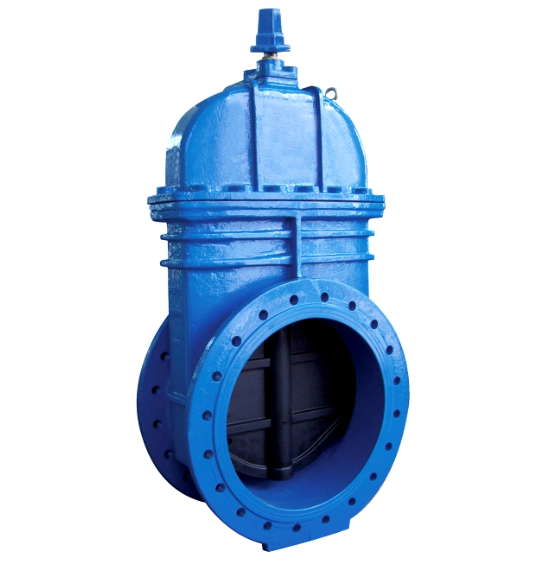
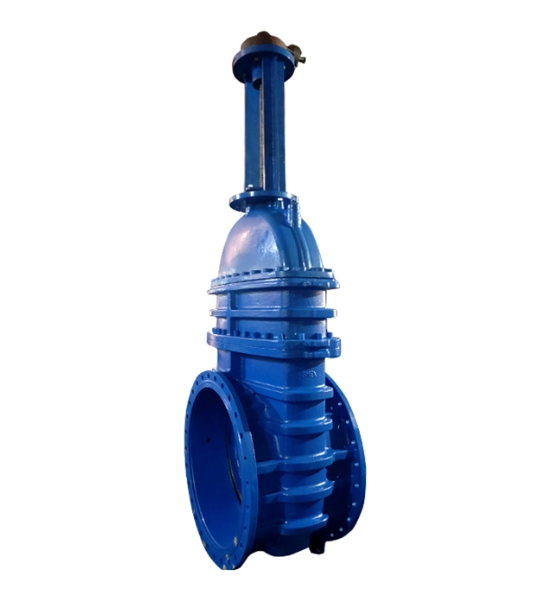
BS5163-Absperrschieber mit elastischem Sitz is esteemed for their adaptability, Ausdauer, and sophisticated sealing mechanisms, rendering them a favored selection across diverse industries.These valves are engineered to endure pressure ratings reaching up to PN16, highlighting a resilient infrastructure proficient in managing formidable operational pressures within demanding surroundings.BS5163 serves as a British Standard delineation for resilient-seated gate valves employed in waterworks applications. PN16, a pressure classification, signifies that the valve is crafted to endure a peak pressure of 16 Bar (232 psi) within a temperature span ranging from -10°C to +80°C.
The British Standard Bs5163 gate valve pn16 delineates the configuration, measurements, and operational benchmarks for resilient seated gate valves. Under this standard, bs5163 gate valve pn16 a valve compliant with these specifications, engineered to withstand a peak pressure level of PN16, equivalent to 16 bars or roughly 232 Pfund pro Quadratzoll. Engineered for longevity, dependability, and optimal functionality, bs5163 gate valves pn16 excel in a myriad of fluid management scenarios where resilient sealing and trustworthy closure are of utmost importance.
- Water and Wastewater Governance: Regulating flux velo and guaranteeing impenetrable cessation in civic and industrial aqueduct networks.
- Petrochemical and Energy Sector: Managing corrosive substances and upholding superior integrity seals in refinery and conduit maneuvers.
- HVAC and Fire Safety Structures: Supplying rapid, safe barricade nodes in heating, Belüftung, and fire extinguishing arrays.
- Nutriment and Beverage Manufacturing: Assuring cleanliness and sterilization with resilient substances harmonious with comestible liquids.
Advantages of Resilient Seated Gate Valves
Resilient seated gate valves, as specified in the bs5163 resilient seated gate valve standard, are known for their exceptional sealing capabilities. The resilient seat material, typically an elastomer such as EPDM or NBR, ensures tight shut-off and reduces the risk of leaks. It also provides resistance against corrosion, abrasion, und tragen, extending the service life of the valve. Zusätzlich, these seats allow for lower torque operation and minimal maintenance requirements, making them suitable for large-scale installations where frequent use and longevity are key concerns.
The gate valve, a variant of fluid regulation apparatus, governs fluid passage within conduits by employing a gate or wedge mechanism to either obstruct or permit the flow. Within the realm of BS5163, the resilient-seated gate valve commonly features a flanged termination and is apt for deployment in water conveyance networks, sewage treatment facilities, and assorted industrial settings necessitating a trustworthy and upkeep-minimal valve solution.
Der Production Capacity Is 12000PCS Of Big Size Gate Valve Per Year
Gate valves usually come in a variety of sizes for you to choose from. Our company provides you with the commonly used gate valve size ranges for your reference:
- Small Size: Small size gate valves are typically between 1/2 inch to 2 Zoll.
- Medium Sizes: Medium size gate valves are typically available in sizes from 2 Zoll zu 12 Zoll.
- Big Sizes: Big size gate valvetypically start at 14 inches and can reach sizes over 48 inches and larger.
| Produktname |
großer Absperrschieber |
| Farbe |
Rot, Blau, Schwarz oder nach Kundenwunsch. |
| Technik |
Casting |
| Druck |
Pn10/16 |
Large-scale gate valves, meticulously crafted to adhere to the esteemed BS5163 protocol and boasting a PN16 rating.Assuming a pivotal function in sectors employing expansive pipelines, including water distribution networks, sewage treatment facilities, petrochemical complexes, and power generation plants. Despite their sturdy composition and resilient seating, the fabrication and placement of the substantial big size gate valve present distinctive hurdles, encompassing issues such as material manipulation, structural soundness, and operational mechanisms that must efficiently function despite the amplified mass and dimensions of the valve.
In industrial settings, sizeable bs5163 resilient seated gate valve epitomize an intricate engineering resolution for regulating high-pressure fluid dynamics. Through meticulous adherence to rigorous criteria and the integration of resilient seating innovation, these valves cater to the exacting demands of strenuous operations, all the while safeguarding operational efficacy and enduring dependability.
Beschädigen 4, 2024 | Nachricht
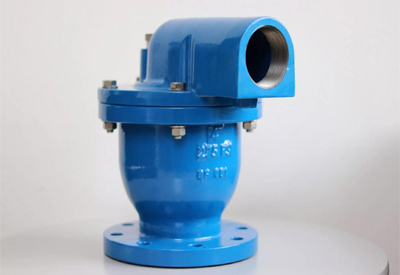
When selecting an air release valve for your ventilation system, there are several factors to consider. In diesem Artikel, we will explore the different types of air release valves available and provide guidance on how to choose the right one for your specific needs.
Several types of air release valves are available, each with unique characteristics and advantages. Some of the most common types of air release valves include:
Ball Valves: Ball valves are the most common type of air release valve. They are simple, dauerhaft, and easy to install. They consist of a ball that is held in place by a spring and can be opened or closed by turning a handle.
Butterfly Valves: Butterfly valves are similar to ball valves but have a more complex mechanism that allows for faster opening and closing times. They are also more expensive than ball valves.
Diaphragm Valves: Diaphragm valves are the most common type of air release valve used in industrial settings. They are made of a thin metal plate that is attached to a frame and can be opened or closed by moving the plate up or down.
Needle Valves: Needle valves are similar to diaphragm valves, but they have a needle that is inserted into the valve body to open or close the valve. They are more expensive than diaphragm valves, but they are more precise and can be used in applications where a high degree of accuracy is required.

Considerations for Choosing an Air Release Valve
When choosing an air release valve, there are several factors to consider. Here are some of the most important considerations:
Flow Rate: The flow rate of the air release valve should be sufficient to meet the needs of your ventilation system. If the flow rate is too low, the system may not be able to remove enough air, while a too-high flow rate could lead to overpressure and damage to the system.
Pressure Ratio: The pressure ratio of the air release valve should be selected based on the pressure differential between the inlet and outlet of the system. A higher pressure ratio will result in a higher flow rate, but it may also increase the risk of overpressure.
Temperaturbereich: The temperature range of the air release valve should be selected based on the temperature range of the air being vented. Some air release valves are designed to work in extreme temperatures, while others are only suitable for use in certain temperature ranges.
Korrosionsbeständigkeit: The corrosion resistance of the air release valve should be selected based on the environment in which it will be used. Some air release valves are designed to withstand harsh chemicals or corrosive environments, while others are only suitable for use in clean environments.
Ease of Installation: The ease of installation of the air release valve should be considered based on the complexity of the installation and the experience level of the installer. Some air release valves are easy to install, while others may require specialized tools or training.
Air Release Valve Applications
Air release valves have a wide range of applications in various industries, einschließlich:
Wasserversorgung: Air release valves are used to remove air from water treatment systems, such as water distribution systems, water treatment plants, and sewage treatment plants.
Öl- und Gasförderung: Air release valves are used to remove air from oil and gas production systems, such as pipelines, tanks, and wellheads.
Chemische Verarbeitung: Air release valves are used to remove air from chemical processing systems, such as reactors, mixers, and storage tanks.
Energieerzeugung: Air release valves are used to remove air from power generation systems, such as steam turbines, gas turbines, and hydroelectric power plants.
Pulp and paper production: Air release valves are used to remove air from pulp and paper production systems, such as paper machines, pulp mills, and recovery boilers.
Mining: Air release valves are used to remove air from mining systems, such as mine dewatering systems, slurry pipelines, and tailings ponds.
Aerospace: Air release valves are used to remove air from aerospace systems, such as aircraft fuel systems, engine starters, and environmental control systems.

Abschluss
Choosing the right air release valve is an important decision when it comes to installing a ventilation system. By considering factors such as flow rate, pressure ratio, temperature range, Korrosionsbeständigkeit, and ease of installation, you can select an air release valve that meets the needs of your system and provides reliable performance. Whether you are looking for a simple, durable ball valve or a more complex, high-precision needle valve, there is an air release valve available that can meet your needs.

Febr 29, 2024 | Nachricht
Exzentrische Absperrklappen sind eine Art Absperrklappe, die einen reduzierten Druckabfall bietet, kompaktes Design, und geringere Kosten im Vergleich zu konzentrisch gestalteten Ventilen. Durch das Verständnis der Unterschiede zwischen konzentrisch und exzentrisch gestalteten Absperrklappen, Ingenieure können das am besten geeignete Ventil für ihre spezifische Anwendung auswählen.
Was ist der Unterschied zwischen konzentrischen und exzentrischen Absperrklappen??
Absperrklappen werden in verschiedenen Branchen häufig zur Durchflusskontrolle und -regulierung eingesetzt. Zwei gängige Arten von Absperrklappen sind konzentrisch und exzentrisch konstruiert. Dabei dienen beide dem gleichen Zweck, Sie weisen deutliche Unterschiede in ihrem Design auf, Betrieb, und Anwendungen. In diesem Artikel, Wir werden die Unterschiede zwischen konzentrisch und exzentrisch gestalteten Absperrklappen untersuchen.

Exzentrische Absperrklappe
Eine exzentrische Absperrklappe ist eine Art Absperrklappe, bei der die Ventilplatte nicht im Ventilkörper zentriert ist. Stattdessen, der Ventilteller ist zur Seite versetzt, eine exzentrische Form erzeugen. Dieses Design ermöglicht eine kompaktere Gehäusegröße und eine geringere Anzahl an Komponenten, Dies macht es ideal für Anwendungen, bei denen der Platz begrenzt ist.
Exzentrische Absperrklappen werden häufig in Anwendungen eingesetzt, bei denen hohe Durchflussraten und geringe Druckverluste erforderlich sind, beispielsweise in der chemischen Verarbeitung, Öl- und Gasförderung, und Wasseraufbereitung. Sie werden auch in HVAC-Systemen und Kraftwerken eingesetzt.
Vorteile exzentrischer Absperrklappen
Exzentrische Absperrklappen haben gegenüber konzentrisch konstruierten Ventilen mehrere Vorteile, einschließlich:
Reduzierter Druckabfall: Das exzentrische Design der Ventilplatte sorgt für einen gleichmäßigeren Strömungsweg, Dies führt zu einem geringeren Druckabfall und höheren Durchflussraten.
Kompaktes Design: Die kompakte Gehäusegröße von Exzenter-Absperrklappen macht sie ideal für Anwendungen mit begrenztem Platzangebot.
Niedrigere Kosten: Die geringere Anzahl an Komponenten einer exzentrischen Absperrklappe führt zu geringeren Herstellungskosten im Vergleich zu konzentrisch konstruierten Ventilen.

Anwendungen von exzentrischen Absperrklappen
Exzentrische Absperrklappen werden in verschiedenen Branchen häufig eingesetzt, einschließlich:
Chemische Verarbeitung: Exzentrische Absperrklappen werden in chemischen Verarbeitungsanlagen zur Steuerung von Durchflussmengen und zur Druckregulierung eingesetzt.
Öl- und Gasförderung: Sie werden in der Öl- und Gasförderung zur Steuerung von Durchflussmengen und zur Trennung von Flüssigkeiten und Gasen eingesetzt.
Wasserversorgung: Exzentrische Absperrklappen werden in Wasseraufbereitungsanlagen eingesetzt, um Durchflussmengen zu steuern und den Druck zu regulieren.
HVAC-Systeme: Sie werden in HVAC-Systemen zur Steuerung von Durchflussmengen und zur Druckregulierung eingesetzt.
Kraftwerke: Exzentrische Absperrklappen werden in Kraftwerken zur Steuerung von Durchflussmengen und zur Druckregulierung eingesetzt.
Abschluss
Abschließend, Exzentrische Absperrklappen sind eine Art Absperrklappe, die gegenüber konzentrisch konstruierten Ventilen mehrere Vorteile bietet, einschließlich reduziertem Druckabfall, kompaktes Design, und geringere Kosten. Sie werden in verschiedenen Branchen häufig eingesetzt, einschließlich chemischer Verarbeitung, Öl- und Gasförderung, Wasserversorgung, HVAC-Systeme, und Kraftwerke. Durch das Verständnis der Unterschiede zwischen konzentrisch und exzentrisch gestalteten Absperrklappen, Ingenieure können das am besten geeignete Ventil für ihre spezifische Anwendung auswählen.

Febr 26, 2024 | Nachricht
TWT Ball Valve Manufacturer stands out from the competition with its superior quality and reliability. This article provides an in-depth overview of TWT’s ball valve manufacturing process, quality control measures, and reasons why it is the go-to choice for industries worldwide.
Wer ist der beste Kugelhahnhersteller in China?? – TWT Offers Superior Quality and Reliability
TWT Ball Valve Manufacturer is a leading name in the ball valve industry, known for its high-quality products and exceptional customer service. With years of experience in manufacturing ball valves, TWT has established itself as the go-to choice for industries worldwide.

TWT Ball Valve Manufacturing Process – Superior Quality and Reliability
TWT’s ball valve manufacturing process is designed to ensure superior quality and reliability. From raw material selection to final product inspection, TWT’s team of experts strictly adheres to quality control measures to guarantee consistent quality. TWT’s manufacturing process includes:
Raw material selection: TWT selects only the highest-quality raw materials to ensure its ball valves are durable and long-lasting.
Design and prototyping: TWT’s team of engineers designs and prototypes ball valves to meet specific customer requirements.
Herstellung: TWT’s state-of-the-art manufacturing facilities produce high-quality ball valves using advanced machinery and equipment.
Quality control: TWT’s quality control team inspects every stage of the manufacturing process to ensure that the ball valves meet quality standards.
Ball Valve Applications
Öl-und Gasindustrie: Ball valves are widely used in the oil and gas industry for on/off and control applications. They are used in the production, transportation, and refining of oil and gas products.
Chemieindustrie: Ball valves are used in chemical plants for handling corrosive and abrasive materials. They are also used in chemical processing, storage, and transportation.
Water Treatment Industry: Ball valves are used in water treatment plants to control the flow of water and chemicals. They are also used in water distribution systems, sewage treatment plants, and desalination plants.
Power Generation Industry: Ball valves are used in power plants for controlling the flow of steam, Gas, and water. They are also used in hydroelectric power plants for regulating water flow.
HVAC Industry: Ball valves are used in heating, Belüftung, and air conditioning (HVAC) systems for controlling the flow of air, water, and refrigerant.
Food and Beverage Industry: Ball valves are used in the food and beverage industry for handling liquids, gases, and slurries. They are also used in breweries, wineries, and dairy plants.

Why Choose TWT Ball Valves?
There are several reasons why TWT ball valves are the preferred choice for industries worldwide:
Superior quality: TWT’s ball valves are made from high-quality raw materials and are subjected to rigorous quality control measures to ensure consistency and reliability.
Zuverlässigkeit: TWT’s ball valves are designed to operate reliably in extreme temperatures and pressure conditions, making them ideal for use in harsh environments.
Anpassung: TWT offers customized ball valves to meet specific customer requirements, ensuring that its products meet its client’s exact needs.
Example: An oil and gas industry customer required ball valves that could operate in extreme temperature conditions. TWT designed and manufactured customized ball valves that meet the customer’s specific requirements, ensuring that the valves operated reliably and efficiently in the harsh environment.
Abschluss:
Abschließend, TWT Ball Valve Manufacturer is the best choice for industries worldwide seeking high-quality and reliable ball valves. With its superior manufacturing process, strict quality control measures, and customized solutions, TWT is the go-to choice for industries that demand the best. Contact TWT today to learn more about its ball valve products and services.

Febr 22, 2024 | Nachricht
Bei der Auswahl eines Rückschlagventils für Axialflussanwendungen in Rohrleitungssystemen sind zwei Hauptkonstruktionen zu berücksichtigen (wir nennen es auch Axialfluss-Rückschlagventil). Es handelt sich um Einscheiben- oder Tellerventile und um Doppelscheiben-Rückschlagventile. Beide Typen ermöglichen einen Durchfluss in eine Richtung und verhindern gleichzeitig einen Rückfluss. Es gibt jedoch einige wesentliche Unterschiede in ihrer Funktionsweise und Eignung für verschiedene Dienste, die verstanden werden müssen.
Wie Einscheibenventile funktionieren

In einem Einscheiben-Rückschlagventil (auch Tellerventil genannt), eine Kreisscheibe bzw “Teller” liegt an der Öffnung an. Flüssigkeit tritt axial um die Scheibe herum ein, Öffnen Sie es von seinem Sitz aus. Wenn ein Rückfluss auftritt, Der Ventilteller senkt sich und schließt sich unter der Wirkung der Schwerkraft oder der Flüssigkeitskraft, um einen Rückfluss zu verhindern.
Vorteile von Einscheibenventilen
- Einfaches und wirtschaftliches Design ohne Federn oder Scharniere.
- Die kompakte Inline-Grundfläche passt in enge Räume.
- Der leichte Teller reagiert schnell auf Durchflussänderungen.
- Niedriger Druck öffnet sich leicht und mit minimalem Druckverlust.
Zu berücksichtigende Nachteile
- Anfällig für Scheibenprellen bei geringem Durchfluss oder sehr schnellen Umkehrungen.
- Bei Verwendung mit schnell schließenden Ventilen besteht die Gefahr von Wasserschlagschäden.
- Minimale Durchflusskapazität – am besten für kleinere Rohrgrößen geeignet.
- Die Disc kann an Fremdkörpern hängen bleiben und nicht richtig eingesetzt werden.
Doppelter federbelasteter Scheibenbetrieb
Die beiden benachbarten Scheiben eines Doppelscheiben-Rückschlagventils werden durch eine Schraubenfeder am Ventilkörper geschlossen gehalten. Auf Vorwärtsfluss, Der Druck drückt die Scheiben auseinander, während sie sich auf Stiftscharnieren drehen. Stattdessen, Der Gegenstrom drückt sie zu, und der erhöhte Druck drückt die Federn zusammen.
Vorteile des Dual-Disc-Designs
- Sehr positiver Abschluss, weniger empfindlich gegenüber vorübergehenden Drücken.
- Höhere Durchflusskapazitäten für größere Rohrdurchmesser.
- Weniger Wackeln und Rattern als Einscheiben-Rückschlagventil.
- Federn zerkleinern Schmutz und sorgen so für einen zuverlässigen Betrieb.
- Verhindert Probleme mit der Scheibenkorrosion bei bestimmten Flüssigkeiten.
Nachteile von Dual-Disc-Modellen
- Eine komplexere Konstruktion erhöht die Kosten.
- Größere physische Größen passen möglicherweise nicht in enge Räume.
- Zum Öffnen der Scheiben ist ein höherer Öffnungsdruck erforderlich.
- Der Verschleiß der Feder kann mit der Zeit die Schließfähigkeit beeinträchtigen.
Gesamt, Das Einscheibenventil ist eine preisgünstige Wahl für Anwendungen mit sauberem Durchfluss oder geringem Druckanstieg 3 Zoll. Jedoch, Doppelscheiben-Rückschlagventil sorgt für einen reibungsloseren Betrieb und ist für höhere Durchflussraten geeignet, strengere Eindämmungsanforderungen oder die Handhabung von Schmutz in größeren Rohren. Bei der Wahl zwischen zwei axialen Rückschlagventiltypen, Bitte berücksichtigen Sie die Durchflussraten, Fluideigenschaften und Einbauraum.



