مارس 5, 2024 | أخبار
فهم معايير صمام البوابة BS5163 PN16
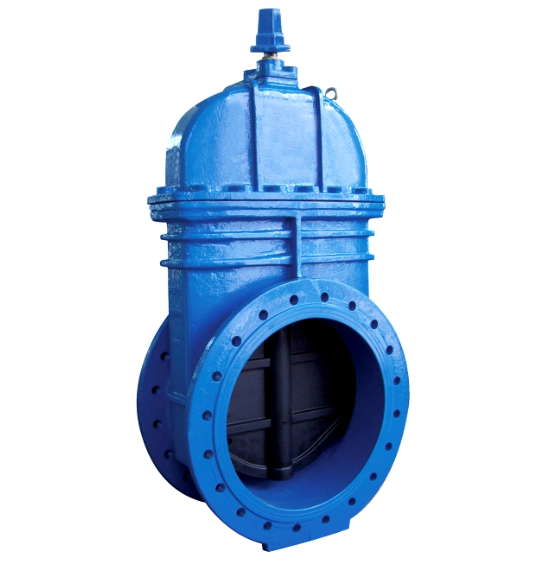
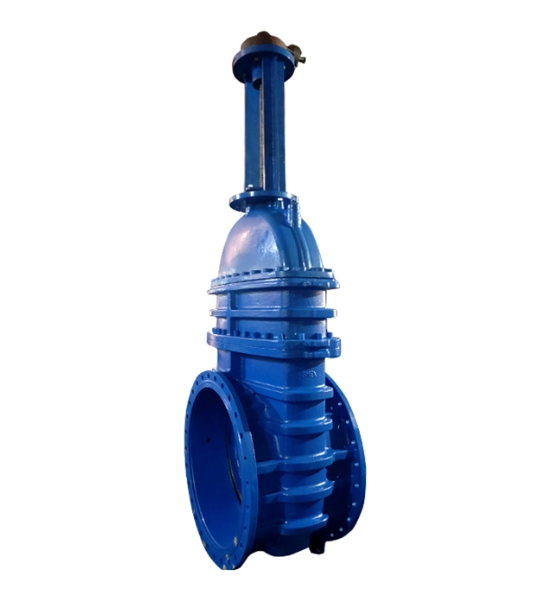
BS5163 صمام البوابة المرن هو المحترم لقدرتها على التكيف, تَحمُّل, وآليات الختم المتطورة, مما يجعلها الاختيار المفضل في مختلف الصناعات. تم تصميم هذه الصمامات لتحمل معدلات الضغط التي تصل إلى PN16, تسليط الضوء على بنية تحتية مرنة بارعة في إدارة الضغوط التشغيلية الهائلة في المناطق المحيطة المتطلبة. يعمل BS5163 بمثابة ترسيم قياسي بريطاني لصمامات البوابة المرنة المستخدمة في تطبيقات محطات المياه. PN16, تصنيف الضغط, يدل على أن الصمام مصنوع ليتحمل ضغط الذروة 16 حاجِز (232 رطل لكل بوصة مربعة) ضمن نطاق درجة حرارة تتراوح من -10 درجة مئوية إلى +80 درجة مئوية.
المعيار البريطاني بصمام البوابة S5163 Pn16 يحدد التكوين, قياسات, والمعايير التشغيلية لصمامات البوابة المرنة. بموجب هذا المعيار, صمام البوابة bs5163 pn16 صمام متوافق مع هذه المواصفات, تم تصميمه ليتحمل مستوى ضغط الذروة PN16, أي ما يعادل 16 الحانات أو تقريبا 232 جنيه لكل بوصة مربعة. مصممة لطول العمر, الاعتمادية, والوظيفة المثلى, تتفوق صمامات البوابة bs5163 pn16 في عدد لا يحصى من سيناريوهات إدارة السوائل حيث يكون الختم المرن والإغلاق الجدير بالثقة ذا أهمية قصوى.
- حوكمة المياه والصرف الصحي: تنظيم سرعة التدفق وضمان التوقف غير القابل للاختراق في شبكات القنوات المدنية والصناعية.
- قطاع البتروكيماويات والطاقة: إدارة المواد المسببة للتآكل ودعم أختام السلامة الفائقة في مناورات المصفاة والقناة.
- هياكل التدفئة والتهوية وتكييف الهواء والسلامة من الحرائق: توريد سريع, العقد المتراس الآمنة في التدفئة, تنفس, ومصفوفات إطفاء الحرائق.
- صناعة المواد الغذائية والمشروبات: ضمان النظافة والتعقيم بمواد مرنة متجانسة مع السوائل القابلة للامتزاج.
مزايا صمامات البوابة المرنة
صمامات بوابة جالسة مرنة, كما هو محدد في معيار صمام البوابة المرن BS5163, معروفة بقدراتها الاستثنائية على الختم. مادة المقعد المرنة, عادةً ما يكون المطاط الصناعي مثل EPDM أو NBR, يضمن إغلاقًا محكمًا ويقلل من خطر التسربات. كما أنه يوفر مقاومة ضد التآكل, تآكل, وارتداء, إطالة عمر خدمة الصمام. بالإضافة إلى ذلك, تسمح هذه المقاعد بتشغيل عزم دوران أقل والحد الأدنى من متطلبات الصيانة, مما يجعلها مناسبة للمنشآت واسعة النطاق حيث يعد الاستخدام المتكرر وطول العمر من الاهتمامات الرئيسية.
صمام البوابة, البديل من جهاز تنظيم السوائل, يتحكم في مرور السوائل داخل القنوات من خلال استخدام آلية البوابة أو الإسفين إما لعرقلة التدفق أو السماح به. ضمن عالم BS5163, يتميز صمام البوابة ذو القاعدة المرنة عادةً بإنهاء ذو حواف وهو مناسب للنشر في شبكات نقل المياه, مرافق معالجة مياه الصرف الصحي, والإعدادات الصناعية المتنوعة التي تتطلب حل صمام جديرًا بالثقة وبأقل قدر من الصيانة.
ال صإنتاج جالقدرة أنا12000 قطعة ياF بعلى سبيل المثال سإيزي زأكل الخامسأحد عشر صيكون يأذن
عادةً ما تأتي صمامات البوابة بأحجام متنوعة لتختار من بينها. توفر لك شركتنا نطاقات حجم صمام البوابة شائعة الاستخدام للرجوع إليها:
- حجم صغير: عادةً ما تكون صمامات البوابة صغيرة الحجم بين 1/2 بوصة ل 2 بوصة.
- مقاسات متوسطة: تتوفر عادةً صمامات البوابة متوسطة الحجم بأحجام تتراوح من 2 بوصة إلى 12 بوصة.
- مقاسات كبيرة: صمام بوابة كبير الحجمتبدأ عادة في 14 بوصة ويمكن أن تصل إلى أحجام أكثر 48 بوصة وأكبر.
| اسم المنتج |
صمام بوابة كبير الحجم |
| لون |
أحمر, أزرق, أسود أو حسب طلب الزبون. |
| التقنيات |
يصب |
| ضغط |
بي ان 10/16 |
صمامات البوابة واسعة النطاق, تم تصميمه بدقة للالتزام ببروتوكول BS5163 الموقر ويفتخر بتصنيف PN16. بافتراض وظيفة محورية في القطاعات التي تستخدم خطوط أنابيب موسعة, بما في ذلك شبكات توزيع المياه, مرافق معالجة مياه الصرف الصحي, المجمعات البتروكيماوية, ومحطات توليد الطاقة. على الرغم من تركيبتها القوية ومقاعدها المرنة, يمثل تصنيع ووضع صمام البوابة الكبير الحجم عقبات مميزة, تشمل قضايا مثل التلاعب بالمواد, السلامة الهيكلية, والآليات التشغيلية التي يجب أن تعمل بكفاءة على الرغم من كتلة الصمام وأبعاده المتضخمة.
في البيئات الصناعية, يجسد صمام البوابة المرن الكبير bs5163 دقة هندسية معقدة لتنظيم ديناميكيات الموائع ذات الضغط العالي. من خلال الالتزام الدقيق بمعايير صارمة ودمج ابتكارات المقاعد المرنة, تلبي هذه الصمامات المتطلبات الصارمة للعمليات الشاقة, وفي نفس الوقت يتم الحفاظ على الكفاءة التشغيلية والاعتمادية الدائمة.
مارس 4, 2024 | أخبار
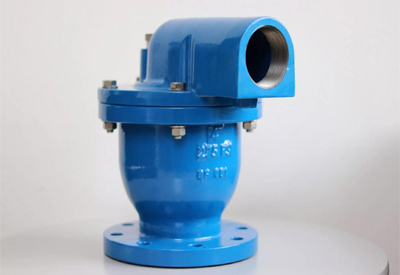
When selecting an air release valve for your ventilation system, there are several factors to consider. في هذه المقالة, we will explore the different types of air release valves available and provide guidance on how to choose the right one for your specific needs.
Several types of air release valves are available, each with unique characteristics and advantages. Some of the most common types of air release valves include:
الصمامات الكروية: Ball valves are the most common type of air release valve. They are simple, durable, and easy to install. They consist of a ball that is held in place by a spring and can be opened or closed by turning a handle.
صمامات الفراشة: Butterfly valves are similar to ball valves but have a more complex mechanism that allows for faster opening and closing times. They are also more expensive than ball valves.
Diaphragm Valves: Diaphragm valves are the most common type of air release valve used in industrial settings. They are made of a thin metal plate that is attached to a frame and can be opened or closed by moving the plate up or down.
Needle Valves: Needle valves are similar to diaphragm valves, but they have a needle that is inserted into the valve body to open or close the valve. They are more expensive than diaphragm valves, but they are more precise and can be used in applications where a high degree of accuracy is required.

Considerations for Choosing an Air Release Valve
When choosing an air release valve, there are several factors to consider. Here are some of the most important considerations:
Flow Rate: The flow rate of the air release valve should be sufficient to meet the needs of your ventilation system. If the flow rate is too low, the system may not be able to remove enough air, while a too-high flow rate could lead to overpressure and damage to the system.
Pressure Ratio: The pressure ratio of the air release valve should be selected based on the pressure differential between the inlet and outlet of the system. A higher pressure ratio will result in a higher flow rate, but it may also increase the risk of overpressure.
نطاق درجة حرارة: The temperature range of the air release valve should be selected based on the temperature range of the air being vented. Some air release valves are designed to work in extreme temperatures, while others are only suitable for use in certain temperature ranges.
Corrosion Resistance: The corrosion resistance of the air release valve should be selected based on the environment in which it will be used. Some air release valves are designed to withstand harsh chemicals or corrosive environments, while others are only suitable for use in clean environments.
Ease of Installation: The ease of installation of the air release valve should be considered based on the complexity of the installation and the experience level of the installer. Some air release valves are easy to install, while others may require specialized tools or training.
Air Release Valve Applications
Air release valves have a wide range of applications in various industries, مشتمل:
Water treatment: Air release valves are used to remove air from water treatment systems, such as water distribution systems, water treatment plants, and sewage treatment plants.
Oil and gas production: Air release valves are used to remove air from oil and gas production systems, such as pipelines, tanks, and wellheads.
المعالجة الكيميائية: Air release valves are used to remove air from chemical processing systems, such as reactors, mixers, and storage tanks.
توليد الطاقة: Air release valves are used to remove air from power generation systems, such as steam turbines, gas turbines, and hydroelectric power plants.
Pulp and paper production: Air release valves are used to remove air from pulp and paper production systems, such as paper machines, pulp mills, and recovery boilers.
Mining: Air release valves are used to remove air from mining systems, such as mine dewatering systems, slurry pipelines, and tailings ponds.
Aerospace: Air release valves are used to remove air from aerospace systems, such as aircraft fuel systems, engine starters, and environmental control systems.

خاتمة
Choosing the right air release valve is an important decision when it comes to installing a ventilation system. By considering factors such as flow rate, pressure ratio, temperature range, corrosion resistance, and ease of installation, you can select an air release valve that meets the needs of your system and provides reliable performance. Whether you are looking for a simple, durable ball valve or a more complex, high-precision needle valve, there is an air release valve available that can meet your needs.

فبراير 29, 2024 | أخبار
Eccentric butterfly valves are a type of butterfly valve that offers reduced pressure drop, compact design, and lower cost compared to concentrically designed valves. By understanding the differences between concentrically and eccentrically designed butterfly valves, engineers can select the most appropriate valve for their specific application.
What is the Difference between Concentric and Eccentric Butterfly Valves?
Butterfly valves are widely used in various industries for flow control and regulation. Two common types of butterfly valves are concentrically and eccentrically designed. While both serve the same purpose, they have distinct differences in their design, عملية, and applications. في هذه المقالة, we will explore the differences between concentrically and eccentrically designed butterfly valves.

صمام الفراشة غريب الأطوار
An eccentric butterfly valve is a type of butterfly valve where the valve plate is not centered in the valve body. Instead, the valve plate is offset to one side, creating an eccentric shape. This design allows for a more compact body size and a reduced number of components, making it ideal for applications where space is limited.
Eccentric butterfly valves are commonly used in applications where high-flow rates and low pressure drops are required, such as in chemical processing, إنتاج النفط والغاز, and water treatment. They are also used in HVAC systems and power plants.
Advantages of Eccentric Butterfly Valves
Eccentric butterfly valves have several advantages over concentrically designed valves, مشتمل:
Reduced pressure drop: The eccentric design of the valve plate creates a smoother flow path, resulting in lower pressure drop and higher flow rates.
تصميم مضغوط: The compact body size of eccentric butterfly valves makes them ideal for applications where space is limited.
Lower cost: The reduced number of components in an eccentric butterfly valve results in lower manufacturing costs compared to concentrically designed valves.

Applications of Eccentric Butterfly Valves
Eccentric butterfly valves are widely used in various industries, مشتمل:
المعالجة الكيميائية: Eccentric butterfly valves are used in chemical processing plants to control flow rates and regulate pressure.
Oil and gas production: They are used in oil and gas production to control flow rates and separate liquids and gases.
Water treatment: Eccentric butterfly valves are used in water treatment plants to control flow rates and regulate pressure.
أنظمة التدفئة والتهوية وتكييف الهواء: They are used in HVAC systems to control flow rates and regulate pressure.
Power plants: Eccentric butterfly valves are used in power plants to control flow rates and regulate pressure.
خاتمة
ختاماً, eccentric butterfly valves are a type of butterfly valve that offers several advantages over concentrically designed valves, including reduced pressure drop, compact design, and lower cost. They are widely used in various industries, including chemical processing, إنتاج النفط والغاز, water treatment, أنظمة التدفئة والتهوية وتكييف الهواء, and power plants. By understanding the differences between concentrically and eccentrically designed butterfly valves, engineers can select the most appropriate valve for their specific application.

فبراير 26, 2024 | أخبار
TWT Ball Valve Manufacturer stands out from the competition with its superior quality and reliability. This article provides an in-depth overview of TWT’s ball valve manufacturing process, quality control measures, and reasons why it is the go-to choice for industries worldwide.
Who is the Best Ball Valve Manufacturer in China? – TWT Offers Superior Quality and Reliability
TWT Ball Valve Manufacturer is a leading name in the ball valve industry, known for its high-quality products and exceptional customer service. With years of experience in manufacturing ball valves, TWT has established itself as the go-to choice for industries worldwide.

TWT Ball Valve Manufacturing Process – Superior Quality and Reliability
TWT’s ball valve manufacturing process is designed to ensure superior quality and reliability. From raw material selection to final product inspection, TWT’s team of experts strictly adheres to quality control measures to guarantee consistent quality. TWT’s manufacturing process includes:
Raw material selection: TWT selects only the highest-quality raw materials to ensure its ball valves are durable and long-lasting.
Design and prototyping: TWT’s team of engineers designs and prototypes ball valves to meet specific customer requirements.
Manufacturing: TWT’s state-of-the-art manufacturing facilities produce high-quality ball valves using advanced machinery and equipment.
Quality control: TWT’s quality control team inspects every stage of the manufacturing process to ensure that the ball valves meet quality standards.
Ball Valve Applications
صناعة النفط والغاز: Ball valves are widely used in the oil and gas industry for on/off and control applications. They are used in the production, transportation, and refining of oil and gas products.
الصناعة الكيماوية: Ball valves are used in chemical plants for handling corrosive and abrasive materials. They are also used in chemical processing, storage, and transportation.
Water Treatment Industry: Ball valves are used in water treatment plants to control the flow of water and chemicals. They are also used in water distribution systems, sewage treatment plants, and desalination plants.
Power Generation Industry: Ball valves are used in power plants for controlling the flow of steam, gas, and water. They are also used in hydroelectric power plants for regulating water flow.
HVAC Industry: Ball valves are used in heating, تنفس, and air conditioning (التدفئة والتهوية وتكييف الهواء) systems for controlling the flow of air, water, and refrigerant.
Food and Beverage Industry: Ball valves are used in the food and beverage industry for handling liquids, الغازات, and slurries. They are also used in breweries, wineries, and dairy plants.

Why Choose TWT Ball Valves?
There are several reasons why TWT ball valves are the preferred choice for industries worldwide:
Superior quality: TWT’s ball valves are made from high-quality raw materials and are subjected to rigorous quality control measures to ensure consistency and reliability.
Reliability: TWT’s ball valves are designed to operate reliably in extreme temperatures and pressure conditions, making them ideal for use in harsh environments.
Customization: TWT offers customized ball valves to meet specific customer requirements, ensuring that its products meet its client’s exact needs.
Example: An oil and gas industry customer required ball valves that could operate in extreme temperature conditions. TWT designed and manufactured customized ball valves that meet the customer’s specific requirements, ensuring that the valves operated reliably and efficiently in the harsh environment.
خاتمة:
ختاماً, TWT Ball Valve Manufacturer is the best choice for industries worldwide seeking high-quality and reliable ball valves. With its superior manufacturing process, strict quality control measures, and customized solutions, TWT is the go-to choice for industries that demand the best. Contact TWT today to learn more about its ball valve products and services.

فبراير 22, 2024 | أخبار
There are two main designs to consider when selecting a check valve for axial flow applications in piping systems (we also call it axial flow check valve). They are single-disc or poppet-type valves and double-disc check valves. Both types allow flow in one direction while preventing back-flow. However there are some key differences in their operation and suitability for various services that need to be understood.
How Single Disc Valves Work

In a single-disc check valve (also called a poppet valve), a circular disc or “poppet” rests against the orifice. Fluid enters axially around the disc, opening it from its seat. When reverse flow occurs, the valve disc drops and closes under the action of gravity or fluid force to prevent reverse flow.
Pros of Single Disc Valves
- Simple and economical design without springs or hinges.
- Compact inline footprint fits into tight spaces.
- Lightweight poppet responds quickly to flow changes.
- Low popping pressure opens easily with minimal headloss.
Cons to Consider
- Susceptible to disc bouncing at low flows or very rapid reversals.
- Prone to water hammer damage if used with rapidly closing valves.
- Minimal flow capacity – best for smaller pipe sizes.
- Disc can hang up on debris and not reseat fully.
Dual Spring-Loaded Disc Operation
The two adjacent discs in a double disc check valve are held closed on the valve body by a coil spring. On forward flow, pressure forces the discs apart as they pivot on pin hinges. Instead, countercurrent pushes them closed, and the increased pressure compresses the springs.
Benefits of Dual Disc Design
- Very positive closure, less sensitive to transient pressures.
- Higher flow capacities for larger pipe diameters.
- Less bounce and chatter than single disc wafer check valve.
- Springs help crush debris for reliable operation.
- Avoids disc corrosion issues with certain fluids.
Drawbacks of Dual Disc Models
- More complex construction increases cost.
- Larger physical size may not fit in tight spaces.
- Requires higher cracking pressure to open discs.
- Spring wear could reduce closing capability over time.
Overall, the single disc valve is a good budget choice for clean flow service or low pressure rise applications under 3 بوصة. لكن, dual disc check valve provides smoother operation and is suitable for higher flow rates, tighter containment requirements or debris handling in larger pipes. When choosing between two axial check valve types, please consider flow rates, fluid characteristics and installation space.



