styczeń 30, 2024 | Aktualności
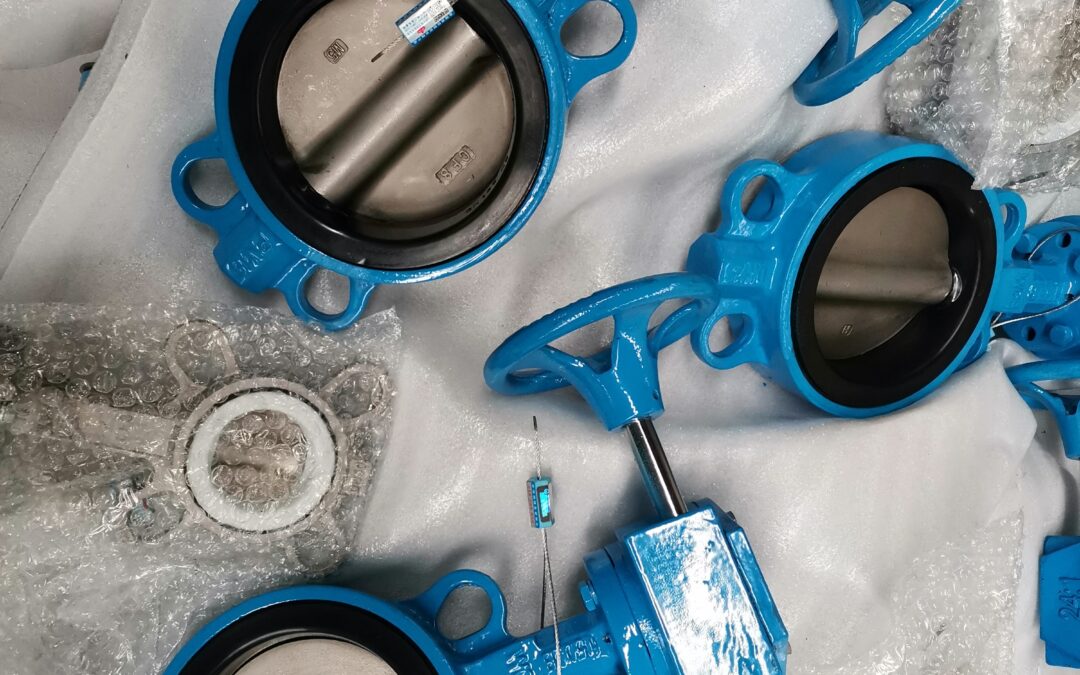
1 inch butterfly valves with lug type design offer a versatile and reliable solution for flow control in various industrial and commercial applications. Their compact size, łatwa instalacja, and cost-effectiveness make them a preferred choice for regulating the flow of liquids and gases.
By understanding the features, zalety, and diverse applications of 1 inch butterfly valves with lug type design, engineers and professionals can select the most appropriate valve for their specific requirements, ensuring efficient flow control and system performance.
Understanding 1 Inch Butterfly Valves with Lug Type Design

1 inch butterfly valves by China valve supplier, are quarter-turn valves that utilize a circular disc (butterfly) to control the flow of media. The “lug type” refers to the method of connecting the valve to the piping system. Lug type butterfly valves have lugs or protrusions on the body that allow for easy installation between pipe flanges.
Features of 1 Inch Butterfly Valves with Lug Type Design
- Compact Size: 1 inch butterfly valves are relatively small and lightweight, making them suitable for space-constrained applications.
- Lug Type Connection: The lug type butterfly valve design simplifies installation by allowing the valve to be bolted between pipe flanges without the need for welding or special tools.
- Quarter-Turn Operation: A simple 90-degree rotation of the valve handle or actuator opens or closes the valve, providing quick and efficient flow control.
- Sprężyste siedzisko: The valve seat is typically made of a resilient material that ensures a tight seal against the disc, minimizing leakage.
- Odporność na korozję: 1 inch butterfly valves are often made of corrosion-resistant materials such as stainless steel or PVC, making them suitable for various media and environments.
Advantages of 1 Inch Butterfly Valves with Lug Type Design
- Easy Installation: The lug type design simplifies installation, reducing labor costs and downtime.
- Compact and Lightweight: Their small size and light weight make them ideal for applications where space is limited.
- Versatile Applications: 1 inch butterfly valves with lug type design are suitable for a wide range of industrial and commercial applications.
- Cost-Effective: They offer a cost-effective solution for flow control compared to other types of valves.
- Reliable Performance: These valves are known for their reliability and durability, ensuring long-lasting performance.
Applications of 1 Inch Butterfly Valves with Lug Type Design
- Water Systems: 1 inch butterfly valves are commonly used in water treatment plants, plumbing systems, and irrigation networks.
- Chemical Processing: They are suitable for controlling the flow of chemicals and corrosive liquids in various industrial processes.
- HVAC Systems: These valves are employed in heating, ventilation, and air conditioning systems to regulate the flow of hot or cold air.
- Oil and Gas Industry: 1 inch butterfly valves are used in oil and gas pipelines, rafinerie, i zakłady petrochemiczne.
- Pharmaceutical Industry: They are utilized in pharmaceutical manufacturing facilities to control the flow of sterile fluids and gases.

styczeń 29, 2024 | Aktualności
W dziedzinie przemysłowej kontroli przepływu, Zawory motylkowe w linii środkowej odgrywają kluczową rolę w regulacji przepływu cieczy i gazów. Their unique design and versatility make them suitable for a wide range of applications across various industries. W tym obszernym przewodniku, we will delve into the intricacies of center line butterfly valves, exploring their design features, different types, and the diverse applications where they excel.
Understanding Center Line Butterfly Valves

Center line butterfly valves, also known as resilient seated butterfly valves, are quarter-turn valves that utilize a circular disc (butterfly) to control the flow of media. The disc is positioned in the center of the valve body, and its rotation around a central axis allows for quick and efficient flow regulation.
Design Features of Center Line Butterfly Valves
- Ciało: The China valve body is typically made of cast iron, Stal nierdzewna, or other corrosion-resistant materials, ensuring durability and longevity.
- Dysk: The disc is the primary flow control component and is usually made of a resilient material such as rubber or PTFE. This material provides a tight seal against the valve seat, preventing leakage.
- Trzon: The stem connects the disc to the actuator and is responsible for rotating the disc to open or close the valve.
- Siedziba: The valve seat is the surface against which the disc seals to prevent leakage. It is typically made of a resilient material that can withstand repeated opening and closing cycles.
Types of Center Line Butterfly Valves
- Lug Style: Lug style butterfly valves have lugs on the body for easy installation between pipe flanges.
- Wafer Style: Wafer style butterfly valves do not have lugs and are sandwiched between two pipe flanges, making them compact and suitable for space-constrained applications.
- Double Flange Style: Double flange style butterfly valves have flanges on both sides of the valve body, providing a secure connection to the piping system.
- Triple Offset Style: Triple offset style butterfly valves feature a unique disc and seat design that minimizes wear and tear, making them ideal for high-pressure and high-temperature applications.
Applications of Center Line Butterfly Valves
- HVAC Systems: Center line butterfly valves are widely used in heating, ventilation, and air conditioning (HVAC) systems to regulate the flow of hot or cold air.
- Water Treatment Plants: These valves are employed in water treatment plants to control the flow of water and chemicals.
- Chemical Processing: Center line butterfly valves are suitable for various chemical processing applications, including corrosive and abrasive media.
- Oil and Gas Industry: They are extensively used in the oil and gas industry for flow control in pipelines and processing facilities.
- Power Generation: Center line butterfly valves play a vital role in regulating the flow of fluids in power generation plants.
Advantages of Center Line Butterfly Valves
- Kompaktowa konstrukcja: Their compact size and lightweight construction make them easy to install and maintain.
- Quick Operation: Quarter-turn operation allows for rapid flow regulation.
- Niskie koszty utrzymania: Center line butterfly valves require minimal maintenance, reducing operational costs.
- Cost-Effective: They offer a cost-effective solution for flow control compared to other types of valves.
- Versatile Applications: Their versatility makes them suitable for a wide range of industries and applications.
Center line butterfly valves are versatile and efficient flow control devices that find applications in various industries. Their simple design, compact size, and cost-effectiveness make them a popular choice for regulating the flow of liquids and gases. By understanding the design features, different types, and applications of center line butterfly valves from Zawór motylkowy z Chin producent, engineers and professionals can select the most appropriate valve for their specific needs, ensuring optimal flow control and system performance.

styczeń 29, 2024 | Aktualności
TwT TFZ Series Regulating Checkgate Manufacturer is a leading provider of regulating check gates for various industries. Our company offers a wide range of check gates that cater to the specific requirements of our customers. W tym artykule, we will provide an overview of our check gate manufacturing services and the benefits of using our products.
Introduction:
In the industrial sector, regulating check gates is an essential component in various processes. These check gates are designed to control the flow of fluids, gazy, and solid particles, ensuring efficient and safe operations.
Among the leading manufacturers of regulating check gates, the TwT TFZ Series Regulating Checkgate Manufacturer stands out for its exceptional quality and reliability. W tym artykule, zbadamy funkcje, korzyści, and applications of TwT TFZ Series Regulating Checkgates, and why they are the ultimate solution for your industrial needs.

TwT TFZ Series Regulating Checkgate Manufacturer:
TwT TFZ Series Regulating Checkgate Manufacturer is a renowned company specializing in producing high-quality regulating checkgates. Their products are designed to meet the diverse needs of various industries, w tym chemiczne, petrochemiczny, oil and gas, wytwarzanie energii, and more. TwT TFZ Series Regulating Checkgates are known for their durability, niezawodność, and versatility, making them a popular choice among industrialists.
Benefits of Using TwT TFZ Series Regulating Checkgate Manufacturer:
There are several benefits of using TwT TFZ Series Regulating Checkgate Manufacturer. Some of the key advantages include:
- High-quality products: TwT TFZ Series Regulating Checkgates are made from premium materials, ensuring durability and reliability.
- Personalizacja: TwT TFZ Series Regulating Checkgate Manufacturer offers customized solutions to meet the specific needs of their clients.
- Wszechstronność: TwT TFZ Series Regulating Checkgates can be used in a wide range of industries and applications.
- Efficient: TwT TFZ Series Regulating Checkgates are designed to optimize efficiency and reduce downtime.
- Bezpieczeństwo: TwT TFZ Series Regulating Checkgates are designed with safety in mind, ensuring minimal risk of accidents and injuries.

Applications of TwT TFZ Series Regulating Checkgate Manufacturer:
TwT TFZ Series Regulating Checkgates have a wide range of applications in various industries. Some of the most common applications include:
- Obróbka chemiczna: TwT TFZ Series Regulating Checkgates control the flow of chemicals, kwasy, and other corrosive materials.
- Petrochemical processing: TwT TFZ Series Regulating Checkgates control the flow of oil, gaz, and other petrochemical products.
- Wytwarzanie energii: TwT TFZ Series Regulating Checkgates are used to control the flow of steam, gaz, and other materials in power plants.
- Uzdatnianie wody: TwT TFZ Series Regulating Checkgates are used to control water and wastewater flow in treatment plants.
Wniosek:
Podsumowując, the TwT TFZ Series Regulating Checkgate Manufacturer is the ultimate solution for your industrial needs. Their high-quality products, customization options, wszechstronność, efficiency, and safety features make them a popular choice among industrialists.
Whether you are in the chemical, petrochemiczny, oil and gas, wytwarzanie energii, or water treatment industry, TwT TFZ Series Regulating Checkgates are the perfect choice for your regulating needs. Contact TwT TFZ Series Regulating Checkgate Manufacturer today to learn more about their products and services.
styczeń 26, 2024 | Aktualności
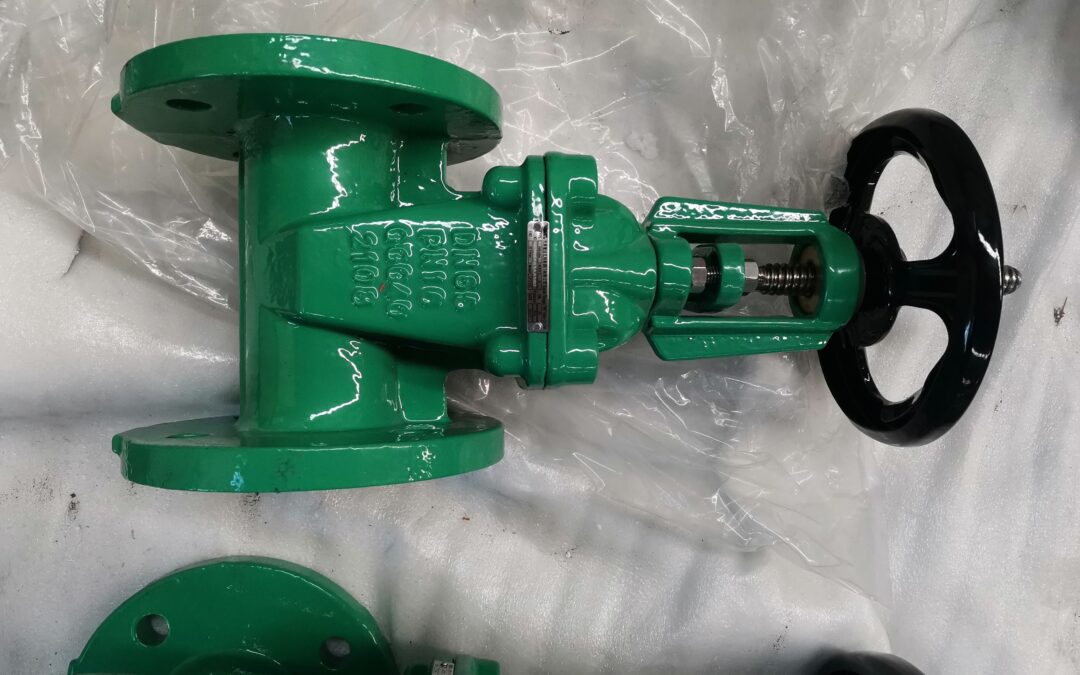
Manual gate valves, resilient seat gate valves, i licencjat 5163 resilient seated gate valves represent distinct solutions for diverse industrial applications. Each design offers unique advantages and considerations. By understanding the characteristics, applications, and selection criteria of these gate valve types, engineers and technicians can optimize fluid systems, ensuring efficient operation, reliable flow control, and effective isolation.
Manual Gate Valves: Simplicity and Durability
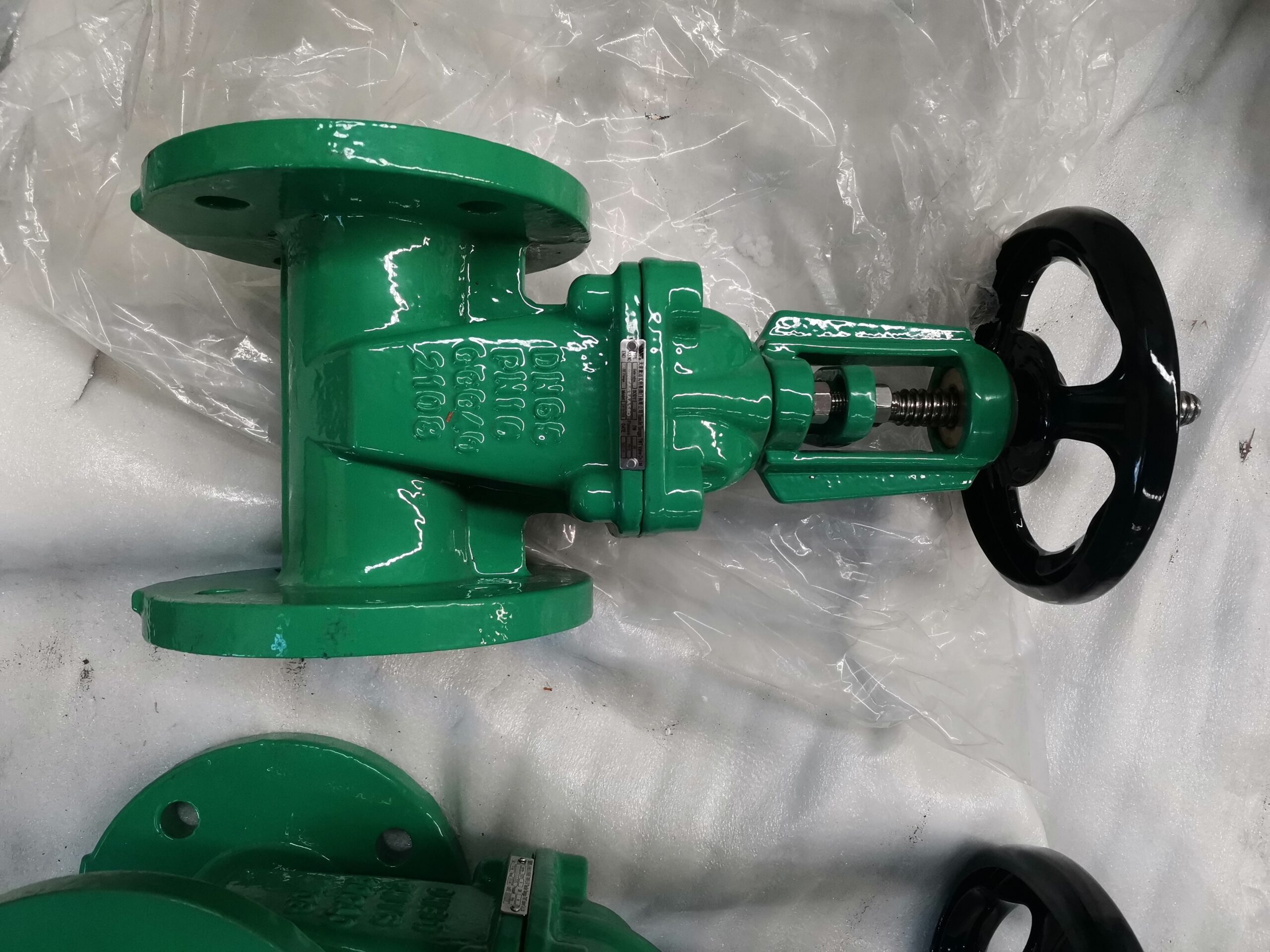
Manual gate valve represent the most basic type of gate valve, operated by a handwheel or lever to raise or lower the gate. Their straightforward design and robust construction make them suitable for a wide range of applications, w tym:
• General industrial settings
• Water treatment plants
• Wastewater treatment facilities
• HVAC systems
Resilient Seat Gate Valves: Enhanced Sealing and Longevity
Resilient seat gate valves incorporate a resilient seat, typically made of rubber or synthetic materials, that provides a tight seal against the gate. This design reduces wear and tear, ensuring longer valve life and improved sealing performance. Resilient seat gate valves are commonly used in:
• Chemical processing
• Pharmaceutical manufacturing
• Food and beverage processing
• Mining and mineral processing
licencjat 5163 Zasuwy z elastycznym gniazdem: Adhering to Industry Standards
BS5163 resilient seated gate valve comply with the British Standard 5163, ensuring adherence to specific design, performance, and quality criteria. These valves feature a resilient seat and are widely used in:
• Water distribution systems
• Fire protection systems
• Marine applications
• Petrochemical industry
Comparative Analysis: Choosing the Right Gate Valve
When selecting the appropriate gate valve for a specific application, several factors must be considered:
Sealing Performance: Resilient seat gate valve i licencjat 5163 resilient seated gate valves offer superior sealing compared to manual gate valves, making them ideal for applications requiring tight shutoff.
Odporność na korozję: Consider the valve body material and its compatibility with the fluid being handled to ensure corrosion resistance.
Ocena ciśnienia: Ensure the gate valve’s pressure rating meets or exceeds the maximum system pressure.
Application Requirements: Evaluate factors such as temperature range, Przepływ, actuation method, and industry standards to ensure the selected gate valve meets the specific application demands.

styczeń 25, 2024 | Aktualności
Jeśli czytasz ten artykuł, prawdopodobnie szukasz wskazówek dotyczących wymiany zaworu zwrotnego w sprężarce powietrza. Trafiłeś we właściwe miejsce! W tym artykule, zapewnimy kompleksowy przewodnik dotyczący wymiany zaworu zwrotnego w sprężarce powietrza, łącznie z krokami, które należy wykonać, narzędzia, których będziesz potrzebować, oraz kilka przydatnych wskazówek, które pozwolą zapewnić płynny przebieg procesu.
Pierwszy, zacznijmy od podstaw. Zawór zwrotny jest istotnym elementem sprężarki powietrza, odpowiedzialny za zapobieganie przedostawaniu się powietrza z powrotem do sprężarki i powodowaniu uszkodzeń. Nadgodziny, zawór zwrotny może się zużyć, co prowadzi do zmniejszenia wydajności i efektywności. Wymiana zaworu zwrotnego jest stosunkowo prostym procesem, ale ważne jest, aby zrobić to poprawnie, aby zapewnić optymalną wydajność.
Zawór zwrotny sprężarki powietrza
Zanim zagłębimy się w proces wymiany, przyjrzyjmy się bliżej zaworowi zwrotnemu sprężarki powietrza. Zawór zwrotny zwykle znajduje się na przewodzie tłocznym sprężarki, a jego główną funkcją jest umożliwienie wypływu powietrza ze sprężarki i zapobieganie jego ponownemu napływowi. Zawór zwrotny jest zaprojektowany tak, aby otwierał się i zamykał automatycznie, co pozwala na wydajną pracę sprężarki.

Wymiana zaworu zwrotnego jest stosunkowo prostym procesem, ważne jest jednak wykonanie odpowiednich kroków, aby mieć pewność, że nowy zawór zostanie prawidłowo zamontowany. Oto narzędzia, których będziesz potrzebować:
- Klucz nastawny
- Klucz nasadowy
- Szczypce
- Taśma teflonowa
- Nowy zawór zwrotny
Teraz, przejdźmy do procesu wymiany.
Krok 1: Wyłączyć sprężarkę
Przed rozpoczęciem procesu wymiany, pamiętaj o wyłączeniu sprężarki i odłączeniu jej od źródła zasilania. Jest to ważny środek ostrożności pozwalający uniknąć wypadków i obrażeń.
Krok 2: Znajdź zawór zwrotny
Następnym krokiem jest zlokalizowanie zaworu zwrotnego. Jak wspomniano wcześniej, zawór zwrotny zwykle znajduje się na przewodzie tłocznym sprężarki. Aby uzyskać dostęp do zaworu zwrotnego, należy zdemontować przewód tłoczny.
Krok 3: Wymontuj stary zawór zwrotny
Gdy będziesz miał dostęp do zaworu zwrotnego, użyj klucza nastawnego lub klucza nasadowego, aby poluzować zawór. Gdy zawór jest poluzowany, możesz go usunąć z przewodu wylotowego.
Krok 4: Zamontuj nowy zawór zwrotny
Nadszedł czas na montaż nowego zaworu zwrotnego. Wystarczy włożyć nowy zawór do przewodu tłocznego i dokręcić go za pomocą klucza nastawnego lub klucza nasadowego. Uważaj, aby nie dokręcić zaworu zbyt mocno, ponieważ może to spowodować uszkodzenie gwintów.
Krok 5: Zmontuj ponownie sprężarkę
Po zamontowaniu nowego zaworu zwrotnego, zmontuj sprężarkę w odwrotnej kolejności niż ją demontowałeś. Upewnij się, że wszystkie połączenia są pewne i odpowiednio dokręcone.
Krok 6: Przetestuj sprężarkę
Wreszcie, przetestuj sprężarkę, aby upewnić się, że działa prawidłowo. Włącz zasilanie i sprawdź, czy nie ma wycieków lub problemów. Jeśli wszystko wygląda dobrze, pomyślnie wymieniłeś zawór zwrotny w swojej sprężarce powietrza!

Wskazówki i porady
Oto kilka przydatnych wskazówek i wskazówek, o których należy pamiętać podczas wymiany zaworu zwrotnego w sprężarce powietrza:
- Podczas instalowania nowego zaworu zwrotnego należy użyć taśmy teflonowej do uszczelnienia gwintów. Pomoże to zapobiec wyciekom i zapewni prawidłowe uszczelnienie.
- Do dokręcenia zaworu zwrotnego użyj klucza nasadowego, ponieważ zapewni to bezpieczniejsze dokręcenie niż klucz nastawny.
- Jeżeli podczas montażu nowego zaworu zwrotnego napotkasz opór, zatrzymaj się i sprawdź gwinty, aby upewnić się, że nie są uszkodzone.
- Zawsze odłączaj źródło zasilania przed rozpoczęciem procesu wymiany. Jest to ważny środek ostrożności pozwalający uniknąć wypadków i obrażeń.
Wniosek
Wymiana zaworu zwrotnego w sprężarce powietrza jest stosunkowo prostym procesem, ale ważne jest, aby wykonać odpowiednie kroki, aby zapewnić optymalną wydajność. Postępując zgodnie z przewodnikiem opisanym w tym artykule, będziesz w stanie szybko i łatwo wymienić zawór zwrotny, zapewniając wydajną i efektywną pracę sprężarki. Pamiętaj o zastosowaniu taśmy teflonowej.



