Jan 30, 2024 | Nouvelles
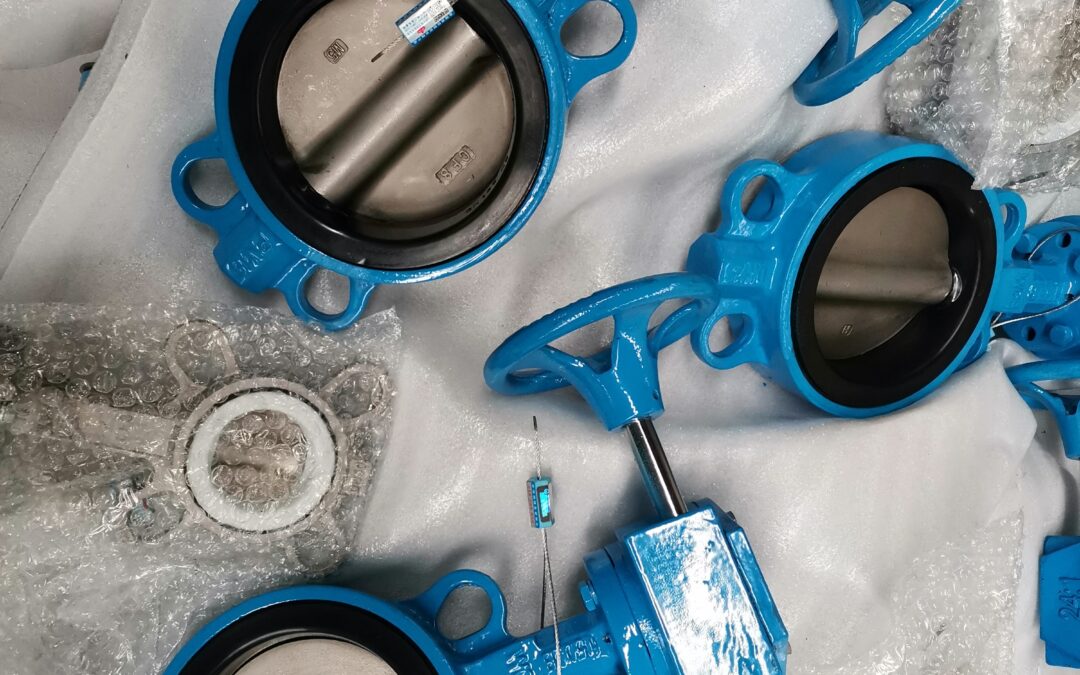
1 inch butterfly valves with lug type design offer a versatile and reliable solution for flow control in various industrial and commercial applications. Their compact size, easy installation, and cost-effectiveness make them a preferred choice for regulating the flow of liquids and gases.
By understanding the features, avantages, and diverse applications of 1 inch butterfly valves with lug type design, engineers and professionals can select the most appropriate valve for their specific requirements, ensuring efficient flow control and system performance.
Understanding 1 Inch Butterfly Valves with Lug Type Design

1 inch butterfly valves by China valve supplier, are quarter-turn valves that utilize a circular disc (papillon) to control the flow of media. Le “lug type” refers to the method of connecting the valve to the piping system. Lug type butterfly valves have lugs or protrusions on the body that allow for easy installation between pipe flanges.
Features of 1 Inch Butterfly Valves with Lug Type Design
- Format compact: 1 inch butterfly valves are relatively small and lightweight, making them suitable for space-constrained applications.
- Lug Type Connection: Le vanne papillon à cosse design simplifies installation by allowing the valve to be bolted between pipe flanges without the need for welding or special tools.
- Quarter-Turn Operation: A simple 90-degree rotation of the valve handle or actuator opens or closes the valve, providing quick and efficient flow control.
- Siège résilient: The valve seat is typically made of a resilient material that ensures a tight seal against the disc, minimizing leakage.
- Corrosion Resistance: 1 inch butterfly valves are often made of corrosion-resistant materials such as stainless steel or PVC, making them suitable for various media and environments.
Advantages of 1 Inch Butterfly Valves with Lug Type Design
- Easy Installation: The lug type design simplifies installation, reducing labor costs and downtime.
- Compact and Lightweight: Their small size and light weight make them ideal for applications where space is limited.
- Versatile Applications: 1 inch butterfly valves with lug type design are suitable for a wide range of industrial and commercial applications.
- Cost-Effective: They offer a cost-effective solution for flow control compared to other types of valves.
- Reliable Performance: These valves are known for their reliability and durability, ensuring long-lasting performance.
Applications of 1 Inch Butterfly Valves with Lug Type Design
- Water Systems: 1 inch butterfly valves are commonly used in water treatment plants, plumbing systems, and irrigation networks.
- Traitement chimique: They are suitable for controlling the flow of chemicals and corrosive liquids in various industrial processes.
- Systèmes CVC: These valves are employed in heating, ventilation, and air conditioning systems to regulate the flow of hot or cold air.
- Industrie du pétrole et du gaz: 1 inch butterfly valves are used in oil and gas pipelines, raffineries, and petrochemical plants.
- Pharmaceutical Industry: They are utilized in pharmaceutical manufacturing facilities to control the flow of sterile fluids and gases.

Jan 29, 2024 | Nouvelles
Dans le domaine du contrôle des flux industriels, les vannes papillon de la ligne centrale jouent un rôle crucial dans la régulation du débit de liquides et de gaz. Their unique design and versatility make them suitable for a wide range of applications across various industries. Dans ce guide complet, we will delve into the intricacies of center line butterfly valves, exploring their design features, différents types, and the diverse applications where they excel.
Understanding Center Line Butterfly Valves

Center line butterfly valves, also known as resilient seated butterfly valves, are quarter-turn valves that utilize a circular disc (papillon) to control the flow of media. The disc is positioned in the center of the valve body, and its rotation around a central axis allows for quick and efficient flow regulation.
Design Features of Center Line Butterfly Valves
- Corps: Le China valve body is typically made of cast iron, acier inoxydable, or other corrosion-resistant materials, ensuring durability and longevity.
- Disque: The disc is the primary flow control component and is usually made of a resilient material such as rubber or PTFE. This material provides a tight seal against the valve seat, preventing leakage.
- Tige: The stem connects the disc to the actuator and is responsible for rotating the disc to open or close the valve.
- Siège: The valve seat is the surface against which the disc seals to prevent leakage. It is typically made of a resilient material that can withstand repeated opening and closing cycles.
Types of Center Line Butterfly Valves
- Lug Style: Lug style butterfly valves have lugs on the body for easy installation between pipe flanges.
- Wafer Style: Wafer style butterfly valves do not have lugs and are sandwiched between two pipe flanges, making them compact and suitable for space-constrained applications.
- Double Flange Style: Double flange style butterfly valves have flanges on both sides of the valve body, providing a secure connection to the piping system.
- Triple Offset Style: Triple offset style butterfly valves feature a unique disc and seat design that minimizes wear and tear, making them ideal for high-pressure and high-temperature applications.
Applications of Center Line Butterfly Valves
- Systèmes CVC: Center line butterfly valves are widely used in heating, ventilation, and air conditioning (CVC) systems to regulate the flow of hot or cold air.
- Water Treatment Plants: These valves are employed in water treatment plants to control the flow of water and chemicals.
- Traitement chimique: Center line butterfly valves are suitable for various chemical processing applications, including corrosive and abrasive media.
- Industrie du pétrole et du gaz: They are extensively used in the oil and gas industry for flow control in pipelines and processing facilities.
- La production d'énergie: Center line butterfly valves play a vital role in regulating the flow of fluids in power generation plants.
Advantages of Center Line Butterfly Valves
- Compact Design: Their compact size and lightweight construction make them easy to install and maintain.
- Quick Operation: Quarter-turn operation allows for rapid flow regulation.
- Low Maintenance: Center line butterfly valves require minimal maintenance, reducing operational costs.
- Cost-Effective: They offer a cost-effective solution for flow control compared to other types of valves.
- Versatile Applications: Their versatility makes them suitable for a wide range of industries and applications.
Center line butterfly valves are versatile and efficient flow control devices that find applications in various industries. Their simple design, compact size, and cost-effectiveness make them a popular choice for regulating the flow of liquids and gases. By understanding the design features, différents types, and applications of center line butterfly valves from China butterfly valve manufacturer, engineers and professionals can select the most appropriate valve for their specific needs, ensuring optimal flow control and system performance.

Jan 29, 2024 | Nouvelles
TwT TFZ Series Regulating Checkgate Manufacturer is a leading provider of regulating check gates for various industries. Our company offers a wide range of check gates that cater to the specific requirements of our customers. Dans cet article, we will provide an overview of our check gate manufacturing services and the benefits of using our products.
Introduction:
In the industrial sector, regulating check gates is an essential component in various processes. These check gates are designed to control the flow of fluids, des gaz, and solid particles, ensuring efficient and safe operations.
Among the leading manufacturers of regulating check gates, the Fabricant de clapet de contrôle de régulation de la série TwT TFZ stands out for its exceptional quality and reliability. Dans cet article, we will explore the features, avantages, and applications of TwT TFZ Series Regulating Checkgates, and why they are the ultimate solution for your industrial needs.

Fabricant de clapet de contrôle de régulation de la série TwT TFZ:
TwT TFZ Series Regulating Checkgate Manufacturer is a renowned company specializing in producing high-quality regulating checkgates. Their products are designed to meet the diverse needs of various industries, y compris les produits chimiques, pétrochimique, pétrole et gaz, la production d'énergie, et plus. TwT TFZ Series Regulating Checkgates are known for their durability, fiabilité, et polyvalence, making them a popular choice among industrialists.
Benefits of Using TwT TFZ Series Regulating Checkgate Manufacturer:
There are several benefits of using TwT TFZ Series Regulating Checkgate Manufacturer. Some of the key advantages include:
- High-quality products: TwT TFZ Series Regulating Checkgates are made from premium materials, ensuring durability and reliability.
- Customization: TwT TFZ Series Regulating Checkgate Manufacturer offers customized solutions to meet the specific needs of their clients.
- Polyvalence: TwT TFZ Series Regulating Checkgates can be used in a wide range of industries and applications.
- Efficient: TwT TFZ Series Regulating Checkgates are designed to optimize efficiency and reduce downtime.
- Sécurité: TwT TFZ Series Regulating Checkgates are designed with safety in mind, ensuring minimal risk of accidents and injuries.

Applications of TwT TFZ Series Regulating Checkgate Manufacturer:
TwT TFZ Series Regulating Checkgates have a wide range of applications in various industries. Some of the most common applications include:
- Traitement chimique: TwT TFZ Series Regulating Checkgates control the flow of chemicals, acids, and other corrosive materials.
- Petrochemical processing: TwT TFZ Series Regulating Checkgates control the flow of oil, gaz, and other petrochemical products.
- Power generation: TwT TFZ Series Regulating Checkgates are used to control the flow of steam, gaz, and other materials in power plants.
- Traitement de l'eau: TwT TFZ Series Regulating Checkgates are used to control water and wastewater flow in treatment plants.
Conclusion:
En conclusion, the TwT TFZ Series Regulating Checkgate Manufacturer is the ultimate solution for your industrial needs. Their high-quality products, customization options, versatilité, efficiency, and safety features make them a popular choice among industrialists.
Whether you are in the chemical, pétrochimique, pétrole et gaz, la production d'énergie, or water treatment industry, TwT TFZ Series Regulating Checkgates are the perfect choice for your regulating needs. Contact TwT TFZ Series Regulating Checkgate Manufacturer today to learn more about their products and services.
Jan 26, 2024 | Nouvelles
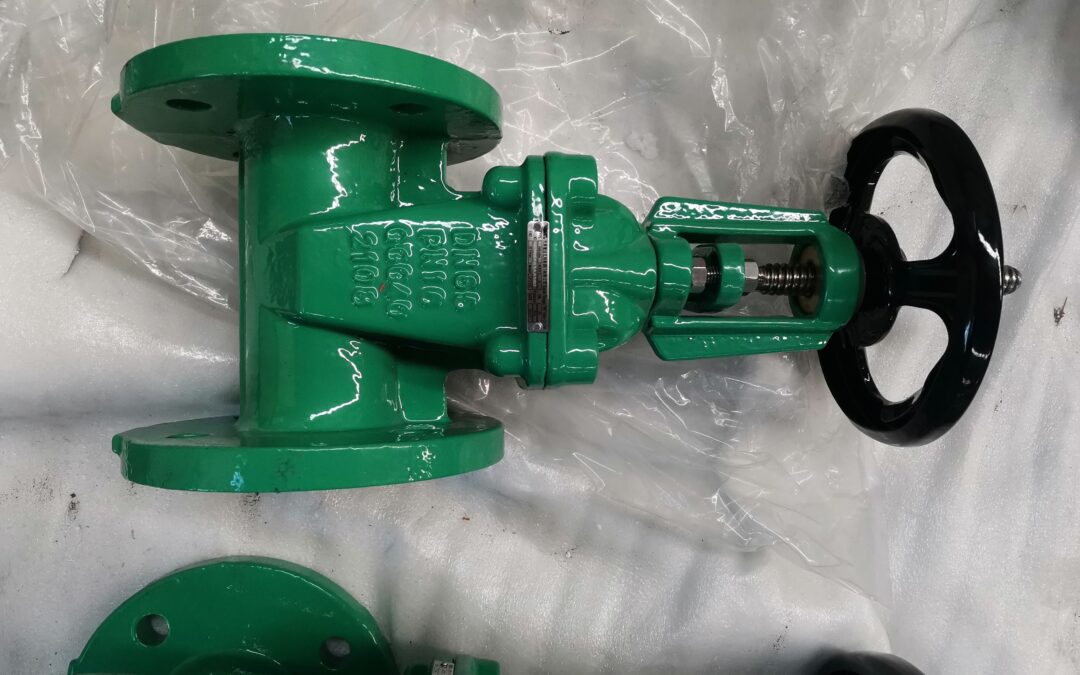
Manual gate valves, resilient seat gate valves, et BS 5163 resilient seated gate valves represent distinct solutions for diverse industrial applications. Each design offers unique advantages and considerations. By understanding the characteristics, applications, and selection criteria of these gate valve types, engineers and technicians can optimize fluid systems, ensuring efficient operation, reliable flow control, and effective isolation.
Manual Gate Valves: Simplicity and Durability
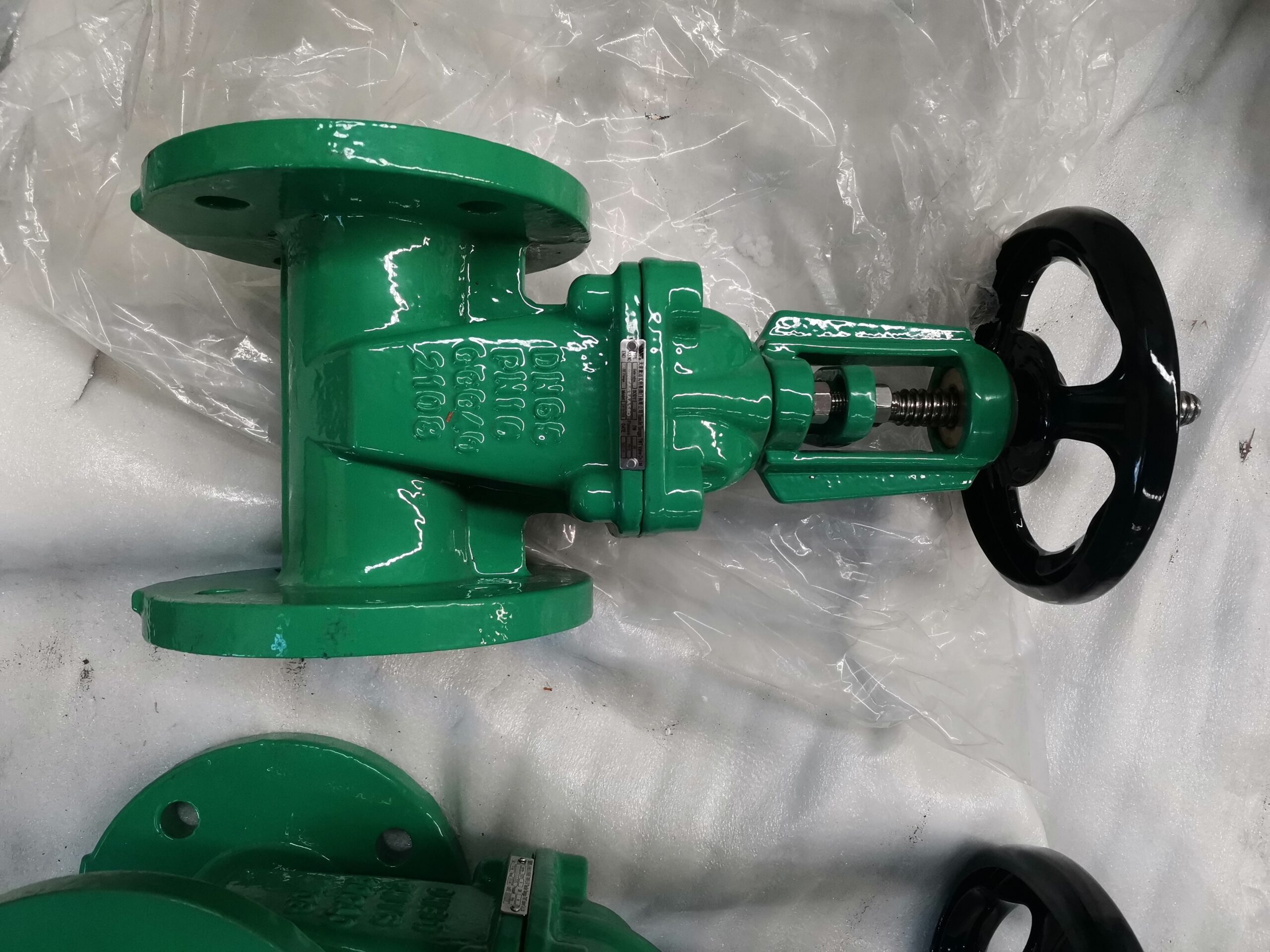
Manual gate valve represent the most basic type of gate valve, operated by a handwheel or lever to raise or lower the gate. Their straightforward design and robust construction make them suitable for a wide range of applications, y compris:
• General industrial settings
• Water treatment plants
• Wastewater treatment facilities
• HVAC systems
Resilient Seat Gate Valves: Enhanced Sealing and Longevity
Resilient seat gate valves incorporate a resilient seat, typically made of rubber or synthetic materials, that provides a tight seal against the gate. This design reduces wear and tear, ensuring longer valve life and improved sealing performance. Resilient seat gate valves are commonly used in:
• Chemical processing
• Pharmaceutical manufacturing
• Food and beverage processing
• Mining and mineral processing
BS 5163 Vannes à siège résilient: Adhering to Industry Standards
Robinet-vanne à siège résilient BS5163 comply with the British Standard 5163, ensuring adherence to specific design, performance, and quality criteria. These valves feature a resilient seat and are widely used in:
• Water distribution systems
• Fire protection systems
• Applications marines
• Petrochemical industry
Comparative Analysis: Choosing the Right Gate Valve
When selecting the appropriate gate valve for a specific application, several factors must be considered:
Sealing Performance: Resilient seat gate valve et BS 5163 resilient seated gate valves offer superior sealing compared to manual gate valves, making them ideal for applications requiring tight shutoff.
Corrosion Resistance: Consider the valve body material and its compatibility with the fluid being handled to ensure corrosion resistance.
Pressure Rating: Ensure the gate valve’s pressure rating meets or exceeds the maximum system pressure.
Application Requirements: Evaluate factors such as temperature range, flow rate, actuation method, and industry standards to ensure the selected gate valve meets the specific application demands.

Jan 25, 2024 | Nouvelles
Si vous lisez cet article, il y a de fortes chances que vous cherchiez des conseils sur le remplacement du clapet anti-retour de votre compresseur d'air. Vous êtes au bon endroit! Dans cet article, nous vous fournirons un guide complet sur le remplacement du clapet anti-retour de votre compresseur d'air, y compris les étapes à suivre, les outils dont vous aurez besoin, et quelques conseils utiles pour garantir le bon déroulement du processus.
D'abord, commençons par les bases. Le clapet anti-retour est un élément essentiel de votre compresseur d'air, responsable d'empêcher l'air de refluer dans le compresseur et de causer des dommages. Au fil du temps, le clapet anti-retour peut s'user, conduisant à une réduction des performances et de l’efficacité. Le remplacement du clapet anti-retour est un processus relativement simple, mais il est important de le faire correctement pour garantir des performances optimales.
Clapet anti-retour du compresseur d'air
Avant de nous lancer dans le processus de remplacement, Regardons de plus près le clapet anti-retour du compresseur d'air. Le clapet anti-retour est généralement situé dans la conduite de refoulement du compresseur, et sa fonction principale est de permettre à l'air de s'écouler hors du compresseur tout en l'empêchant de rentrer.. Le clapet anti-retour est conçu pour s'ouvrir et se fermer automatiquement, permettant au compresseur de fonctionner efficacement.

Le remplacement du clapet anti-retour est un processus relativement simple, mais il est important de suivre les étapes appropriées pour garantir que la nouvelle vanne est correctement installée. Voici les outils dont vous aurez besoin:
- Clé à molette
- Clé à douille
- Pinces
- Ruban téflon
- Nouveau clapet anti-retour
Maintenant, passons au processus de remplacement.
Étape 1: Arrêtez le compresseur
Avant de commencer le processus de remplacement, assurez-vous d'éteindre le compresseur et de le débrancher de la source d'alimentation. Il s'agit d'une mesure de sécurité importante pour éviter tout accident ou blessure..
Étape 2: Localisez le clapet anti-retour
L'étape suivante consiste à localiser le clapet anti-retour. Comme mentionné plus tôt, le clapet anti-retour est généralement situé dans la conduite de refoulement du compresseur. Vous devrez retirer la conduite de refoulement pour accéder au clapet anti-retour.
Étape 3: Retirez l'ancien clapet anti-retour
Une fois que vous avez accès au clapet anti-retour, utilisez une clé à molette ou une clé à douille pour desserrer la valve. Une fois la valve desserrée, vous pouvez le retirer de la conduite de refoulement.
Étape 4: Installez le nouveau clapet anti-retour
Il est maintenant temps d'installer le nouveau clapet anti-retour. Insérez simplement la nouvelle vanne dans la conduite de refoulement et serrez-la à l'aide de la clé à molette ou de la clé à douille.. Assurez-vous de ne pas trop serrer la valve, car cela pourrait endommager les fils.
Étape 5: Remonter le compresseur
Une fois le nouveau clapet anti-retour installé, remonter le compresseur dans l'ordre inverse de la façon dont vous l'avez démonté. Assurez-vous que toutes les connexions sont sécurisées et correctement serrées.
Étape 6: Testez le compresseur
Enfin, tester le compresseur pour s’assurer qu’il fonctionne correctement. Allumez le courant et vérifiez toute fuite ou tout problème. Si tout semble bon, vous avez remplacé avec succès le clapet anti-retour de votre compresseur d'air!

Trucs et astuces
Voici quelques trucs et astuces utiles à garder à l’esprit lors du remplacement du clapet anti-retour de votre compresseur d’air.:
- Assurez-vous d'utiliser du ruban téflon pour sceller les filetages lors de l'installation du nouveau clapet anti-retour.. Cela aidera à prévenir les fuites et à assurer une bonne étanchéité.
- Utilisez une clé à douille pour serrer le clapet anti-retour, car cela fournira un serrage plus sûr qu'une clé à molette.
- Si vous rencontrez une résistance lors de l'installation du nouveau clapet anti-retour, arrêtez-vous et vérifiez les fils pour vous assurer qu’ils ne sont pas endommagés.
- Débranchez toujours la source d'alimentation avant de commencer le processus de remplacement. Il s'agit d'une mesure de sécurité importante pour éviter tout accident ou blessure..
Conclusion
Remplacer le clapet anti-retour de votre compresseur d'air est un processus relativement simple, mais il est important de suivre les étapes appropriées pour garantir des performances optimales. En suivant le guide décrit dans cet article, vous pourrez remplacer le clapet anti-retour rapidement et facilement, garantir que votre compresseur fonctionne de manière efficace et efficiente. N'oubliez pas d'utiliser du ruban téflon.



