
sierpień 15, 2023 | Aktualności
Discover the exceptional performance and reliability of the 6 inch butterfly valve. This article explores the key features and benefits of this valve, highlighting its role in enhancing flow control processes. From its durable construction to its precise operation, the valve is an essential component in various industries. Learn how this valve ensures seamless and efficient flow management, resulting in improved productivity and reduced operational costs.
Introduction:
Enhance your flow control systems with the high-quality 6 inch butterfly valve. W tym artykule, we delve into the features, korzyści, and applications of this versatile valve. Whether you are in the chemical, olej, gaz, or water treatment industry, the butterfly valve offers reliable and efficient flow regulation. Let’s explore its outstanding capabilities in detail.
The Key Features
The 6 inch butterfly valve boasts several noteworthy features that contribute to its superior performance. Its robust construction ensures durability, enabling it to withstand high-pressure environments. With its corrosion-resistant materials, this valve offers long-term reliability, even in harsh operating conditions. Dodatkowo, the valve is designed for easy installation, konserwacja, and operation, reducing downtime and enhancing overall efficiency.

Benefits of the 6 Inch Butterfly Valve
- Efficient Flow Control: This type of valve provides precise flow control, allowing you to regulate the rate of fluid or gas flow with accuracy. Its quick and responsive operation ensures smooth and efficient system performance.
- Cost Savings: By offering reliable and accurate flow control, the valve helps optimize energy consumption. Its tight shut-off feature minimizes leakage, reducing wastage and lowering operational costs.
- Versatile Applications: The 6 inch butterfly valve finds applications in a wide range of industries, including HVAC, water treatment, wytwarzanie energii, and more. Its adaptability to various media types and operating conditions makes it a versatile choice for different systems.
Applications of the 6 Inch Butterfly Valve
- HVAC Systems: The valve is widely used in heating, ventilation, and air conditioning (HVAC) systems for efficient temperature and flow control. Its compact design and reliable performance make it an ideal choice for maintaining optimal indoor climates.
- Water Treatment Plants: In water treatment facilities, the valve regulates the flow of water, ensuring smooth operation throughout the treatment process. Its corrosion-resistant properties make it suitable for handling both fresh and wastewater.
- Oil and Gas Industry: The valve plays a crucial role in the oil and gas industry, enabling precise control of fluid flow in pipelines. Its ability to handle high-pressure environments and corrosive substances makes it a preferred choice for upstream and downstream operations.

Wniosek:
The 6 inch butterfly valve offers exceptional flow control capabilities, making it an indispensable component in various industries. Its robust construction, efficient operation, and versatile applications make it a reliable choice for enhancing system performance. By investing in the valve, you can achieve improved productivity, reduced operational costs, and optimized flow management. Choose this high-quality valve for reliable and efficient flow control in your industry.
sierpień 14, 2023 | Aktualności
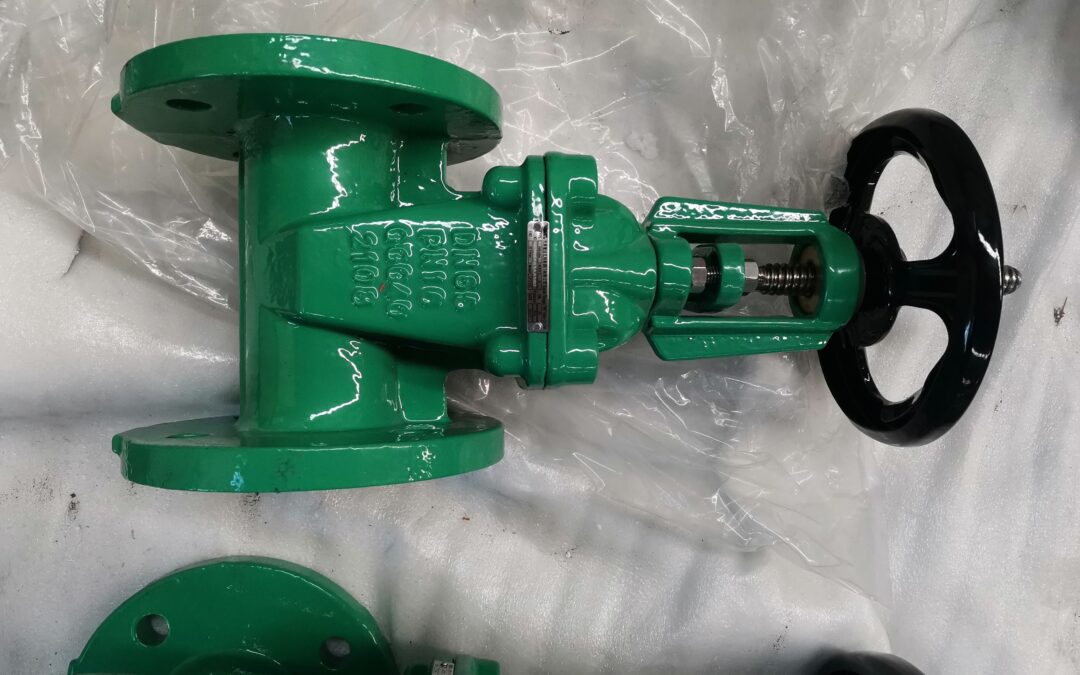
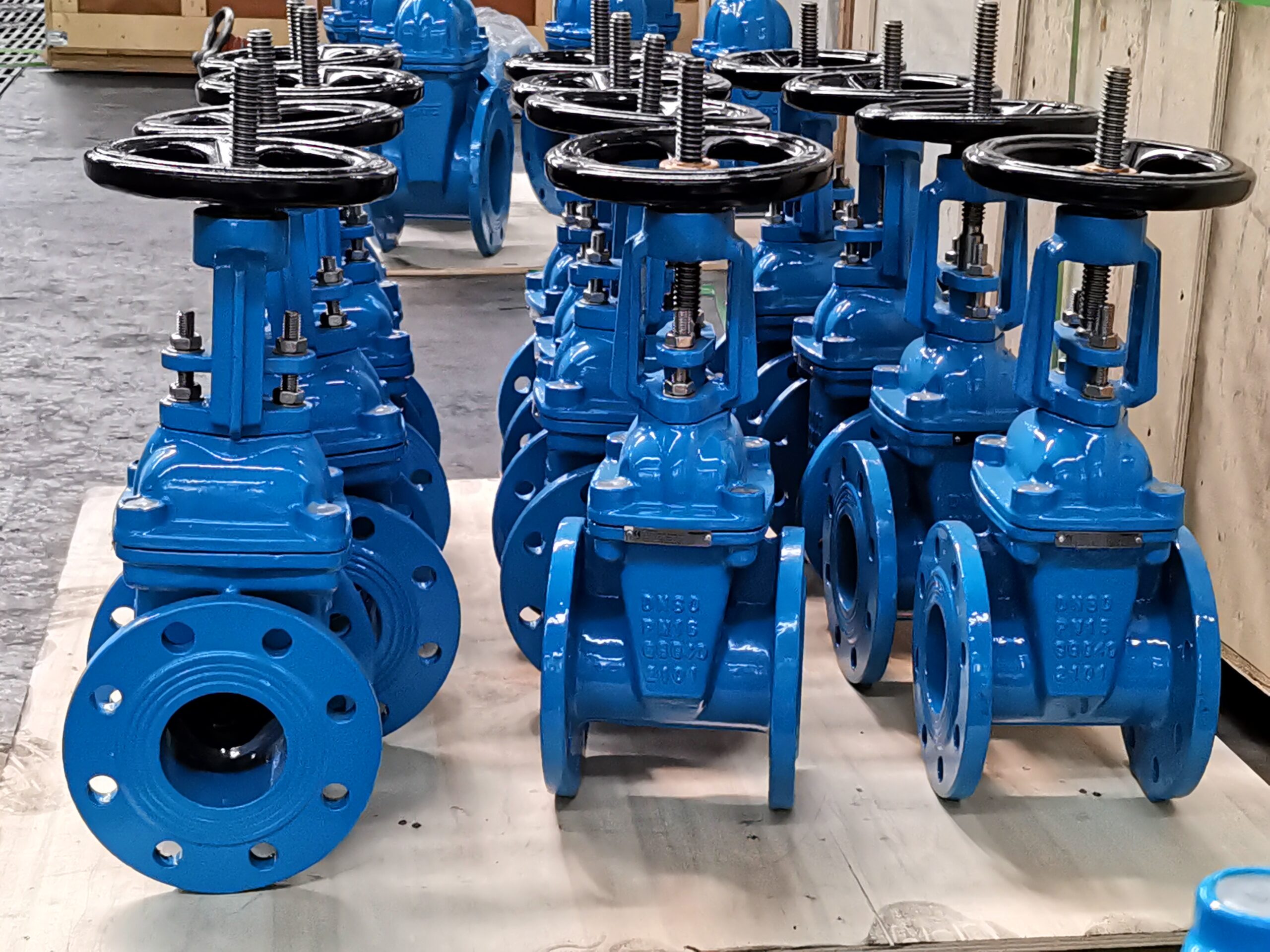
Gate valves represent fundamental flow control devices used across countless industrial piping systems. The BS5163 specification defines durability and performance requirements for metal seated gate valves up to 16 bar rated pressure. Zasuwa bs5163 pn16 provides reliable on/off flow control and isolation in medium pressure applications. Below we look at key design features, korzyści, and selection criteria for BS5163 compliant PN16 China non-rising stem gate valves.
Overview of BS5163 Standard
The BS5163 specification published by the British Standards Institution defines materials, testing methods, markings, and design requirements for metal seated gate valves. It covers manual and actuated valves in sizes up to 600mm for pressures from PN10 to PN40. The standard aims to ensure end user safety while delivering optimal flow control functionality. BS5163 compliance certifies quality for specified pressure classes.
PN16 Gate Valves Under BS5163
PN16 denotes gate valves designed for medium pressure applications up to 16 bar. PN16 valves utilize sturdy materials like cast steel and bronze alloys. They incorporate threaded or flanged ends for installation flexibility. BS5163 dictates design elements like minimum wall thicknesses along with trim material specifications. It also covers testing procedures and the provision of markings like PN16 and BS5163 on the valve body. Conforming to BS5163 validates reliable 16 bar working pressure capability.
Design Features of PN16 Gate Valves
Key design features of BS5163 compliant PN16 gate valves include:
- Cast steel or bronze bodies with minimum wall thicknesses
- Non-rising stems enable space-saving vertical installation
- Solid wedge gates with seating faces for tight shutoff
- Handwheels, chainwheels, or actuated operators for actuation
- Threaded or flanged ends provide pipe connectivity
- Back seating stems prevent high pressure leaks
- Graphite or metal seating surfaces withstand 16 bar
- Bolted bonnets and gland packing prevent pressure leaks
Benefits of Specifying BS5163 PN16 Gate Valves
The benefits of procuring BS5163 certified PN16 gate valves include:
- Assurance of materials, construction and pressure testing to BS5163 specification
- Validation of 16 bar pressure handling capability
- Reliable on/off flow control and isolation
- Tight bidirectional shutoff when fully closed
- Suitable for water, steam, oil and mild chemical services
- Opacity stops potential for visually tracking valve position
- Compact and lightweight compared to globe or ball valves
- Broad range of sizes from 15mm to 600mm as required
- Threaded or flanged ends enable easy installation
- Long service life exceeding 30,000 cycles
PN16 gate valves meeting BS5163 deliver versatile, mid-range pressure flow control. They are available in manual, pneumatic and electric actuated configurations. Reviewing manual gate valve PN16 provides further insights for proper selection, installation, and maintenance. For reliable medium pressure flow duties, specifying BS5163 certified gate valves adds a mark of quality.
sierpień 12, 2023 | Aktualności
Whether preventing backflow in piping manifolds or ensuring one-way flow in vital plant systems, check valves serve important roles across process industries. As applications become more complex, advanced check valve designs deliver optimized performance for critical duties. This post explores axial flow, dual-disc and wafer-style check valves engineered to handle demanding flow control needs.

Axial Flow Check Valves
Many plant systems transport fluids at high velocities requiring minimal head loss through installed valves. Axial flow check valves address this need with a streamlined design allowing flow to pass straight through in an axial direction when open. Their unobstructed bore minimizes turbulence and associated pressure drop compared to swing check styles.
The valve disc in axial flow checks sits flush within the valve body when open, clearing the path for full-bore flow. Upon backpressure, the disc lifts perpendicular to flow, closing off reverse flow without interference. Elastomer or resilient disc materials seal tightly against body seats to prevent backflow.
Robust designs from suppliers like Stopaq and Industrial Valves & Controls withstand arduous conditions found in water and wastewater treatment plants, power generation facilities, and oil & gas pipelines transporting slurries and liquids over long distances at high velocities. With a straightforward mechanism resistant to fouling or debris buildup, axial flow checks deliver durable backpressure protection for pumps and critical plant systems.
Dual-Disc Check Valves
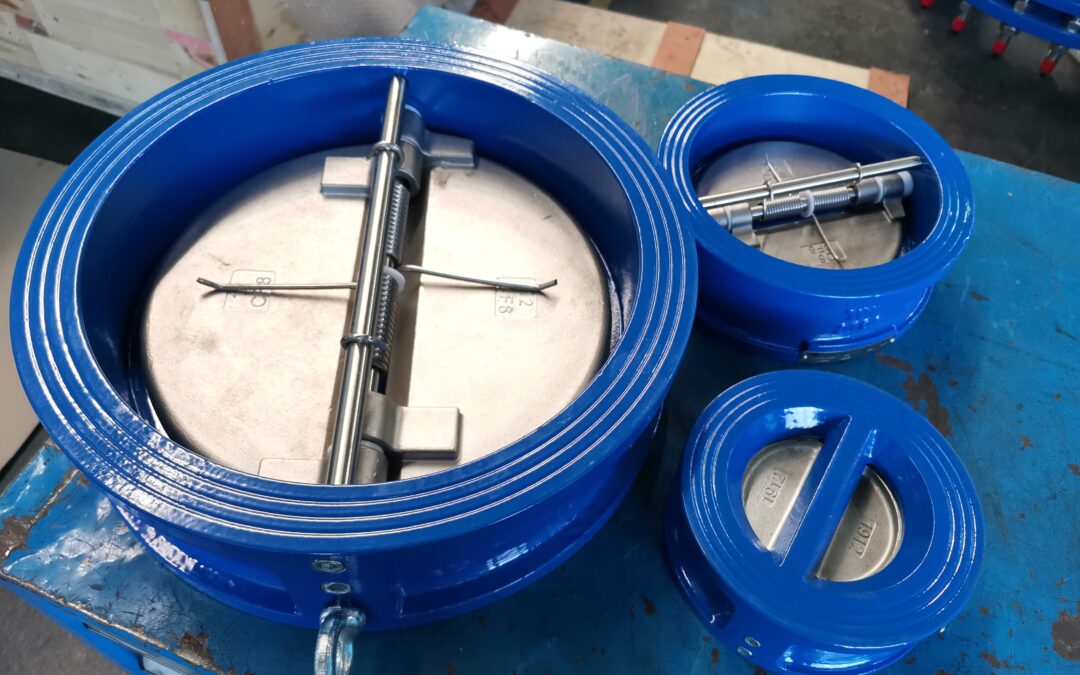
Process industries requiring redundancy against single-point check valve failure turn to dual disc designs for enhanced reliability. Two independently acting check mechanisms within the same valve body eliminate any single point of failure risk.
If one disc wears out or fails to seal, the other immediately activates to prevent backflow through the valve. Internal redundancy ensures flow direction is maintained even if one sealing surface degrades over time.
Zawór zwrotny dwupłytowy likes those produced by Babcock & Wilcox function effectively in critical applications like boiler feedwater, steam line drainage collection headers, and other high-temperature steam systems in power plants. Their double barrier to backflow protects sensitive equipment and piping networks downstream.
Wafer-Style Checks
Compact wafer designs mount internally between ANSI flanges for direct installation into piping manifolds, turbines, and other complex flow assemblies. Their thin, low-profile design penetrates minimized space constraints compared to globe or center-guided styles.
Internal mounting simplifies installation without requiring welding or tie-ins to the connecting pipe. Standard drilled-hole patterns make zawór zwrotny typu płytkowego versatile for interchangeable usage between ANSI flange connections.
When space-limited confines call for a check valve solution, wafer styles such as those by Flowserve, Cameron and others avoid interrupting flow assemblies. Their small footprint integrates tightly into compact manifolds and vessel designs across process industries. Bonnetted access allows field servicing without system shutdowns.
Summary Of Check Valves
As flow conditions and application severity increase, advanced designs deliver the reliability critical operations require from upstream pumping systems to downstream process vessels. Axial, dual-disc, and wafer style check valve overcomes demanding hydraulic performance requirements and maximize protection for safety-related plant systems across industries. Critical facilities count on specialized check valve innovations to prevent backflow issues impacting operations, personnel safety, and environmental compliance.
Whether revamping existing piping layouts or designing new plants, leveraging the advantages of these versatile check valve styles ensures optimized flow control and isolation functionality where catastrophic failure is not an option. Specialized suppliers help evaluate project conditions to apply the right check valve solution for the most demanding hydraulic and operational needs.
sierpień 11, 2023 | Aktualności
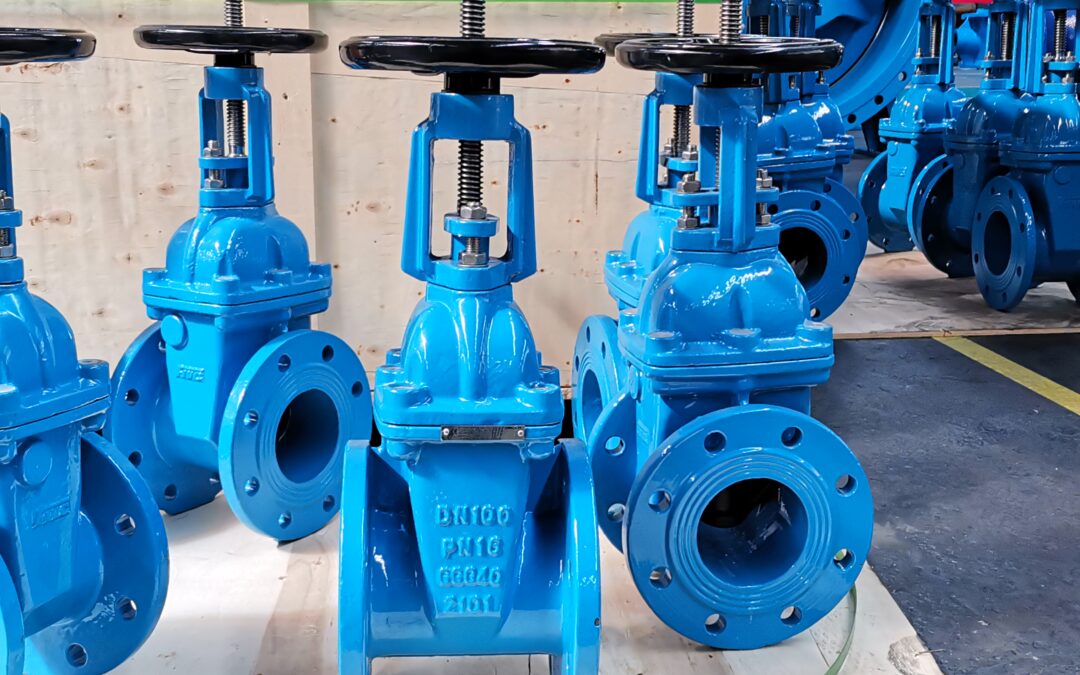
Gate valves are used in piping systems to start and stop fluid flow. They work by lifting or lowering a round or rectangular gate into the flow path to control flow. Gate valves come in two main designs – resilient seat and metal seat. Resilient seat gate valves have a gate that presses against soft seats to achieve tight shutoff. The resilient seating surfaces can create bubble-tight isolation while being gentle on the gate. This makes them well-suited for water systems and other applications that need drip-tight shutoff.

Resilient Seat Gate Valve Construction
Resilient wedge gate valves have a gate that moves up and down in metal guides called side tracks. Kiedy otwarte, the gate fully retracts from the flow path to provide full, unobstructed flow. The gate has seating surfaces on both sides covered with an elastomer. Common elastomers used include EPDM, NBR, and rubber. When closing the valve, the gate lowers between the resilient valve seats, creating a tight seal to stop flow. The elastic seals absorb the force of the descending gate, preventing damage.
The valve body is commonly ductile iron or cast steel. Ductile iron has good strength and corrosion resistance while being lighter weight. Other body materials like stainless steel or bronze are also used depending on the application. The stem, gate guides, and fasteners are usually stainless steel for strength and corrosion resistance.
Key Benefits of Resilient Seat Gate Valves:
- Tight shutoff – Resilient seated valves achieve bubble-tight shutoff, preventing leakage even at high pressures.
- Low operating torque – It takes less force to open/close the valve due to less friction between the gate and seats.
- Longer service life – The seats protect the gate from impacts, reducing wear and extending valve life.
- Bi-directional flow – Resilient seats allow flow in both directions making the valves suitable for reversible flow.
- Niskie koszty utrzymania – The seats eliminate galling and gunking common with metal-on-metal seats.
Resilient seat gate valves are available in sizes from 2″ to 48″ and pressure classes from 150 to 600 psi. They meet or exceed standards like API 609 and MSS SP-70. Typical applications include municipal water systems, irrigation, obróbka chemiczna, and power plants.
Large Size Gate Valves
For controlling very large pipes or high pressure flows, large diameter gate valves are required. These heavyweight valves come in NPS sizes ranging from 16″ to 48″. Big size gate valve weigh anywhere from 650 lbs for a 16″ class 150 valve up to 9,000 lbs for a 48″ class 600 valve. They are predominantly used in the oil & gaz, obróbka chemiczna, district heating, and power industries.
The main types of large gate valves include:
- Rising stem – The stem rises up out of the valve when opening. This shows the valve position.
- Non-rising stem – The stem does not rise or lower. Valve position is not externally apparent.
- Expanding gate – The gate grows wider when closing to achieve better sealing.
- Double disc – Two parallel discs seal instead of a solid gate. Good for dirty services.
- Knife gate – Gate slides horizontally rather than rising vertically. Often used for slurry.
- Through conduit – Flow path goes straight through the gate rather than at right angles.
Large gate valves may contain special design features like body reinforcements, large stem diameters, roller guides, gear actuators, and bypasses to handle the high pressures and forces involved. Ensure valves meet applicable ASME and API standards for the service conditions.
Underground Gate Valves
Underground or buried gate valves are designed for installation beneath the earth in pipeline systems. They allow pipelines to be shut off during maintenance or emergencies without excavating. Underground gate valves come in flanged or mechanical joint ends for connecting to buried pipe sections. Their protective coatings and sealed stem designs prevent groundwater infiltration and corrosion.
There are two main types of underground gate valves:
Non-Rising Stem (NRS) – The stem and gate don’t rise above the valve, so no protective stem casing is needed. A shaft rotates the stem threads through a bushing. NRS valves are simpler but give no indication of valve position.
Rising Stem (RS) – The stem visibly rises from the valve, showing its open/closed status. A stem casing extends to ground level, protecting the exposed stem. RS valves allow position indication but the stem casing can leak over time.
Underground gate valves have flanged joint ends in sizes matching ANSI/AWWA C110/C153 pipe flanges. Typical laying lengths including the valve, joints, and operating stem are 6 to 8 feet. Bury depths range from 3 to 10 feet depending on climate freezing depth. The valve, joints, and stem casing get coated for corrosion protection against soil and water. Common coatings include epoxy, fusion-bonded epoxy, zinc, and polyethylene sleeves. A square operating nut connects to the valve stem at ground level. Underground gate valves meet standards like AWWA C500 and API 6D for reliable performance.
sierpień 11, 2023 | Aktualności
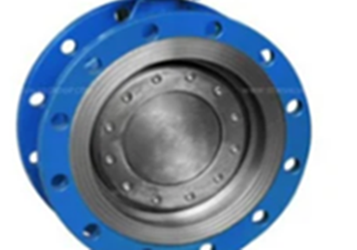
Butterfly valves are commonly as used in fluid control applications and piping systems all over China. As one of the most versatile and economical valve types available, butterfly valves have a wide range of uses. And are typically preferred over other valve types for many flow control needs. This blog post will explore the common uses of butterfly valves in more detail, cover the major components that make up a butterfly valve. And discuss some key advantages of using butterfly valves made in China.

- Isolation – One of the primary uses of butterfly valves is for isolating or shutting off flow completely in a section of pipe. By closing the disc perpendicular to the flow, butterfly valves provide a tight shut-off that is better than gate valves for most medium to high-pressure applications. Their tight-closing capability makes them well-suited for isolation during maintenance or repairs.
- Throttling – As modulation control valves, butterfly valves can effectively regulate and control the flow of liquids through a partial-open position. Their thin disc provides smooth and gradual throttling abilities to modulate flow as needed in various processing and distribution applications. This makes them a common choice for flow control in applications like pumping systems.
- Wastewater Treatment – In China’s rapidly growing wastewater treatment industry, butterfly valves play an important role in process flow control. They are extensively used for isolating and controlling flow in various treatment plant components like sedimentation tanks, filters and digesters. Their tight shut-off prevents leaks and cross-contamination between treatment stages.
- Power Plants – Thermal and hydroelectric power plants in China rely on butterfly valves for critical flow control duties in steam, water and bypass piping systems. Their tight shut-off and modulation capabilities make them well-suited for boiler blowdown, circulating water, condenser water and drainage applications to safely direct and regulate high-temperature and high-pressure flows.
- Chemical Processing – The chemical manufacturing industry sees widespread butterfly valve use due to their resistance to corrosion. Applications include flow control of chemicals, acids and other corrosive fluids in tanks, vessels and piping. Their tight shut-off prevents material cross-contamination and spills.
- Pulp and Paper Mills – Process flows of fiber slurries, recycled water and various chemicals in papermaking require reliable shut-off and throttling control. Faktycznie, it provided by butterfly valves. They isolate units like stock preparation systems, whitewater storage tanks and digesters from one another during maintenance periods.
Major Components Of A Butterfly Valve
- Dysk – The thin, circular disc spanning the diameter of the pipe is the heart of a butterfly valve. It rotates 90 degrees from fully open to fully closed around its pivoting stem. Discs are available in a variety of resilient materials suited for the specific fluid being handled.
- Trzon – Attached at the center of the disc, the stem transmits the rotating motion from the actuator to turn the disc. It seals inside the body with dynamic stem seals to prevent leaks while remaining lubricated.
- Ciało – The main body housing encloses the disc and stem assembly. Three-piece wafer or lug style bodies allow the valve to be easily installed between flanges for in-line piping applications in China.
- Siedziba – Resilient seat rings secure inside the valve body and provide a tight shut-off surface for the disc edge to seal against when closed. Quality seats are crucial for preventing leaks.
- Actuator – Gear, pneumatic or electric actuators mounted on top of the valve body provide torque to open and close the disc. Actuators ensure tight shut-off as well as accurate throttling control in partial-open positions.
Advantages Of Butterfly Valves From China
- Opłacalność – As one of the simplest and most lightweight valve designs, butterfly valves provide an economical solution compared to other types. Chinese manufacturers keep costs low through mass production.
- Compact Size – Their compact in-line design takes up much less space than gate valves of the same nominal size. This reduces installed costs and allows more valves per linear foot of piping.
- Easy Maintenance – Butterfly valves have fewer moving butterfly valve components than most other designs, reducing maintenance requirements. The disc and seat area is easily accessible for inspection, repair or replacement if needed.
- Szeroki zakres temperatur – Resilient discs and seats allow butterfly valves to handle a wide temperature range from cryogenic to high-temperature steam applications. This versatility increases their usage.
- Severe Service Options – Special alloys, coatings and designs from Chinese manufacturers withstand corrosion. And also extended use with abrasive slurries or chemicals that would destroy other valves.
- Reliability – When properly selected and installed, butterfly valves from reputable China-based manufacturers provide years of dependable throttling and isolation control for demanding applications.



