
sierpień 18, 2023 | Aktualności
Butterfly valves have become a ubiquitous component in industrial piping systems due to their versatility and economical design. Often referred to as a wafer, targać, or flanged butterfly valve depending on installation style, this type of valve provides flow control for many process applications. W tym artykule, we will explore the advantages of butterfly valves along with common high-performance variants used in industries worldwide.

Introduce About butterfly valves
At the core of a butterfly valve is a circular disc mounted to a center shaft that rotates perpendicular to pipeline flow. In the open position, the disc lays flat allowing full flow through the valve body. Closing the valve rotates the disc 90-degrees to an off-plane position blocking flow. This straightforward design results in lower cost compared to gate or ball valves while providing effective shut-off in a compact package.
The most basic butterfly valve variant is the lug style where the valve body is sandwiched between pipeline flanges held together with bolting. This creates a low-profile “wafer” installation ideal for inserting or removing valves without disrupting piping. Flanged butterfly valves install directly onto flanges like regular fittings, offering sealing advantages for higher pressure applications.
High-performance butterfly valves
High-performance butterfly valves optimized for critical service introduce enhanced features. Triple-offset butterfly valves improve sealing ability by utilizing three offset sealing points between the disc and body instead of a single point. This prevents leakage even at high differential pressures. The offset butterfly orientation also reduces friction for lighter actuation torque requirements.
For applications handling corrosive chemicals, butterfly valves with bodies constructed entirely from exotic materials like Hastelloy, titanium or nickel alloys provide superior corrosion resistance. Liner kits allow standard valves to compensate for pipeline erosion. Fully-lined valves equipped with replaceable linings offer a more cost-effective solution than full exotic construction.
Butterfly valves serve virtually all major process industries.
Oil and gas pipelines employ heavy-duty versions rated for high-temperature and high-pressure services. Power plants rely on large butterfly valves to direct steam or water flows for turbine and cooling systems. Municipal water treatment uses corrosion-resistant models. Chemical plants demand tight-shutoff valves suited for accurately metering slurries and viscous substances.
Selecting the proper butterfly valve design requires considering application variables such as pressure rating, temperature exposure, media compatibility, expected cycle life, actuation method and installation space constraints. With a dizzying array of materials, trim components and customization options available, manufacturers work closely with end users to arrive at precisely specified butterfly valves optimized for even the most demanding conditions.
Butterfly valves have earned their prominent role in industrial flow control
Thanks to flexible designs that deliver economical yet robust solutions. Whether basic wafer valves or advanced high-performance variants, their modular nature accommodates wide-ranging specifications. Superior sealing, corrosion resistance, pressure capabilities and versatility make butterfly valves an go-to choice across major process industries worldwide. Continued engineering refinements promise to extend their application range even further.
Popular quality butterfly valves from us
As leading valves manufacturer, WTST always provides various of butterfly valves for oversea customers. Tymczasem, we recommand ci butterfly valve, hp butterfly valve, Zawór motylkowy.
If you consider to purchase valves, do not hesitage to contact with us.

sierpień 17, 2023 | Aktualności
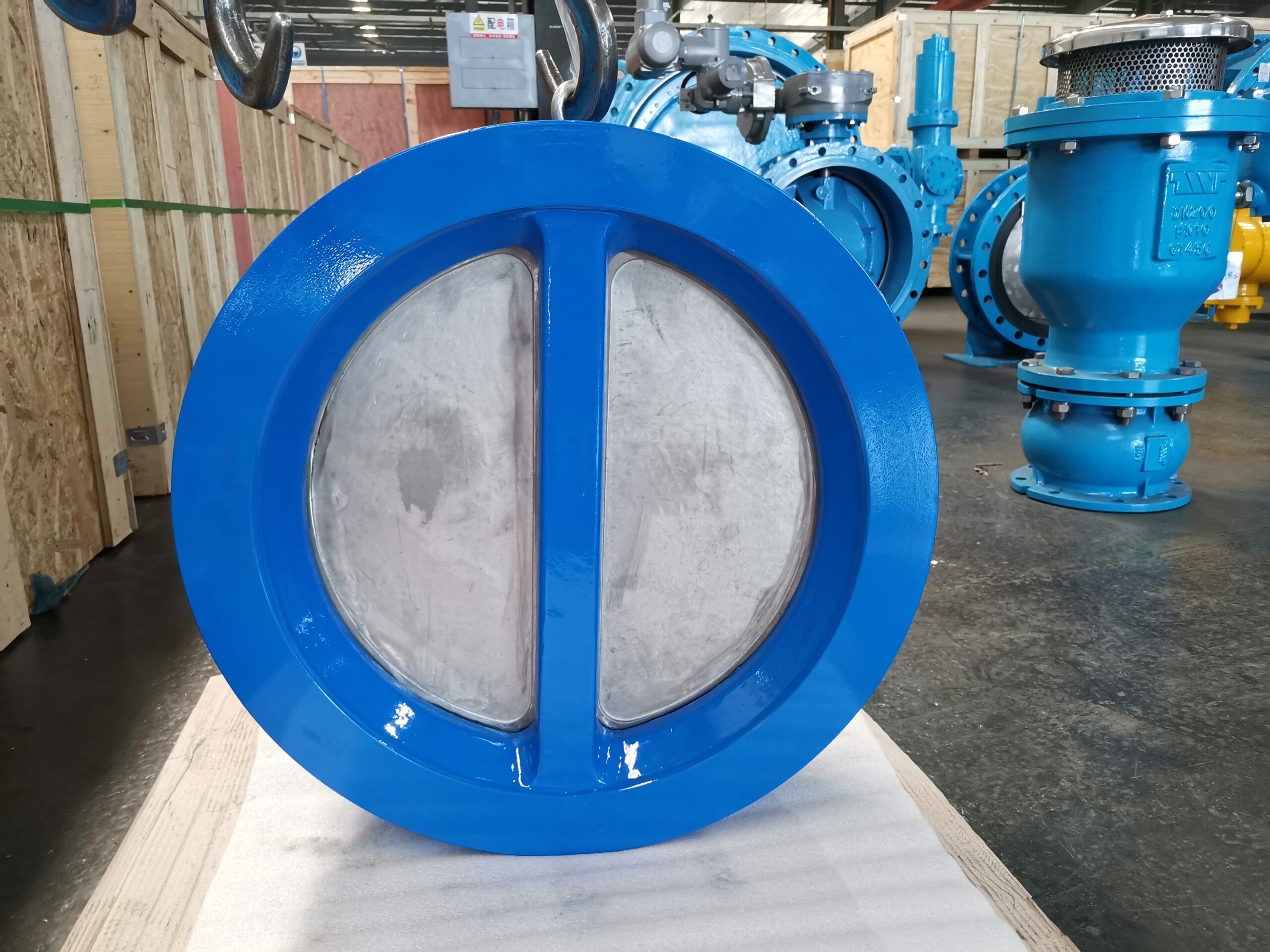
Check valves play a critical role in preventing reverse flow across a broad range of industrial piping systems. A specialized type known as the double door check valve provides enhanced backflow prevention through its unique dual closure design. Compared to single disc or swing checks, double door check valves offer superior flow dynamics, niezawodność, and backflow protection. Below we examine the operating principles, design features, korzyści, and common applications of double door check valves.
Introducing the Double Door Check Valve
A double door check valve contains two closure disks or flappers mounted in series within the valve body. These dual flappers seal against angled seats on either side of a central piston. The flappers are spring-loaded and open fully during forward flow. If flow reverses, the flappers rapidly seal to stop any backflow. This dual sealing action provides tighter backflow prevention compared to single flap check valves. Double door designs also enable better flow characteristics with reduced turbulence and slamming.
Design Elements of Double Door Check Valves
Some of the key design elements of double door check valves include:
- Dual closure flappers for sequential sealing during reverse flow
- Central piston linked to flappers to enable full fluid passage when open
- Angled seating surfaces that flappers seal against in closed position
- Springs that keep flappers closed with pressure assist when reverse flow occurs
- Hinge pins enabling each closure flap to pivot and seal independently
- Non-slam operation due to progressive opening and closing of flappers
- Low pressure drop due to efficient, less turbulent forward flow
Double Door Check Valves Own Many Benefits
Double door check valves provide several notable benefits:
- Reliable backflow prevention with dual sequential sealing
- Higher backpressure capabilities compared to single flap checks
- Smooth opening and closing action with minimal water hammer
- Full flow area through valve body when open
- Reduced fouling and clogging due to enhanced self-flushing
- Suitable for vertical or horizontal installation
- Long service life with rugged, easy to maintain designs
- Temperature ratings up to 350°F for many applications
Typical Applications of Double Door Check Valves
Double door check valves have wide utility across industrial sectors. Typical applications include:
- Backflow prevention in pumping systems
- Protecting against reverse flow in chemical injection lines
- Installation on discharge of pumps handling corrosive fluids
- Isolating high pressure and low pressure circuits
- Stopping gravity or siphoned drainage flows
- Use in water treatment and purification systems
- Preventing cross-contamination in potable water lines
- Protection against sea water backflows in desalination plants
- Backflow prevention in fire suppression and sprinkler systems
With their superior backflow sealing capabilities, Wafer double door check valves deliver important protection across an array of critical piping systems. Considering their strengths in key applications leads to improved safety and operability.
Double Door Check Vavles Comparing To Lift Type
The main differences between lift check valves and double door check valves are:
- Projekt – China Lift check valves have a single door/flapper that pivots up to allow flow and down to block reverse flow. Double door check valves have two independently moving flapper doors.
- Kierunek przepływu – Lift checks only allow flow in one direction, from the inlet to the outlet. Double door checks allow bidirectional flow, from inlet to outlet or vice versa.
- Closing Speed – Lift checks close slowly by gravity as fluid reverses. Double door checks seal tightly with both doors closing simultaneously for faster closing.
- Przeciek – Lift checks are more prone to leakage over time as the single seal can wear. Double door checks have redundant seals for less leakage potential.
- Pressure Drop – Lift checks have a larger opening and thus lower pressure drop when fully open. Double door checks have higher pressure drops due to their smaller valve openings.
- Applications – Lift checks are used for simple one-way flow applications like water pipes. Double door checks are better for fluid transfer applications involving changes in flow direction like irrigation or pumping systems.
sierpień 16, 2023 | Aktualności
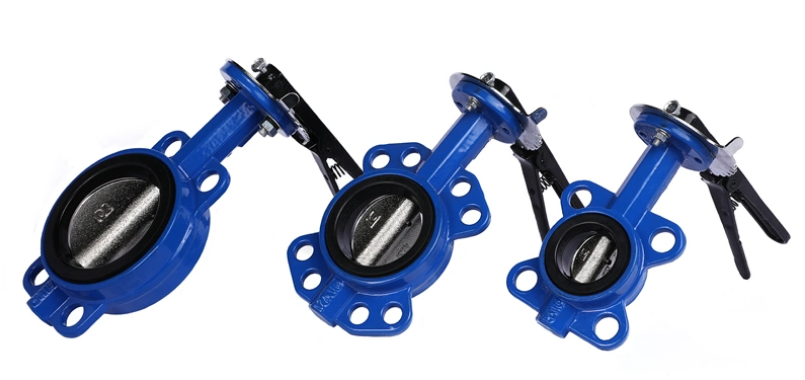
Butterfly valves have earned their place as a versatile and economical option for industrial flow control applications. Acting as shut-off points in pipelines, these circular disc valves enable precise regulation of liquids and gases. Though simple in design, critical components like liners and seals influence operability in corrosive systems. Proper selection ensures long-lasting, leak-proof performance.
Types of Butterfly Valves
Butterfly valves exist in a few common configurations:
- Center line butterfly valve: Ideal for on/off service with the disc centered within the pipe diameter.
- Offset butterfly valve: Allows for partial opening while attached inline. The eccentric disc throws to one side.
- Lug Valve: Flanged ends enable installation between other flanged components like elbows or tees.
Each serves isolation or throttling flow control needs in varied process pipeline configurations.
Key Butterfly Valve Components
- Dysk – The round shaft and perimeter seal that spins open/closed. Discs use stainless, alloy, or plastic construction.
- Seats – Precise seals where the disc perimeter meets the valve body. Seat materials withstand the media.
- Wał – Rotates the disc; typically carbon or stainless steel corrosion resistant.
- Actuator – Mechanism driving shaft rotation via manual lever, electric motor, lub siłownik pneumatyczny.
- Liners – Replaceable interior plates that contact media; select for superior chemical resistance.
- Bearings – Bushings that support the shaft; common fully encompassing or bushing types.
- Packing/Seals – Isolate actuators from valve interior; choices include graphite or teflon.
Importance of Liners and Seals
In corrosive slurries or chemicals, liners and seals prove mission-critical for longevity. Common metallurgies fall short under certain conditions necessitating drop-in replacement components. Liner and seal choices consider:
- Construction Material: PTFE, hard rubber, ceramics withstand dissolving or erosion better than carbon steel.
- Coating Options: Applied fluoropolymers or tungsten carbide protect base alloys.
- Zakres temperatury: Heat and freezing affect longevity without proper material selection.
- Chemical Compatibility: Consult manufacturer data thoroughly matching processes.
Teflon liners provide an economical solution for its non-stick slip surface and resistance to most industrial acids, alkalis and solvents across a wide temperature range. Proper selection keeps teflon lined butterfly valves sealing tight for years.
Installation and Maintenance Best Practices
Butterfly valves install between flanges or with mechanical joint ends via basic instructions. Correct orientation prevents binding. Regular processes like:
- Lubricating actuator linkages quarterly with grease prevents jamming.
- Exercising valve shaft rotation bi-annually verifies smooth operation.
- Inspecting seats/liners annually for pits or cracks extending service life.
- Replacing worn liners/seals before complete deterioration avoids costly repairs.
Adhering to simple preventative measures validates valve uptime expectations in demanding conditions. Quality components coupled with routine care maximize butterfly valve reliability.
Butterfly valves prove economical flow control workhorses due to versatile designs. Jednakże, selecting durable liners and seals suited for application chemistries upholds long-term sealing performance. Proper installation and regular exercising moreover safeguards corrosion-resistant operation.
sierpień 15, 2023 | Aktualności
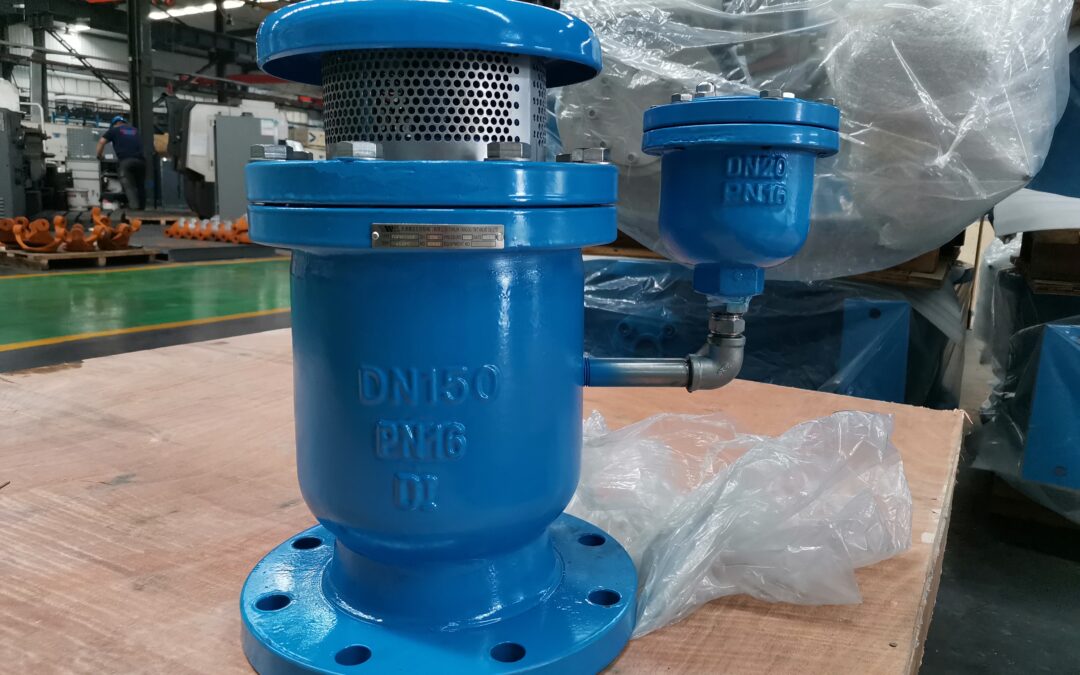
Efficient pipeline flows rely on properly venting accumulations of inconvenient air pockets. Left unaddressed, trapped air can cause operational issues like flow disturbances or even line collapse due to water hammer forces. To combat such problems, installation engineers regularly specify durable cast iron air valves featuring versatile triple functions.

Types of Air Valves for Pipelines
While automatic in operation, application-tailored designs optimize reliable air venting. Various air valve configurations address different air release scenarios:
- Combined Air Release Valves: Vent small air pockets during filling and tiny air bubbles under pressure.
- Air/Vacuum Valves: Release air on filling while admitting air on draining to prevent vacuum conditions.
- Combination Air Valves: Consolidate air release and air/vacuum capabilities in single unit.
- Blow-Off Valves: Purge accumulated air during pipeline commissioning or after maintenance.
Triple Function Air Valves
Such combination units streamline material and installation costs. Leading manufacturers integrate three vital air control functions into a single robust unit:
- Air Release: Small orifices vent air pockets as lines charge.
- Air/Vacuum: Larger inlets prevent vacuum formation during draining.
- Air-Locked Pipeline Protection: Overpressure safeguards trigger above set pressures.
Design and Construction
Proper sizing considers line diameters and pressures and may utilize adjustable float mechanisms for flexibility. Time-tested cast iron resists corrosion while providing durability critical for embedded valves. Components include:
- Sealed Float: Opens and closes orifices precisely as air volumes fluctuate.
- Seals/O-Rings: Durably isolate operational components from media ingress.
- Stainless Trim: Bolts and screws withstand embedded corrosives prolonging service life.
Installation Best Practices
Such proactive maintenance solidifies reliable air expulsion over decades of service. To maximize effectiveness, install air valves:
- At local high points along routes to purge collected pockets.
- Near line branches, tees or bends prone to accumulation.
- In insulated boxes allowing manual operation without interruption.
- Following manufacturer instructions regarding orientation and connections.
Dodatkowo:
- Exercise float mechanisms periodically to ensure free movement.
- Inspect and clean valves routinely to remove debris.
- Replace seals before leakages jeopardize intended function.
By intelligently specifying resilient cast iron triple functions air vents, pipeline engineers gain simplified solutions addressing diverse needs for air release, vacuum protection and overpressure safeguarding. Correct sizing and installation coupled with regular exercising upholds efficient flow by automatically exhausting troublesome air pockets. These stalwart valves thus play an indispensable yet often overlooked role in delivering continuous process fluid transportation.
sierpień 15, 2023 | Aktualności
Discover the essential role of check valves in fluid control systems. This article provides a comprehensive overview of what a check valve is, its function, different types, and its applications. From preventing backflow to ensuring system efficiency, check valves play a vital role in various industries. Explore the benefits and considerations associated with check valves, and understand how they contribute to reliable and effective fluid control.
Introduction:
W tym artykule, we delve into the concept of check valves and their significance in fluid control systems. From their fundamental function to the various types available, we provide a comprehensive understanding of what a check valve is and how it operates. Join us as we explore the applications and benefits of check valves in different industries.

A check valve, also known as a non-return valve or one-way valve, is a mechanical device that allows fluid or gas to flow in only one direction. It prevents backflow, ensuring that the medium moves in the desired direction while preventing reverse flow. Check valves are crucial components in piping systems, pumps, compressors, and other applications where controlling fluid flow is essential.
How Does a Check Valve Work?
A check valve operates based on a simple principle: it opens to allow fluid or gas to flow in one direction and closes to prevent reverse flow. When the pressure on the inlet side exceeds the pressure on the outlet side, the valve opens, allowing the medium to pass through. Jednakże, when the pressure on the outlet side becomes higher, the valve closes, preventing backflow. This automatic operation ensures the unidirectional flow of fluids or gases.
Types of Check Valves
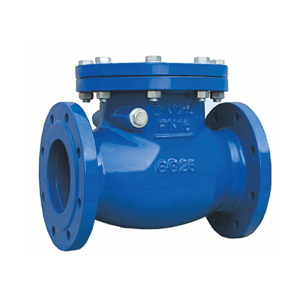
- Zawór zwrotny wahadłowy: This type of check valve has a hinged disc that swings open to allow flow in one direction and swings back to close and prevents backflow when the pressure changes.
- Podnieś zawór zwrotny: Lift check valves consist of a disc that moves vertically, allowing fluid or gas to pass when the pressure exceeds a certain level. When the pressure decreases, the disc closes to prevent backflow.
- Ball Check Valve: Ball check valves utilize a spherical or cylindrical ball that moves within a conical seat. When the pressure on the inlet side is higher, the ball is pushed aside, enabling flow. As the pressure equalizes or becomes higher on the outlet side, the ball returns to its position, sealing the valve.

Applications of Check Valves
- Plumbing Systems: Check valves are essential in plumbing systems to prevent water backflow, ensuring a steady flow of water and preventing contamination.
- Oil and Gas Industry: Check valves are crucial in oil and gas pipelines, preventing reverse flow and maintaining the integrity of the system.
- HVAC Systems: Check valves regulate fluid flow in heating, ventilation, and air conditioning systems, ensuring efficient operation and preventing energy wastage.
Wniosek:
Check valves are vital components in fluid control systems, allowing unidirectional flow and preventing backflow. Understanding the function, types, and applications of check valves is essential for ensuring efficient and reliable fluid control in various industries. Whether it’s preventing water contamination in plumbing systems or maintaining the integrity of oil and gas pipelines, check valves play a crucial role in ensuring system performance and safety.



