
grudzień 1, 2023 | Aktualności
Butterfly valves have become a prevalent flow control option across many industries due to their compact design and smooth operation. Within the waterworks sector, butterfly valves find application for main line isolation, throttling, and branch selection. Their versatile usage stems from configurations that suit a variety of installation requirements. Two prominent butterfly valve variations are the center line and eccentric styles, each excelling under certain conditions based on their internal structures.
High Quality Cast Iron Vavles Butterfly Design

At the foundation of a robust butterfly valve design are high quality cast iron materials. Ductile iron remains the predominate choice for valve bodies due its elastic properties that withstand cyclical stresses. Cast iron butterfly valve conforms well to tight radii and complex geometries like those contained within eccentric butterfly valves. Dodatkowo, ASTM A126 Grade B ductile iron possesses sufficient strength for underground applications where compaction pressures can deform lesser metals.
Butterfly Valve Variations – Centerline VS. Eccentric
While the previous post focused on gate valves, it’s also worth reviewing some of the common types of butterfly valves used in similar underground applications. Butterfly valves provide flow isolation using a pivoting disc instead of a gate.
There are two main categories of butterfly valve designs – centerline and eccentric:
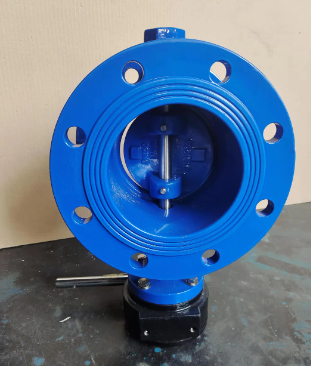
In a centerline butterfly valve, the disc rotates about an axis that runs directly through the center of the valve body and disc. This style offers precise sealing along the axis no matter the flow direction.
Jednakże, for tight bends or branches in the piping where space is limited, an mimośrodowy zawór motylkowy can be an option. In an eccentric design, the disc axis is offset above or below the horizontal centerline of the valve body.
For Applications Where Reduced Envelope Is Paramount
Eccentric butterfly valves offset the rotational axis away from center. This inclined orientation shaves wall thickness from the typical butterfly valve shape. Eccentric butterfly valves excels in situations like throttling service, where flow direction remains constant after valve installation. Their truncated form slips into confined chambers such as flow control vaults or meter bypass manifolds. Jednakże, the canted disc alignment causes reduced shut-off capability when flow passes through the open valve in both directions. Dlatego, eccentric butterfly valves find more specialized usage than center line types.
Turning to valve flowpath variations, zawór motylkowy linii środkowej orient closure members along the symmetrical midline of flow. Advantageously, this center mounted design enables bi-directional shut-off without compromising seal integrity. Center line butterfly valves function effectively as main isolating valves where flow reverses in pumping systems.
listopad 30, 2023 | Aktualności
The manual gate valve underground series represents a robust yet cost-effective solution for flow isolation and control in critical buried piping infrastructure. Careful consideration of standards compliant design, niezawodne uszczelnienie, and long-term maintenance needs delivers a versatile valve optimized for below grade service.
W tym artykule, we will take a closer look at podziemna zasuwa design with a focus on manual operation models. Understanding the engineering considerations that go into manual underground gate valves can provide valuable insights for specifying, installing and servicing these critical underground infrastructure components.
Compliance with Industry Standards
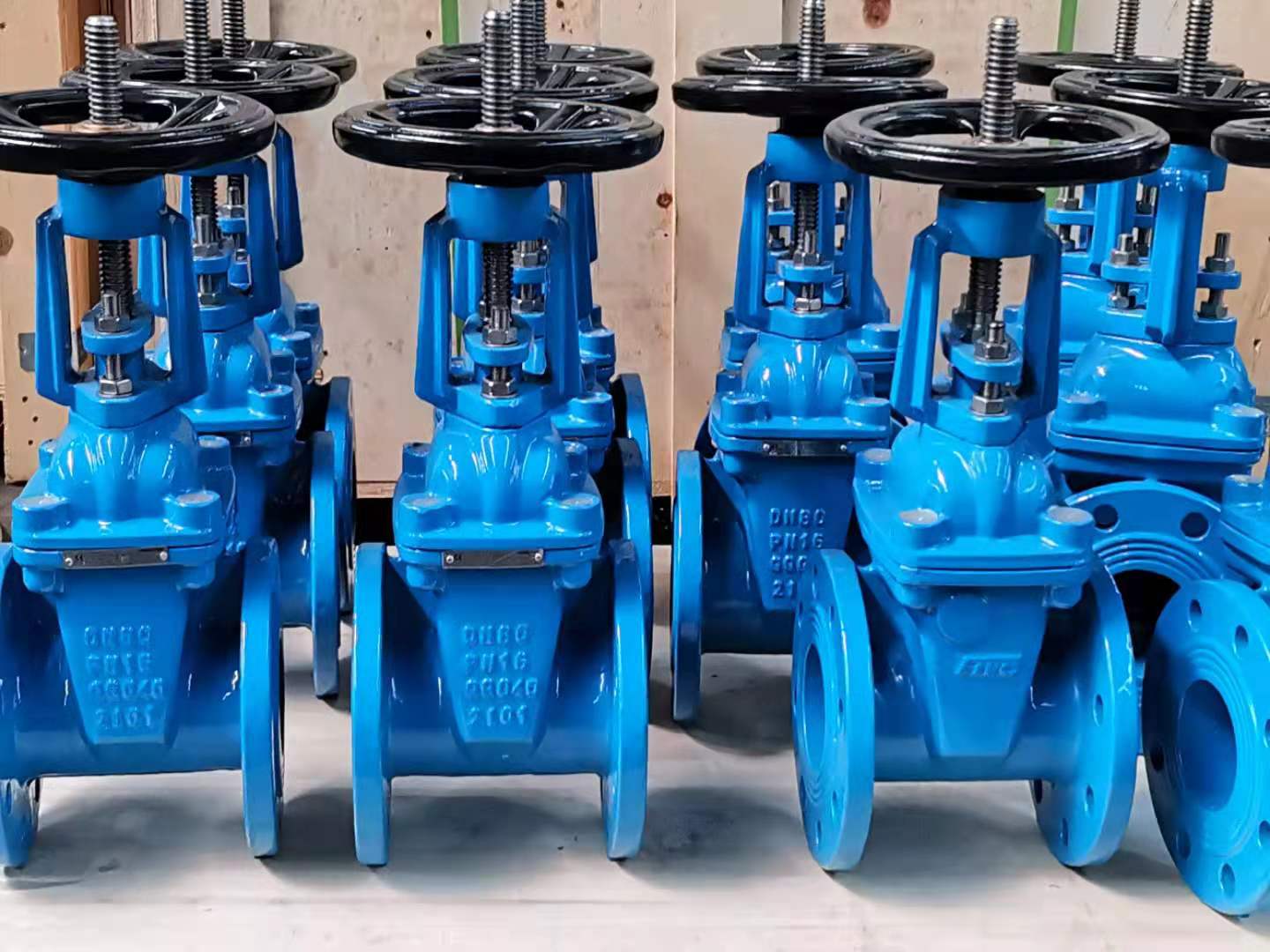
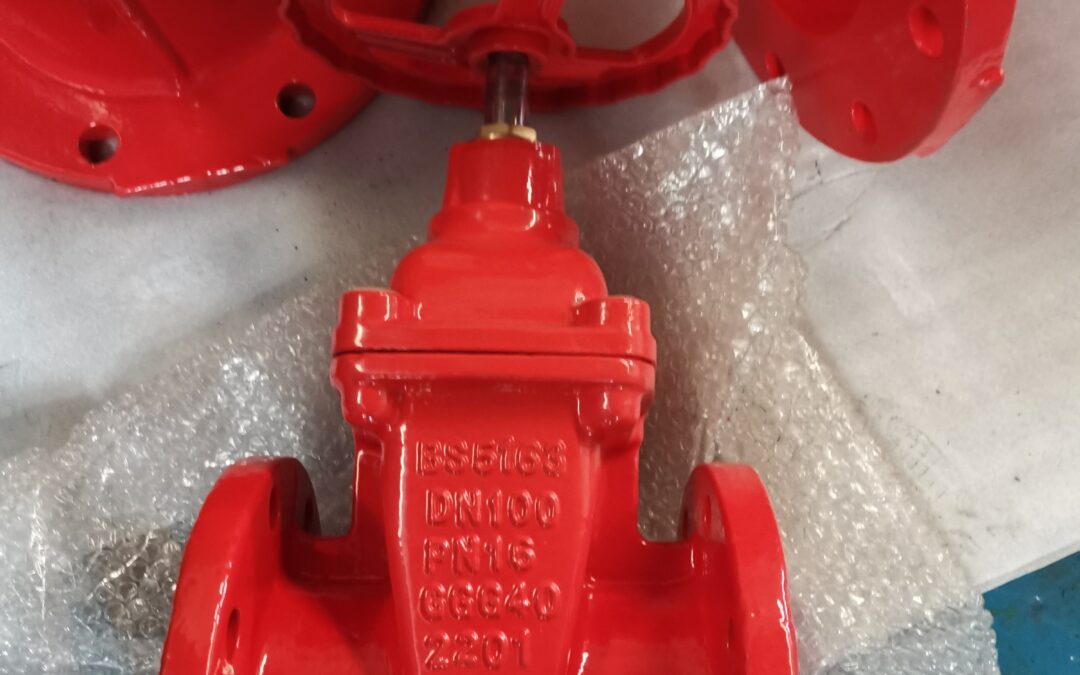
All underground Zasuwa bs5163 pn16 must be engineered and manufactured according to relevant industry standards to ensure safety, quality and interchangeability. In the UK, underground gate valves designed for potable water distribution networks up to PN16 pressure rating comply with BS5163:1992. This British Standard specifies technical requirements for the construction, testing and performance of buried sluice valves up to 1200mm in nominal diameter.
Key aspects covered in BS5163 include body and bonnet materials, joint types, operating mechanisms, pressure rating, flow direction indicators and extension stems for underground access. Manufacturers of BS5163 compliant underground gate valves use high strength ductile iron or fabricated steel to construct robust bodies capable of withstanding underground installation and the working pressures of water distribution systems.
Manual Operation Design
When it comes to manual underground gate valves, the operating mechanism is a critical design element that needs to provide reliable actuation from above ground level. Most modern manual underground gate valves utilize a buried valve bonnet with an adjustable valve box and operating stem arrangement.
The valve bonnet houses the gate, seat rings and stem connections below ground. It features a stem guide bushing and rising stem that translates the open/close movement directly from the gate. Extending up from the valve bonnet is the operating stem – a threaded shaft often constructed from bronze, stainless steel or galvanized steel materials.
The operating stem passes up through the center of a concentric valve box installed flush with the final grade. This precast concrete or polymer concrete valve box protects the operating components while providing accessible access. A adjustable extension stem sits atop the valve box and connects to the buried stem with a junction box. T-handled, lever, or nut operated extensions allow manual operation from grade level.
Sealing Design
Reliable sealing is crucial to prevent leakage which could lead to contamination or erosion issues over the lifetime of an underground valve. BS5163 gate valves pn16 utilize resilient wedge sealing which provides drip-tight shutoff with minimal operating torque.
In resilient wedge sealed gate valves, an elastomer wedge mounted on the gate compresses against a dual segmented seat in the valve body. This forms a flexible seal as opposed to metal-to-metal sealing. The resilient wedge maintains sealing integrity in either flow direction and allows for easy replaceability if needed. O-ring stem seals within the valve bonnet further contain pressures and prevent underground contaminants from entering the operating mechanism.
Maintenance Considerations
With underground installation, maintenance access is an important design factor for gate valves. The manual operation arrangement enables valves to be cycled annually and lubricated as needed through the top opening of the adjustable valve box. Valve boxes should be level with final grade and not subject to heavy traffic loads to avoid damage.
Dodatkowo, an air release/vacuum breaker attachment may be included on underground gate valves to release built-up pressure when isolating a section of water main during maintenance activities. This reduces mechanical stresses on the valve and piping system. Gate valves also require occasional external coating touch-ups to protect against corrosion if the factory applied coating becomes damaged over time.
listopad 29, 2023 | Aktualności
Zawory odpowietrzające odgrywają istotną, choć niedocenianą rolę w infrastrukturze rurociągów pod ciśnieniem, odprowadzając nagromadzone powietrze z wznoszących się rurociągów i zbiorników magazynujących wodę. Bez odpowiedniego usuwania powietrza, kieszenie gazu mogą spowodować zatrzymanie pomp, uszkodzić rury uderzeniem wodnym, i powodować niepożądane problemy operacyjne. Aby sprostać wysokim wymaganiom w zakresie wydajności eliminacji sprężonego powietrza, starannie zaprojektowane korpusy z żeliwa zapewniają krytyczną trwałość.
Zawory powietrzne żeliwne – Dominują dwa dominujące style

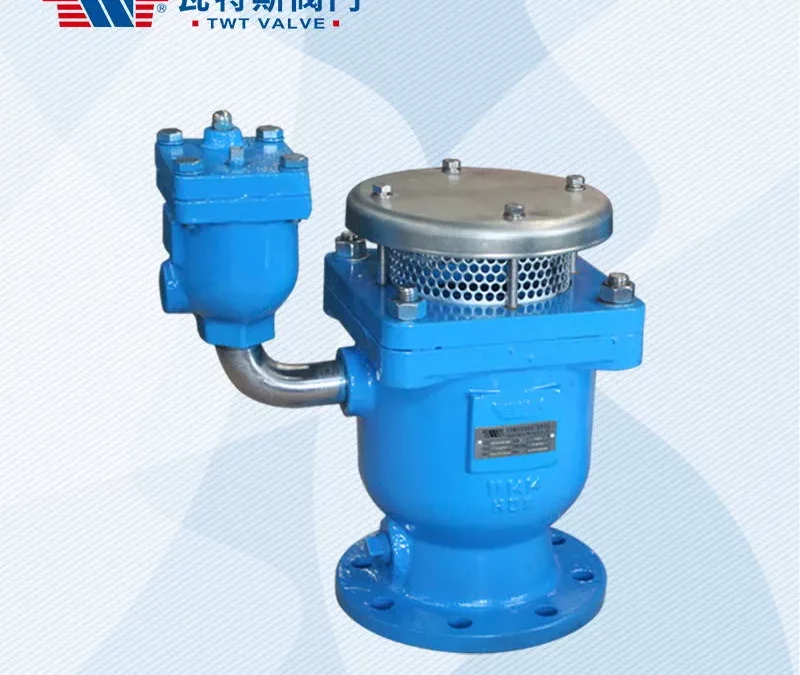
W kategorii żeliwny zawór powietrza, dominują dwa dominujące style – kombinowany zawór spustowy powietrza / zawory przerywające próżnię i konstrukcje z podwójną kryzą:
Modele łączone łączą funkcje uwalniania powietrza i zabezpieczenia podciśnienia w jednym kompaktowym urządzeniu. Te wszechstronnie utalentowane zawory firmy zawór powietrzny z podwójnymi otworami producent, automatycznie wypuszcza powietrze podczas napełniania systemu i wpuszcza powietrze po spuszczeniu, aby zapobiec zapadnięciu się podciśnienia. Integracja podwójnych mechanizmów usprawnia konfiguracje rurociągów, w których wymagane jest jednoczesne uwalnianie powietrza i przerywanie próżni.
Zawory powietrzne z podwójnymi kryzami wykorzystują specjalistyczne podejście, umieszczając we wspólnym odlewie równoległe górne i dolne kryzy obsługiwane przez pływak. Górny port uwalnia powietrze, podczas gdy dolny wpuszcza powietrze uzupełniające w warunkach próżni. Poprzez segregację wlotu i wylotu powietrza do niezależnych otworów, dwukomorowe zawory powietrzne precyzyjnie kontrolują procesy odpowietrzania. Chronią wrażliwe sieci rurociągów przed potencjalnym nadciśnieniem na skutek nadmiernego napływu powietrza.
Obydwa połączone & Zawór powietrza z podwójnym otworem jest żeliwny
Podstawą konstrukcji zaworów powietrznych zarówno kombinowanych, jak i podwójnych są wymagające korpusy żeliwne:
Grafit sferoidalny (SG) lub materiały z żeliwa sferoidalnego zapewniają optymalną wytrzymałość, odporność na obciążenia udarowe, i stabilność wymiarową podczas wahań temperatury. Konstrukcja odlewana równomiernie rozkłada naprężenia materiału w porównaniu do alternatywnych rozwiązań ze stali spawanej. Umożliwia także tworzenie skomplikowanych kształtów wnęk zaworów, które sprzyjają samooczyszczaniu poprzez turbulentne, wentylowane strumienie powietrza.
Solidne odlewy chronią krytyczne wewnętrzne mechanizmy operacyjne, od zespołów pływakowych i gniazd uszczelniających po tłoczyska odpowietrzające i osprzęt łączący. Odlewy z atestem AWWA C512 wytrzymują częste cykle zaworów i ataki korozji powodowane przez zanieczyszczenia przenoszone przez wodę lub gromadzenie się kondensatu. Wewnętrzne wykładziny epoksydowe uzupełniają naturalną odporność żeliwa na korozję, zapewniając dłuższą żywotność.
Łatwo dostępne otwory wentylacyjne
Łatwo dostępne otwory wentylacyjne eliminują problemy z lokalizacją i serwisowaniem zaworów powietrza w zastosowaniach podziemnych. Wyloty kołnierzowe wystają z korpusów zaworów i łączą się z rurociągami tłocznymi, natomiast śruby odpowietrzające umożliwiają odpowietrzanie uwięzionego powietrza podczas instalacji i konserwacji. Zamontowane u góry mechanizmy uwalniania powietrza wznoszą się ponad kołnierze pokryw zaworów w celu ręcznego zasysania w przypadku nieprawidłowego działania pływaków. Osłony przedłużające wysuwają drążki robocze w górę przez skrzynki dostępowe do poziomu poziomu w celu uruchomienia.
listopad 28, 2023 | Aktualności
Butterfly valves represent a flexible flow control solution utilized across many process industries. Their economical design and low torque operation enable usage in varied applications and fluid types. Within the butterfly valve category lay divisions defined by valve body and trim materials suited for a range of operating pressures and environments. Commonly specified variations include ductile iron, cast iron and high performance butterfly valves.
What Is The Shortcut O f Ductile Iron Butterfly Valves?

Ductile iron butterfly valves, also called ductile iron (Z) zawory motylkowe, exhibit mechanically robust properties through their spheroidal graphite microstructure. DI bodies withstand shock loading and cyclic stresses better than cast iron alternatives. Pressure ratings range from 150-2500 psi depending if wafer, lug or groove end styles are selected. Internal and external epoxy coatings complement ductile iron’s natural corrosion resistance, expanding its versatility handling abrasive or corrosive fluids. zaworu motylkowego find pervasive use for water, wastewater, and general industrial process isolation or throttling where suitable working pressures exist.
How To Understand The CI Butterfly Valves?
When lower operating pressures govern valve selection, żeliwo (CI) butterfly valves offer a cost-effective option. Manufactured to ASTM A126 Class B standards, CI butterfly valve exhibit adequate strength for pressures under 150 psi. Their cast construction forms intricately shaped bodies ideal for complex configurations. Internally protective epoxy coatings enable usage with certain process services where corrosion presents less severe risks. Typical CI butterfly applications involve natural gas distribution, irrigation, or potable water supply below 100 psi.
High Performance Butterfly Valve Up To 3000 PSI
Specialized high performance (HP) butterfly valves employ fabricated or laminated construction permitting higher pressure specifications up to 3000 psi. Reinforced epoxy or rubber lined bodies withstand intensive fluid velocities and abrasive particulate matter better than CI and DI alternatives. HP butterfly trim utilizes rugged alloy steels or exotic alloys to resist wear in corrosive or erosive applications. These premium butterfly valves see niche service for oil & gas extraction, pulp & paper, or mining industries transporting slurries at elevated pressures.
Moving inside the valve, user-serviceable disc designs differentiate butterfly types further. DI and CI valves usually contain ductile or cast iron discs for economical operation at their respective pressure classes. One-piece investment cast discs offer self-centering stability. HP butterfly valve often utilize insert type discs constructed from resistant alloys tailored for severe services. Cut away seals along disc edges reduce leakages when throttling.
Conclusion Of Kinds Of Buterfly Valves
With DI, CI and HP variations available, engineers can match butterfly valves to projects spanning diverse industries and fluid conditions. Factoring application parameters like pressures, fluid characteristics, temperatures and flowrates ensures the proper material-rated butterfly valve style performs seamlessly as specified. Through prudent valve selection from varied butterfly product lines, fluid systems worldwide operate at maximum dependability for many years.
listopad 27, 2023 | Aktualności
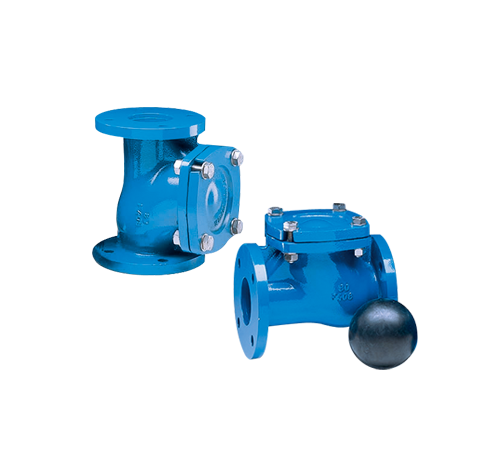
Zawory zwrotne z podwójną płytą i pojedynczą tarczą oferują wyraźne zalety i uwagi w zastosowaniach przemysłowych. Poprzez zrozumienie różnic pomiędzy tymi dwoma projektami, możesz podejmować świadome decyzje w celu optymalizacji wydajności systemu, bezpieczeństwo, i wydajność. Weź pod uwagę takie czynniki, jak ciśnienie znamionowe, Przepływ, przestrzeń instalacyjna, i wymagania konserwacyjne przy wyborze odpowiedniego zaworu zwrotnego do konkretnych potrzeb.
Zrozumienie zaworów zwrotnych:
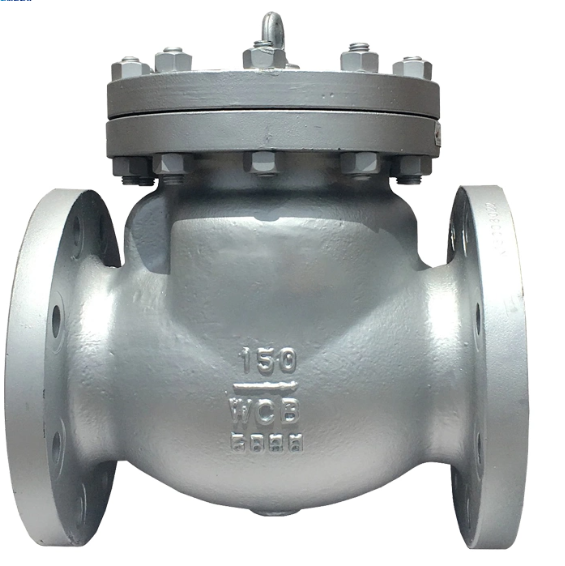
Zawory zwrotne to urządzenia mechaniczne instalowane w rurociągach w celu zapewnienia jednokierunkowego przepływu cieczy. Otwierają się automatycznie, gdy płyn przepływa w zamierzonym kierunku i zamykają się, gdy przepływ jest odwrotny, zapobieganie przepływom zwrotnym oraz ochrona sprzętu i procesów.
Zawory zwrotne z podwójnymi płytkami:
Zawór zwrotny z podwójnymi płytami wykorzystują dwie zawiasowe lub obrotowe płyty do regulacji przepływu płynu. Płyty te są połączone ze wspólnym sworzniem zawiasu i otwierają się i zamykają w odpowiedzi na zmiany ciśnienia płynu.
Zalety zaworów zwrotnych z podwójnymi płytkami:
1. Zastosowania wysokociśnieniowe: Zawór zwrotny dwupłytowy doskonale nadaje się do zastosowań wysokociśnieniowych ze względu na solidną konstrukcję i zdolność wytrzymywania większych różnic ciśnień.
2. Minimalny spadek ciśnienia: Podwójne płyty zapewniają ścieżkę przepływu o stosunkowo niskim oporze, co skutkuje minimalnym spadkiem ciśnienia na zaworze.
3. Niezawodne uszczelnienie: Podwójne płytki zapewniają szczelne uszczelnienie, skutecznie zapobiega przepływowi wstecznemu nawet w warunkach wysokiego ciśnienia.
Zawory zwrotne jednotarczowe:
Zawór zwrotny jednotarczowy posiadają pojedynczy dysk lub klapkę, która obraca się na zawiasie w celu kontrolowania przepływu płynu. Zawory te są zwykle instalowane pomiędzy dwoma kołnierzami i mają zwartą konstrukcję.
Zalety jednotarczowych zaworów zwrotnych waflowych:
1. Kompaktowa konstrukcja: Zawory zwrotne jednotarczowe są bardziej kompaktowe i lżejsze w porównaniu do zaworów zwrotnych z dwoma płytkami, dzięki czemu nadają się do instalacji o ograniczonej przestrzeni.
2. Szybka odpowiedź: Konstrukcja z pojedynczą tarczą pozwala na szybkie otwieranie i zamykanie, zapewniając skuteczną kontrolę przepływu i minimalny przepływ wsteczny.
3. Niskie koszty utrzymania: Zawory te mają mniej ruchomych części, ograniczenie konieczności częstych konserwacji i napraw.
Rozważania dotyczące aplikacji:
Przy wyborze pomiędzy zaworami zwrotnymi podwójnymi i jednotarczowymi, należy wziąć pod uwagę kilka czynników:
1. Ocena ciśnienia: Należy wziąć pod uwagę maksymalne ciśnienie znamionowe zaworu, aby upewnić się, że wytrzyma on ciśnienie robocze w systemie.
2. Przepływ: Oceń wymagane natężenie przepływu i wybierz zawór o odpowiedniej wielkości kryzy, aby zminimalizować spadek ciśnienia.
3. Przestrzeń instalacyjna: Weź pod uwagę dostępną przestrzeń na instalację zaworu i wybierz projekt, który pasuje do ograniczeń.
4. Wymagania dotyczące konserwacji: Oceń wymagania konserwacyjne każdego typu zaworu i wybierz ten, który jest zgodny z Twoimi praktykami konserwacyjnymi.



