
Dic 1, 2023 | Noticias
Las válvulas de mariposa se han convertido en una opción de control de flujo predominante en muchas industrias debido a su diseño compacto y funcionamiento suave.. Within the waterworks sector, butterfly valves find application for main line isolation, throttling, and branch selection. Their versatile usage stems from configurations that suit a variety of installation requirements. Two prominent butterfly valve variations are the center line and eccentric styles, each excelling under certain conditions based on their internal structures.
High Quality Cast Iron Vavles Butterfly Design

At the foundation of a robust butterfly valve design are high quality cast iron materials. Ductile iron remains the predominate choice for valve bodies due its elastic properties that withstand cyclical stresses. Cast iron butterfly valve conforms well to tight radii and complex geometries like those contained within eccentric butterfly valves. Además, ASTM A126 Grade B ductile iron possesses sufficient strength for underground applications where compaction pressures can deform lesser metals.
Butterfly Valve Variations – Centerline VS. Eccentric
While the previous post focused on gate valves, it’s also worth reviewing some of the common types of butterfly valves used in similar underground applications. Butterfly valves provide flow isolation using a pivoting disc instead of a gate.
There are two main categories of butterfly valve designs – centerline and eccentric:
In a centerline butterfly valve, the disc rotates about an axis that runs directly through the center of the valve body and disc. This style offers precise sealing along the axis no matter the flow direction.
Sin embargo, for tight bends or branches in the piping where space is limited, an válvula de mariposa excéntrica can be an option. In an eccentric design, the disc axis is offset above or below the horizontal centerline of the valve body.
For Applications Where Reduced Envelope Is Paramount
Eccentric butterfly valves offset the rotational axis away from center. This inclined orientation shaves wall thickness from the typical butterfly valve shape. Eccentric butterfly valves excels in situations like throttling service, where flow direction remains constant after valve installation. Their truncated form slips into confined chambers such as flow control vaults or meter bypass manifolds. Sin embargo, the canted disc alignment causes reduced shut-off capability when flow passes through the open valve in both directions. Por lo tanto, eccentric butterfly valves find more specialized usage than center line types.
Turning to valve flowpath variations, válvula de mariposa de línea central orient closure members along the symmetrical midline of flow. Advantageously, this center mounted design enables bi-directional shut-off without compromising seal integrity. Center line butterfly valves function effectively as main isolating valves where flow reverses in pumping systems.
Nov 30, 2023 | Noticias
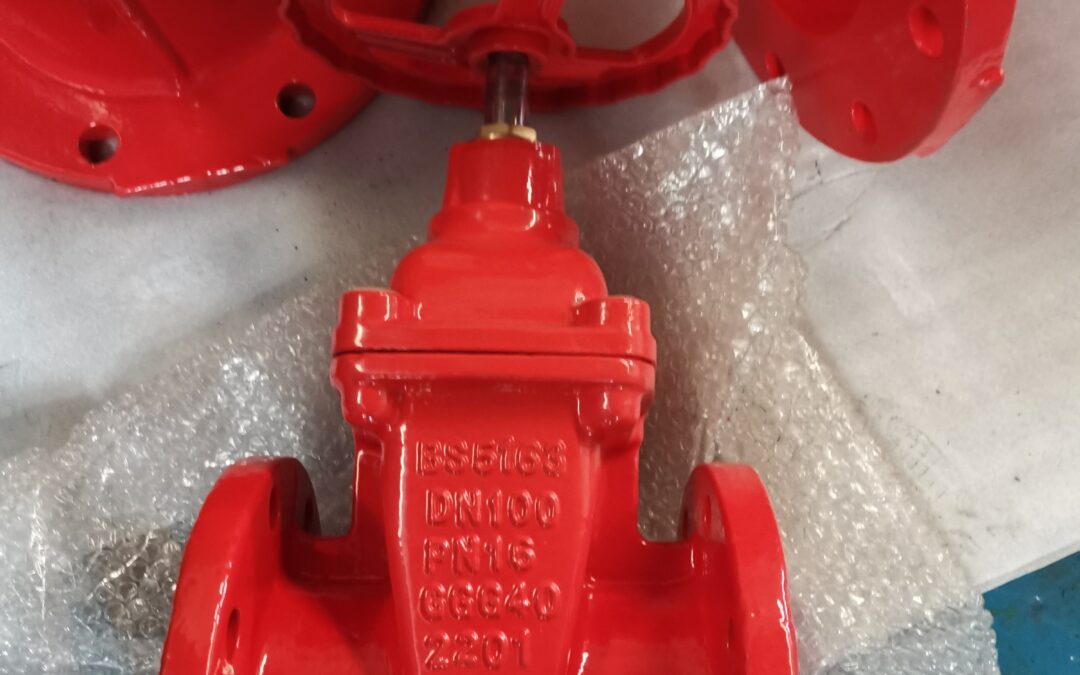
El válvula de compuerta manual underground series represents a robust yet cost-effective solution for flow isolation and control in critical buried piping infrastructure. Careful consideration of standards compliant design, sellado confiable, and long-term maintenance needs delivers a versatile valve optimized for below grade service.
En este articulo, we will take a closer look at válvula de compuerta subterránea design with a focus on manual operation models. Understanding the engineering considerations that go into manual underground gate valves can provide valuable insights for specifying, installing and servicing these critical underground infrastructure components.
Compliance with Industry Standards
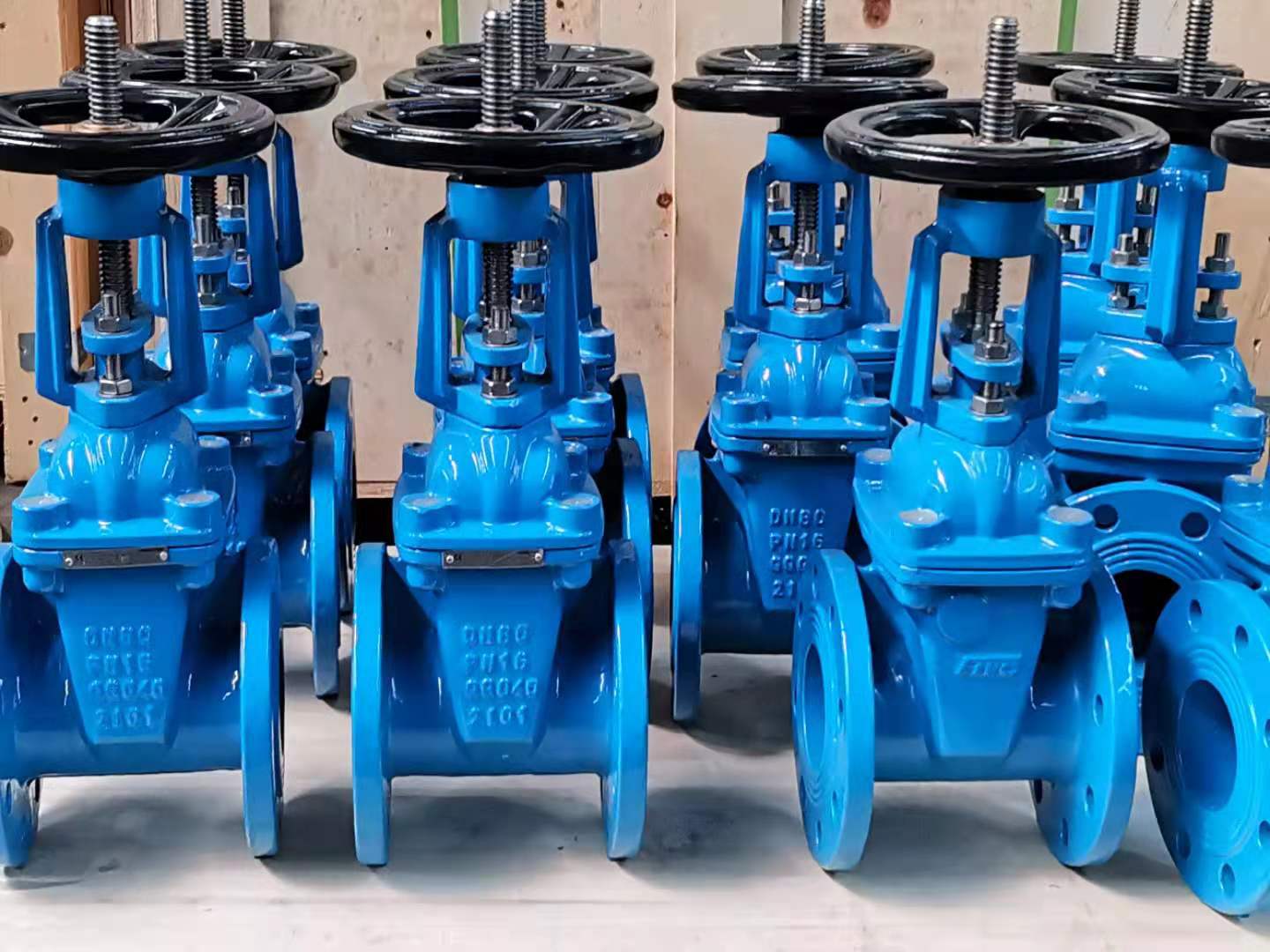
All underground válvula de compuerta bs5163 pn16 must be engineered and manufactured according to relevant industry standards to ensure safety, quality and interchangeability. In the UK, underground gate valves designed for potable water distribution networks up to PN16 pressure rating comply with BS5163:1992. This British Standard specifies technical requirements for the construction, testing and performance of buried sluice valves up to 1200mm in nominal diameter.
Key aspects covered in BS5163 include body and bonnet materials, joint types, operating mechanisms, clasificación de presión, flow direction indicators and extension stems for underground access. Manufacturers of BS5163 compliant underground gate valves use high strength ductile iron or fabricated steel to construct robust bodies capable of withstanding underground installation and the working pressures of water distribution systems.
Manual Operation Design
When it comes to manual underground gate valves, the operating mechanism is a critical design element that needs to provide reliable actuation from above ground level. Most modern manual underground gate valves utilize a buried valve bonnet with an adjustable valve box and operating stem arrangement.
The valve bonnet houses the gate, seat rings and stem connections below ground. It features a stem guide bushing and rising stem that translates the open/close movement directly from the gate. Extending up from the valve bonnet is the operating stem – a threaded shaft often constructed from bronze, stainless steel or galvanized steel materials.
The operating stem passes up through the center of a concentric valve box installed flush with the final grade. This precast concrete or polymer concrete valve box protects the operating components while providing accessible access. A adjustable extension stem sits atop the valve box and connects to the buried stem with a junction box. T-handled, palanca, or nut operated extensions allow manual operation from grade level.
Sealing Design
Reliable sealing is crucial to prevent leakage which could lead to contamination or erosion issues over the lifetime of an underground valve. BS5163 gate valves pn16 utilize resilient wedge sealing which provides drip-tight shutoff with minimal operating torque.
In resilient wedge sealed gate valves, an elastomer wedge mounted on the gate compresses against a dual segmented seat in the valve body. This forms a flexible seal as opposed to metal-to-metal sealing. The resilient wedge maintains sealing integrity in either flow direction and allows for easy replaceability if needed. O-ring stem seals within the valve bonnet further contain pressures and prevent underground contaminants from entering the operating mechanism.
Maintenance Considerations
With underground installation, maintenance access is an important design factor for gate valves. The manual operation arrangement enables valves to be cycled annually and lubricated as needed through the top opening of the adjustable valve box. Valve boxes should be level with final grade and not subject to heavy traffic loads to avoid damage.
Además, an air release/vacuum breaker attachment may be included on underground gate valves to release built-up pressure when isolating a section of water main during maintenance activities. This reduces mechanical stresses on the valve and piping system. Gate valves also require occasional external coating touch-ups to protect against corrosion if the factory applied coating becomes damaged over time.
Nov 29, 2023 | Noticias
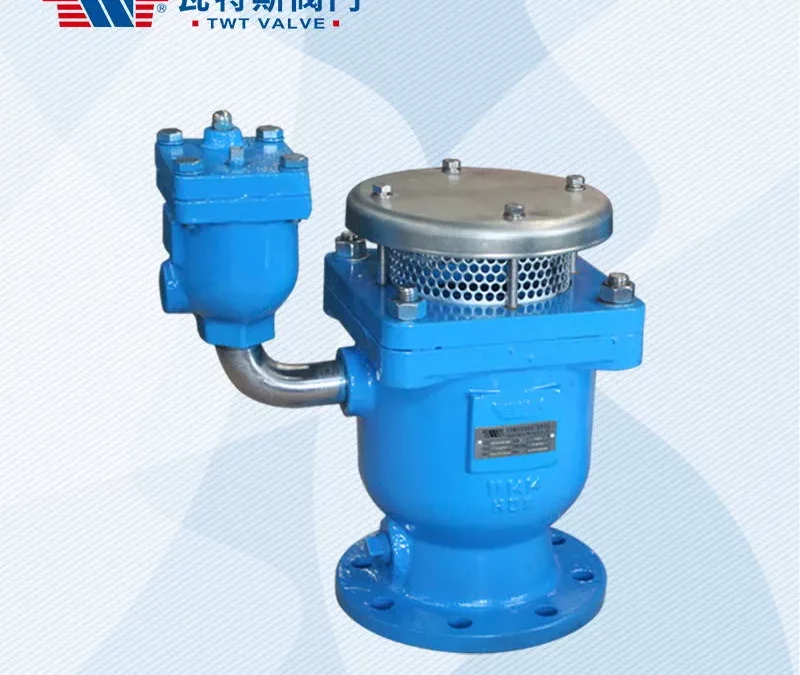
Air release valves play a vital yet underappreciated role in pressurized piping infrastructure by venting accumulating air from rising mains and water storage tanks. Without adequate air removal, pockets of gas can stall pumps, damage pipes through water hammer, and cause undesirable operational issues. To meet the demanding performance needs of pressurized air elimination, carefully engineered cast iron bodies provide critical durability.
Cast Iron Air Valves – Two Prominent Styles Predominate

Within the category of válvula de aire de hierro fundido, two prominent styles predominate – válvula de liberación de aire combinada / vacuum breaker valves and double orifice designs:
Combined models consolidate air release and vacuum protection functions into a single compact unit. These multitalented valves by válvula de aire de doble orificio fabricante, automatically exhaust air during system filling and admit air on drain down to prevent vacuum collapse. Integrating dual mechanisms streamlines piping configurations where both air release and vacuum breaking are required together.
Double orifice air valves take a specialized approach by housing parallel upper and lower float operated orifices within a shared casting. The upper port releases air while the lower admits make-up air during vacuum conditions. By segregating air admission and release into independent orifices, double cavity air valves precisely control the venting processes. They protect sensitive piping networks against potential over-pressurizing due to excessive air in-flows.
Both Combined & Double Orifice Air Valve Are Cast Iron
At the foundation of both combined and double orifice air valve designs are exacting cast iron bodies:
Spheroidal graphite (SG) or ductile iron materials provide optimal strength, resistance to shock loading, and dimensional stability during temperature fluctuations. Cast construction uniformly distributes material stresses compared to welded steel alternatives. It also enables intricate valve cavity shapes that promote self-cleaning through turbulent vented air streams.
Robust castings protect critical internal operating mechanisms, from float assemblies and sealing seats to vent piston rods and linkage hardware. AWWA C512 approved castings withstand frequent valve cycling and corrosive onslaughts from waterborne contaminants or condensation buildup. Internal epoxy liners supplement cast iron’s natural corrosion resistance for protracted service life.
Accessibly Positioned Air Vents
Accessibly positioned air vents eliminate problems locating and servicing air valves in buried applications. Flanged outlets project from valve bodies to interface with discharge piping, while bleed screws allow trapped air venting during installation and maintenance. Top mounted air release mechanisms rise above valve cover flanges for manual priming if floats malfunction. Extension bonnets extend operating rods upward through access boxes to grade level for actuation.
Nov 28, 2023 | Noticias
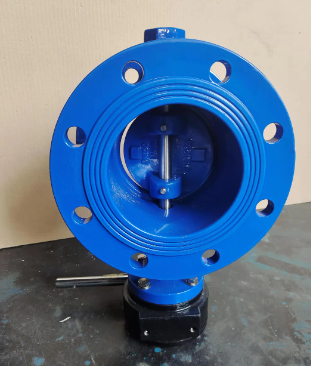
Butterfly valves represent a flexible flow control solution utilized across many process industries. Their economical design and low torque operation enable usage in varied applications and fluid types. Within the butterfly valve category lay divisions defined by valve body and trim materials suited for a range of operating pressures and environments. Commonly specified variations include ductile iron, cast iron and high performance butterfly valves.
What Is The Shortcut O f Ductile Iron Butterfly Valves?

Ductile iron butterfly valves, also called ductile iron (DE) válvulas de mariposa, exhibit mechanically robust properties through their spheroidal graphite microstructure. DI bodies withstand shock loading and cyclic stresses better than cast iron alternatives. Pressure ratings range from 150-2500 psi depending if wafer, lug or groove end styles are selected. Internal and external epoxy coatings complement ductile iron’s natural corrosion resistance, expanding its versatility handling abrasive or corrosive fluids. DE válvula de mariposa find pervasive use for water, wastewater, and general industrial process isolation or throttling where suitable working pressures exist.
How To Understand The CI Butterfly Valves?
When lower operating pressures govern valve selection, hierro fundido (CI) butterfly valves offer a cost-effective option. Manufactured to ASTM A126 Class B standards, CI butterfly valve exhibit adequate strength for pressures under 150 psi. Their cast construction forms intricately shaped bodies ideal for complex configurations. Internally protective epoxy coatings enable usage with certain process services where corrosion presents less severe risks. Typical CI butterfly applications involve natural gas distribution, irrigation, or potable water supply below 100 psi.
High Performance Butterfly Valve Up To 3000 PSI
Specialized high performance (caballos de fuerza) butterfly valves employ fabricated or laminated construction permitting higher pressure specifications up to 3000 psi. Reinforced epoxy or rubber lined bodies withstand intensive fluid velocities and abrasive particulate matter better than CI and DI alternatives. HP butterfly trim utilizes rugged alloy steels or exotic alloys to resist wear in corrosive or erosive applications. These premium butterfly valves see niche service for oil & gas extraction, pulpa & paper, or mining industries transporting slurries at elevated pressures.
Moving inside the valve, user-serviceable disc designs differentiate butterfly types further. DI and CI valves usually contain ductile or cast iron discs for economical operation at their respective pressure classes. One-piece investment cast discs offer self-centering stability. HP butterfly valve often utilize insert type discs constructed from resistant alloys tailored for severe services. Cut away seals along disc edges reduce leakages when throttling.
Conclusion Of Kinds Of Buterfly Valves
With DI, CI and HP variations available, engineers can match butterfly valves to projects spanning diverse industries and fluid conditions. Factoring application parameters like pressures, fluid characteristics, temperatures and flowrates ensures the proper material-rated butterfly valve style performs seamlessly as specified. Through prudent valve selection from varied butterfly product lines, fluid systems worldwide operate at maximum dependability for many years.
Nov 27, 2023 | Noticias
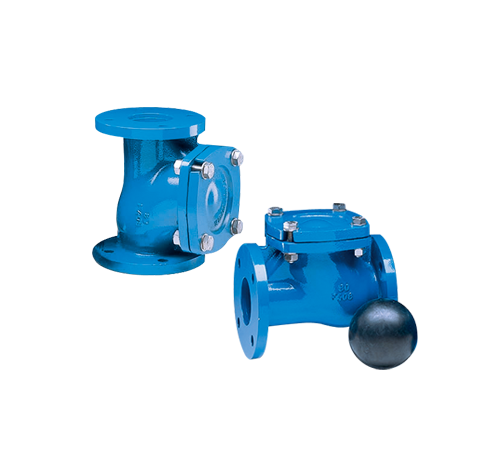
Dual plates and single disc check valves offer distinct advantages and considerations for industrial applications. By understanding the differences between these two designs, you can make informed decisions to optimize system performance, safety, and efficiency. Consider factors such as pressure rating, tasa de flujo, installation space, and maintenance requirements when selecting the appropriate check valve for your specific needs.
Comprender las válvulas de retención:
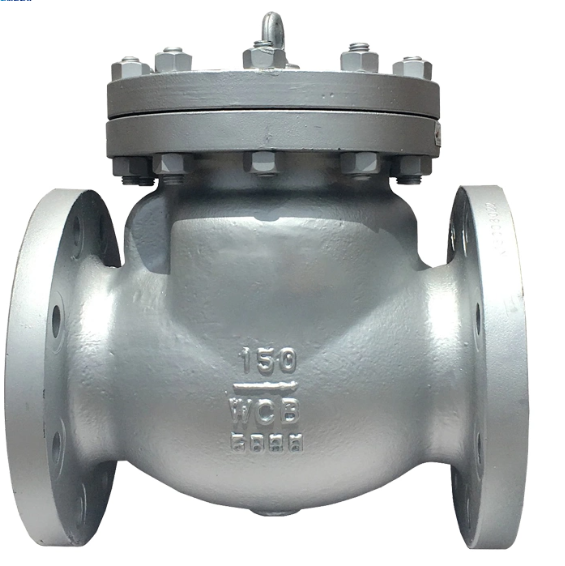
Check valves are mechanical devices installed in pipelines to ensure unidirectional flow of fluids. They automatically open when the fluid flows in the intended direction and close when the flow reverses, preventing backflow and protecting equipment and processes.
Dual Plates Check Valves:
Dual plates check valve utilize two hinged or pivoted plates to regulate fluid flow. These plates are connected to a common hinge pin and open and close in response to changes in fluid pressure.
Advantages of Dual Plates Check Valves:
1. Aplicaciones de alta presión: Dual disc check valve is well-suited for high-pressure applications due to their robust design and ability to withstand higher pressure differentials.
2. Minimal Pressure Drop: The dual plates provide a relatively low-resistance flow path, resulting in minimal pressure drop across the valve.
3. Reliable Sealing: The dual plates create a tight seal, effectively preventing backflow even under high-pressure conditions.
Single Disc Wafer Check Valves:
Válvula de retención tipo wafer de un solo disco feature a single disc or flap that pivots on a hinge to control fluid flow. These valves are typically installed between two flanges and are compact in design.
Advantages of Single Disc Wafer Check Valves:
1. Diseño compacto: Single disc wafer check valves are more compact and lightweight compared to dual plates check valves, making them suitable for space-constrained installations.
2. Quick Response: The single disc design allows for rapid opening and closing, ensuring efficient flow control and minimal backflow.
3. Low Maintenance: These valves have fewer moving parts, reducing the need for frequent maintenance and repairs.
Application Considerations:
When selecting between dual plates and single disc check valves, several factors should be taken into account:
1. La calificación de presión: Consider the maximum pressure rating of the valve to ensure it can handle the operating pressures in your system.
2. Flow Rate: Evaluate the required flow rate and choose a valve with an appropriate orifice size to minimize pressure drop.
3. Installation Space: Consider the available space for valve installation and select a design that fits within the constraints.
4. Maintenance Requirements: Assess the maintenance requirements of each valve type and choose the one that aligns with your maintenance practices.



