
Móc 22, 2024 | Aktualności
In the intricate world of industrial and infrastructure systems, the ability to regulate the flow of fluids and gases is of paramount importance. At the forefront of this critical industry is TWT, a reputed iron valves manufacturer in China, offering a comprehensive range of check valves that ensure precise and reliable unidirectional control.
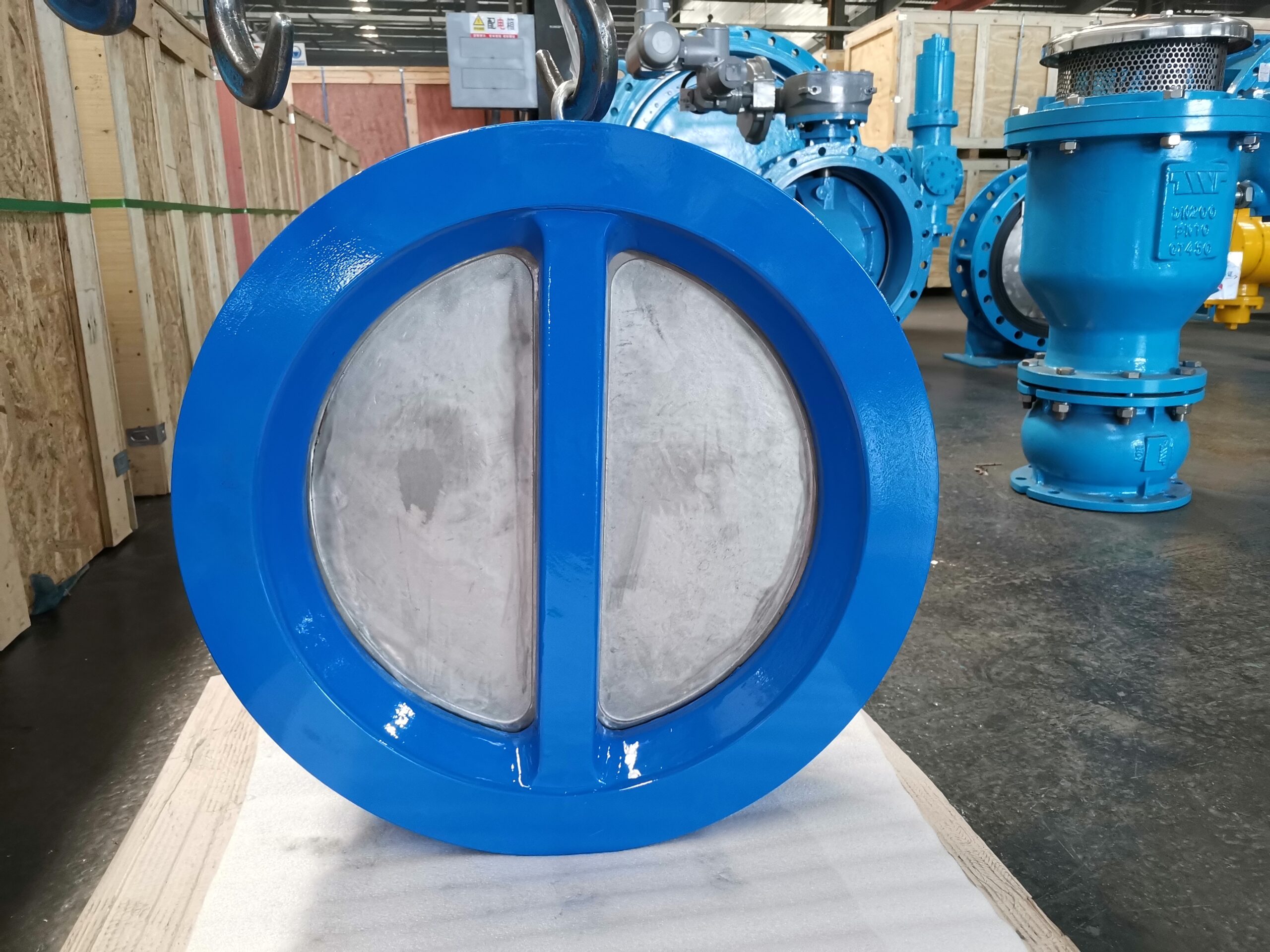
Understanding Dual Plates Check Valves from TWT
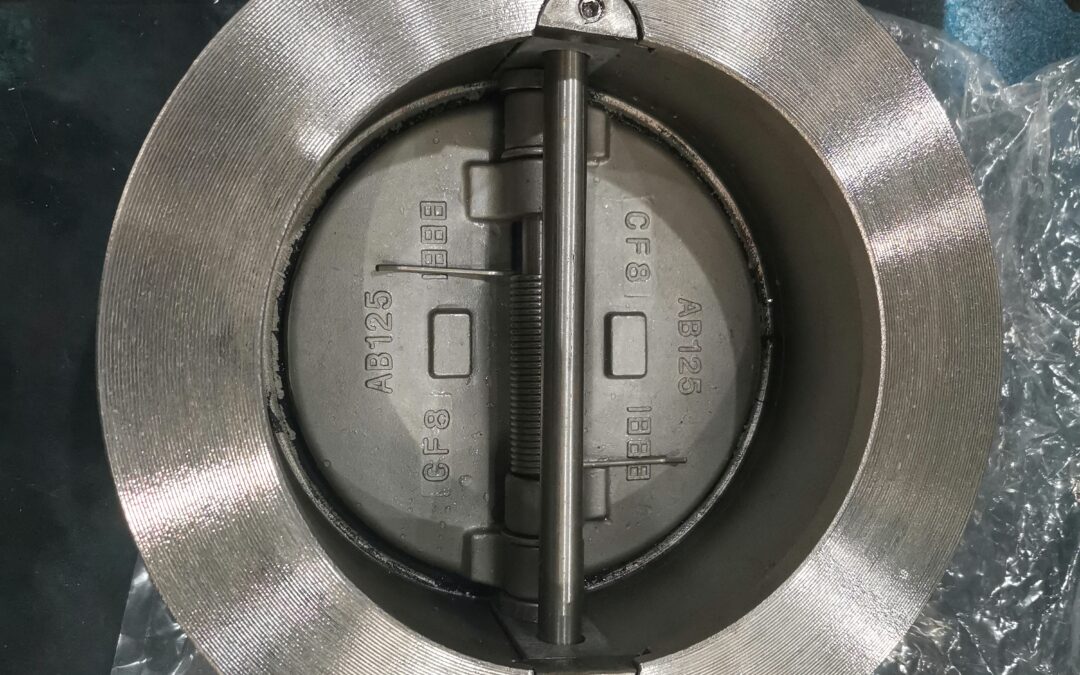
Dual plates check valves, as the name suggests, are a type of check valve that utilizes two independent plates to control the flow of fluids and gases. These valves are designed to allow flow in one direction while preventing backflow, making them an essential component in various industrial and commercial applications.
TWT, a leading iron valves manufacturer in China, has earned a reputation for producing high-quality dual plates check valves that deliver exceptional performance and reliability. Leveraging their expertise in metalworking and a commitment to innovation, TWT’s dual plates check valves are engineered to withstand the demands of even the most challenging environments.
Wafer Double Door Check Valves
Complementing TWT’s lineup of dual plates check valves is their wafer double door check valves, which offer a unique design and exceptional functionality.
Wafer double door check valves, also known as wafer-type check valves, feature a compact, in-line design that allows for easy installation between two flanges. These valves utilize a pair of independent doors that open and close in response to the direction of fluid flow, providing reliable and efficient unidirectional control.
China Lift Check Valve vs. Wafer Double Door Check Valve
While both China lift check valve and wafer double door check valves serve the purpose of controlling fluid and gas flow, there are notable differences between the two:
- Design and Construction: China lift check valves typically feature a vertical, in-line design with a hinged flap or disc that lifts to allow flow in one direction, while wafer double door check valves have a more compact, horizontal design with two independent doors.
- Installation: Wafer double door check valves are designed for easy installation between two flanges, requiring minimal space and simplifying the installation process. China lift check valves, z drugiej strony, are often installed in-line with the piping system, requiring more complex installation.
- Pressure Drop: Wafer double door check valves generally have a lower pressure drop compared to China lift check valves, as the two-door design offers a more streamlined flow path.
- Maintenance: The wafer double door design of TWT’s check valves often makes them easier to maintain and service, as the internal components are more accessible.
Applications of Wafer Double Door Check Valves
TWT’s wafer double door check valves find widespread use in a variety of industrial and infrastructure settings, showcasing their versatility and suitability for diverse applications:
- Water and Wastewater Systems: These check valves are extensively utilized in water distribution and wastewater treatment facilities, where they play a vital role in preventing backflow and ensuring the efficient flow of liquids.
- HVAC Systems: Wafer double door check valves are commonly employed in heating, ventilation, and air conditioning (HVAC) systems, regulating the flow of fluids and gases to maintain optimal system performance.
- Power Generation: In power generation plants, wafer double door check valves are relied upon to control the flow of coolants, steam, i inne płyny, ensuring the safe and efficient operation of the system.
- Oil and Gas Industry: W przemyśle naftowym i gazowym, these check valves are used to maintain the integrity of pipelines and processing equipment, preventing the backflow of potentially hazardous fluids and gases.
- Manufacturing and Processing Plants: Wafer double door check valves are widely used in various manufacturing and processing plants, where they help to safeguard the flow of materials and maintain system stability.
Advantages of TWT’s Check Valves
TWT’s check valves, including their dual plates and wafer double door models, offer several key advantages that make them a preferred choice among industry professionals:
- Exceptional Durability: The cast iron or ductile iron construction of these check valves provides exceptional strength and resistance to wear, ensuring long-lasting performance even in demanding environments.
- Odporność na korozję: TWT’s check valves are designed to withstand corrosion, making them suitable for use in a wide range of applications, including those involving water, chemicals, or other corrosive media.
- Efficient Flow Control: The innovative design of TWT’s check valves, such as the wafer double door model, ensures efficient and reliable unidirectional flow control, minimizing pressure drop and optimizing system performance.
- Easy Installation: The compact, wafer-style design of TWT’s double door check valves simplifies the installation process, reducing the time and labor required for integration into existing piping systems.
- Wszechstronność: TWT’s check valve offerings, including the dual plates and wafer double door models, cater to a wide range of industrial and commercial applications, providing customers with a comprehensive solution to their flow control needs.
Wniosek
TWT, a reputed iron valves manufacturer in China, has established itself as a leader in the production of high-quality check valves, including the versatile dual plates and wafer double door models. These reliable and efficient flow control solutions have become indispensable components in the infrastructure of various industries, from water and wastewater treatment to power generation and the oil and gas sector.
By partnering with TWT, customers can access a comprehensive range of check valves that deliver superior performance, niezawodność, and cost-effectiveness. As the demand for efficient and dependable flow control solutions continues to grow, TWT’s commitment to innovation and quality will ensure that their products remain a cornerstone in the world of industrial and infrastructure systems.
Móc 6, 2024 | Aktualności
TWT, a renowned dual plate check valves factory based in China, is recognized for its expertise in manufacturing high-quality check valves. W tym artykule, we will delve into the world of flanged double door check valves, with a specific focus on TWT’s offering. As a leading provider of dual plate check valves, TWT ensures precision engineering, trwałość, and reliable performance in their flanged double door check valves. Join us as we explore the features and common dimensions of TWT’s flanged double door check valve and understand its importance in fluid control applications.
Understanding Flanged Double Door Check Valves
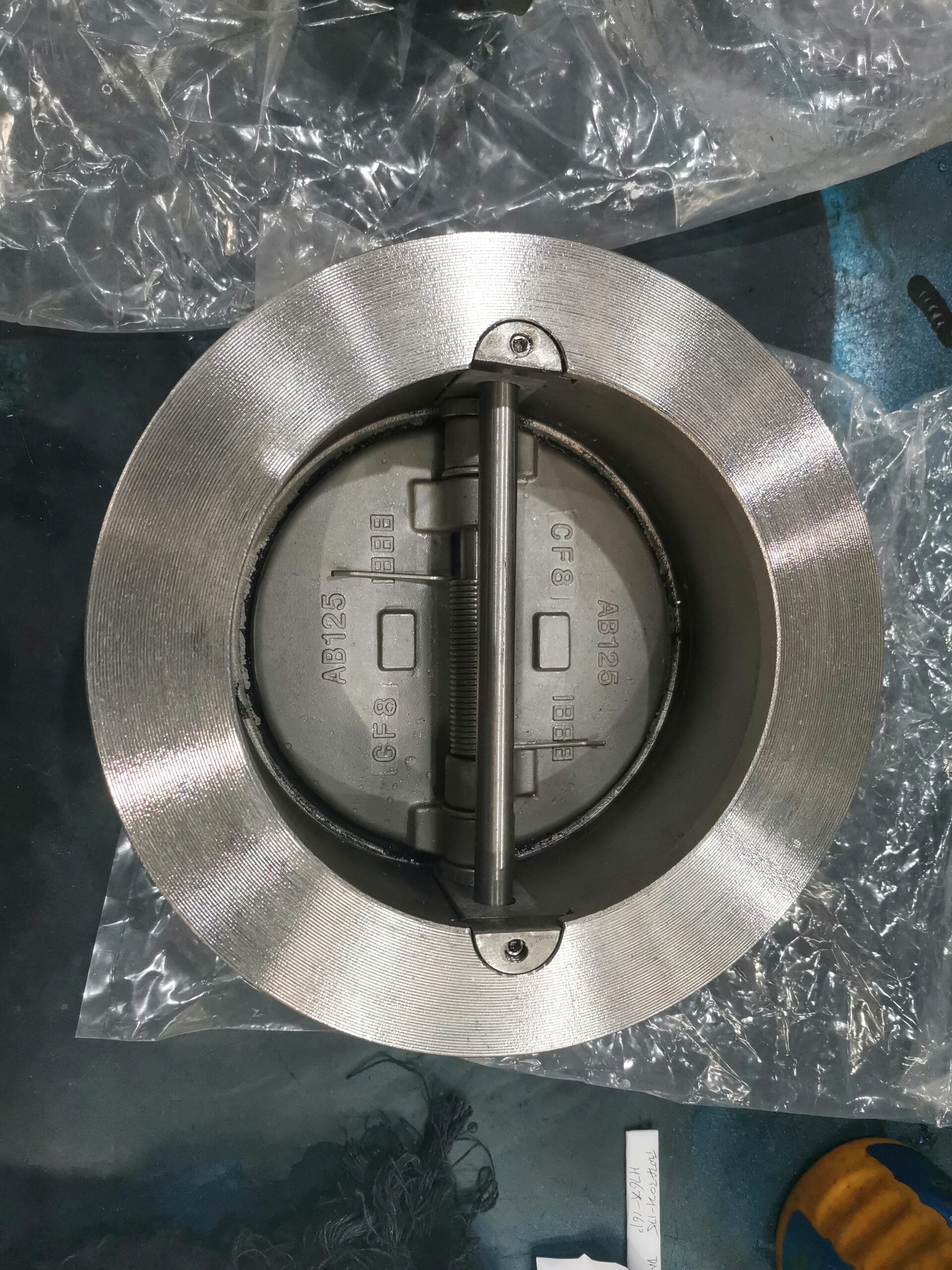
A flange double door check valve is a specialized valve designed to regulate the flow of fluids in a pipe system. It consists of two hinged doors or plates that swing open to allow flow in one direction and close to prevent backflow. Here are some key features and advantages of TWT’s flanged double door check valve:
- Solidna konstrukcja: TWT’s flanged double door check valve is constructed using high-quality materials, ensuring durability and long-lasting performance. The valve is designed to withstand high pressure and temperature conditions, making it suitable for a wide range of applications.
- Dual Plate Design: The dual plate design of TWT’s flanged double door check valve provides efficient and reliable operation. The two plates are hinged and work in tandem to allow fluid flow in one direction while preventing backflow, ensuring optimal system performance.
- Flanged Connection: TWT’s flanged double door check valve features flanged connections, which allow for easy installation and maintenance. The flanges provide a secure and leak-free connection, ensuring the integrity of the system.
- Versatile Application: Flanged double door check valves find applications in various industries, w tym ropę i gaz, water treatment, obróbka chemiczna, and power generation. They are suitable for controlling the flow of various fluids, such as water, olej, gaz, and chemicals.
Common Dual Plate Double Flanged Check Valve Dimensions
Flanged double door check valves are available in different dimensions to suit various piping requirements. Here are some common dimensions to consider:
- Valve Size: Flanged double door check valves are available in a range of sizes, typically ranging from 2 inches to 48 inches. The valve size is determined based on the pipe diameter and flow requirements of the system.
- Ocena ciśnienia: Flanged double door check valves have different pressure ratings to accommodate varying operating conditions. The pressure rating indicates the maximum pressure the valve can withstand without leakage. Common pressure ratings include ANSI Class 150, 300, 600, and 900.
- End-to-End Dimensions: End-to-end dimensions refer to the length of the valve from one flange face to the other. The dimensions vary based on the valve size and manufacturer specifications. It is essential to consider the end-to-end dimensions to ensure proper installation and compatibility with the existing piping system.
- Face-to-Face Dimensions: Face-to-face dimensions indicate the distance between the sealing faces of the valve. These dimensions are crucial when replacing or retrofitting existing valves. Standard face-to-face dimensions for flanged double door check valves are typically governed by industry standards, such as API 594 or ASME B16.10.
TWT, a well-known China dual plates check valves fabryka, specializes in manufacturing high-quality flanged double door check valves. Dzięki solidnej konstrukcji, dual plate design, and versatile application, TWT’s flanged double door check valves offer a reliable solution for fluid control in various industries. Contact TWT today to explore their range of check valves and experience the performance and durability they bring to your systems.
kwiecień 13, 2024 | Aktualności
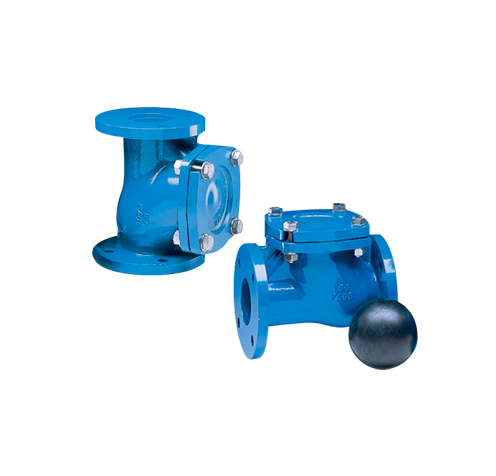
Wafer Dual Plate Check Valves: These little marvels are like the traffic cops of fluid flow. These nifty valves are efficient, reliable, and essential for maintaining optimal performance and system longevity. In this guide, we’ll explore the key factors to consider when selecting the best wafer dual plate check valve for your needs.
Understanding Wafer Dual Plate Check Valves
Imagine these valves as the gatekeepers of your fluid system. They go by different names—wafer double door check valves Lub dual plates check valves—but their purpose remains the same. Here’s the lowdown:
- Compact and Lightweight: Wafer dual plate check valves are like the minimalists of the valve world. They’re designed for tight spaces, making them ideal for applications where real estate is at a premium.
- Two Halves, One Mission: Picture two halves (plates) that swing open when fluid flows forward. But when the tide turns (literally), they snap shut, preventing any sneaky backflow. It’s like a synchronized dance routine, but for valves.
Key Considerations for Choosing the Right Valve
- Flow Rate and Pressure: Let’s talk numbers. First, assess your system’s flow rate and pressure requirements. You want a wafer dual plate check valve with a pressure rating that comfortably exceeds your system’s operating pressure. Safety first! Również, keep an eye on the flow coefficient (Cv)—it’s like the valve’s flow capacity report card.
- Material Matters: Think of your valve as a chameleon—it needs to blend in with its surroundings. Consider the fluid it’ll be handling and the environment it’ll live in. Stal nierdzewna, Stal węglowa, żeliwo, and various alloys are common materials. Ask yourself: Is it corrosion-resistant? Can it handle extreme temperatures? Will it play nice with the chemicals in the mix?
- Size and Fit: Size matters, especially when it comes to valves. Measure your pipe diameter and understand your flow requirements. Wafer dual plate check valves fit snugly between flanges, no extra pipe support needed. It’s like finding the perfect puzzle piece for your system.
Wafer Dual Plate Check Valves: Your Fluid Flow Guardians
In the intricate world of industries, there’s a silent hero—the wafer dual plate check valve. These unassuming valves keep the fluid traffic moving in the right direction while firmly saying “no” to any sneaky backflow. Here’s why they matter:
- Efficiency and Reliability: Think of them as the backstage crew—essential but rarely in the spotlight. These valves quietly ensure optimal performance and system longevity. No drama, just results.
- Compact and Mighty: Picture a tiny superhero. That’s the wafer dual plate check valve. It fits snugly where space is tight, making it perfect for cramped setups.

In our guide, we spill the beans on how to choose the best wafer dual plate check valve. TWT Valve always can manufacture the high quality product word-widely.
listopad 27, 2023 | Aktualności
Zawory zwrotne z podwójną płytą i pojedynczą tarczą oferują wyraźne zalety i uwagi w zastosowaniach przemysłowych. Poprzez zrozumienie różnic pomiędzy tymi dwoma projektami, możesz podejmować świadome decyzje w celu optymalizacji wydajności systemu, bezpieczeństwo, i wydajność. Weź pod uwagę takie czynniki, jak ciśnienie znamionowe, Przepływ, przestrzeń instalacyjna, i wymagania konserwacyjne przy wyborze odpowiedniego zaworu zwrotnego do konkretnych potrzeb.
Zrozumienie zaworów zwrotnych:
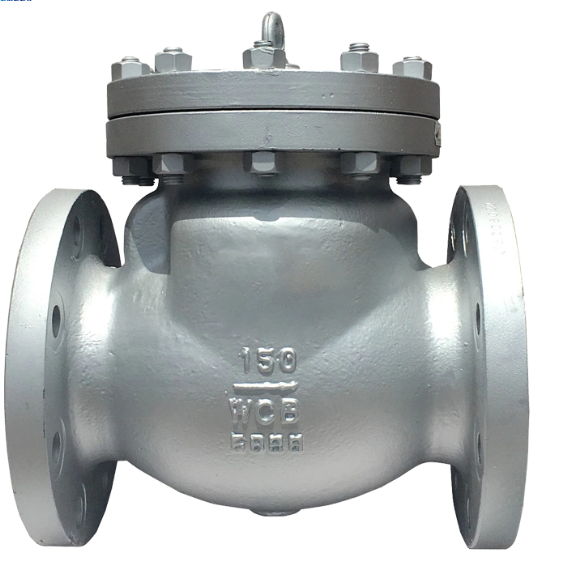
Zawory zwrotne to urządzenia mechaniczne instalowane w rurociągach w celu zapewnienia jednokierunkowego przepływu cieczy. Otwierają się automatycznie, gdy płyn przepływa w zamierzonym kierunku i zamykają się, gdy przepływ jest odwrotny, zapobieganie przepływom zwrotnym oraz ochrona sprzętu i procesów.
Zawory zwrotne z podwójnymi płytkami:
Zawór zwrotny z podwójnymi płytami wykorzystują dwie zawiasowe lub obrotowe płyty do regulacji przepływu płynu. Płyty te są połączone ze wspólnym sworzniem zawiasu i otwierają się i zamykają w odpowiedzi na zmiany ciśnienia płynu.
Zalety zaworów zwrotnych z podwójnymi płytkami:
1. Zastosowania wysokociśnieniowe: Zawór zwrotny dwupłytowy doskonale nadaje się do zastosowań wysokociśnieniowych ze względu na solidną konstrukcję i zdolność wytrzymywania większych różnic ciśnień.
2. Minimalny spadek ciśnienia: Podwójne płyty zapewniają ścieżkę przepływu o stosunkowo niskim oporze, co skutkuje minimalnym spadkiem ciśnienia na zaworze.
3. Niezawodne uszczelnienie: Podwójne płytki zapewniają szczelne uszczelnienie, skutecznie zapobiega przepływowi wstecznemu nawet w warunkach wysokiego ciśnienia.
Zawory zwrotne jednotarczowe:
Zawór zwrotny jednotarczowy posiadają pojedynczy dysk lub klapkę, która obraca się na zawiasie w celu kontrolowania przepływu płynu. Zawory te są zwykle instalowane pomiędzy dwoma kołnierzami i mają zwartą konstrukcję.
Zalety jednotarczowych zaworów zwrotnych waflowych:
1. Kompaktowa konstrukcja: Zawory zwrotne jednotarczowe są bardziej kompaktowe i lżejsze w porównaniu do zaworów zwrotnych z dwoma płytkami, dzięki czemu nadają się do instalacji o ograniczonej przestrzeni.
2. Szybka odpowiedź: Konstrukcja z pojedynczą tarczą pozwala na szybkie otwieranie i zamykanie, zapewniając skuteczną kontrolę przepływu i minimalny przepływ wsteczny.
3. Niskie koszty utrzymania: Zawory te mają mniej ruchomych części, ograniczenie konieczności częstych konserwacji i napraw.
Rozważania dotyczące aplikacji:
Przy wyborze pomiędzy zaworami zwrotnymi podwójnymi i jednotarczowymi, należy wziąć pod uwagę kilka czynników:
1. Ocena ciśnienia: Należy wziąć pod uwagę maksymalne ciśnienie znamionowe zaworu, aby upewnić się, że wytrzyma on ciśnienie robocze w systemie.
2. Przepływ: Oceń wymagane natężenie przepływu i wybierz zawór o odpowiedniej wielkości kryzy, aby zminimalizować spadek ciśnienia.
3. Przestrzeń instalacyjna: Weź pod uwagę dostępną przestrzeń na instalację zaworu i wybierz projekt, który pasuje do ograniczeń.
4. Wymagania dotyczące konserwacji: Oceń wymagania konserwacyjne każdego typu zaworu i wybierz ten, który jest zgodny z Twoimi praktykami konserwacyjnymi.

