
Puede 22, 2024 | Noticias
En el intrincado mundo de los sistemas industriales y de infraestructura, La capacidad de regular el flujo de fluidos y gases es de suma importancia.. At the forefront of this critical industry is TWT, a reputed iron valves manufacturer in China, offering a comprehensive range of check valves that ensure precise and reliable unidirectional control.
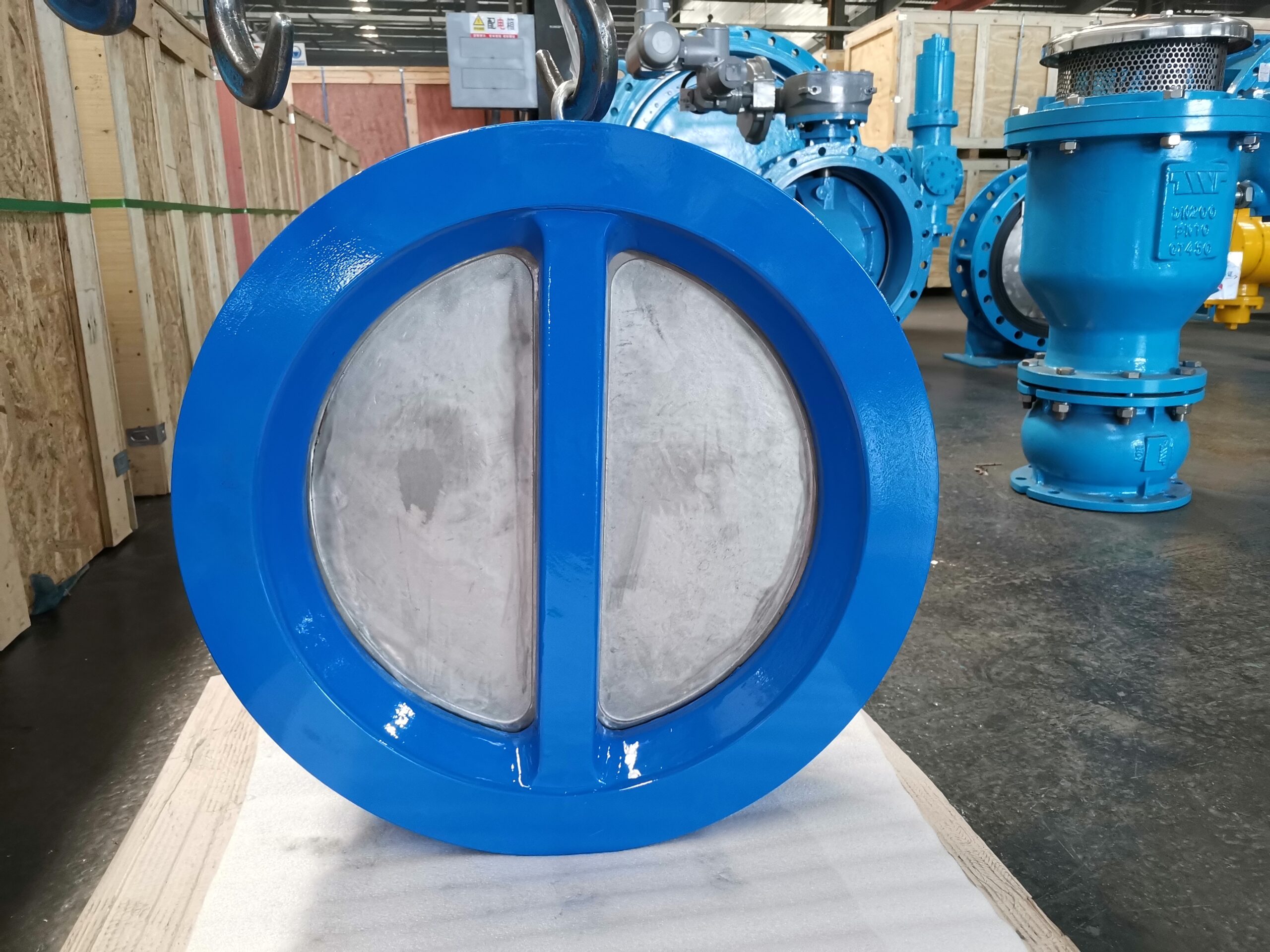
Understanding Dual Plates Check Valves from TWT
Dual plates check valves, Como el nombre sugiere, are a type of check valve that utilizes two independent plates to control the flow of fluids and gases. These valves are designed to allow flow in one direction while preventing backflow, making them an essential component in various industrial and commercial applications.
TWT, a leading iron valves manufacturer in China, has earned a reputation for producing high-quality válvulas de retención de placas duales that deliver exceptional performance and reliability. Leveraging their expertise in metalworking and a commitment to innovation, TWT’s dual plates check valves are engineered to withstand the demands of even the most challenging environments.
Wafer Double Door Check Valves
Complementing TWT’s lineup of dual plates check valves is their válvulas de retención de doble puerta tipo wafer, which offer a unique design and exceptional functionality.
Wafer double door check valves, also known as wafer-type check valves, feature a compact, in-line design that allows for easy installation between two flanges. These valves utilize a pair of independent doors that open and close in response to the direction of fluid flow, providing reliable and efficient unidirectional control.
China Lift Check Valve vs. Válvula de retención de doble puerta Wafer
While both Válvula de retención de elevación de China and wafer double door check valves serve the purpose of controlling fluid and gas flow, there are notable differences between the two:
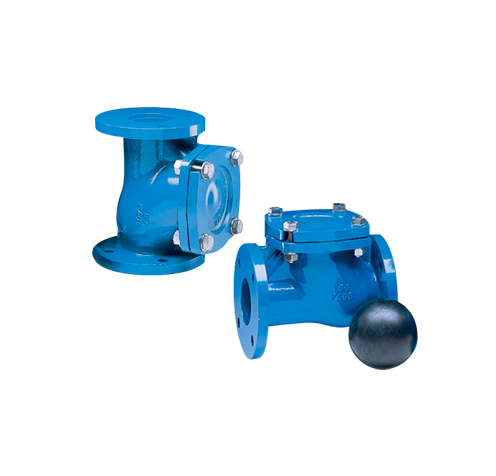
- Diseño y construcción: China lift check valves typically feature a vertical, in-line design with a hinged flap or disc that lifts to allow flow in one direction, while wafer double door check valves have a more compact, horizontal design with two independent doors.
- Instalación: Wafer double door check valves are designed for easy installation between two flanges, requiring minimal space and simplifying the installation process. China lift check valves, por otro lado, are often installed in-line with the piping system, requiring more complex installation.
- Pressure Drop: Wafer double door check valves generally have a lower pressure drop compared to China lift check valves, as the two-door design offers a more streamlined flow path.
- Mantenimiento: The wafer double door design of TWT’s check valves often makes them easier to maintain and service, as the internal components are more accessible.
Applications of Wafer Double Door Check Valves
TWT’s wafer double door check valves find widespread use in a variety of industrial and infrastructure settings, showcasing their versatility and suitability for diverse applications:
- Water and Wastewater Systems: These check valves are extensively utilized in water distribution and wastewater treatment facilities, where they play a vital role in preventing backflow and ensuring the efficient flow of liquids.
- Sistemas HVAC: Wafer double door check valves are commonly employed in heating, ventilación, y aire acondicionado (climatización) sistemas, regulating the flow of fluids and gases to maintain optimal system performance.
- Generación de energía: In power generation plants, wafer double door check valves are relied upon to control the flow of coolants, steam, y otros fluidos, ensuring the safe and efficient operation of the system.
- Industria de petróleo y gas: En la industria del petróleo y el gas, these check valves are used to maintain the integrity of pipelines and processing equipment, preventing the backflow of potentially hazardous fluids and gases.
- Manufacturing and Processing Plants: Wafer double door check valves are widely used in various manufacturing and processing plants, where they help to safeguard the flow of materials and maintain system stability.
Advantages of TWT’s Check Valves
TWT’s check valves, including their dual plates and wafer double door models, offer several key advantages that make them a preferred choice among industry professionals:
- Exceptional Durability: The cast iron or ductile iron construction of these check valves provides exceptional strength and resistance to wear, ensuring long-lasting performance even in demanding environments.
- Resistencia a la corrosión: TWT’s check valves are designed to withstand corrosion, making them suitable for use in a wide range of applications, including those involving water, chemicals, or other corrosive media.
- Control de flujo eficiente: The innovative design of TWT’s check valves, such as the wafer double door model, ensures efficient and reliable unidirectional flow control, minimizing pressure drop and optimizing system performance.
- Easy Installation: The compact, wafer-style design of TWT’s double door check valves simplifies the installation process, reducing the time and labor required for integration into existing piping systems.
- Versatilidad: TWT’s check valve offerings, including the dual plates and wafer double door models, cater to a wide range of industrial and commercial applications, providing customers with a comprehensive solution to their flow control needs.
Conclusión
TWT, a reputed iron valves manufacturer in China, has established itself as a leader in the production of high-quality check valves, including the versatile dual plates and wafer double door models. These reliable and efficient flow control solutions have become indispensable components in the infrastructure of various industries, from water and wastewater treatment to power generation and the oil and gas sector.
By partnering with TWT, customers can access a comprehensive range of check valves that deliver superior performance, fiabilidad, y rentabilidad. As the demand for efficient and dependable flow control solutions continues to grow, TWT’s commitment to innovation and quality will ensure that their products remain a cornerstone in the world of industrial and infrastructure systems.
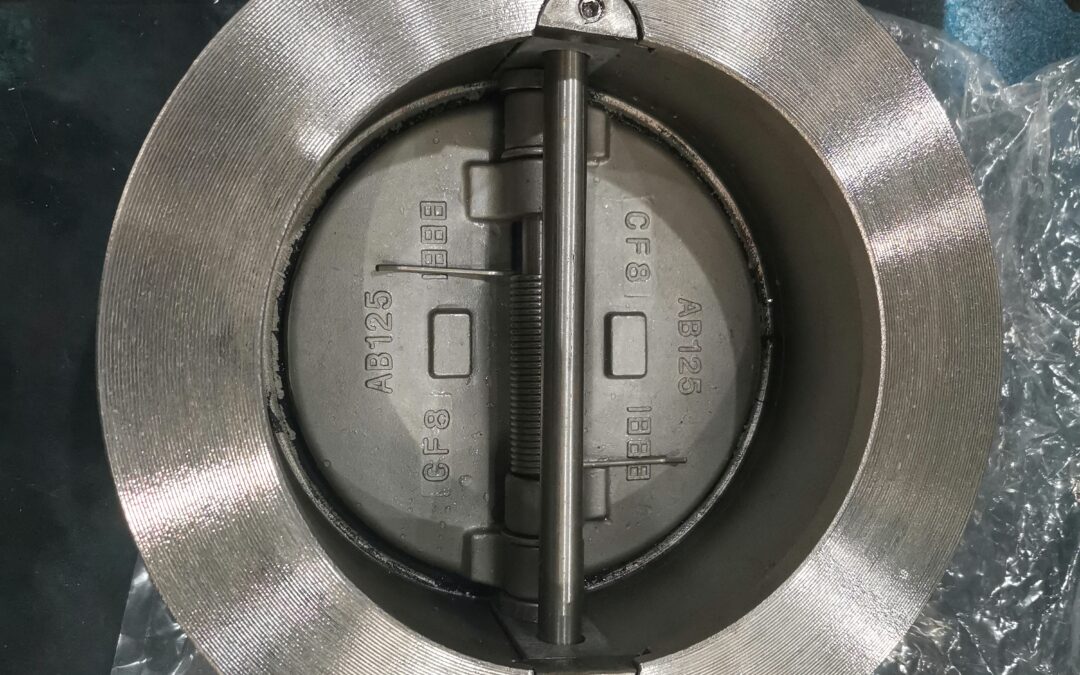
Puede 6, 2024 | Noticias
TWT, una reconocida fábrica de válvulas de retención de doble placa con sede en China, es reconocida por su experiencia en la fabricación de válvulas de retención de alta calidad.. En este articulo, Nos adentraremos en el mundo de las válvulas antirretorno bridadas de doble puerta., with a specific focus on TWT’s offering. As a leading provider of dual plate check valves, TWT garantiza una ingeniería de precisión, durabilidad, and reliable performance in their flanged double door check valves. Join us as we explore the features and common dimensions of TWT’s flanged double door check valve and understand its importance in fluid control applications.
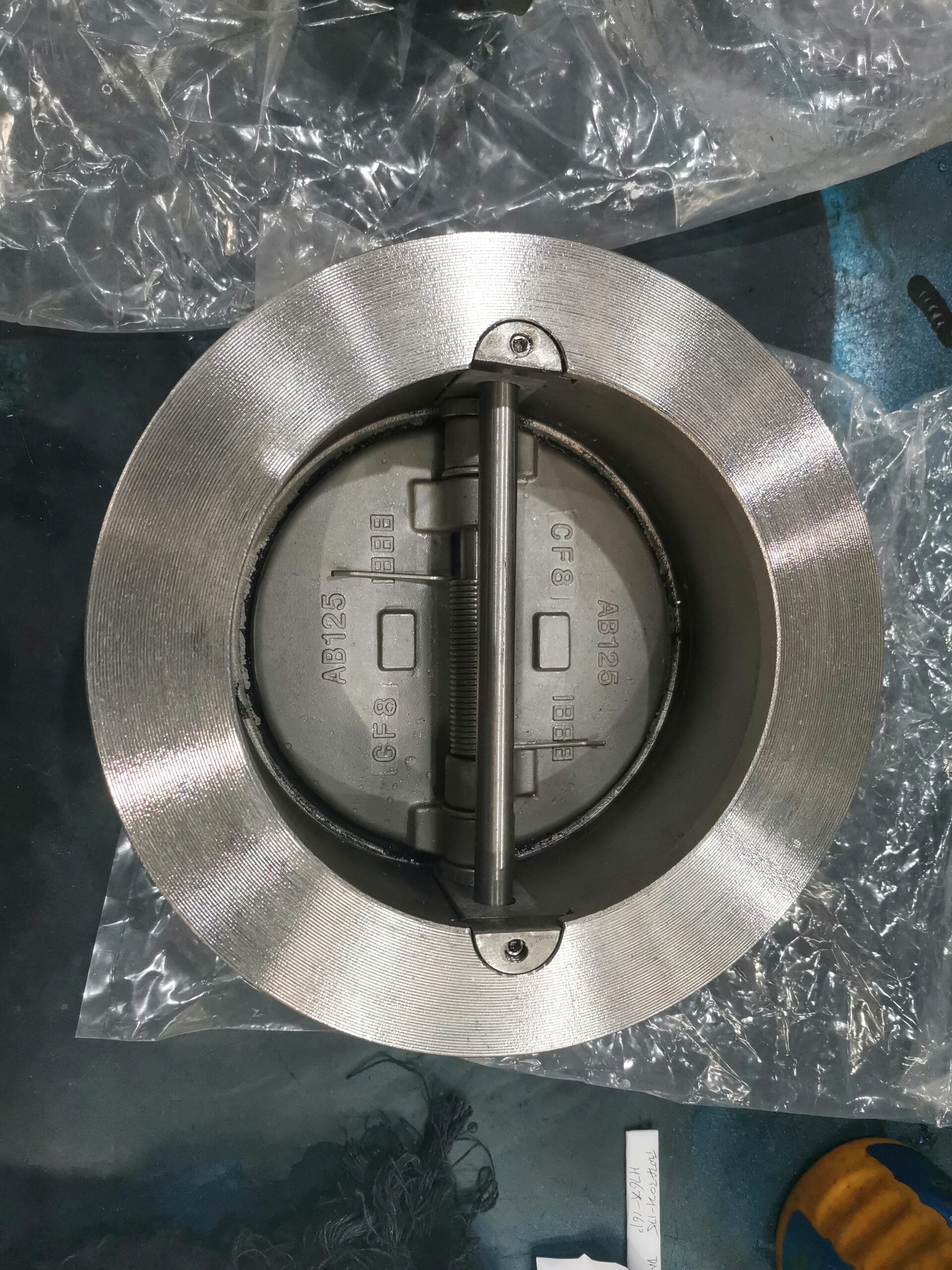
Understanding Flanged Double Door Check Valves
A flange double door check valve is a specialized valve designed to regulate the flow of fluids in a pipe system. It consists of two hinged doors or plates that swing open to allow flow in one direction and close to prevent backflow. Here are some key features and advantages of TWT’s flanged double door check valve:
- Construcción robusta: TWT’s flanged double door check valve is constructed using high-quality materials, asegurando durabilidad y rendimiento duradero. La válvula está diseñada para soportar condiciones de alta presión y temperatura., haciéndolo adecuado para una amplia gama de aplicaciones.
- Dual Plate Design: The dual plate design of TWT’s flanged double door check valve provides efficient and reliable operation. The two plates are hinged and work in tandem to allow fluid flow in one direction while preventing backflow, ensuring optimal system performance.
- Flanged Connection: TWT’s flanged double door check valve features flanged connections, which allow for easy installation and maintenance. Las bridas proporcionan una conexión segura y sin fugas., garantizar la integridad del sistema.
- Versatile Application: Flanged double door check valves find applications in various industries, incluyendo petróleo y gas, tratamiento de aguas, procesamiento químico, y generación de energía. They are suitable for controlling the flow of various fluids, such as water, aceite, gas, and chemicals.
Common Dual Plate Double Flanged Check Valve Dimensions
Flanged double door check valves are available in different dimensions to suit various piping requirements. Here are some common dimensions to consider:
- Valve Size: Flanged double door check valves are available in a range of sizes, typically ranging from 2 inches to 48 pulgadas. The valve size is determined based on the pipe diameter and flow requirements of the system.
- La calificación de presión: Flanged double door check valves have different pressure ratings to accommodate varying operating conditions. The pressure rating indicates the maximum pressure the valve can withstand without leakage. Common pressure ratings include ANSI Class 150, 300, 600, y 900.
- End-to-End Dimensions: End-to-end dimensions refer to the length of the valve from one flange face to the other. The dimensions vary based on the valve size and manufacturer specifications. It is essential to consider the end-to-end dimensions to ensure proper installation and compatibility with the existing piping system.
- Face-to-Face Dimensions: Face-to-face dimensions indicate the distance between the sealing faces of the valve. These dimensions are crucial when replacing or retrofitting existing valves. Standard face-to-face dimensions for flanged double door check valves are typically governed by industry standards, such as API 594 or ASME B16.10.
TWT, a well-known China válvulas de retención de placas duales fábrica, specializes in manufacturing high-quality flanged double door check valves. Con su construcción robusta, dual plate design, and versatile application, TWT’s flanged double door check valves offer a reliable solution for fluid control in various industries. Contact TWT today to explore their range of check valves and experience the performance and durability they bring to your systems.
Abr 13, 2024 | Noticias
Válvulas de retención de placa doble tipo wafer: Estas pequeñas maravillas son como los policías de tránsito del flujo fluido.. Estas ingeniosas válvulas son eficientes, confiable, y esencial para mantener un rendimiento óptimo y la longevidad del sistema. En esta guía, Exploraremos los factores clave a considerar al seleccionar la mejor válvula de retención de placa doble tipo wafer para sus necesidades..
Comprensión de las válvulas de retención de placa doble Wafer
Imagine estas válvulas como los guardianes de su sistema de fluidos.. Tienen diferentes nombres.válvulas de retención de doble puerta tipo wafer o válvulas de retención de placas duales—pero su propósito sigue siendo el mismo. Aquí está la verdad:
- Compacto y ligero: Válvulas de retención de doble placa tipo wafer Son como los minimalistas del mundo de las válvulas.. Están diseñados para espacios reducidos., haciéndolos ideales para aplicaciones donde los bienes raíces son un bien escaso.
- Dos mitades, Una misión: Imagen dos mitades (platos) que se abren cuando el fluido fluye hacia adelante. Pero cuando la marea cambia (literalmente), se cierran de golpe, evitando cualquier reflujo furtivo. Es como una rutina de baile sincronizada., pero para válvulas.
Consideraciones clave para elegir la válvula adecuada
- Caudal y presión: Hablemos de números. Primero, Evalúe los requisitos de presión y caudal de su sistema.. Quiere una válvula de retención de placa doble tipo wafer con una clasificación de presión que supere cómodamente la presión operativa de su sistema.. Seguridad primero! También, vigile el coeficiente de flujo (CV)—Es como la libreta de calificaciones de capacidad de flujo de la válvula..
- Asuntos materiales: Piense en su válvula como un camaleón: necesita mimetizarse con su entorno.. Considere el fluido que manejará y el entorno en el que vivirá.. Acero inoxidable, acero carbono, hierro fundido, y varias aleaciones son materiales comunes. Pregúntese: ¿Es resistente a la corrosión?? ¿Puede soportar temperaturas extremas?? ¿Funcionará bien con los químicos en la mezcla??
- Tamaño y ajuste: El tamaño importa, especialmente cuando se trata de válvulas. Mida el diámetro de su tubería y comprenda sus requisitos de flujo. Las válvulas de retención de placa doble tipo wafer encajan perfectamente entre las bridas, no se necesita soporte de tubería adicional. Es como encontrar la pieza perfecta del rompecabezas para su sistema.
Válvulas de retención de placa doble tipo wafer: Sus guardianes del flujo de fluidos
En el intrincado mundo de las industrias, Hay un héroe silencioso: la válvula de retención de doble placa tipo wafer.. Estas sencillas válvulas mantienen el tráfico fluido en la dirección correcta y al mismo tiempo dicen firmemente "no" a cualquier reflujo furtivo.. He aquí por qué son importantes:
- Eficiencia y confiabilidad: Piense en ellos como el equipo detrás del escenario: esenciales pero rara vez son el centro de atención.. Estas válvulas garantizan silenciosamente un rendimiento óptimo y una longevidad del sistema.. Sin drama, solo resultados.
- Compacto y poderoso: Imagina un pequeño superhéroe. Esa es la válvula de retención de doble placa tipo wafer.. Se adapta cómodamente donde el espacio es reducido, haciéndolo perfecto para configuraciones estrechas.

en nuestra guia, Le contamos cómo elegir la mejor válvula de retención de doble placa tipo wafer.. TWT Valve siempre puede fabricar productos de alta calidad en todo el mundo..
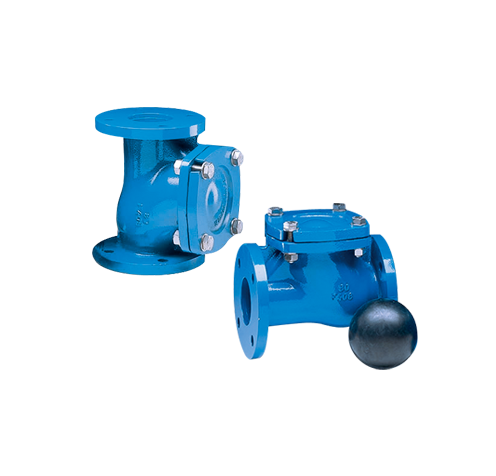
Nov 27, 2023 | Noticias
Dual plates and single disc check valves offer distinct advantages and considerations for industrial applications. By understanding the differences between these two designs, you can make informed decisions to optimize system performance, safety, and efficiency. Consider factors such as pressure rating, tasa de flujo, installation space, and maintenance requirements when selecting the appropriate check valve for your specific needs.
Understanding Check Valves:
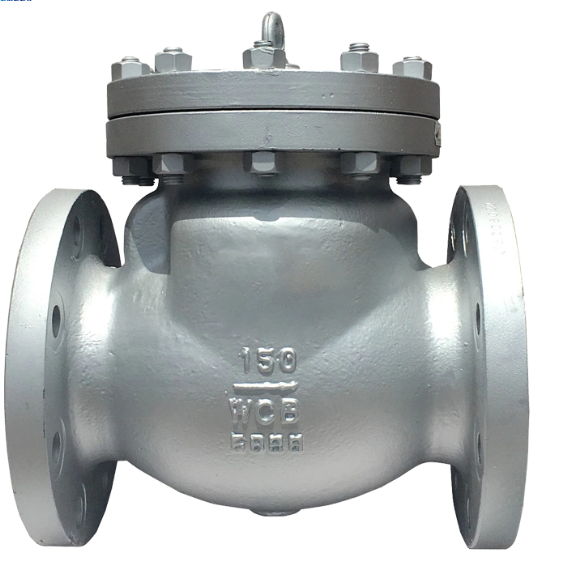
Check valves are mechanical devices installed in pipelines to ensure unidirectional flow of fluids. They automatically open when the fluid flows in the intended direction and close when the flow reverses, preventing backflow and protecting equipment and processes.
Dual Plates Check Valves:
Dual plates check valve utilize two hinged or pivoted plates to regulate fluid flow. These plates are connected to a common hinge pin and open and close in response to changes in fluid pressure.
Advantages of Dual Plates Check Valves:
1. High-Pressure Applications: Dual disc check valve is well-suited for high-pressure applications due to their robust design and ability to withstand higher pressure differentials.
2. Minimal Pressure Drop: The dual plates provide a relatively low-resistance flow path, resulting in minimal pressure drop across the valve.
3. Reliable Sealing: The dual plates create a tight seal, effectively preventing backflow even under high-pressure conditions.
Single Disc Wafer Check Valves:
Válvula de retención tipo wafer de un solo disco feature a single disc or flap that pivots on a hinge to control fluid flow. These valves are typically installed between two flanges and are compact in design.
Advantages of Single Disc Wafer Check Valves:
1. Diseño compacto: Single disc wafer check valves are more compact and lightweight compared to dual plates check valves, making them suitable for space-constrained installations.
2. Quick Response: The single disc design allows for rapid opening and closing, ensuring efficient flow control and minimal backflow.
3. Low Maintenance: These valves have fewer moving parts, reducing the need for frequent maintenance and repairs.
Application Considerations:
When selecting between dual plates and single disc check valves, several factors should be taken into account:
1. La calificación de presión: Consider the maximum pressure rating of the valve to ensure it can handle the operating pressures in your system.
2. Flow Rate: Evaluate the required flow rate and choose a valve with an appropriate orifice size to minimize pressure drop.
3. Installation Space: Consider the available space for valve installation and select a design that fits within the constraints.
4. Maintenance Requirements: Assess the maintenance requirements of each valve type and choose the one that aligns with your maintenance practices.

