Móc 16, 2024 | Aktualności
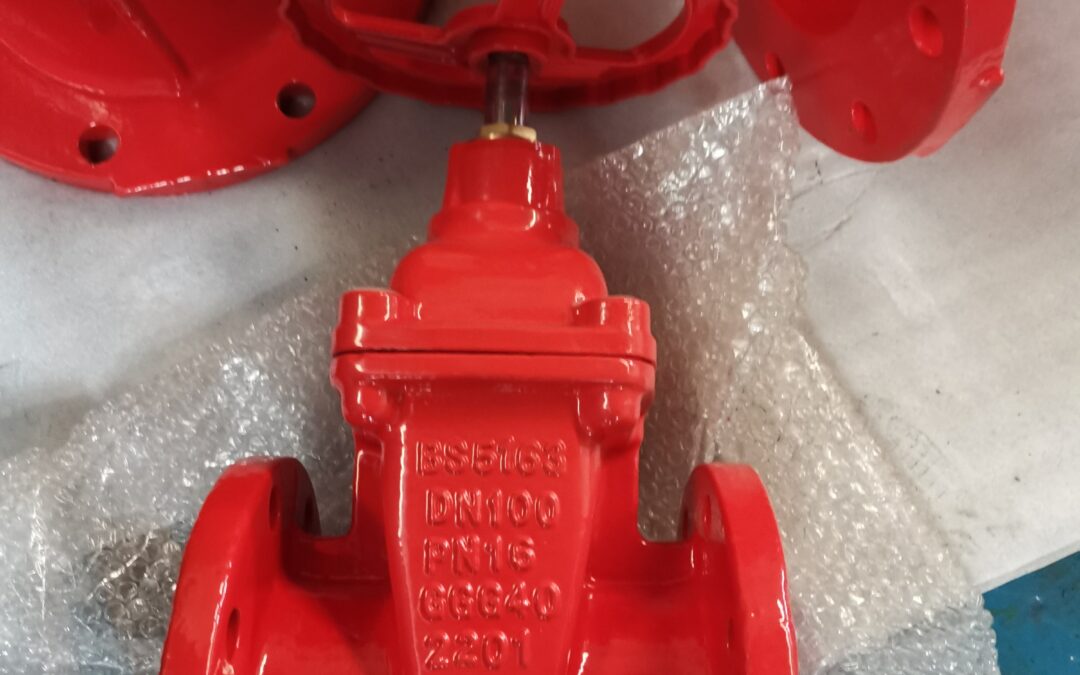
When it comes to controlling the flow of fluids in underground pipelines, gate valves play a crucial role. Jako lider manual gate valve supplier in China, TWT is dedicated to producing and supplying high-quality underground gate valves, including the renowned BS5163 gate valve PN16, to the overseas market at competitive factory prices.
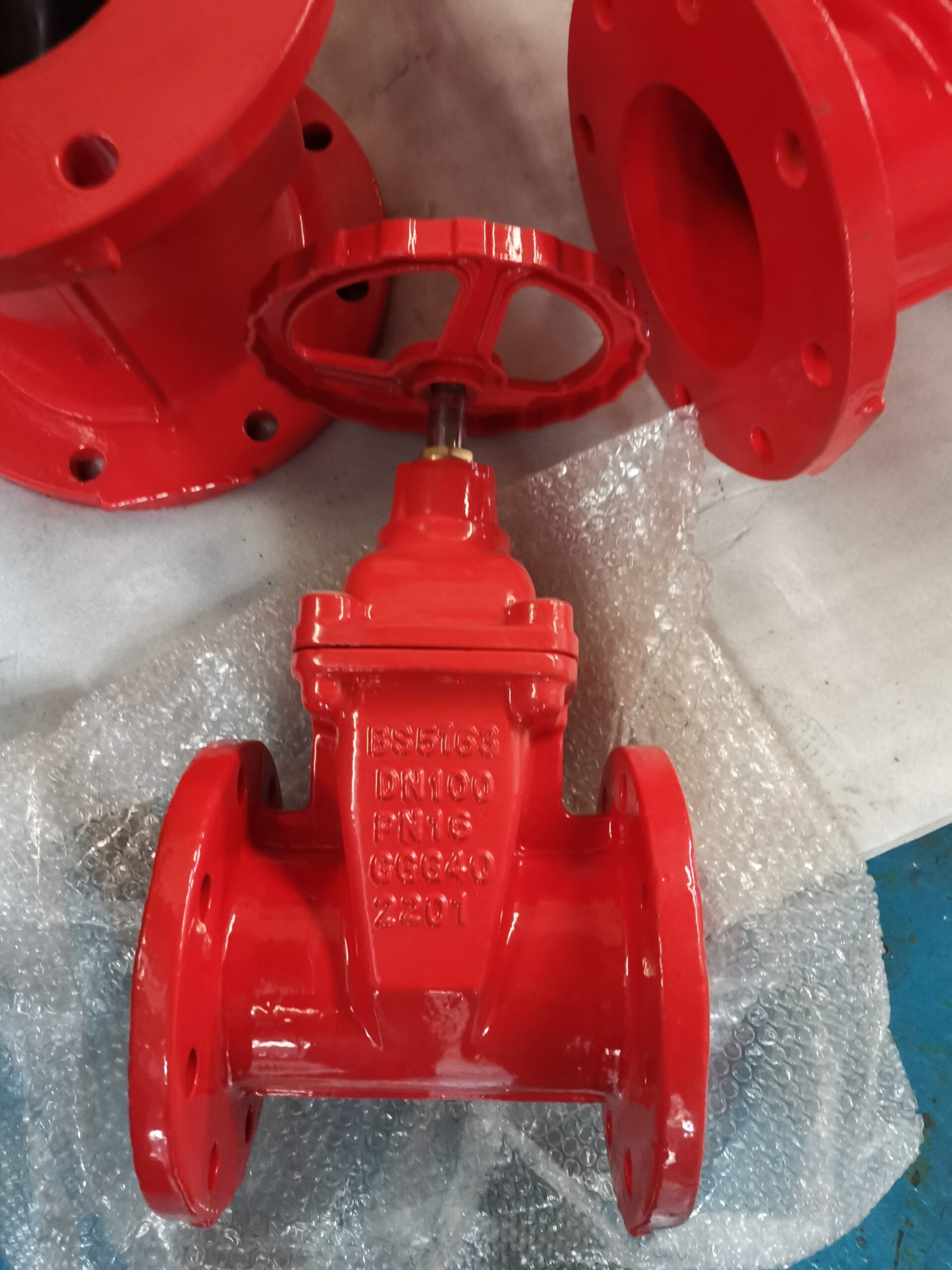
Understanding Manual Gate Valves?
Manual gate valves are a type of valve that uses a gate or wedge to control the flow of fluids. They are commonly used in underground pipelines to regulate the flow of water, olej, i gaz. Manual gate valves are preferred over other types of valves due to their simplicity, niezawodność, and ease of operation.
The Benefits of BS5163 Gate Valve PN16 for Underground Use
The BS5163 gate valve PN16 is a popular choice for underground applications due to its exceptional performance, trwałość, and versatility. Here are some of the benefits of using BS5163 gate valve PN16 for underground use:
- High-Pressure Resistance: The BS5163 gate valve PN16 is designed to withstand high pressures, making it an ideal choice for underground pipelines where pressure fluctuations are common.
- Odporność na korozję: The valve’s body and trim are made from high-quality materials that resist corrosion, ensuring a long lifespan even in harsh underground environments.
- Low Torque Operation: The BS5163 gate valve PN16 features a low-torque operation, making it easy to open and close the valve even in confined spaces.
- Bi-Directional Flow: The valve allows for bi-directional flow, making it suitable for applications where fluid flow needs to be reversed.
- Kompaktowa konstrukcja: The compact design of the BS5163 gate valve PN16 makes it ideal for underground installations where space is limited.
- Easy Maintenance: The valve’s simple design and few moving parts make it easy to maintain and repair, reducing downtime and increasing overall efficiency.
- Cost-Effective: The BS5163 gate valve PN16 is a cost-effective solution for underground applications, offering exceptional performance at a competitive price.
Applications of BS5163 Gate Valve PN16
The BS5163 gate valve PN16 is suitable for a wide range of underground applications, w tym:
- Water Supply Systems: The valve is ideal for controlling the flow of water in underground pipelines, ensuring a consistent supply of clean water to households and industries.
- Oil and Gas Pipelines: The BS5163 gate valve PN16 is used in oil and gas pipelines to regulate the flow of fluids, ensuring safe and efficient transportation.
- Sewerage Systems: The valve is used in sewerage systems to control the flow of wastewater, preventing backups and ensuring efficient treatment.
Why Choose TWT for Your Underground Gate Valve Needs?
TWT is a leading manual gate valve supplier in China, dedicated to producing and supplying high-quality underground gate valves, including the BS5163 gate valve PN16, to the overseas market. Here are some reasons why you should choose TWT for your underground gate valve needs:
- Competitive Factory Prices: TWT offers competitive factory prices for its underground gate valves, ensuring that you get the best value for your money.
- Exceptional Quality: TWT’s underground gate valves are manufactured using high-quality materials and undergo rigorous quality control measures, ensuring exceptional performance and durability.
- Customization Options: TWT offers customization options for its underground gate valves, allowing you to tailor the valve to your specific needs and requirements.
- Reliable Delivery: TWT prioritizes timely delivery, ensuring that you receive your underground gate valves promptly and efficiently.
Wniosek
The Zasuwa zasuwowa BS5163 PN16 is an exceptional choice for underground applications, offering unparalleled performance, trwałość, and versatility. As a leading manual gate valve supplier in China, TWT is committed to producing and supplying high-quality underground gate valves, including the BS5163 gate valve PN16, to the overseas market at competitive factory prices. By choosing TWT, you can unlock the power of underground gate valves and take your pipeline operations to the next level.

Mar 27, 2024 | Aktualności
The pressure rating significantly influences the performance and suitability of a gate valve. Let’s delve into how it impacts this type of valve:
Maximum Operating Pressure
The pressure rating determines the maximum pressure that the gate valve can safely handle. It is usually measured in pounds per square inch (psi) or megaPascals (mPa) in Europe 1. When selecting a gate valve, understanding the maximum operating pressure of your system is crucial. Opt for a valve with a pressure rating higher than your system’s requirements to provide an added safety margin.
Gate Valve Behavior
Gate valves are designed to open fully and leave the flow bore virtually free of encumbrances or friction. When the gate valve is fully open, it offers minimal resistance to flow, similar to a section of pipe of the same port size. Jednakże, gate valves are generally not suitable for regulating flow or operating in partially open positions. Using them for throttling can lead to damage due to the seating surfaces banging against each other in turbulent flow conditions.
Influence on Operation
As the pressure of the medium pushes the gate against its guiding rail, operating the valve becomes more challenging. Influences on big size gate valves and underground gate valves:
- Big Size Gate Valves:
Big gate valves must withstand substantial forces due to the high pressure acting on their larger surface area. A higher pressure rating ensures the valve’s structural integrity. The pressure rating affects the choice of materials. Large gate valves may require stronger alloys or thicker sections to handle the pressure. Operating large gate valves can be challenging due to the immense pressure pushing against the gate. Proper actuation mechanisms and safety precautions are crucial.
- Underground Gate Valves:
Being buried underground, these valves are subject to soil pressure, moisture, and other external factors. Pressure surges caused by sudden valve closure (water hammer) can impact underground valves. Adequate pressure ratings help prevent damage. Underground gate valves must resist corrosion from soil and groundwater. Proper material selection and coatings are essential. Maintenance and repair of underground valves can be difficult. A robust pressure rating ensures longevity and minimizes the need for frequent access.
Materials and Construction
Gate valves are available in various materials and pressure classes. They can range in size from small NPS ½ inch valves to large NPS 144 inch valves. Common construction methods include castings, forgings, or weld-fabricated assemblies, with casting designs being prevalent.
BS5163 gate valve pn16 is designed to withstand a maximum pressure of 16 bar (232 psi) at a temperature range of -10°C to +80°C. Among the valve suppliers, BS5163 gate valve pn16 from TWT Valve stands out as a dependable choice for applications that prioritize efficiency, trwałość, and leak-proof performance.
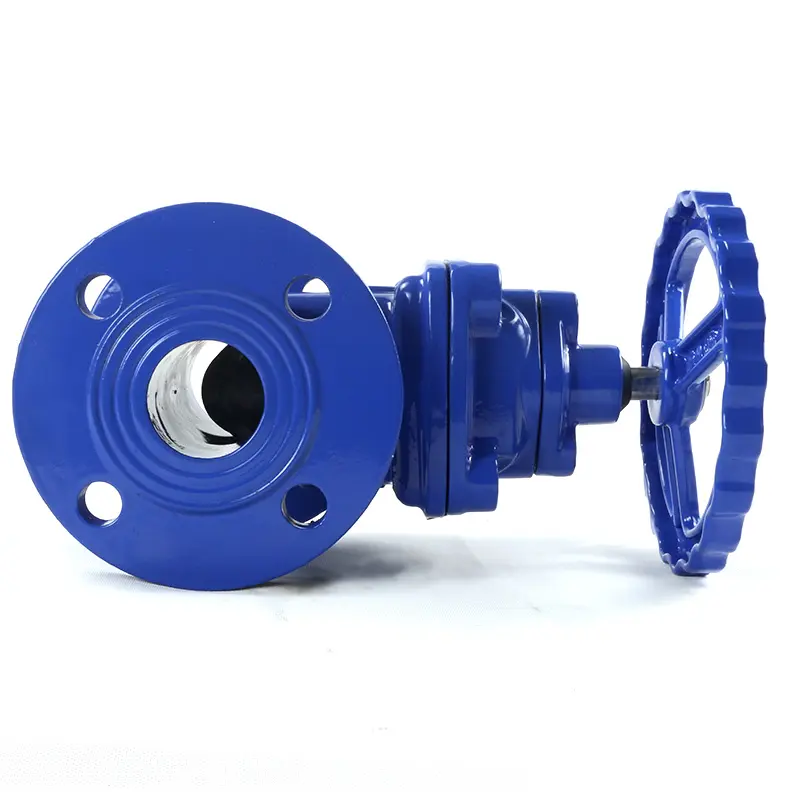
In summary, the pressure rating directly influences the safety, niezawodność, and performance of both big size and underground gate valves. Properly matched pressure ratings ensure efficient operation and longevity in various applications.
Mar 5, 2024 | Aktualności
Understanding BS5163 PN16 Gate Valve Standards
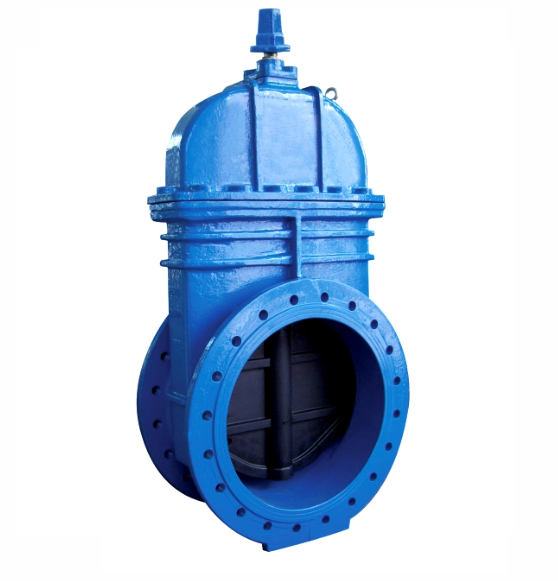
BS5163 resilient seated gate valve is esteemed for their adaptability, endurance, and sophisticated sealing mechanisms, rendering them a favored selection across diverse industries.These valves are engineered to endure pressure ratings reaching up to PN16, highlighting a resilient infrastructure proficient in managing formidable operational pressures within demanding surroundings.BS5163 serves as a British Standard delineation for resilient-seated gate valves employed in waterworks applications. PN16, a pressure classification, signifies that the valve is crafted to endure a peak pressure of 16 bar (232 psi) within a temperature span ranging from -10°C to +80°C.
The British Standard Bs5163 gate valve pn16 delineates the configuration, measurements, and operational benchmarks for resilient seated gate valves. Under this standard, bs5163 gate valve pn16 a valve compliant with these specifications, engineered to withstand a peak pressure level of PN16, equivalent to 16 bars or roughly 232 pounds per square inch. Engineered for longevity, dependability, and optimal functionality, bs5163 gate valves pn16 excel in a myriad of fluid management scenarios where resilient sealing and trustworthy closure are of utmost importance.
- Water and Wastewater Governance: Regulating flux velo and guaranteeing impenetrable cessation in civic and industrial aqueduct networks.
- Petrochemical and Energy Sector: Managing corrosive substances and upholding superior integrity seals in refinery and conduit maneuvers.
- HVAC and Fire Safety Structures: Supplying rapid, safe barricade nodes in heating, ventilation, and fire extinguishing arrays.
- Nutriment and Beverage Manufacturing: Assuring cleanliness and sterilization with resilient substances harmonious with comestible liquids.
Advantages of Resilient Seated Gate Valves
Resilient seated gate valves, as specified in the bs5163 resilient seated gate valve standard, are known for their exceptional sealing capabilities. The resilient seat material, typically an elastomer such as EPDM or NBR, ensures tight shut-off and reduces the risk of leaks. It also provides resistance against corrosion, abrasion, and wear, extending the service life of the valve. Dodatkowo, these seats allow for lower torque operation and minimal maintenance requirements, making them suitable for large-scale installations where frequent use and longevity are key concerns.
The gate valve, a variant of fluid regulation apparatus, governs fluid passage within conduits by employing a gate or wedge mechanism to either obstruct or permit the flow. Within the realm of BS5163, the resilient-seated gate valve commonly features a flanged termination and is apt for deployment in water conveyance networks, sewage treatment facilities, and assorted industrial settings necessitating a trustworthy and upkeep-minimal valve solution.
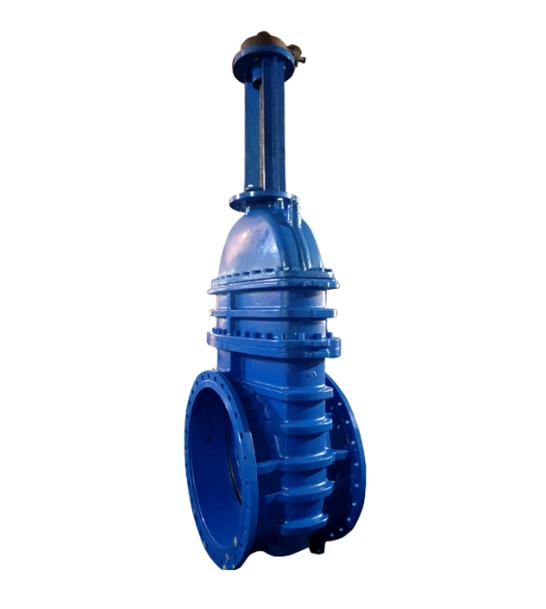
The Production Capacity Is 12000PCS Of Big Size Gate Valve Per Year
Gate valves usually come in a variety of sizes for you to choose from. Our company provides you with the commonly used gate valve size ranges for your reference:
- Small Size: Small size gate valves are typically between 1/2 inch to 2 inches.
- Medium Sizes: Medium size gate valves are typically available in sizes from 2 inches to 12 inches.
- Big Sizes: Big size gate valvetypically start at 14 inches and can reach sizes over 48 inches and larger.
| Nazwa produktu | zasuwa o dużych rozmiarach |
|---|
| Kolor | Red, Niebieski, Black or as Per Customer′s Request. |
| Technics | Odlew |
| Ciśnienie | Pn10/16 |
Large-scale gate valves, meticulously crafted to adhere to the esteemed BS5163 protocol and boasting a PN16 rating.Assuming a pivotal function in sectors employing expansive pipelines, including water distribution networks, sewage treatment facilities, petrochemical complexes, and power generation plants. Despite their sturdy composition and resilient seating, the fabrication and placement of the substantial big size gate valve present distinctive hurdles, encompassing issues such as material manipulation, structural soundness, and operational mechanisms that must efficiently function despite the amplified mass and dimensions of the valve.
In industrial settings, sizeable bs5163 resilient seated gate valve epitomize an intricate engineering resolution for regulating high-pressure fluid dynamics. Through meticulous adherence to rigorous criteria and the integration of resilient seating innovation, these valves cater to the exacting demands of strenuous operations, all the while safeguarding operational efficacy and enduring dependability.
grudzień 21, 2023 | Aktualności
Zasuwy odgrywają kluczową rolę w wydajnych systemach kontroli przepływu w różnych gałęziach przemysłu. Dzięki solidnej konstrukcji, niezawodne możliwości uszczelniania, i zdolność do radzenia sobie z różnorodnymi płynami, Zawory zasuwowe stanowią istotny element umożliwiający włączanie/wyłączanie i proste sterowanie przepływem. Od ropy i gazu po uzdatnianie wody, wytwarzania energii do przetwarzania chemicznego, zasuwy znajdują szerokie zastosowanie w zastosowaniach krytycznych.
Zrozumienie zasuw
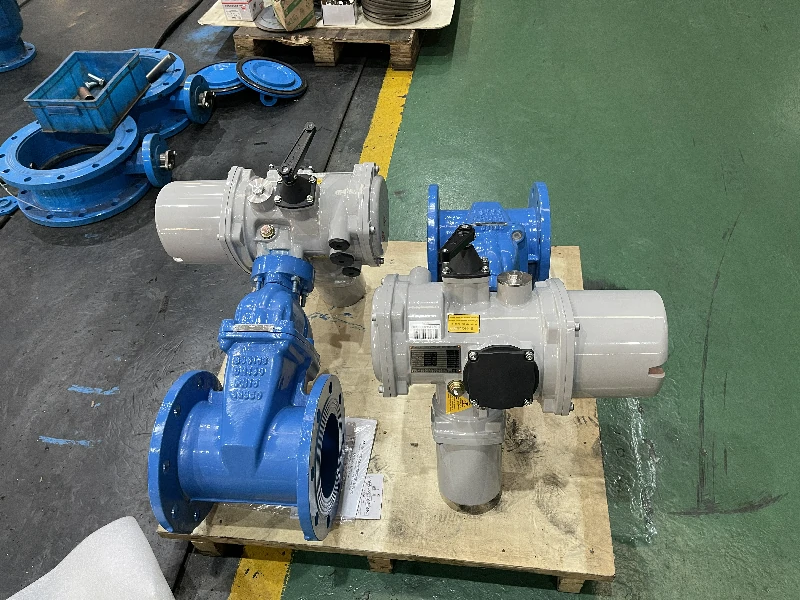
Zawory odcinające to zawory o ruchu liniowym, przeznaczone głównie do włączania/wyłączania w systemach wymagających przepływu płynu w linii prostej. Kluczowym elementem zasuwy jest zasuwa lub klin, który jest ustawiony prostopadle do kierunku przepływu w korpusie zaworu. Gdy brama zostanie podniesiona, umożliwia przepływ płynu przez zawór, i kiedy jest obniżony, blokuje przepływ, zapewniając szczelne zamknięcie.
Konstrukcja zasuwy składa się zazwyczaj z korpusu zaworu, brama, łodyga, i czapka. Korpus zaworu jest zwykle wykonany z materiałów takich jak żeliwo, ciągliwy metal, Stal węglowa, lub stal nierdzewna, w zależności od zastosowania i kontrolowanego płynu. Brama, które mogą być solidne lub elastyczne, porusza się w górę i w dół w korpusie zaworu, regulując przepływ. Trzpień jest połączony z zasuwą i zapewnia ruch liniowy wymagany do otwarcia lub zamknięcia zaworu. Pokrywa mieści trzpień i zapewnia uszczelnienie zapobiegające wyciekom.
Funkcjonalność i zalety
Zawory zasuwowe oferują szereg korzyści ze względu na ich unikalną konstrukcję i funkcjonalność. Jedną z ich kluczowych zalet jest możliwość zapewnienia pełnego obszaru przepływu, co skutkuje minimalnym spadkiem ciśnienia, gdy zawór jest całkowicie otwarty. Ta cecha sprawia, że zasuwy nadają się do zastosowań, w których pożądany jest niski spadek ciśnienia, na przykład w dużych rurociągach lub systemach wysokociśnieniowych.
Zasuwy oferują również doskonałe właściwości uszczelniające. Kiedy jest całkowicie zamknięty, bramka styka się z siedziskiem, tworząc szczelne uszczelnienie, które zapobiega wyciekom. Ta cecha sprawia, że zasuwy są idealne do zastosowań wymagających niezawodnego odcięcia, jak w przemyśle naftowym i gazowym, stacje uzdatniania wody, i zakłady przetwórstwa chemicznego.
Kolejną zaletą zasuw jest ich zdolność do obsługi szerokiej gamy płynów, w tym płyny, gazy, i szlamy. Ich wszechstronna konstrukcja pozwala na efektywną kontrolę nad różnymi rodzajami mediów, dzięki czemu nadają się do różnych gałęzi przemysłu i zastosowań.
Rodzaje zasuw
Zasuwy można podzielić na różne typy w zależności od ich konstrukcji i działania. Niektóre popularne typy obejmują:
Zawór zasuwający z wznoszącym się trzpieniem: W tym projekcie, gdy zawór jest otwarty, trzpień porusza się w górę, zapewniając wizualne wskazanie położenia zaworu.
Zasuwa zasuwowa z niewznoszącym się trzpieniem: W tym projekcie, trzpień nie podnosi się podczas otwierania lub zamykania zaworu. Ten typ zaworu jest często używany w zastosowaniach o ograniczonej przestrzeni pionowej. Z pewnością, Tymczasem, TWT również zapewnia Zawór zasuwowy z trzpieniem niewznoszącym, chiński do zwyczajów.
Zasuwa klinowa: Brama w tym projekcie ma kształt klina, zapewniając szczelne i niezawodne uszczelnienie. Zasuwy klinowe są powszechnie stosowane w zastosowaniach wysokociśnieniowych.
Równoległa zasuwa suwakowa: W tym projekcie, brama porusza się ruchem równoległym, a nie prostopadłym do kierunku przepływu. Ten typ zasuwy zapewnia ulepszone możliwości uszczelniania i nadaje się do zastosowań wysokotemperaturowych.
Zastosowania i wykorzystanie w przemyśle
Zasuwy znajdują szerokie zastosowanie w wielu gałęziach przemysłu, w tym ropę i gaz, oczyszczanie wody i ścieków, wytwarzanie energii, obróbka chemiczna, i wiele więcej. Ich wszechstronność i możliwość obsługi szerokiej gamy płynów czyni je niezbędnymi w różnych systemach.
W przemyśle naftowym i gazowym, Zasuwy są powszechnie stosowane do izolacji i sterowania w rurociągach, rafinerie, i platformy morskie. Stacje uzdatniania wody wykorzystują zasuwy do regulacji przepływu wody, sterowanie systemami pompowymi, i zarządzanie dystrybucją wody. Zakłady wytwarzające energię wykorzystują zasuwy do kontrolowania pary, woda chłodząca, i inne płyny procesowe.
Zasuwy są również stosowane w przemyśle przetwórstwa chemicznego, tam, gdzie są używane do kontrolowania przepływu płynów korozyjnych lub niebezpiecznych. Dodatkowo, zasuwy znajdują zastosowanie w instalacjach przeciwpożarowych, Systemy HVAC, i systemy nawadniające, pośród innych.
Przegląd zasuwy BS5163 PN16 i zasuwy DIN3202 F4
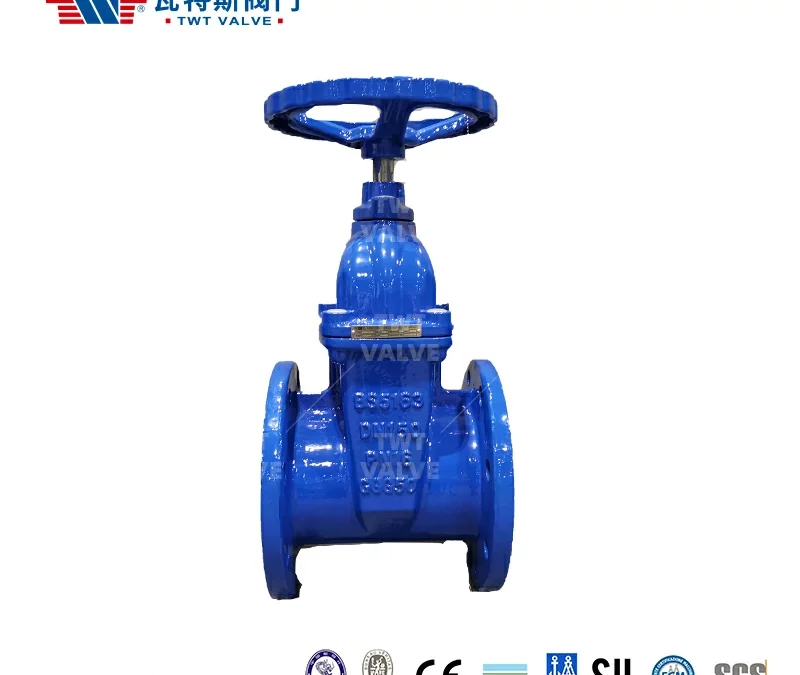
The Zasuwa zasuwowa BS5163 PN16 to zasuwa z elastycznym gniazdem, zgodna z brytyjską normą BS5163. Niniejsza norma określa wymagania dotyczące zaworów stosowanych w instalacjach wodociągowych, zapewniając, że spełniają rygorystyczne standardy jakości w zakresie wydajności, niezawodność, i bezpieczeństwo. Oznaczenie PN16 odnosi się do ciśnienia znamionowego zaworu, wskazując jego zdolność do wytrzymania maksymalnego ciśnienia 16 bar.
The Zasuwa DIN3202F4 to zasuwa z elastycznym gniazdem, zgodna z niemiecką normą przemysłową DIN3202 część 1, który określa wymagania dla zasuw końcowych z kołnierzem i końcówkami do spawania doczołowego. The “F4” oznaczenie odnosi się do wymiarów zabudowy zaworu i wierceń, zapewnienie kompatybilności i wymienności z innymi komponentami i systemami.
listopad 30, 2023 | Aktualności
The manual gate valve underground series represents a robust yet cost-effective solution for flow isolation and control in critical buried piping infrastructure. Careful consideration of standards compliant design, niezawodne uszczelnienie, and long-term maintenance needs delivers a versatile valve optimized for below grade service.
W tym artykule, we will take a closer look at podziemna zasuwa design with a focus on manual operation models. Understanding the engineering considerations that go into manual underground gate valves can provide valuable insights for specifying, installing and servicing these critical underground infrastructure components.
Compliance with Industry Standards
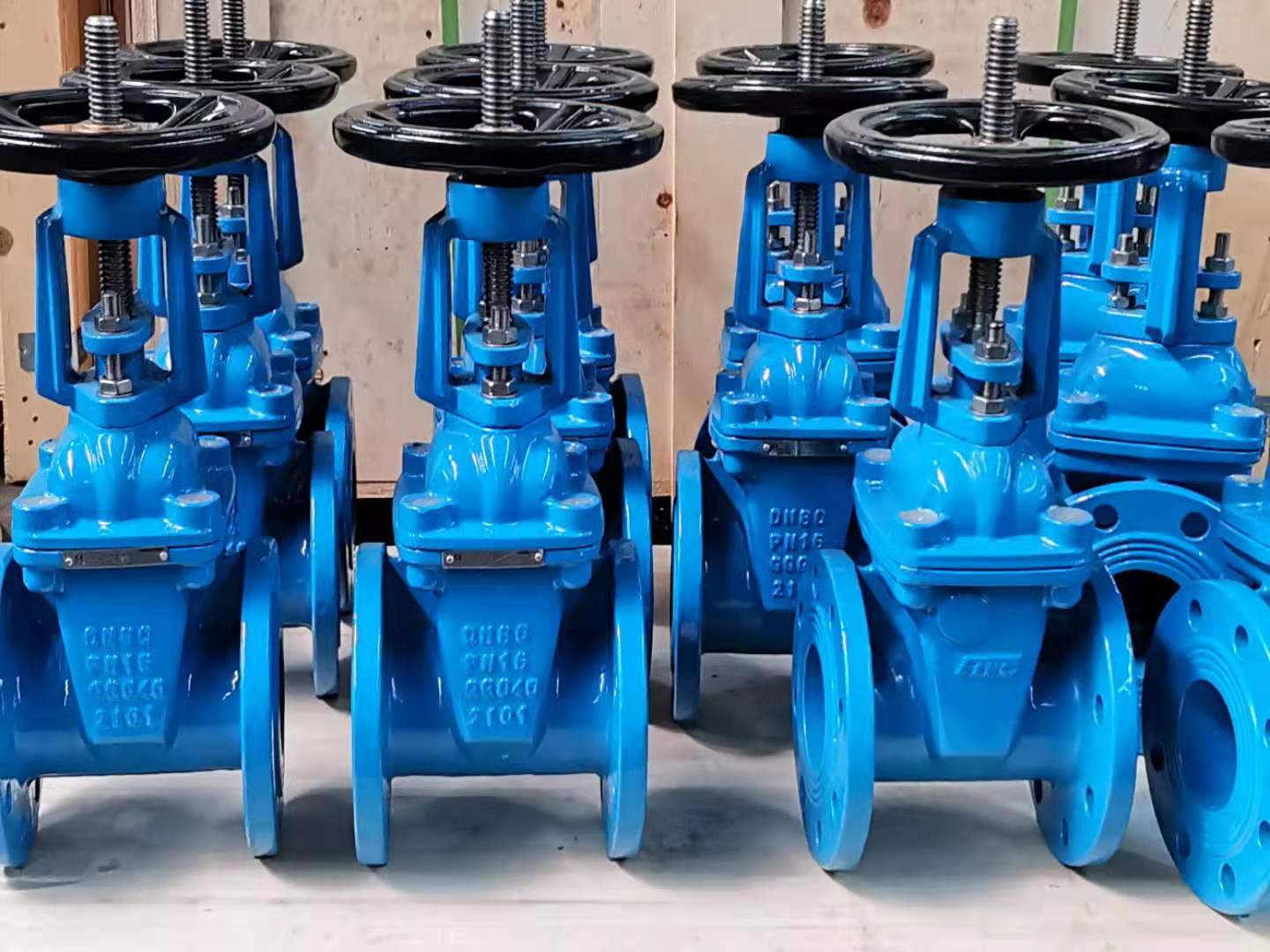
All underground Zasuwa bs5163 pn16 must be engineered and manufactured according to relevant industry standards to ensure safety, quality and interchangeability. In the UK, underground gate valves designed for potable water distribution networks up to PN16 pressure rating comply with BS5163:1992. This British Standard specifies technical requirements for the construction, testing and performance of buried sluice valves up to 1200mm in nominal diameter.
Key aspects covered in BS5163 include body and bonnet materials, joint types, operating mechanisms, pressure rating, flow direction indicators and extension stems for underground access. Manufacturers of BS5163 compliant underground gate valves use high strength ductile iron or fabricated steel to construct robust bodies capable of withstanding underground installation and the working pressures of water distribution systems.
Manual Operation Design
When it comes to manual underground gate valves, the operating mechanism is a critical design element that needs to provide reliable actuation from above ground level. Most modern manual underground gate valves utilize a buried valve bonnet with an adjustable valve box and operating stem arrangement.
The valve bonnet houses the gate, seat rings and stem connections below ground. It features a stem guide bushing and rising stem that translates the open/close movement directly from the gate. Extending up from the valve bonnet is the operating stem – a threaded shaft often constructed from bronze, stainless steel or galvanized steel materials.
The operating stem passes up through the center of a concentric valve box installed flush with the final grade. This precast concrete or polymer concrete valve box protects the operating components while providing accessible access. A adjustable extension stem sits atop the valve box and connects to the buried stem with a junction box. T-handled, lever, or nut operated extensions allow manual operation from grade level.
Sealing Design
Reliable sealing is crucial to prevent leakage which could lead to contamination or erosion issues over the lifetime of an underground valve. BS5163 gate valves pn16 utilize resilient wedge sealing which provides drip-tight shutoff with minimal operating torque.
In resilient wedge sealed gate valves, an elastomer wedge mounted on the gate compresses against a dual segmented seat in the valve body. This forms a flexible seal as opposed to metal-to-metal sealing. The resilient wedge maintains sealing integrity in either flow direction and allows for easy replaceability if needed. O-ring stem seals within the valve bonnet further contain pressures and prevent underground contaminants from entering the operating mechanism.
Maintenance Considerations
With underground installation, maintenance access is an important design factor for gate valves. The manual operation arrangement enables valves to be cycled annually and lubricated as needed through the top opening of the adjustable valve box. Valve boxes should be level with final grade and not subject to heavy traffic loads to avoid damage.
Dodatkowo, an air release/vacuum breaker attachment may be included on underground gate valves to release built-up pressure when isolating a section of water main during maintenance activities. This reduces mechanical stresses on the valve and piping system. Gate valves also require occasional external coating touch-ups to protect against corrosion if the factory applied coating becomes damaged over time.

