Puede 16, 2024 | Noticias
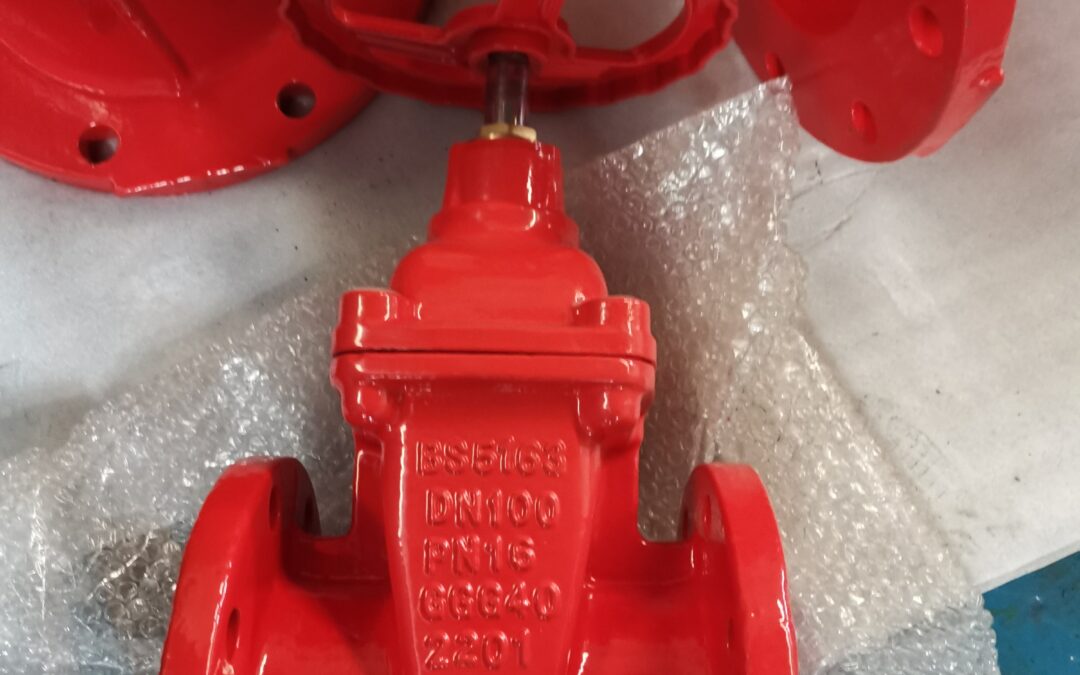
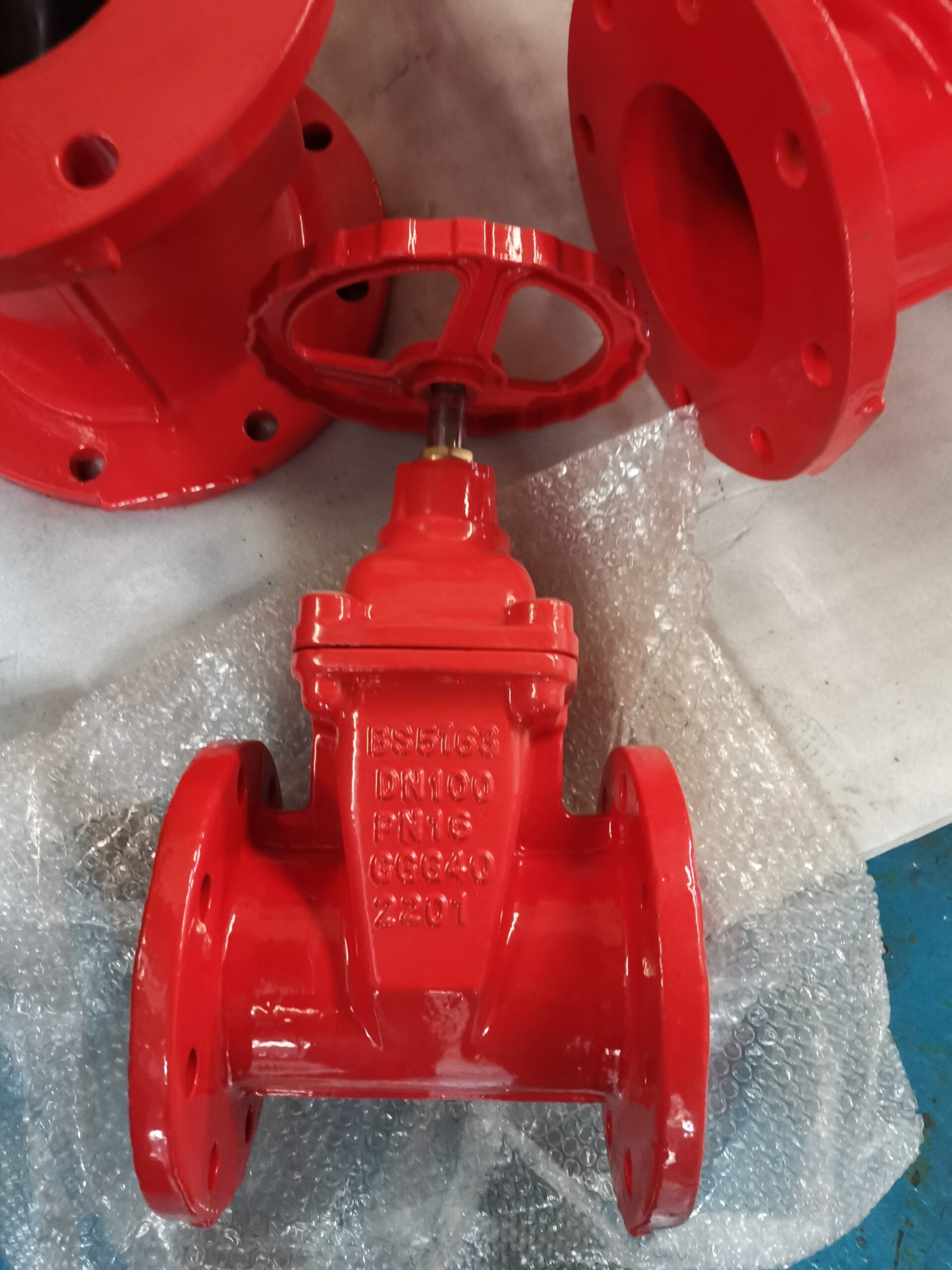
Cuando se trata de controlar el flujo de fluidos en tuberías subterráneas, Las válvulas de compuerta juegan un papel crucial. As a leading válvula de compuerta manual supplier in China, TWT se dedica a producir y suministrar válvulas de compuerta subterráneas de alta calidad., including the renowned BS5163 gate valve PN16, to the overseas market at competitive factory prices.
Understanding Manual Gate Valves?
Manual gate valves are a type of valve that uses a gate or wedge to control the flow of fluids. They are commonly used in underground pipelines to regulate the flow of water, aceite, y gasolina. Manual gate valves are preferred over other types of valves due to their simplicity, fiabilidad, and ease of operation.
The Benefits of BS5163 Gate Valve PN16 for Underground Use
The BS5163 gate valve PN16 is a popular choice for underground applications due to its exceptional performance, durabilidad, y versatilidad. Here are some of the benefits of using BS5163 gate valve PN16 for underground use:
- High-Pressure Resistance: The BS5163 gate valve PN16 is designed to withstand high pressures, making it an ideal choice for underground pipelines where pressure fluctuations are common.
- Resistencia a la corrosión: The valve’s body and trim are made from high-quality materials that resist corrosion, ensuring a long lifespan even in harsh underground environments.
- Low Torque Operation: The BS5163 gate valve PN16 features a low-torque operation, making it easy to open and close the valve even in confined spaces.
- Flujo bidireccional: The valve allows for bi-directional flow, making it suitable for applications where fluid flow needs to be reversed.
- Diseño compacto: The compact design of the BS5163 gate valve PN16 makes it ideal for underground installations where space is limited.
- Easy Maintenance: The valve’s simple design and few moving parts make it easy to maintain and repair, reducing downtime and increasing overall efficiency.
- Económico: The BS5163 gate valve PN16 is a cost-effective solution for underground applications, offering exceptional performance at a competitive price.
Applications of BS5163 Gate Valve PN16
The BS5163 gate valve PN16 is suitable for a wide range of underground applications, incluido:
- Sistemas de suministro de agua: The valve is ideal for controlling the flow of water in underground pipelines, ensuring a consistent supply of clean water to households and industries.
- Oil and Gas Pipelines: The BS5163 gate valve PN16 is used in oil and gas pipelines to regulate the flow of fluids, ensuring safe and efficient transportation.
- Sewerage Systems: The valve is used in sewerage systems to control the flow of wastewater, preventing backups and ensuring efficient treatment.
Why Choose TWT for Your Underground Gate Valve Needs?
TWT is a leading manual gate valve supplier in China, dedicated to producing and supplying high-quality válvulas de compuerta subterráneas, including the BS5163 gate valve PN16, to the overseas market. Here are some reasons why you should choose TWT for your underground gate valve needs:
- Competitive Factory Prices: TWT offers competitive factory prices for its underground gate valves, ensuring that you get the best value for your money.
- Exceptional Quality: TWT’s underground gate valves are manufactured using high-quality materials and undergo rigorous quality control measures, ensuring exceptional performance and durability.
- Customization Options: TWT offers customization options for its underground gate valves, allowing you to tailor the valve to your specific needs and requirements.
- Reliable Delivery: TWT prioritizes timely delivery, ensuring that you receive your underground gate valves promptly and efficiently.
Conclusión
El Válvula de compuerta BS5163 PN16 is an exceptional choice for underground applications, offering unparalleled performance, durabilidad, y versatilidad. Como proveedor líder de válvulas de compuerta manual en China, TWT is committed to producing and supplying high-quality underground gate valves, including the BS5163 gate valve PN16, to the overseas market at competitive factory prices. By choosing TWT, you can unlock the power of underground gate valves and take your pipeline operations to the next level.

Mar 27, 2024 | Noticias
La presión nominal influye significativamente en el rendimiento y la idoneidad de una válvula de compuerta.. Profundicemos en cómo impacta este tipo de válvulas:
Maximum Operating Pressure
The pressure rating determines the maximum pressure that the gate valve can safely handle. It is usually measured in pounds per square inch (psi) or megaPascals (mPa) in Europe 1. When selecting a gate valve, understanding the maximum operating pressure of your system is crucial. Opt for a valve with a pressure rating higher than your system’s requirements to provide an added safety margin.
Gate Valve Behavior
Gate valves are designed to open fully and leave the flow bore virtually free of encumbrances or friction. Cuando la válvula de compuerta está completamente abierta, it offers minimal resistance to flow, similar to a section of pipe of the same port size. Sin embargo, gate valves are generally not suitable for regulating flow or operating in partially open positions. Using them for throttling can lead to damage due to the seating surfaces banging against each other in turbulent flow conditions.
Influence on Operation
As the pressure of the medium pushes the gate against its guiding rail, operating the valve becomes more challenging. Influences on big size gate valves y válvulas de compuerta subterráneas:
- Big Size Gate Valves:
Big gate valves must withstand substantial forces due to the high pressure acting on their larger surface area. A higher pressure rating ensures the valve’s structural integrity. The pressure rating affects the choice of materials. Large gate valves may require stronger alloys or thicker sections to handle the pressure. Operating large gate valves can be challenging due to the immense pressure pushing against the gate. Proper actuation mechanisms and safety precautions are crucial.
- Válvulas de compuerta subterráneas:
Being buried underground, these valves are subject to soil pressure, humedad, and other external factors. Pressure surges caused by sudden valve closure (golpe de ariete) can impact underground valves. Adequate pressure ratings help prevent damage. Underground gate valves must resist corrosion from soil and groundwater. Proper material selection and coatings are essential. Maintenance and repair of underground valves can be difficult. A robust pressure rating ensures longevity and minimizes the need for frequent access.
Materials and Construction
Gate valves are available in various materials and pressure classes. They can range in size from small NPS ½ inch valves to large NPS 144 inch valves. Common construction methods include castings, forgings, or weld-fabricated assemblies, with casting designs being prevalent.
Válvula de compuerta BS5163 pn16 is designed to withstand a maximum pressure of 16 bar (232 psi) at a temperature range of -10°C to +80°C. Among the valve suppliers, BS5163 gate valve pn16 from TWT Valve stands out as a dependable choice for applications that prioritize efficiency, durabilidad, and leak-proof performance.
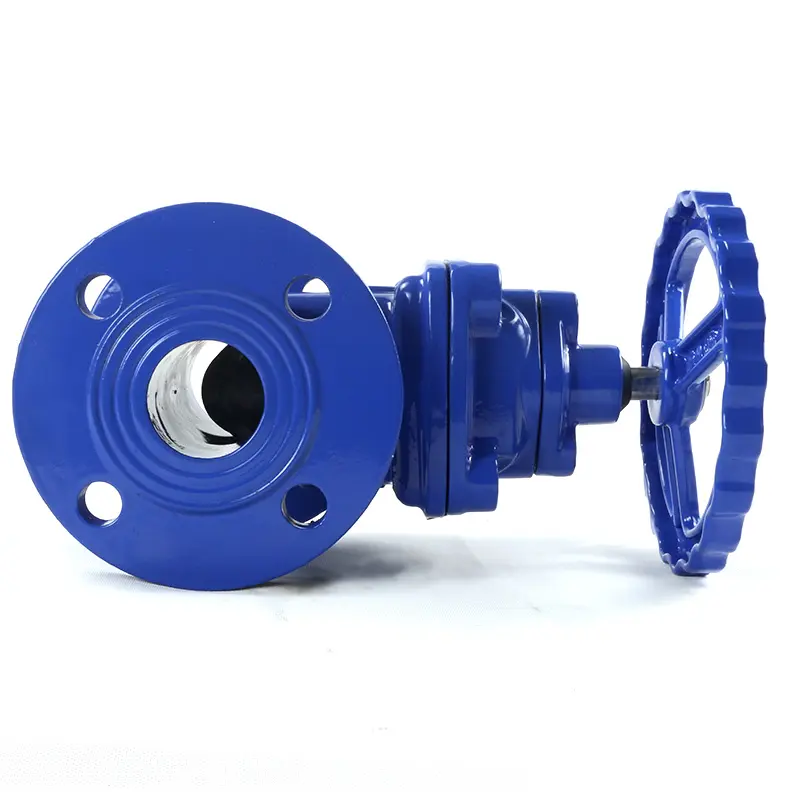
En resumen, the pressure rating directly influences the safety, fiabilidad, and performance of both big size and underground gate valves. Properly matched pressure ratings ensure efficient operation and longevity in various applications.
Mar 5, 2024 | Noticias
Understanding BS5163 PN16 Gate Valve Standards
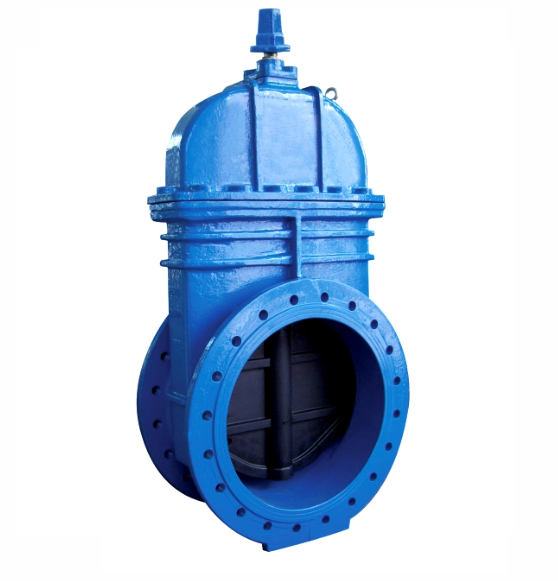
Válvula de compuerta con asiento resistente BS5163 is esteemed for their adaptability, resistencia, and sophisticated sealing mechanisms, rendering them a favored selection across diverse industries.These valves are engineered to endure pressure ratings reaching up to PN16, highlighting a resilient infrastructure proficient in managing formidable operational pressures within demanding surroundings.BS5163 serves as a British Standard delineation for resilient-seated gate valves employed in waterworks applications. PN16, a pressure classification, signifies that the valve is crafted to endure a peak pressure of 16 bar (232 psi) within a temperature span ranging from -10°C to +80°C.
The British Standard Bs5163 gate valve pn16 delineates the configuration, measurements, and operational benchmarks for resilient seated gate valves. Under this standard, bs5163 gate valve pn16 a valve compliant with these specifications, engineered to withstand a peak pressure level of PN16, equivalent to 16 bars or roughly 232 libras por pulgada cuadrada. Engineered for longevity, dependability, and optimal functionality, bs5163 gate valves pn16 excel in a myriad of fluid management scenarios where resilient sealing and trustworthy closure are of utmost importance.
- Water and Wastewater Governance: Regulating flux velo and guaranteeing impenetrable cessation in civic and industrial aqueduct networks.
- Petrochemical and Energy Sector: Managing corrosive substances and upholding superior integrity seals in refinery and conduit maneuvers.
- HVAC and Fire Safety Structures: Supplying rapid, safe barricade nodes in heating, ventilación, and fire extinguishing arrays.
- Nutriment and Beverage Manufacturing: Assuring cleanliness and sterilization with resilient substances harmonious with comestible liquids.
Advantages of Resilient Seated Gate Valves
Resilient seated gate valves, as specified in the bs5163 resilient seated gate valve standard, are known for their exceptional sealing capabilities. The resilient seat material, typically an elastomer such as EPDM or NBR, ensures tight shut-off and reduces the risk of leaks. It also provides resistance against corrosion, abrasion, and wear, extending the service life of the valve. Además, these seats allow for lower torque operation and minimal maintenance requirements, making them suitable for large-scale installations where frequent use and longevity are key concerns.
The gate valve, a variant of fluid regulation apparatus, governs fluid passage within conduits by employing a gate or wedge mechanism to either obstruct or permit the flow. Within the realm of BS5163, the resilient-seated gate valve commonly features a flanged termination and is apt for deployment in water conveyance networks, sewage treatment facilities, and assorted industrial settings necessitating a trustworthy and upkeep-minimal valve solution.
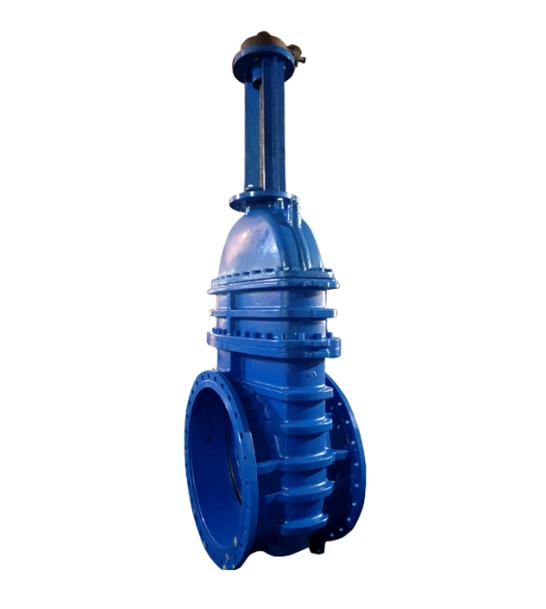
El Production Capacity Is 12000PCS Of Big Size Gate Valve Per Year
Gate valves usually come in a variety of sizes for you to choose from. Our company provides you with the commonly used gate valve size ranges for your reference:
- Small Size: Small size gate valves are typically between 1/2 inch to 2 pulgadas.
- Medium Sizes: Medium size gate valves are typically available in sizes from 2 inches to 12 pulgadas.
- Big Sizes: Big size gate valvetypically start at 14 inches and can reach sizes over 48 inches and larger.
| nombre del producto | válvula de compuerta de gran tamaño |
|---|
| Color | Red, Blue, Black or as Per Customer′s Request. |
| Technics | Fundición |
| Presión | Pn10/16 |
Large-scale gate valves, meticulously crafted to adhere to the esteemed BS5163 protocol and boasting a PN16 rating.Assuming a pivotal function in sectors employing expansive pipelines, including water distribution networks, sewage treatment facilities, petrochemical complexes, and power generation plants. Despite their sturdy composition and resilient seating, the fabrication and placement of the substantial big size gate valve present distinctive hurdles, encompassing issues such as material manipulation, structural soundness, and operational mechanisms that must efficiently function despite the amplified mass and dimensions of the valve.
In industrial settings, sizeable bs5163 resilient seated gate valve epitomize an intricate engineering resolution for regulating high-pressure fluid dynamics. Through meticulous adherence to rigorous criteria and the integration of resilient seating innovation, these valves cater to the exacting demands of strenuous operations, all the while safeguarding operational efficacy and enduring dependability.
Dic 21, 2023 | Noticias
Las válvulas de compuerta desempeñan un papel vital en los sistemas eficientes de control de flujo en diversas industrias. Con su construcción robusta, capacidades de sellado confiables, y capacidad para manejar diversos fluidos, Las válvulas de compuerta proporcionan un componente esencial para el servicio de encendido/apagado y el control de flujo en línea recta.. Del petróleo y el gas al tratamiento del agua, desde generación de energía hasta procesamiento químico, Las válvulas de compuerta encuentran un amplio uso en aplicaciones críticas..
Comprensión de las válvulas de compuerta
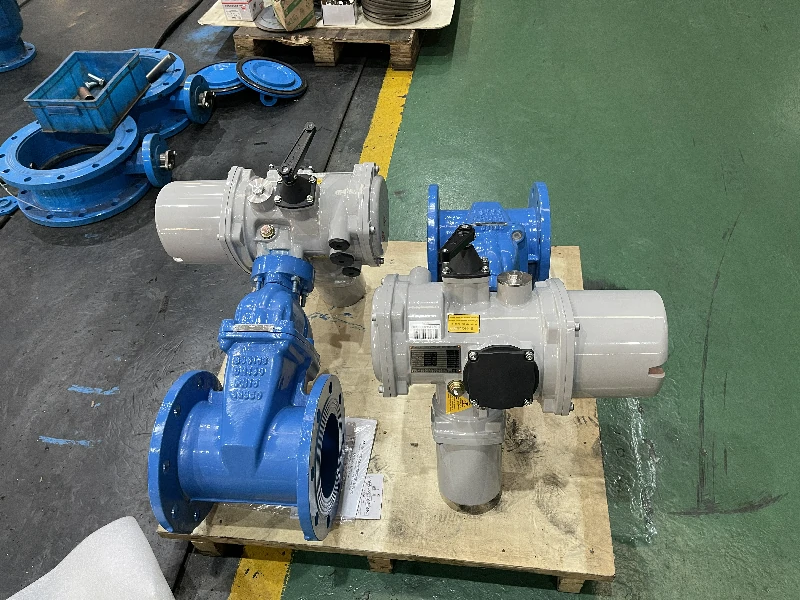
Las válvulas de compuerta son válvulas de movimiento lineal que están diseñadas principalmente para servicio de encendido/apagado en sistemas que requieren un flujo de fluido en línea recta.. El elemento clave en una válvula de compuerta es una compuerta corrediza o cuña., que se coloca perpendicular a la dirección del flujo dentro del cuerpo de la válvula. Cuando se levanta la puerta, permite que el fluido pase a través de la válvula, y cuando se baja, bloquea el flujo, proporcionando un cierre hermético.
La construcción de una válvula de compuerta generalmente consiste en un cuerpo de válvula, una puerta, un tallo, y un gorro. El cuerpo de la válvula suele estar hecho de materiales como hierro fundido., hierro dúctil, acero carbono, o acero inoxidable, dependiendo de la aplicación y del fluido que se controla. la puerta, que puede ser sólido o flexible, Se mueve hacia arriba y hacia abajo dentro del cuerpo de la válvula para regular el flujo.. El vástago está conectado a la compuerta y proporciona el movimiento lineal necesario para abrir o cerrar la válvula.. El capó alberga el vástago y proporciona un sello para evitar fugas..
Funcionalidad y beneficios
Las válvulas de compuerta ofrecen varias ventajas debido a su diseño y funcionalidad únicos.. Uno de sus beneficios clave es su capacidad para proporcionar un área de flujo total., lo que resulta en una caída de presión mínima cuando la válvula está completamente abierta. Esta característica hace que las válvulas de compuerta sean adecuadas para aplicaciones donde se desea una baja caída de presión., como en grandes tuberías o sistemas de alta presión.
Las válvulas de compuerta también ofrecen excelentes propiedades de sellado.. Cuando está completamente cerrado, la puerta entra en contacto con el asiento, creando un sello hermético que evita fugas. Esta característica hace que las válvulas de compuerta sean ideales para aplicaciones que requieren un cierre confiable., como en la industria del petróleo y el gas, plantas de tratamiento de agua, e instalaciones de procesamiento químico.
Otra ventaja de las válvulas de compuerta es su capacidad para manejar una amplia gama de fluidos., incluyendo líquidos, gases, y lodos. Su diseño versátil permite un control efectivo sobre diferentes tipos de medios., haciéndolos adecuados para diversas industrias y aplicaciones.
Tipos de válvulas de compuerta
Las válvulas de compuerta se pueden clasificar en diferentes tipos según su diseño y funcionamiento.. Algunos tipos comunes incluyen:
Válvula de compuerta de vástago ascendente: en este diseño, El vástago se mueve hacia arriba cuando se abre la válvula., Proporcionar una indicación visual de la posición de la válvula..
Válvula de compuerta de vástago no ascendente: en este diseño, El vástago no sube al abrir o cerrar la válvula.. Este tipo de válvula se utiliza a menudo en aplicaciones con espacio vertical limitado.. Ciertamente, mientras tanto, TWT también proporciona Válvula de compuerta de vástago no ascendente de China a la aduana.
Válvula de compuerta de cuña: La puerta en este diseño tiene forma de cuña., ofreciendo un sello hermético y confiable. Las válvulas de compuerta de cuña se emplean comúnmente en aplicaciones de alta presión..
Válvula de compuerta deslizante paralela: en este diseño, La compuerta se mueve en un movimiento paralelo en lugar de perpendicular a la dirección del flujo.. Este tipo de válvula de compuerta proporciona capacidades de sellado mejoradas y es adecuada para aplicaciones de alta temperatura..
Aplicaciones y uso industrial
Las válvulas de compuerta encuentran aplicaciones generalizadas en numerosas industrias, incluyendo petróleo y gas, tratamiento de agua y aguas residuales, generación de energía, procesamiento químico, y muchos más. Su versatilidad y capacidad para manejar una amplia gama de fluidos los hacen indispensables en diversos sistemas..
En la industria del petróleo y el gas, Las válvulas de compuerta se usan comúnmente para aislamiento y control en tuberías., refinerías, y plataformas marinas. Las plantas de tratamiento de agua dependen de válvulas de compuerta para regular el flujo de agua., controlar los sistemas de bombeo, y gestionar la distribución del agua. Las instalaciones de generación de energía utilizan válvulas de compuerta para controlar el vapor., agua de refrigeración, y otros fluidos de proceso.
Las válvulas de compuerta también se emplean en la industria de procesamiento de productos químicos., donde se utilizan para controlar el flujo de fluidos corrosivos o peligrosos. Además, Las válvulas de compuerta encuentran aplicaciones en sistemas de protección contra incendios., sistemas de climatización, y sistemas de riego, entre otros.
Descripción general de la válvula de compuerta BS5163 PN16 y la válvula de compuerta DIN3202 F4
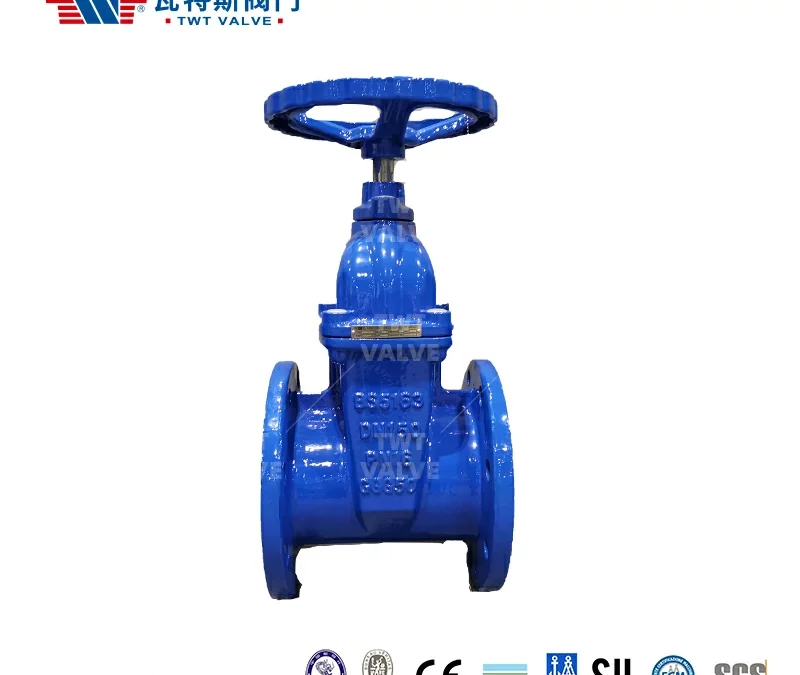
El Válvula de compuerta BS5163 PN16 Es una válvula de compuerta con asiento elástico que cumple con la norma británica BS5163.. Esta norma especifica los requisitos para las válvulas utilizadas en aplicaciones de abastecimiento de agua., asegurando que cumplan con estrictos estándares de calidad para el desempeño, fiabilidad, y seguridad. La designación PN16 se refiere a la presión nominal de la válvula., indicando su capacidad para soportar una presión máxima de 16 bar.
El Válvula de compuerta DIN3202F4 es una válvula de compuerta con asiento elástico que cumple con la norma industrial alemana DIN3202 parte 1, que especifica los requisitos para válvulas de compuerta con extremo bridado y con soldadura a tope. El “F4” La designación se refiere a las dimensiones cara a cara de la válvula y a la perforación., Garantizar la compatibilidad y la intercambiabilidad con otros componentes y sistemas..
Nov 30, 2023 | Noticias
El válvula de compuerta manual underground series represents a robust yet cost-effective solution for flow isolation and control in critical buried piping infrastructure. Careful consideration of standards compliant design, sellado confiable, and long-term maintenance needs delivers a versatile valve optimized for below grade service.
En este articulo, we will take a closer look at válvula de compuerta subterránea design with a focus on manual operation models. Understanding the engineering considerations that go into manual underground gate valves can provide valuable insights for specifying, installing and servicing these critical underground infrastructure components.
Compliance with Industry Standards
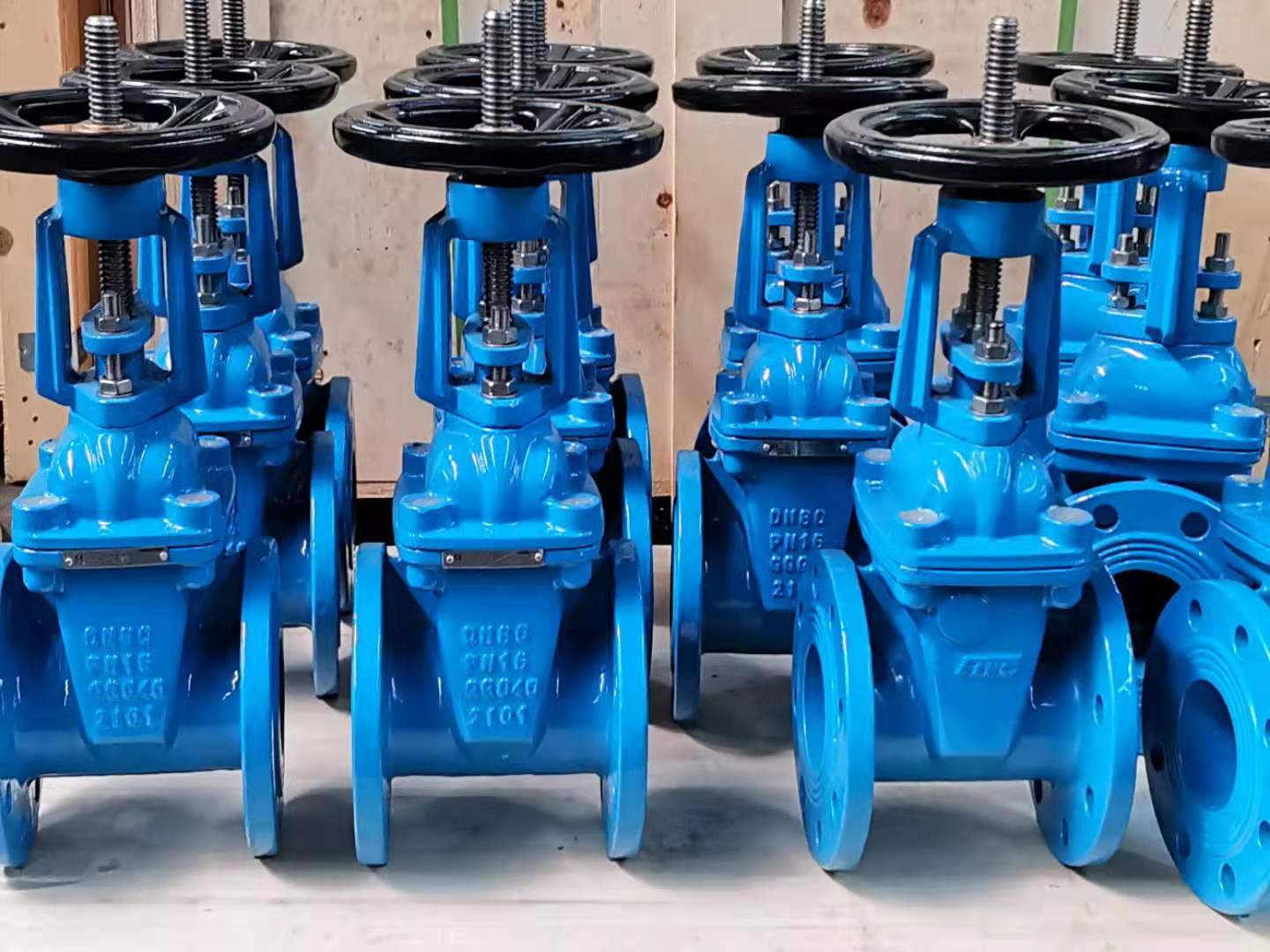
All underground válvula de compuerta bs5163 pn16 must be engineered and manufactured according to relevant industry standards to ensure safety, quality and interchangeability. In the UK, underground gate valves designed for potable water distribution networks up to PN16 pressure rating comply with BS5163:1992. This British Standard specifies technical requirements for the construction, testing and performance of buried sluice valves up to 1200mm in nominal diameter.
Key aspects covered in BS5163 include body and bonnet materials, joint types, operating mechanisms, pressure rating, flow direction indicators and extension stems for underground access. Manufacturers of BS5163 compliant underground gate valves use high strength ductile iron or fabricated steel to construct robust bodies capable of withstanding underground installation and the working pressures of water distribution systems.
Manual Operation Design
When it comes to manual underground gate valves, the operating mechanism is a critical design element that needs to provide reliable actuation from above ground level. Most modern manual underground gate valves utilize a buried valve bonnet with an adjustable valve box and operating stem arrangement.
The valve bonnet houses the gate, seat rings and stem connections below ground. It features a stem guide bushing and rising stem that translates the open/close movement directly from the gate. Extending up from the valve bonnet is the operating stem – a threaded shaft often constructed from bronze, stainless steel or galvanized steel materials.
The operating stem passes up through the center of a concentric valve box installed flush with the final grade. This precast concrete or polymer concrete valve box protects the operating components while providing accessible access. A adjustable extension stem sits atop the valve box and connects to the buried stem with a junction box. T-handled, palanca, or nut operated extensions allow manual operation from grade level.
Sealing Design
Reliable sealing is crucial to prevent leakage which could lead to contamination or erosion issues over the lifetime of an underground valve. BS5163 gate valves pn16 utilize resilient wedge sealing which provides drip-tight shutoff with minimal operating torque.
In resilient wedge sealed gate valves, an elastomer wedge mounted on the gate compresses against a dual segmented seat in the valve body. This forms a flexible seal as opposed to metal-to-metal sealing. The resilient wedge maintains sealing integrity in either flow direction and allows for easy replaceability if needed. O-ring stem seals within the valve bonnet further contain pressures and prevent underground contaminants from entering the operating mechanism.
Maintenance Considerations
With underground installation, maintenance access is an important design factor for gate valves. The manual operation arrangement enables valves to be cycled annually and lubricated as needed through the top opening of the adjustable valve box. Valve boxes should be level with final grade and not subject to heavy traffic loads to avoid damage.
Además, an air release/vacuum breaker attachment may be included on underground gate valves to release built-up pressure when isolating a section of water main during maintenance activities. This reduces mechanical stresses on the valve and piping system. Gate valves also require occasional external coating touch-ups to protect against corrosion if the factory applied coating becomes damaged over time.

