W wielkopowierzchniowej infrastrukturze wodociągowej, dystrybucja miejska, i przemysłowa transmisja płynów, wybór odpowiedniego sprzętu do kontroli przepływu ma kluczowe znaczenie dla zapewnienia pracy bez wycieków i długiej żywotności. Wśród różnych typów zaworów, the resilient seated butterfly valvehas become the preferred choice for water supply and wastewater systems due to its compact structure, excellent sealing performance, and cost efficiency.
Jednakże, with different seat materials, body configurations, and pressure ratings available, choosing the exact specification for your engineering project requires careful evaluation. Jako lider China industrial valve manufacturer, TWT Valveprovides this practical selection guide to help project contractors and municipal engineers make informed decisions.
Key Factors to Consider When Selecting Resilient Seated Butterfly Valves
1. Matching the Disc & Body Material to the Fluid Medium
The body and disc materials must withstand operational line pressure, structural stress, and potential fluid corrosion.
Materiał korpusu: Ciągliwy metal (GGG40 / GGG50) is the industry standard for waterworks projects due to its superior tensile strength and impact resistance compared to traditional gray cast iron.
Disc Material:Ductile iron discs with protective coatings (such as nylon-11 or epoxy) work well for clean water. For raw water, seawater, or mild chemicals, Stal nierdzewna (SS304/SS316) or aluminum bronze discs are recommended to prevent cavitation damage and surface oxidation.
2. Selecting the Right Elastomer Seat Seal
The resilience of the valve seat determines the bubble-tight shut-off performance. Choosing the right elastomer depends entirely on temperature and chemical exposure:
EPDM (Ethylene Propylene Diene Monomer):The most popular choice for potable water and municipal HVAC systems. It offers excellent resistance to ozone, weather, and water treatment chemicals across a temperature range of -20°C to +120°C.
NBR (Nitrile Rubber):Ideal for wastewater, industrial water containing minor oil traces, or gas pipelines where hydrocarbon resistance is required.
VITON (FKM):Best suited for high-temperature applications or aggressive industrial process fluids.
Engineering Tip:For drinking water applications, ensure the elastomer seat and internal epoxy coatings hold international health certifications such as WRAS or NSF.
Understanding Connection Types & System Integration
Depending on the pipeline layout, mounting requirements, and maintenance preferences, resilient seated butterfly valves are available in three primary end-connection designs:
Rodzaj połączenia
Structural Features
Primary Advantage in Waterworks
Wafer Type
Fits between two pipe flanges using through-bolts
Lightweight, compact, and lowest installation cost
Lug Type
Features threaded lugs aligned with flange bolt holes
Allows dead-end service and downstream pipe removal
Double Flanged
Standard flanged ends bolted directly to matching pipe flanges
Superior structural stability for large-diameter pipelines
Water transmission mains often experience pressure surges and flow velocity changes. When specifying your valve:
Ciśnienie robocze (PN Rating):Ensure the nominal pressure (typically PN10, PN16, or Class 150) covers both normal working pressure and potential transient pressure spikes.
Actuation Requirements:While smaller sizes (DN50–DN200) can be manually operated via hand levers or worm gearboxes, larger diameter valves in water distribution grids should be equipped with pneumatic or electric actuators for automated flow control.
Why Source Your Waterworks Valves from TWT Valve?
With over four decades of metallurgical mastery and precision manufacturing, TWT Valvedelivers field-proven flow control hardware to major municipal and industrial contractors worldwide.
Rigorous Testing:Every single valve undergoes 100% shell hydrostatic testing and seat tightness testing prior to factory dispatch.
Tailored Engineering:Through our OEM custom industrial valve solutions, we manufacture custom face-to-face dimensions, specialized coatings, and branded options tailored to your project blueprints.
Proven Heritage:Learn more about our manufacturing capabilities, advanced CNC machinery, and quality control systems on ourAbout TWT Valvepage.
Need Technical Assistance with Your Project Valve Schedule?
Whether you are designing a new municipal water treatment facility or upgrading a regional pipeline network, our sales engineering specialists are ready to review your specifications and supply complete technical datasheets and competitive factory-direct quotes.Contact TWT Valve today to discuss your project needs!
Jeśli chodzi o kontrolę przepływu płynów w różnych gałęziach przemysłu, wybór odpowiedniego typu zaworu ma kluczowe znaczenie. Wśród różnych dostępnych typów, Zawór półkulowy wyróżnia się unikalną konstrukcją i zaletami funkcjonalnymi. W tym artykule, we’ll explore howsemi-ball valvescompare to other valve types, their applications, and why they might be the ideal choice for your needs.
Understanding Semi-Ball Valves
Semi-ball valves, also known as eccentric hemisphere valves, are designed with a distinctive structure. They consist of a valve body, eccentric shaft, bonnet, hemisphere, bushing, and valve seat. The operation of a semi-ball valve involves rotating the eccentric shaft 90 stopni, aby otworzyć lub zamknąć zawór, effectively controlling the fluid flow. This design makes them highly efficient in managing flow, especially in challenging environments.
Comparison with Other Valve Types
1. Standard Ball Valves: Standard ball valves are popular for their simplicity and reliability. Jednakże, they often come in different types like single-body, split-body, three-piece body, welded, and top entry. They also vary in port design—standard port, full port, reducing port, and V-port. In contrast, semi-ball valves offer better control in applications involving two-phase media (liquid and solid).
2. Zawory motylkowe: Butterfly valves are lightweight and cost-effective but may not provide the same level of sealing performance as semi-ball valves. Semi-ball valves, with their eccentric design, ensure a tighter seal, which is crucial for applications involving slurry or mediums prone to crystallization.
3. Gate Valves: Gate valves are suitable for on-off control but are not ideal for throttling applications. Semi-ball valves excel in both on-off and throttling capabilities, making them more versatile.
4. Globe Valves: Globe valves provide good throttling control but can cause a significant pressure drop. Semi-ball valves, z drugiej strony, maintain a more consistent flow with minimal pressure loss.
Applications of Semi-Ball Valves
Semi-ball valves are incredibly versatile and find applications in various industries:
– Sewage Treatment: Their robust design makes them perfect for handling slurry and wastewater.
– Petroleum and Chemical: Semi-ball valves can manage aggressive chemicals and high-pressure environments effectively.
– Electric Power: They are used in power plants for their reliability and durability.
– Metallurgy: These valves can withstand high temperatures and abrasive materials common in metallurgical processes.
– Paper Making: The ability to handle pulp and other viscous fluids makes them ideal for the paper industry.
Why Choose Our Semi-Ball Valves?
As a leading company amongsemi-ball valves manufacturers, we pride ourselves on delivering high-quality products that meet the diverse needs of our clients. Here’s why you should consider our semi-ball valves:
– OEM Services: We offer custom manufacturing to meet your specific requirements.
– Wholesale Options: Our competitive pricing ensures you get the best value for your investment.
– Custom Solutions: We can design and manufacture valves according to your unique specifications.
– Expertise: With years of experience in the industry, we understand the nuances of valve manufacturing and application.
The semi-ball valve’s structure includes key components such as the valve body, eccentric shaft, bonnet, hemisphere, bushing, and valve seat. The eccentric design ensures that the valve can handle two-phase media efficiently, reducing wear and tear and extending the valve’s lifespan.
Enhanced Sealing Performance
The eccentric semi-ball valve provides superior sealing performance, which is critical in applications dealing with slurry, pulp, or media prone to crystallization. This makes it a preferred choice over traditional ball valves, especially in industries like petrochemical, gaz, i wytwarzanie energii.
Skontaktuj się z nami
Ready to enhance your fluid control systems with our premium semi-ball valves? Reach out to us for more information or to request a quote. Our team is here to help you find the perfect solution for your specific needs. Contact us today atfridaywang@twtvalve.com.
Podsumowując, semi-ball valves provide significant advantages over other valve types, especially in demanding industrial applications. Their unique design, superior sealing performance, and versatility make them an excellent choice for various industries. As one of the leadingvalve manufacturers, we are continuously innovating to enhance the quality and performance of these valves. By selecting our high-quality semi-ball valves, you can ensure reliable and efficient fluid control in your operations.
Are you curious about how to improve your piping system’s efficiency and durability? Zrozumienie roli demontażu połączeń w systemie rurociągów może być przełomem, którego potrzebujesz. W tym artykule zagłębimy się w zawiłości demontażu połączeń, ich typy, and why they are essential for any resilient piping system.
What is a Dismantling Joint?
A dismantling jointis a crucial component in piping systems designed to facilitate the assembly and disassembly of pipelines. It allows for easy maintenance, repair, and replacement of pipeline sections without causing disruptions. These joints provide axial expansion, enabling pipelines to cope with thermal expansion, vibrations, and misalignment.
Types of Dismantling Joints
Dismantling joints come in various forms, each tailored to specific applications and materials:
Flexible Threading Expansion Joints
Stainless Steel Flange Type Dismantling Joints
VSSJA Flange Adapters
Flexible Threading Expansion Joints
These joints are designed to accommodate axial and lateral movements, making them perfect for systems where flexibility is crucial. They ensure that pipelines remain intact despite the stresses caused by temperature changes and vibrations.
Stainless Steel Flange Type Dismantling Joints
Stainless steel flange type dismantling joints are known for their durability and resistance to corrosion. They connect pipelines with other devices through bolted flanges, offering a certain degree of displacement for easy installation and maintenance. These joints are especially beneficial for systems exposed to harsh environmental conditions.
VSSJA Flange Adapters
VSSJA flange adapters, also known as AF type pipe compensators, comply with the GB/T12,465-2007 standard. They consist of followers, flanges, sleeves, rubber seals, bolts, and nuts. One end is plug-in type, while the other end is flanged, making them versatile for different pipeline materials, including steel and plastic.
How Do Dismantling Joints Work?
Dismantling joints, also referred to as telescopic joints or compensators, facilitate axial expansion and contraction within a certain range. This ability helps overcome deviations caused by different axial joints of the pipeline, significantly simplifying installation. They also allow for the disassembly of valve pipelines and can stretch freely to accommodate large expansion and contraction, ensuring safe pipeline operation.
Key Components of VSSJA Flange Adapter
A VSSJA flange adapter, a type of dismantling joint, includes several essential components:
Follower: Ensures secure attachment to the pipeline.
Kołnierz: Provides a sturdy connection point.
Sleeve: Allows for axial movement.
Rubber Seal: Ensures a leak-proof connection.
Bolt and Nut: Secure the assembly.
These components work together to provide flexibility and strength to the pipeline, making them suitable for various applications.
Why Choose Our Dismantling Joints?
As a leading company amongdismantling joint manufacturers, we offer OEM services and wholesale options tailored to meet your specific needs. Our dismantling joints are designed for quality and cost-effectiveness, ensuring you get the best value for your investment. With years of experience and cooperation with overseas customers, our products are trusted globally.
Our dismantling joints not only improve the efficiency and safety of your piping system but also enhance the longevity of your infrastructure. By choosing our products, you benefit from:
High-Quality Materials: Our joints are made from top-grade materials, ensuring durability and reliability.
Personalizacja: We can manufacture dismantling joints according to your specifications.
Competitive Prices: We offer affordable dismantling joint prices without compromising on quality.
Contact Us for More Information
For detailed quotes or to learn more about our dismantling joint products, w tym dismantling joint prices, please contact us atfridaywang@twtvalve.com. Our team is ready to assist you with all your piping system needs.
Whether you require flexible threading expansion joints, stainless steel flange type dismantling joints, or VSSJA flange adapters, we have the right solutions for you. Let us help you enhance the efficiency and safety of your piping systems with our premium dismantling joints, designed to meet the highest standards in the industry. Explore our range of dismantling joints to find the perfect fit for your application and ensure seamless installation and maintenance of your piping infrastructure.
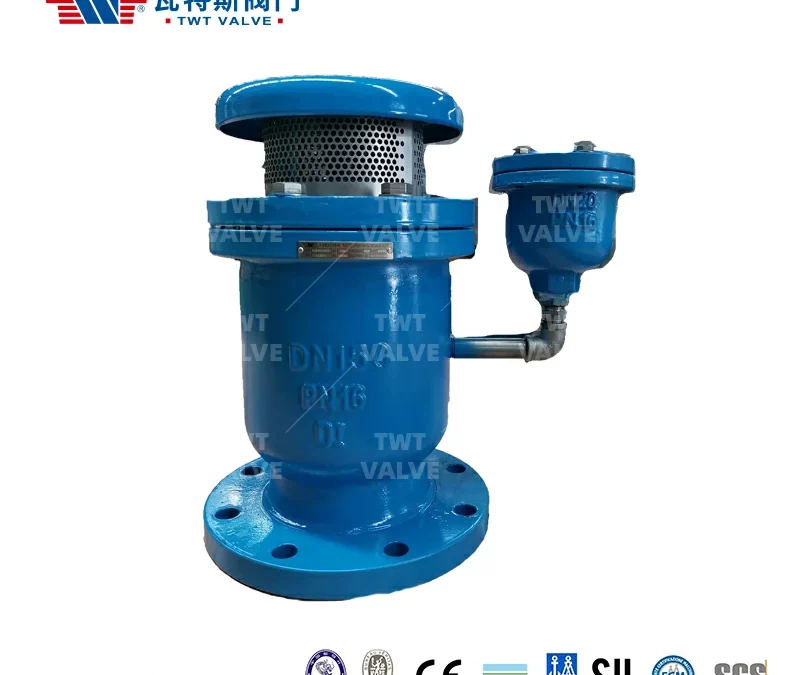
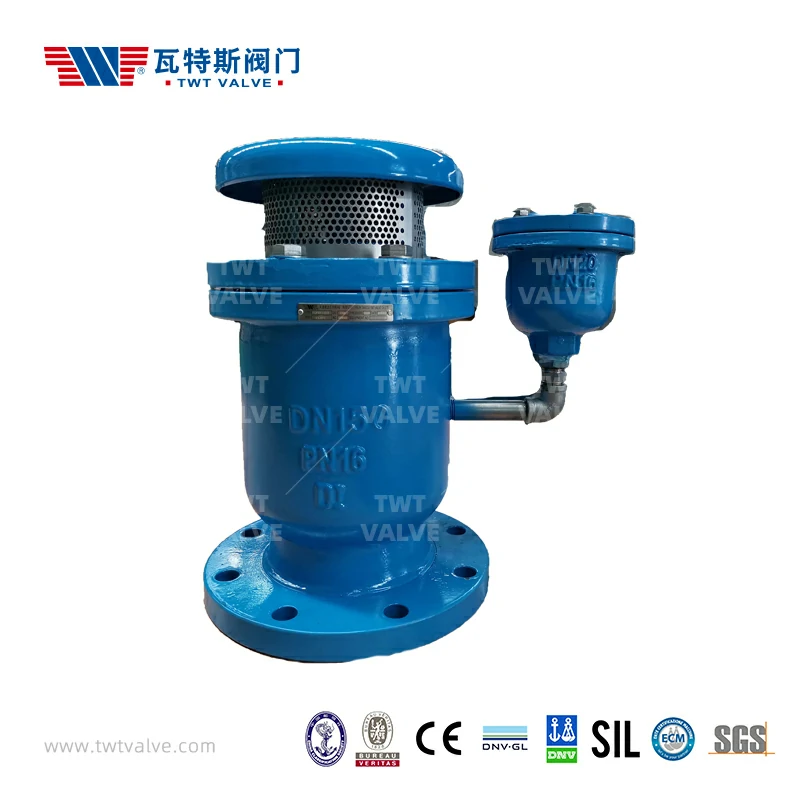
Zawory uwalniające powietrze (ARV) są krytycznymi elementami wielu systemów przemysłowych i domowych, zaprojektowany, aby utrzymać optymalną wydajność i zapobiegać uszkodzeniom poprzez usuwanie uwięzionego powietrza. Ale jak skutecznie te zawory spełniają swoją podstawową funkcję? This article dives deep into the world ofair release valves, examining their efficiency, applications, and benefits.
What is an Air Release Valve?
An Air Release Valve, often abbreviated as ARV, is a pressure-sensitive device that automatically releases trapped air from a tank or pipeline. This process is crucial for maintaining pressure and ensuring the smooth flow of liquids and gases. ARVs come in various types, with the most common being the butterfly valve, known for its efficiency in controlling flow rates in pipelines.
Applications of Air Release Valves
Air release valves are indispensable in a multitude of industries, each requiring precise control over air pressure. Here are some common applications:
Water Supply Systems: Cast iron air release valves ensure that water systems operate efficiently by preventing air blockages that could disrupt flow.
Gas Lines: In gas pipelines, these valves help maintain consistent pressure and flow, preventing potential hazards associated with trapped air.
Refrigeration Systems: ARVs in refrigeration systems enhance performance by eliminating air pockets that can affect cooling efficiency.
Industrial Processes: Various industrial applications rely on air release valves to manage air pressure and ensure safe, efficient operations.
Comparing Air Release Valves with Butterfly Valves
While both air release valves and butterfly valves play vital roles in fluid control systems, they serve different purposes:
Zawory uwalniające powietrze: Primarily designed to relieve excessive pressure and remove trapped air, ensuring the system operates smoothly and safely.
Zawory motylkowe: Used mainly for controlling the flow rate of liquids and gases, providing precise regulation within the pipeline.
Why Choose Our Air Release Valves?
As a leading manufacturer of air release valves in China, we pride ourselves on delivering high-quality products tailored to meet the diverse needs of our clients. Here’s why you should choose our air release valves:
Expertise and Quality: With years of experience in valve manufacturing, we ensure every product meets the highest standards of quality and performance.
Personalizacja: We offer OEM services and can customize valves according to your specific requirements, ensuring they fit perfectly into your system.
CompetitiveAir Release Valve Prices: Our pricing is competitive, ensuring you get the best value for your investment without compromising on quality.
Wholesale Options: For large-scale projects, we provide attractive wholesale options to meet your needs cost-effectively.
The Benefits of Using Our Air Release Valves
Enhanced Efficiency: By effectively removing trapped air, our valves enhance the overall efficiency of your system.
Bezpieczeństwo: Preventing air blockages reduces the risk of pressure-related accidents, ensuring a safer working environment.
Trwałość: Made from high-quality materials like cast iron, our valves are built to last, providing long-term reliability and performance.
Contact Us for Detailed Quotes and Prices
For detailed quotes or to learn more about our air release valves, feel free to contact us. Our team of experts is ready to assist you in finding the perfect valve solution for your needs. Whether you require customized designs or need assistance with choosing the right valve, we are here to help.
Air release valves are essential for maintaining the efficiency and safety of various systems by removing trapped air. Understanding their applications, korzyści, and the differences from other valve types, such as butterfly valves, helps in making informed decisions. Among manyvalve manufacturers, we stand out as a trusted source, offering high-quality, konfigurowalny, and affordably priced valves to meet your specific needs. For more information and to get a detailed quote, contact us today.
Enhance your system performance with our premium air vent valves. We are a trusted supplier and manufacturer, providing a comprehensive range ofair ventilation valvesfor various applications. Our valves are engineered with high-quality materials and advanced technology, ensuring optimal performance and extended service life. We offer a variety of options to suit your unique needs, from manual to automatic valves, w tym cast iron air valves. Dodatkowo, we providetriple offset butterfly valve wholesale priceoptions to meet diverse industry requirements. Our commitment to excellence extends to our customer service and technical support, ensuring your complete satisfaction.