kwiecień 2, 2024 | Aktualności
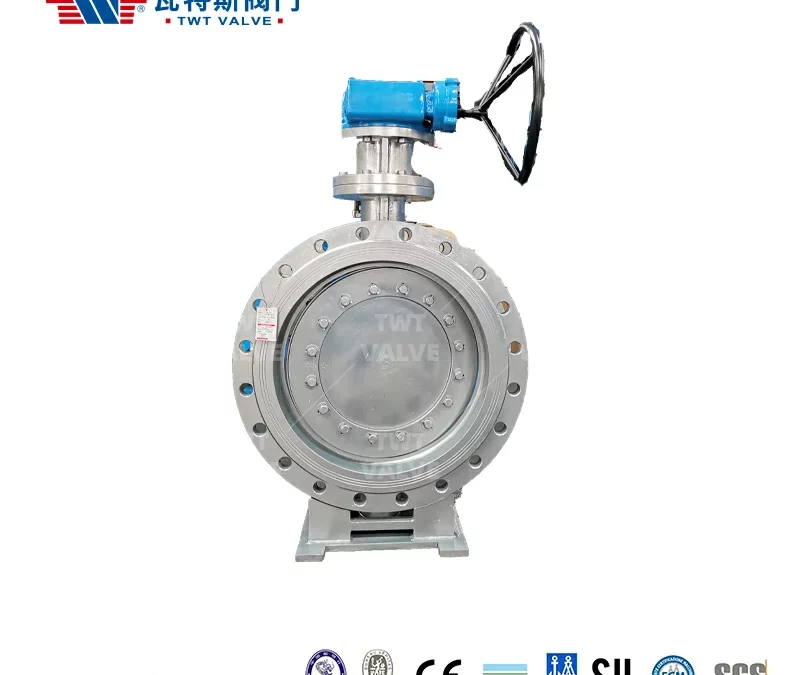
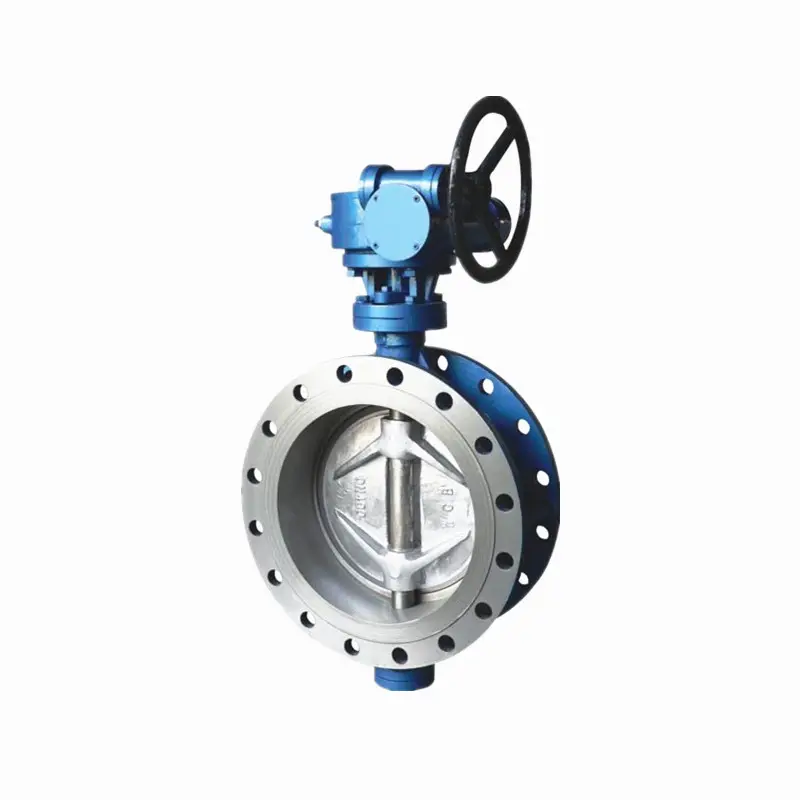
Zawór motylkowy z potrójnym przesunięciem, znany również jako potrójny mimośrodowy zawór motylkowy, to zaawansowany typ przepustnicy, który zawiera trzy różne przesunięcia, aby osiągnąć doskonałą skuteczność uszczelnienia. Rodzaje i zastosowania zaworów motylkowych z potrójnym przesunięciem (znane również jako potrójne zawory mimośrodowe):
Rodzaje zaworów motylkowych z potrójnym przesunięciem:
Zawór motylkowy z zerowym przesunięciem:
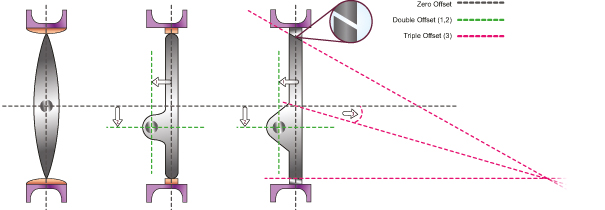
W tym konkretnym układzie, wał zaworu jest celowo odsunięty od środkowej osi gniazda zaworu. Tarcza lub płyta utrzymuje idealne wyrównanie z gniazdem, pozbawiony jakiejkolwiek ekscentryczności. Zawory motylkowe z zerowym przesunięciem znajdują szerokie zastosowanie w różnych sektorach przemysłu.
Zawór motylkowy z pojedynczym przesunięciem:
Tarcza jest umieszczona mimośrodowo w stosunku do gniazda zaworu. To przesunięcie pozwala na lepszą skuteczność uszczelnienia. Zawory motylkowe z pojedynczym przesunięciem są stosowane w kluczowych scenariuszach wymagających precyzyjnego zamknięcia.
Zawór motylkowy z podwójnym przesunięciem:
Oprócz przesunięć wału i tarczy, trzecie przesunięcie jest utworzone przez stożkową powierzchnię uszczelniającą. Zawory motylkowe z podwójnym przesunięciem doskonale wytrzymują warunki wysokiego ciśnienia i wysokiej temperatury. Oprócz przesunięć wału i tarczy, powierzchnia uszczelniająca jest stożkowa, tworząc trzecie przesunięcie. Zawory motylkowe z podwójnym przesunięciem nadają się do środowisk o wysokim ciśnieniu i wysokiej temperaturze. Oferują ulepszone możliwości uszczelniania w porównaniu do zaworów z pojedynczym przesunięciem.
Najbardziej zaawansowany typ w tej grupie, TOBV zawiera trzy różne offsety: Przesunięcie wału.
Przesunięcie powierzchni uszczelniającej. TOBV zapewnia doskonałe właściwości uszczelniające, nawet w ekstremalnych warunkach. Jest szeroko stosowany w krytycznych zastosowaniach, w których kluczowe znaczenie ma zerowy wyciek.
Zastosowania zaworów motylkowych z potrójnym przesunięciem:
- Przemysł chemiczny i przetwórstwo: TOBV są stosowane w zakładach chemicznych do precyzyjnej kontroli przepływu i izolacji.
- Odsolenie: Zawory te odgrywają kluczową rolę w zakładach odsalania, zapewnienie efektywnych procesów uzdatniania wody.
- Energia i wytwarzanie energii: TOBV są wykorzystywane w elektrowniach, w tym jądrowy, termiczny, i obiekty wykorzystujące energię odnawialną.
- Magazynowanie i transport LNG: Zawory motylkowe z potrójnym przesunięciem mają kluczowe znaczenie w przypadku skroplonego gazu ziemnego (LNG) systemy magazynowania i dystrybucji.
- Zastosowania morskie: Znajdują zastosowanie w przemyśle morskim do systemów pokładowych i platform morskich.
- Olej i gaz (Środkowy i dolny bieg): TOBV są niezbędne do kontrolowania przepływu w rurociągach, rafinerie, i zakłady petrochemiczne.
- Przemysł petrochemiczny: Zawory te obsługują agresywne chemikalia i wysokie ciśnienia.
- Przemysł celulozowo-papierniczy: TOBV wnoszą swój wkład
Mutrzymanie dla TZawory motylkowe z przesunięciem tętniącym:
Metody konserwacji zapewniające działanie potrójnego mimośrodowego zaworu motylkowego:
- Regularnie sprawdzaj szczelność zaworu, upewniając się, że powierzchnia pozostaje nienaruszona, aby zapobiec potencjalnym wyciekom.
- Zapewnienie zwrotności zaworu wymaga regularnego smarowania jego łożysk i uszczelek, poprawiając w ten sposób jego płynność działania.
- Rutynowe czyszczenie zarówno wewnętrznej, jak i zewnętrznej części zaworu jest niezbędne, aby zapobiec gromadzeniu się kurzu i zanieczyszczeń, co może zakłócić jego normalne funkcjonowanie.
Potrójny mimośrodowy zawór motylkowy znajduje szerokie zastosowanie w różnych zastosowaniach. Odgrywają kluczową rolę w zarządzaniu mediami płynnymi, zapewnienie stabilności i bezpieczeństwa systemu. Zatem nadanie priorytetu konserwacji potrójnych mimośrodowych zaworów motylkowych i niezwłoczne zajęcie się wszelkimi awariami to niezbędne kroki w kierunku zwiększenia wydajności produkcji i zapewnienia niezawodności sprzętu.

luty 1, 2024 | Aktualności
Przepustnica potrójnie przesunięta jest urządzeniem wszechstronnym i szeroko stosowanym w różnych gałęziach przemysłu, w tym chemiczne, petrochemiczny, i przetwórstwo farmaceutyczne. Jednakże, zrozumienie preferowanego kierunku przepływu tego zaworu ma kluczowe znaczenie dla prawidłowej obsługi i konserwacji. W tym artykule, zagłębimy się w szczegóły preferowanego kierunku przepływu przepustnicy z potrójnym przesunięciem.
Triple offset butterfly valves are widely used in various industries for their ability to control fluid flow and isolate systems. One of the key features of these valves is their ability to handle the bidirectional flow, but what is the preferred flow direction of a triple offset butterfly valve? W tym artykule, we will explore the preferred flow direction of these valves and why it matters.
Zawór motylkowy z potrójnym przesunięciem
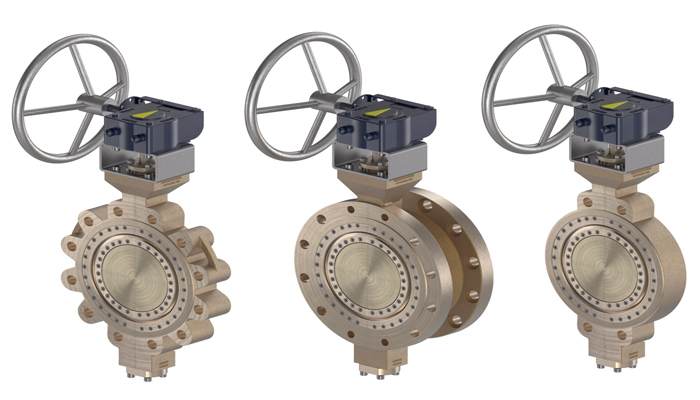
A triple offset butterfly valve is a type of valve that uses a disc-shaped valve plug to control fluid flow. The valve plug is positioned in a way that creates three offsets, allowing it to rotate 90 stopni, aby otworzyć lub zamknąć zawór. This design allows the valve to handle bidirectional flow, making it suitable for a wide range of applications.
Preferred Flow Direction
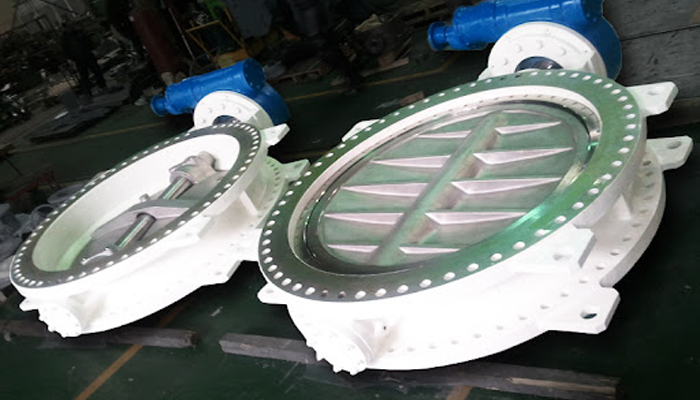
The preferred flow direction of a triple offset butterfly valve is determined by the design of the valve and the way it is installed. In general, the preferred flow direction is from the upstream side of the valve to the downstream side. This means that the valve should be installed with the inlet on the upstream side and the outlet on the downstream side.
There are several reasons why the preferred flow direction is important. Po pierwsze, it helps to prevent cavitation, which can occur when the fluid flow is restricted or reversed. Cavitation can cause damage to the valve and piping, and can also lead to reduced flow rates and increased noise levels. Po drugie, the preferred flow direction helps to ensure that the valve plug is properly aligned, which is important for smooth operation and to prevent damage to the valve.
Flow Direction and Valve Operation
The flow direction also affects the operation of the valve. Gdy zawór jest otwarty, the fluid flows from the upstream side to the downstream side, and the valve plug is rotated 90 degrees to allow the flow. When the valve is closed, the fluid flow is restricted, and the valve plug is rotated 90 degrees to block the flow.
In summary, the preferred flow direction of a triple offset butterfly valve is from the upstream side to the downstream side. This direction helps to prevent cavitation, ensures proper alignment of the valve plug, and affects the operation of the valve. By understanding the preferred flow direction, industries can install and operate these valves more effectively, ensuring smooth and efficient fluid flow control.
Factors Affecting the Preferred Flow Direction
Several factors can affect the preferred flow direction of a triple offset butterfly valve, including the size and shape of the valves, the orientation of the valves, and the pressure drop across the valves. Proper installation and alignment of the valves are crucial for ensuring proper flow direction and avoiding blockages or leaks.
Examples and Applications
Triple offset butterfly valves are widely used in various industries, including water treatment, obróbka chemiczna, oraz wydobycie ropy i gazu. They are often used in applications where high flow rates and low-pressure drops are required, such as in pipelines and pumping stations.
For example, in a water treatment plant, a triple offset butterfly valve can be used to control the flow of water through a treatment process. The valve can be installed in a horizontal position, with the inlet on the upstream side and the outlet on the downstream side. This allows the water to flow through the valve and into the treatment process, where it can be filtered and purified.
In another example, a triple offset butterfly valve can be used in a chemical processing plant to control the flow of chemicals through a reaction process. The valve can be installed in a vertical position, with the inlet on the upstream side and the outlet on the downstream side. This allows the chemicals to flow through the valve and into the reaction process, where they can be mixed and reacted.
Wniosek
Podsumowując, the preferred flow direction of a triple offset butterfly valve is an important consideration for industries that use these valves for fluid flow control. By understanding the reasons behind the preferred flow direction and how it affects the operation of the valve, industries can optimize their use of these valves and ensure smooth and efficient operation. Whether it’s for water treatment, obróbka chemiczna, or other applications, the triple offset butterfly valve is a versatile and reliable option for fluid flow control.
Oct 11, 2023 | Aktualności
Dive into the world of advanced flow control with triple offset butterfly valves. This article explores their unique design, applications, and benefits. From enhanced sealing capabilities to improved performance in critical industries, the triple offset butterfly valve offers unparalleled efficiency and reliability for fluid management systems.
Introduction:
In the realm of flow control technology, the Zawór motylkowy z potrójnym przesunięciem has emerged as a game-changer. This article aims to unravel the significance and advantages of this innovative valve, highlighting its role in diverse industries. From its revolutionary design to real-world applications, let’s explore how the butterfly valve is reshaping fluid control.
Unmatched Sealing Performance:
The triple offset butterfly valve features a sophisticated design that ensures tight sealing. Unlike conventional butterfly valves, its offset disc is designed to completely disengage from the seat during operation, reducing friction and wear. This design minimizes leakage, making it a preferred choice for applications that demand impeccable sealing, such as oil and gas pipelines.
Critical Industrial Applications:
Industries with demanding requirements benefit greatly from the butterfly valve. Its ability to handle high temperatures and pressures, as well as corrosive fluids, makes it indispensable in the petrochemical sector. It also finds its place in power plants, where precise flow control of steam and gases is essential for safe and efficient operations.
Enhanced Performance in Oil and Gas:
W przemyśle naftowym i gazowym, the triple offset butterfly valve excels in high-pressure applications. Its ability to modulate flow rates with precision, even in harsh environments, ensures uninterrupted operations. Whether controlling the flow of crude oil or natural gas, this valve minimizes loss and enhances overall efficiency.
Benefits of Offset Design:
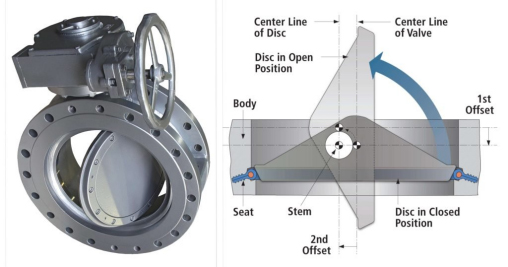
The “triple offset” refers to the three levels of offset in the valve’s design, creating a unique rotation path. This geometry enables the valve to achieve a bubble-tight seal and minimal friction, resulting in extended service life and reduced maintenance needs. Its quick response time to control signals enhances system reliability.
Aerospace and Defense Applications:
In aerospace and defense, where precision is paramount, the butterfly valve finds a niche. It regulates the flow of fuel, coolants, and hydraulic fluids in aircraft and military vehicles. Its ability to withstand extreme conditions and maintain precise control contributes to the safety and efficiency of these systems.
Real-world Example:
Imagine a refinery processing highly volatile chemicals. The butterfly valve’s sealing prowess ensures that hazardous substances are contained without compromising operational efficiency. This level of control safeguards workers, the environment, and the facility’s integrity.
Wniosek:
The triple offset butterfly valve’s unique design, unmatched sealing performance, and adaptability across industries underscore its significance. From critical oil and gas applications to aerospace precision, this valve delivers enhanced efficiency, niezawodność, i bezpieczeństwo. As technology advances, the butterfly valve continues to redefine fluid control standards, making it a vital component in the modern world of engineering.

