czerwiec 20, 2023 | Aktualności
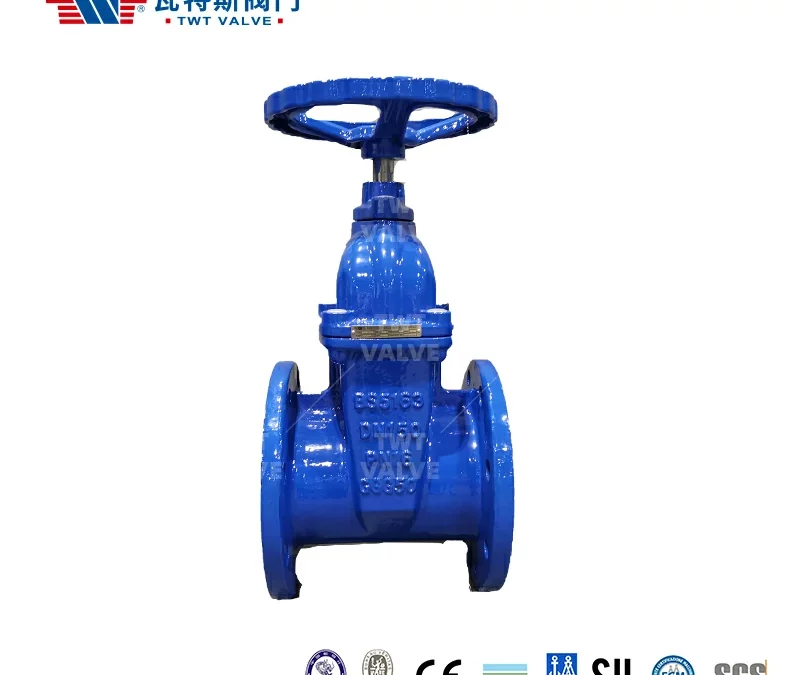
In fluid control systems, the selection of reliable and efficient valves is crucial. This article explores the benefits and applications of three key valve types: Resilient Seated Gate Valve, BS5163 Resilient Seated Gate Valve, and Non-Rising Stem Resilient Seated Gate Valve. These valves offer unique features and advantages that make them suitable for various industrial applications.
Resilient Seated Gate Valves are widely used in industries where a tight shut-off is required.
These valves offer the following advantages:
• Excellent sealing performance: The resilient seat of these valves provides a tight seal, preventing leakage and ensuring reliable operation.
• Low operating torque: Resilient Seated Gate Valves require minimal torque to operate, resulting in reduced wear and tear and extended valve life.
• Versatility: These valves can handle a wide range of fluids, including water, ścieki, and various chemicals, making them suitable for diverse industrial applications.

The BS5163 Resilient Seated Gate Valve is a variant of the resilient seated gate valve that complies with British standards.
It offers the following advantages:
• Robust construction: The BS5163 Resilient Seated Gate Valve is designed to withstand high-pressure and high-temperature applications, ensuring reliable performance in demanding environments.
• Easy installation and maintenance: These valves feature a non-rising stem design, allowing for easy installation and maintenance in limited space conditions.
• Long service life: The materials used in BS5163 Resilient Seated Gate Valves are highly durable, providing an extended service life and reducing the need for frequent replacements.
Non-Rising Stem Resilient Seated Gate Valves are specifically designed for applications where space is limited.
They offer the following advantages:
• Compact design: The non-rising stem design of these valves allows for installation in confined spaces, making them suitable for applications with limited headroom.
• Cost-effectiveness: Non-Rising Stem Resilient Seated Gate Valves are relatively inexpensive compared to other valve types, providing a cost-effective solution for various industrial applications.
• Easy operation: These valves can be operated with minimal effort, ensuring efficient and hassle-free control of fluid flow.
The utilization of Resilient Seated Gate Valve, BS5163 Resilient Seated Gate Valve, and Non-Rising Stem Resilient Seated Gate Valve offers numerous advantages in terms of sealing performance, trwałość, wszechstronność, i opłacalność. These valves play a crucial role in fluid control systems across various industries, ensuring reliable and efficient operation. By understanding the unique features and benefits of each valve type, industries can make informed decisions when selecting the most suitable valve for their specific applications.
czerwiec 19, 2023 | Aktualności
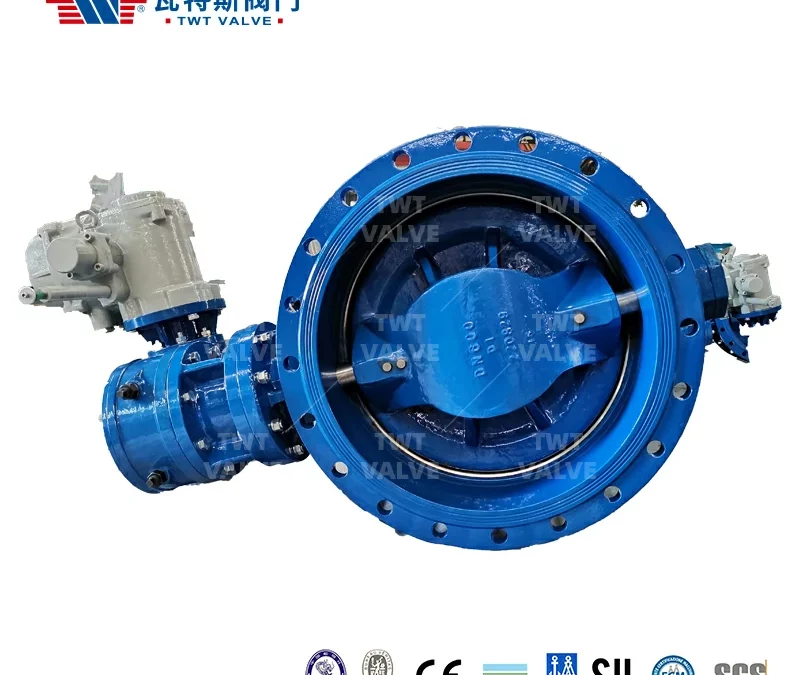
In the field of fluid control, the utilization of efficient and reliable valves is crucial. This article aims to explore the benefits and applications of three key valve types: U Type Butterfly Valve, Double Offset High Performance Butterfly Valve, and Ductile Iron Double Eccentric Butterfly Valve. These valves offer unique features and advantages that make them suitable for various industrial applications.
The U Type Butterfly Valve is a versatile valve that finds extensive use in various industries.
Its design incorporates a disc that rotates on a shaft to control the flow of fluids.
The key advantages of this valve include:
• Cost-effectiveness: U Type Butterfly Valves are relatively inexpensive compared to other valve types, making them an economical choice for many applications.
• Easy installation and maintenance: The simple design of U Type Butterfly Valves allows for easy installation and maintenance, reducing downtime and operational costs.
• Efficient flow control: The streamlined disc design of U Type Butterfly Valves ensures minimal pressure drop and efficient flow control, making them suitable for high-flow applications.

The Double Offset High Performance Butterfly Valve is specifically designed to handle demanding applications that require tight shut-off and precise control.
Its unique features include:
• Bubble-tight shut-off: The double offset design of this valve ensures a tight seal, preventing leakage and minimizing the risk of product contamination.
• High-performance capabilities: Double Offset High Performance Butterfly Valves can handle high-pressure and high-temperature applications, making them suitable for industries such as oil and gas, chemiczny, i wytwarzanie energii.
• Low torque operation: These valves require less torque to operate, resulting in reduced wear and tear and extended valve life.
Ductile Iron Double Eccentric Butterfly Valve: The Ductile Iron Double Eccentric Butterfly Valve is known for its durability and reliability. It offers the following advantages:
• Corrosion resistance: The ductile iron construction of this valve provides excellent resistance to corrosion, making it suitable for applications involving corrosive fluids.
• Extended service life: The robust design and materials used in Ductile Iron Double Eccentric Butterfly Valves ensure a long service life, reducing the need for frequent replacements.
• Versatility: These valves can handle a wide range of fluids, including water, gaz, and various chemicals, making them suitable for diverse industrial applications.
The utilization of U Type Butterfly Valve, Double Offset High Performance Butterfly Valve, and Ductile Iron Double Eccentric Butterfly Valve offers numerous advantages in terms of cost-effectiveness, efficiency, trwałość, and versatility. These valves play a crucial role in fluid control systems across various industries, ensuring reliable and efficient operation. By understanding the unique features and benefits of each valve type, industries can make informed decisions when selecting the most suitable valve for their specific applications.

czerwiec 16, 2023 | Aktualności
Check valves are one-way flow control valves that allow fluid to flow in only one direction while preventing reverse flow. There are various types of check valves based on their design and construction.
Single Disc Wafer Check Valve
Wafer check valves feature a circular disc design that acts as a one-way flap or door. When flow moves in the allowed direction, the disc lifts off its seat and fluid flows through. In the reverse direction, the disc closes against the seat to prevent backflow.
Single disc wafer check valves are compact in design with the valve body and disc forming a single integrated “wafer” that fits between two adjacent flanges. They have no centerline bore or shell as typical check valves.
Single disc wafer check valve is as used where space is restricted, installation cost needs to be minimized and straight-through flow is required. They are commonly used in the chemical process, power and oil & gas industries.
Dual Plates Check Valve

Dual plates check valves feature two flexible circular plates instead of a single disc. The plates are spring loaded and act independently to provide a bubble-tight seal against reverse flow.
When flow moves in the allowed direction, the plates lift off their seat. In the reverse direction, the spring action causes the plates to deform and seal tightly against the seat.
Dual plates check valves offer advantages like higher pressure rating, reduced slamming effects, minimized friction and longer service life compared to single disc check valves. They provide a more reliable seal for liquids and gases.
Dual plates check valve is often as used in critical applications like boiler feedwater, compressed air, pipeline surge protection etc. where reliable reverse flow prevention is essential.
Flange Double Door Check Valve
Double door check valves feature two semi-circular flexible flap doors instead of a single disc or plates. When flow moves in the allowed direction, the doors move apart to form an opening. In the reverse direction, the doors close against each other to provide a seal.
Flange double door check valve has flanged ends which allow for easy installation between flanges. They are typically built with a cast iron, cast steel or stainless steel body depending on requirements.
Double door check valves provide benefits like minimal energy loss, low opening and closing shock, bubble-tight sealing and low friction even at high operating pressures.
They are suitable for a wide range of applications like water and wastewater systems, power plants, olej & gas pipelines etc. where reliable prevention of reverse flow is critical.

czerwiec 15, 2023 | Aktualności
BS5163 is a British Standard that specifies requirements for metal seated or resilient seated gate, globe and check valves. BS5163 gate valves are manufactured as per defined material grades, pressure ratings and end connections.
BS5163 resilient seated gate valve
Resilient seated gate valves conforming to BS5163 are specifically designed to achieve a bubble-tight shut off with fluids containing solids in suspension. They feature a resilient seal ring made of polymer that provides flexibility and excellent sealing.
BS5163 resilient seated gate valves are available in pressure ratings from PN10 to PN25, covering nominal pipe sizes from DN15mm to DN1200mm. The valve body and bonnet are made of ductile iron, cast steel, spheroidal graphite iron or stainless steel.
These valves are mainly used for applications with dirty fluids containing solids in suspension such as sewage, turbid water, slurries etc. They provide easy opening-closing, long service life and quick maintenance.
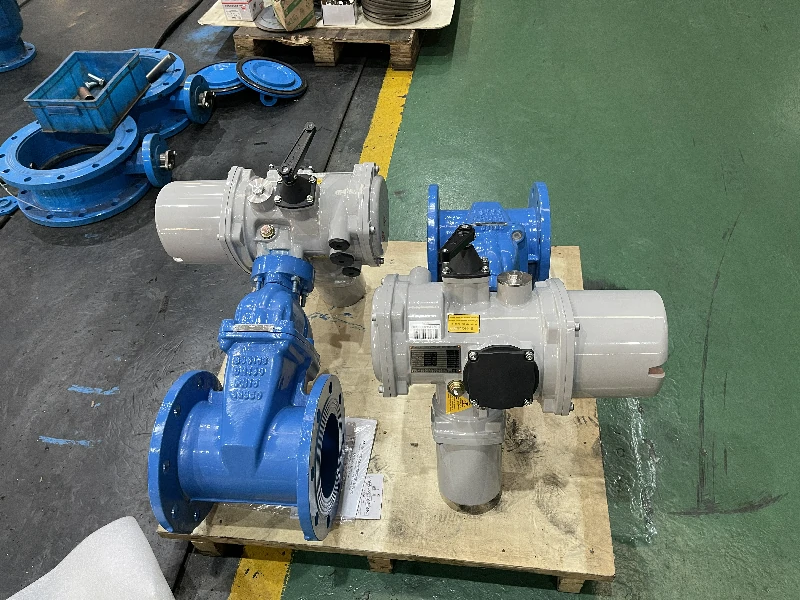
PN16 is one of the common pressure ratings of BS5163 gate valves. PN16 pressure rating (16 bar) means the valves are designed to withstand a maximum working pressure of 16 bar.
PN16 BS5163 gate valves are typically used for low to medium pressure applications in the water and wastewater industry. They feature different end connections like flanged, threaded or welded ends in nominal sizes from DN15 to DN1200 as per the standard.
The valve bodies are made of materials like ductile iron, cast steel or stainless steel based on corrosion resistance requirements. These valves provide bubble-tight shut off with dirty fluids while complying with BS specifications.
Large size gate valves with nominal pipe sizes above DN300mm up to DN1200mm are required for handling higher flow rates in large pipelines.
Big size BS5163 compliant gate valves are suitable for various applications like water treatment plants, pumping stations, power plants etc. Their resilient lining enables handling of dirty fluids without affecting valve performance.
Materials Used For Large Gate Valve Bodies
Materials used for large gate valve bodies include cast steel, spheroidal graphite iron or stainless steel for strength and durability. Flanged or welded end connections are common. Additional features like lower stem friction, anti-static designs etc. are often provided for reliable performance in critical applications.
czerwiec 14, 2023 | Aktualności
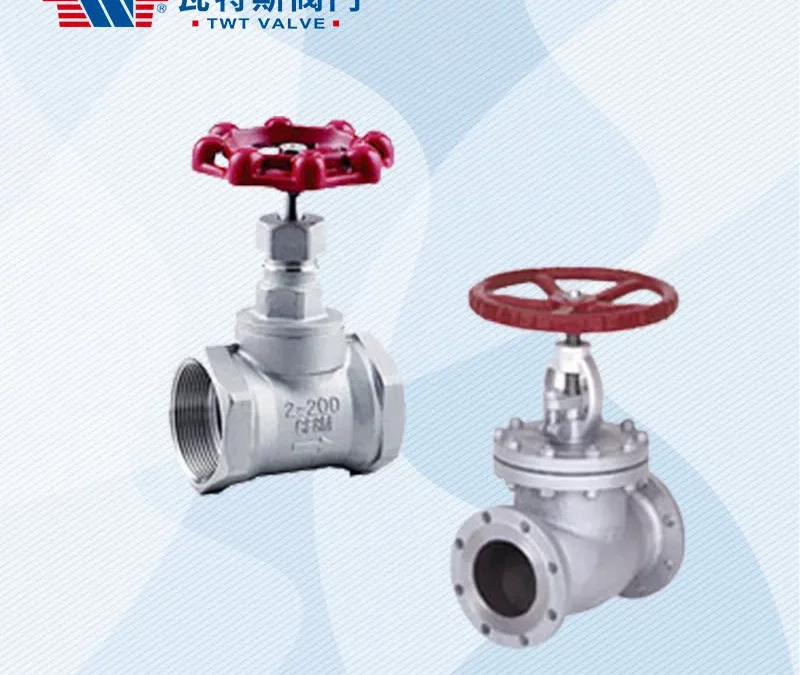
Gate valves are linear motion valves used for isolating or regulating fluid flow in pipes. There are two main types of gate valves based on their configuration and use – manual gate valves and underground gate valves.
1. Manual Gate Valve
A manual gate valve has an operating mechanism or gear that allows manual operation with a handwheel or lever. This enables an operator to open and close the valve by rotating the handwheel or moving the lever.
China Manual gate valves are used for isolating or regulating flow in process lines where easy manual access is available. They are also used as local shut-off valves at equipment connections.
Manual gate valves are generally available in nominal sizes from 1 to 48 inches. They are made from materials like cast iron, brass, bronze and stainless steel based on the application requirements. Boltless bonnet designs are commonly used for easier maintenance.

The main advantages of manual gate valves
The main advantages of manual gate valves are their simple design, low cost and easy operation. Jednakże, they require manual intervention to operate and cannot be controlled remotely.
2. Zasuwa podziemna
An underground gate valve is specifically designed to be installed below grade or underground, often inside a valve box or vault. The operating mechanism of an underground gate valve is extended with a valve key or stem to allow access from above ground level.
Underground gate valves are used for isolating or regulating flow in underground pipelines that carry water, wastewater, gas or other fluids. They enable access and operation even after the pipeline is buried.
These valves are made from corrosion resistant materials like cast iron, ciągliwy metal, stainless steel or composite. 2 inch to 24 inch nominal sizes are commonly available. Special encapsulated or lubricated stem designs are used to prevent ingress of soil and moisture.
The key benefits of underground gate valves
The key benefits of underground gate valves are their ability to be installed and operated below ground. Jednakże, they require a valve box or vault for operation and access, which increases installation cost.



