Sep 7, 2023 | Aktualności
Check valves play a critical role in industrial fluid transfer and processing applications, allowing flow in one direction while preventing backflow. Different check valve designs excel in particular usage scenarios, pipe sizes, and operating conditions. Understanding key check valve types like axial flow, wafer dual plate, and dual disc enables proper selection for optimal protection and performance.
Axial Flow Check Valves
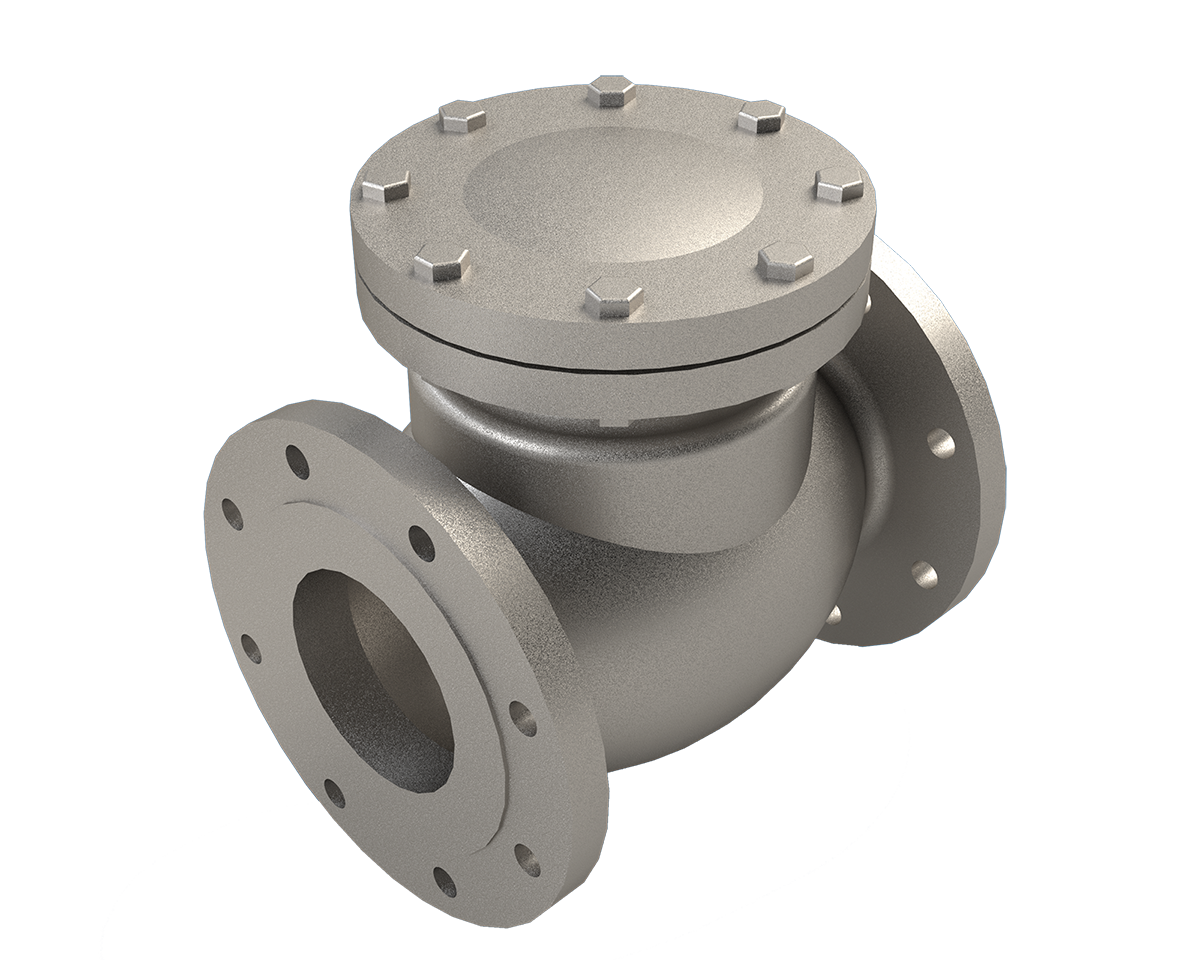
Axial flow check valves regulate flow along the axis of the pipe rather than perpendicular like swing checks. Axial checks feature:
- Streamlined body shape induces smooth, efficient flow.
- Reverse flow pushes poppet onto seat to close valve.
- Minimal pressure drop compared to swing checks.
- Handle higher pressure applications.
- Compact design good for confined spaces.
The linear flow pattern and gentle closing of axial checks make them well-suited for handling slurries, contaminated media, and high velocity flows with reduced water hammer.
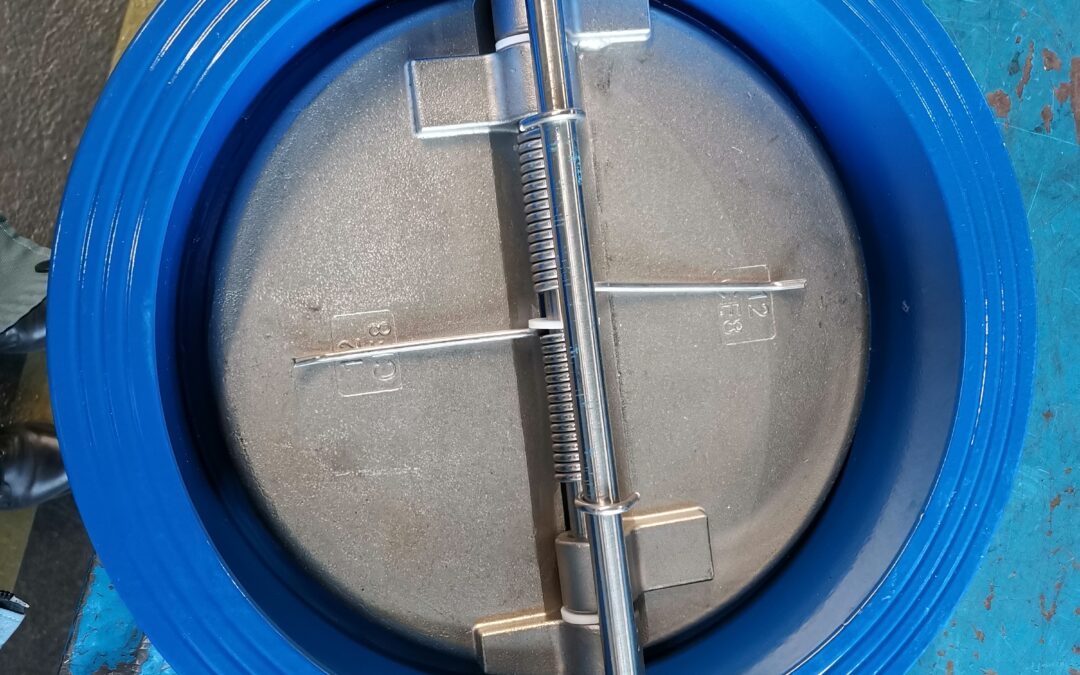
Wafer check valves offer a compact, maintenance-friendly design:
- Sandwiched between pipe flanges vs. threaded construction.
- Dual plates block reverse flow rather than a swinging disc.
- Plates form tight seal with minimal backflow.
- No body cavity reduces fouling and clogging.
- Easy in-line access for inspection and cleaning.
Wafer dual plate checks excel in applications like wastewater, obróbka chemiczna, food production, and mining that experience fouling buildup. Their removable design simplifies maintenance.
Dual Disc Check Valves
Featuring two spring-loaded discs, dual disc check valves provide:
- Tight shutoff with two sealing points.
- Renewable seat and discs reduce wear.
- Low pressure loss from smooth contours.
- Ability to inspect and replace internal components.
- Installation between pipe flanges.
Dual disc checks suit high cycle and critical applications where minimal backflow is essential. The dual sealing points also enable higher working pressures.
Understanding attributes like flow patterns, shutdown style, maintainability, and pressure handling for check valve types allows proper selection for the operating conditions and flow hazards. Consult manufacturers to match the ideal check valve design to your specific piping application requirements.
Sep 6, 2023 | Aktualności
Gate valves are essential components in various industries, ensuring efficient control of fluid flow. In this comprehensive blog post, we will delve into two critical types of gate valves: underground gate valves and manual gate valves with a non-rising stem. We will explore the significance of these valves, their features, and the contribution of Chinese manufacturers in producing high-quality and reliable solutions. Join us as we uncover the efficiency and reliability of China’s underground gate valves and manual gate valves with a non-rising stem.

I. Underground Gate Valves: Ensuring Fluid Control in Challenging Environments
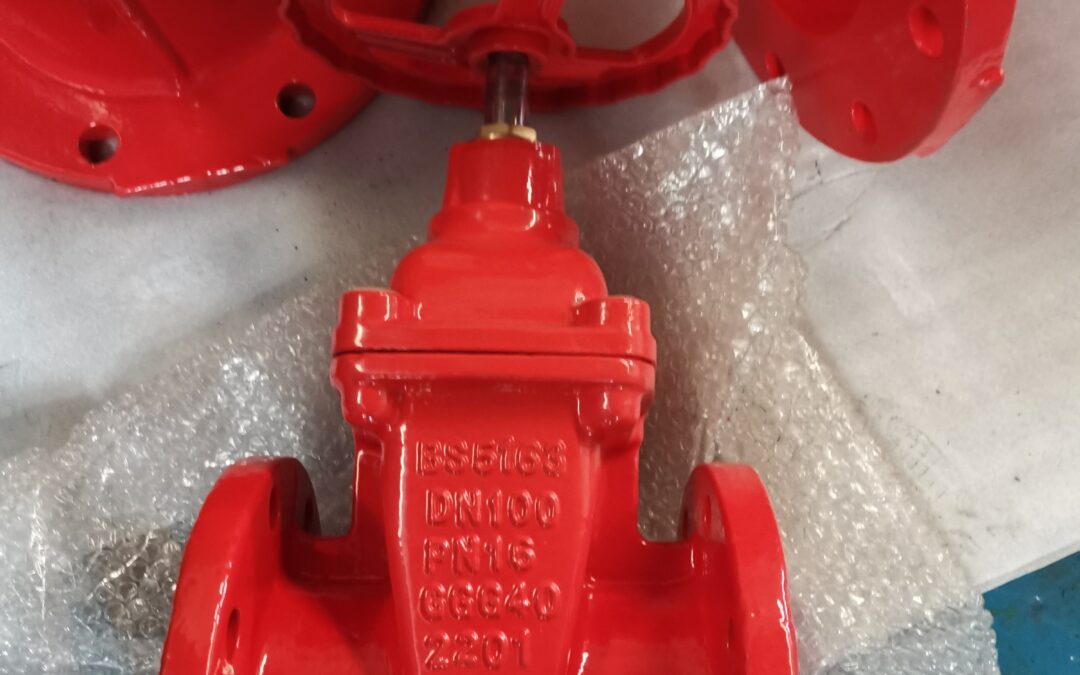
Understanding Underground Gate Valves: Underground gate valves are designed for installation in underground pipelines, providing a reliable and efficient solution for fluid control. These valves are specifically engineered to withstand the challenges posed by buried and submerged conditions.
Features and Benefits: China’s underground gate valves offer a range of features that make them suitable for demanding environments. These include corrosion resistance, robust construction, leak-proof sealing, and easy operation. The benefits extend to efficient fluid control, minimalne wymagania konserwacyjne, and prolonged service life.
Applications: Underground gate valves find applications in various industries, including water supply and distribution, wastewater management, systemy nawadniania, and oil and gas pipelines. Their ability to regulate fluid flow effectively in buried pipelines makes them indispensable in these critical sectors.
II. Manual Gate Valves with Non-Rising Stem: Combining Simplicity and Reliability
Overview of Manual Gate Valves: Manual gate valves are widely used in industrial settings for controlling fluid flow. These Zawór zasuwowy z trzpieniem niewznoszącym, chiński feature a non-rising stem, which means the stem does not move vertically when the valve is operated. This design offers several advantages, including space-saving benefits and ease of operation.
Features and Benefits: China’s manual gate valves with a non-rising stem provide several key features that enhance their functionality. These include a compact design, niezawodne uszczelnienie, low operating torque, and resistance to wear and tear. The benefits range from simplified installation and maintenance to improved efficiency in fluid control.
Applications: Manual gate valves with a non-rising stem are commonly employed in industries such as oil and gas, petrochemicals, water treatment, i systemy HVAC. Their versatility and reliability make them suitable for both high-pressure and low-pressure applications, ensuring optimal fluid control in various operating conditions.
III. Chinese Manufacturers and Quality Assurance
State-of-the-Art Manufacturing: Chinese manufacturers specializing in underground gate valves and manual gate valves with a non-rising stem are equipped with modern production facilities. These facilities adhere to stringent quality control measures and international standards to ensure the production of high-quality, reliable valves.
Focus on Quality Assurance: Chinese manufacturers prioritize quality assurance throughout the manufacturing process. This includes rigorous testing and inspection procedures to guarantee that the valves meet or exceed industry standards. The commitment to quality assurance has contributed to China’s reputation as a trusted source of gate valves.
Compliance and Certifications: Chinese manufacturers adhere to industry regulations and certifications, takie jak ISO 9001, API, i CE, to ensure the reliability and performance of their products. Compliance with these standards reinforces the confidence of customers in the quality and integrity of the valves.
IV. Future Trends and Advancements
Technological Advancements: Chinese manufacturers are continually investing in research and development to enhance the performance and functionality of gate valves. Technological advancements, such as improved materials, enhanced sealing mechanisms, and smart valve solutions, are expected to shape the future of these valves.
Sustainability and Environmental Considerations: As environmental concerns gain prominence, Chinese manufacturers are focusing on developing eco-friendly gate valves. This includes the use of sustainable materials, energy-efficient manufacturing processes, and the adoption of environmentally friendly practices.
Digitalization and Smart Solutions: The integration of digital technologies and smart solutions is a growing trend in the valve industry. Chinese manufacturers are exploring innovations such as remote monitoring, predictive maintenance, and automated control systems to optimize the efficiency and reliability of gate valves.

Sep 6, 2023 | Aktualności
Whether regulating flow or achieving on/off operation, butterfly valves play a vital role in fluid handling systems across industries. Jednakże, not all butterfly valves are alike – their designs vary to suit diverse applications and media. Let’s explore some common butterfly valve types.

Soft Sealing Butterfly Valves
For gentle shut-off of liquids and gases, soft sealing butterfly valves feature a resilient disc edge seal contacting the valve body. This “bubble-tight” sealing permits precise throttling or gradual closure. Fabric, EPDM, FKM, PTFE and other elastomer materials conform well without damaging sealing surfaces even after frequent use. Suitable for clean services, soft seating extends component life in demanding services.
Cast Iron Butterfly Valves
Ductile or grey cast iron construction provides durability and tight shut-off for corrosive or abrasive slurries and fluids containing solids. Thick castings and rugged sealing withstand interior and exterior corrosion while handling pressure and temperature fluctuations. Reinforced discs add strength for high-velocity or high-pressure services prone to erosion. kołnierzowe, wafer, or lug ends couple cast iron butterfly valves into almost any piping system.
Eccentric Butterfly Valves
Rather than the standard concentric disc, eccentric butterfly valves feature an off-center disc enabling modulation from a quarter-open position onward. This prevents throttling that can induce turbulence and is ideal for modulated flow control of liquids in open channel hydraulics. The non-concentric sealing path eases operation for viscous or sticky media that may adhere to concentric discs.
Additional Features
Manually operated valves actuate via lever, gear or electric motor, while pneumatic or hydraulic actuators automate remote applications. Integral indicating handles display internal disc position at a glance. Fugitive emissions seals on gas service versions protect the environment. Opłatek, lug and flanged ends suit varied installation needs.
By comprehending such variants, engineers can specify the optimally suited butterfly valve design factoring inherent component capabilities against application parameters like temperature, ciśnienie, media properties and required flow characteristics. This matching helps deliver maximum performance reliability for divergent fluid handling duties.
Podsumowując, the versatility inherent to different butterfly valve types from soft seating to cast iron to eccentric designs provides solutions for a spectrum of industries and fluid services worldwide. Proper selection streamlines projects by resolving specified operational needs.
Sep 1, 2023 | Aktualności
Check valves are critical components in piping systems, ensuring the one-way flow of fluids and preventing backflow. They play a vital role in maintaining the efficiency and safety of various industries. In this blog post, we will delve into the world of check valves, focusing on three popular types: the kołnierzowy zawór zwrotny z podwójnymi drzwiami, China lift check valve, and disc check valve. We will explore the features, applications, and benefits of each valve, providing valuable insights to help you make informed decisions for your specific requirements.

Flange Double Door Check Valve: Features and Applications
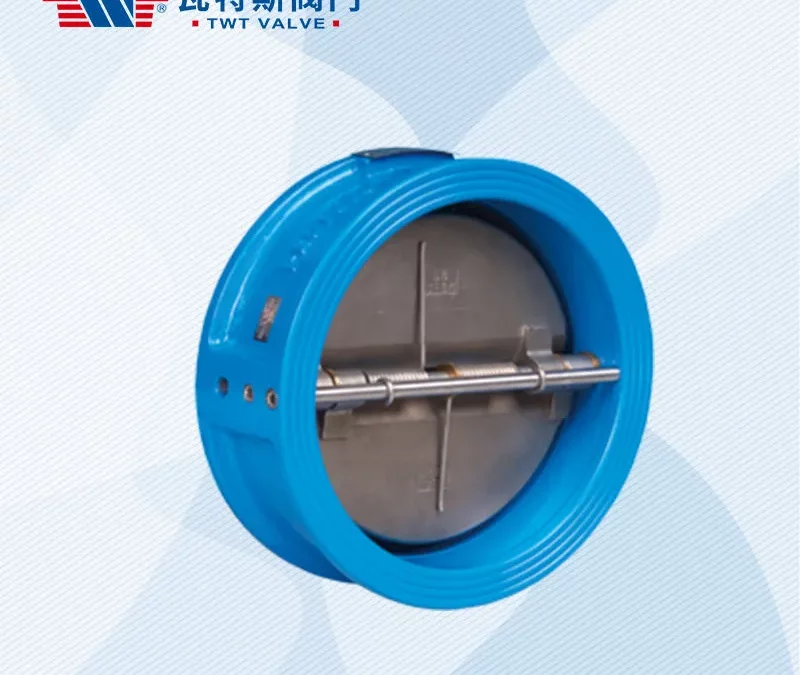
The flange double door check valve, also known as the dual plate check valve, is a versatile valve designed with two semicircular plates that swing open and close on hinges. This design allows for efficient flow control and minimizes pressure loss.
Key Features:
Kompaktowa konstrukcja: The flange double door check valve has a compact structure that saves space in piping systems.
Quick Closure: The swinging plates of the valve ensure rapid closure, preventing backflow and protecting downstream equipment.
Trwałość: These valves are typically constructed from high-quality materials, such as stainless steel or carbon steel, ensuring long-term durability and resistance to corrosion.
Applications:
Oil and Gas Industry: Flange double door check valves are widely used in oil and gas pipelines to prevent reverse flow and protect pumps, compressors, and other equipment.
Water Treatment: These valves are suitable for water supply systems, wastewater treatment plants, i systemy nawadniające, where they maintain the flow direction and prevent contamination.
HVAC Systems: Flange double door check valves play a crucial role in heating, ventilation, and air conditioning (HVAC) systems, ensuring proper fluid circulation and preventing system damage.
China Lift Check Valve: Features and Applications
The China lift check valve, also known as the piston check valve, is a reliable and cost-effective option widely manufactured in China. It is designed with a disc that moves vertically along a guide post to control the flow direction.
Key Features:
Simple Design: The China lift check valve has a straightforward design, making it easy to install and maintain.
Low Pressure Drop: These valves offer low resistance to flow, reducing pressure loss and optimizing system performance.
Wszechstronność: China lift check valves are available in various materials, rozmiary, and pressure ratings, making them suitable for a wide range of applications.
Applications:
Przemysł petrochemiczny: China lift check valves are commonly used in petrochemical plants to prevent backflow and protect sensitive equipment.
Water Distribution Systems: These valves are suitable for municipal water supply networks, ensuring continuous flow and preventing water hammer effects.
Industrial Processes: China lift check valves find applications in various industrial processes, including food and beverage, pharmaceuticals, i wytwarzanie energii.
Disc Check Valve: Features and Applications
The disc check valve, also known as the swing check valve, is a traditional and widely used type of check valve. It operates with a hinged disc that swings open and closes in response to fluid flow.
Key Features:
Simple and Reliable Design: The disc check valve has a simple construction with fewer moving parts, enhancing reliability and reducing maintenance requirements.
Wide Range of Sizes: These valves are available in a wide range of sizes to accommodate different flow rates and system specifications.
Cost-Effective: Disc check valves offer a cost-effective solution for applications that require basic flow control and backflow prevention.
Applications:
Water Supply Systems: Disc check valves are commonly used in water supply networks, systemy nawadniania, and wastewater treatment plants to ensure efficient flow control and prevent backflow.
HVAC Systems: These valves are suitable for HVAC systems, preventing reverse flow and balancing fluid distribution.
Oil Refineries: Disc check valves find applications in oil refineries and petrochemical plants, protecting pumps, compressors, and other critical equipment from damage.
Summary About Check valves
Check valves are essential components in piping systems, providing crucial flow control and preventing backflow. The flange double door check valve, China lift check valve, and disc check valve each offer unique features and benefits for diverse applications. Understanding the characteristics and applications of these valves will help you make informed decisions when selecting the most suitable check valve for your specific needs. Whether you require a compact and efficient design, a cost-effective option, or a versatile solution, these check valves play a vital role in maintaining the integrity and efficiency of various industries.

Sep 1, 2023 | Aktualności
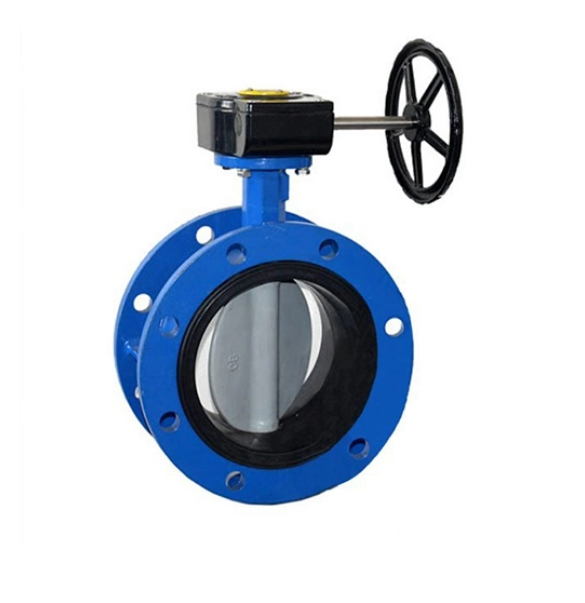 Butterfly valves have become a standard valve solution for controlling flow in a variety of industrial piping applications. Their low-profile, compact design allows installation into tight spaces where other valve types may not fit. Let’s explore the types of butterfly valves commonly used as well as characteristics to consider when selecting one.
GG-Series Valves
GG-series valves like the zawór motylkowy ggg50 has standard wafer or lug body styles suitable for line sizes 1/2″ to 48″. The disc is connected to the valve stem via a stub or shaft depending on design. Bolted bonnet construction allows re-packing without dismantling. EPDM or PTFE seat materials provide tight shut-off against liquids and gases.
U-Type Butterfly Valves
U type butterfly valves have a U-shaped yoke that forms the top and bottom of the valve body along with a short sleeve section. This configuration eliminates cavities where solids could collect. U-style valves tend to have higher pressure ratings and bubble-tight shut-off compared to wafer types. They are a good choice for slurries, pastes or powders prone to settling.
Lug-Type Butterfly Valves
Similar to U-types but with extended lugs drilled and tapped instead of a short sleeve section. Lugs allow bolting between two flanges for maximum-strength installations subject to high differential pressures. Suitable for line pressures 300 PSI and above in applications like power plants, refineries or large pipelines.
LT butterfly valve is a specific type of lug-style butterfly valve:
- The LT butterfly valve has a lug-type body design.
- Due to its robust lug-style body, the LT butterfly valve has a higher pressure rating than wafer-style valves.
- LT valves require flanged connections between two pipe flanges.
- LT butterfly valves typically meet international standards like ANSI, DIN or JIS depending on the manufacturer.
Disc And Stem Connections
Most valves use either a stub shaft or threaded disc connection method to join the disc to the stem. Stub shaft connection provides strength and repairability by detaching the disc. Solid shaft designs offer higher torque transmission for severe service but are not as field-serviceable.
Seat And Disc Materials
Standard discs are made of polypropylene or stainless steel for corrosion resistance. Seats utilize resilient or metal-to-metal sealing for specific applications. Common seat elastomers include Buna-N, Viton, Teflon or Kalrez for chemical compatibility. Wafer valves typically use elastomer seats while high-pressure valves employ metal seats.
Limiting Factors
Maximum recommended velocity through a butterfly valve is around 25 feet/second depending on lining. Higher velocities would increase erosion risks to the disc edge and seat. Pressure limits vary per valve style and size – typically rubber-seated valves hold 150 PSI or less, while metal-seated types reach 300 PSI to 2500 PSI.
Suppliers Offer
Industry-leading manufacturers provide top-quality butterfly valves in a variety of configurations. Top brands also supply automation, actuators, limit switches and controls to integrate valves into I/O systems for remote monitoring. Additional accessories include gear operators, gear-operated actuators or electric actuators for on-off service applications.
Butterfly valves offer an excellent economical flow control solution for many piping network applications. Selecting the right valve type, rozmiar, materials and construction for a given service delivers long-term performance and reliability.



