
listopad 13, 2023 | Aktualności
In the complex landscape of industrial fluid control, selecting the right valve is paramount to ensuring optimal performance, efficiency, and longevity. Among the array of valves available, the GGG50 butterfly valve emerges as a versatile and robust solution.
This blog post explores the key features and advantages of GGG50 butterfly valves, with a focus on their extensive size range (DN25-DN3600) and the innovative offset design that sets them apart in fluid control applications.
Key Features of GGG50 Butterfly Valves

Ductile Iron Construction (GGG50): The use of GGG50 ductile iron in the construction of butterfly valves provides exceptional mechanical properties. With high tensile strength and ductility, GGG50 ensures the valve’s ability to withstand the rigors of industrial operations, including high-pressure and high-temperature conditions.
DN25-DN3600 Size Range: One of the standout features of GGG50 butterfly valves is their extensive size range, spanning from DN25 to DN3600. This broad sizing capability makes them suitable for a wide variety of applications, from small-scale processes to large industrial operations requiring substantial flow control. So sometimes, we also call GGG50 series as dn25-dn3600 butterfly valve.
Offset Design: GGG50 butterfly valves often feature an offset design, a key innovation that distinguishes them from other valve types. The przesunięty zawór motylkowy reduces wear and tear on the valve components, leading to increased longevity and lower maintenance requirements compared to other valve configurations.
Bi-Directional Sealing: GGG50 butterfly valves are designed to provide bi-directional sealing, ensuring a tight shut-off in both directions of flow. This feature enhances their versatility, making them suitable for applications where fluid flow direction may vary.
Butterfly Valves Applications Especially For GGG50
Water and Wastewater Treatment Plants: In water and wastewater treatment facilities, GGG50 butterfly valves play a crucial role in regulating the flow of liquids through different stages of the treatment process.
Chemical Processing: GGG50 butterfly valves find application in the chemical industry, where they are used to control the flow of various chemicals. The corrosion-resistant nature of ductile iron ensures that the valves can withstand the corrosive properties of many chemicals.
Power Generation: In power plants, where the control of water, steam, and other fluids is essential, GGG50 butterfly valves provide reliable and efficient flow control.
Oil and Gas Industry: GGG50 butterfly valves are employed in the oil and gas industry for the control of various fluids, including crude oil and natural gas.
listopad 13, 2023 | More information
Główna różnica między przepustnicą DI a elektryczną przepustnicą pneumatyczną polega na sposobie działania i sterowaniu:
Operacja: A zaworu motylkowego jest obsługiwany ręcznie, wymagające bezpośredniej interwencji człowieka w celu regulacji położenia zaworu. Elektryczny pneumatyczny zawór motylkowy, z drugiej strony, jest zautomatyzowany i można nim sterować zdalnie za pomocą sygnałów elektrycznych lub ciśnienia powietrza.
Kontrola: Zawory motylkowe DI oferują proste sterowanie włączaniem/wyłączaniem lub ograniczoną kontrolę dławienia poprzez obsługę ręczną. Elektryczne pneumatyczne przepustnice zapewniają precyzyjną kontrolę dzięki sprzężeniu zwrotnemu.
Aplikacja: Zawory motylkowe DI są powszechnie stosowane w zastosowaniach, w których wystarczające jest sterowanie ręczne i nie jest wymagana automatyzacja. Elektryczne pneumatyczne przepustnice są preferowane w procesach i systemach przemysłowych.
listopad 9, 2023 | Aktualności
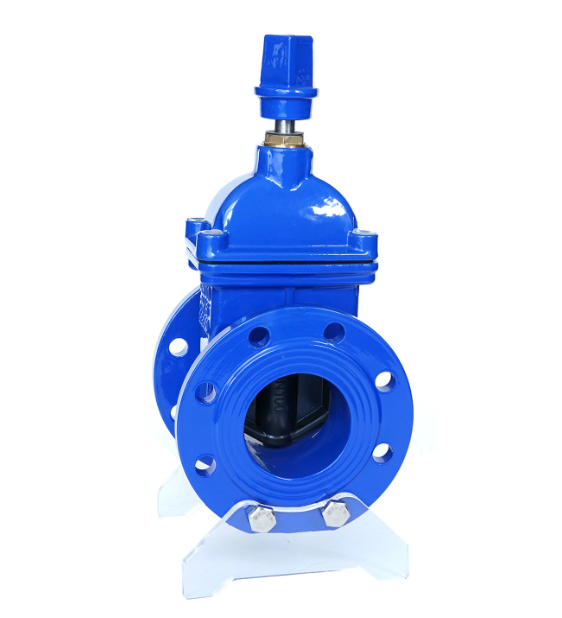
Zasuwy wykonane z żeliwa, ciągliwy metal, i stal oferują wyraźne zalety w zastosowaniach przemysłowych. Zasuwy żeliwne zapewniają ekonomiczne rozwiązania o solidnej konstrukcji, chwila zasuwy z żeliwa sferoidalnego ofiarować siłę, elastyczność, i odporność na korozję. Zasuwy stalowe zapewniają wysoką wydajność, trwałość, i wszechstronność w wymagających warunkach pracy.
1. Zasuwy żeliwne: Solidny i ekonomiczny

Zasuwy żeliwne są szeroko stosowane w zastosowaniach przemysłowych ze względu na ich solidną konstrukcję i opłacalność. Przyjrzyjmy się ich kluczowym funkcjom i zastosowaniom:
- A) Solidna konstrukcja: Zasuwy żeliwne znane są ze swojej trwałości i wytrzymałości.
- B) Opłacalność: Zasuwy żeliwne stanowią ekonomiczne rozwiązanie bez utraty jakości.
2. Zasuwy z żeliwa sferoidalnego: Siła i elastyczność
Zasuwy z żeliwa sferoidalnego są znane ze swojej wytrzymałości, elastyczność, i odporność na korozję. Przyjrzyjmy się ich kluczowym funkcjom i zastosowaniom:
- A) Zwiększona siła: Zasuwy z żeliwa sferoidalnego charakteryzują się wyższą wytrzymałością i odpornością na uderzenia w porównaniu do zasuw z żeliwa.
- B) Odporność na korozję: Zasuwy z żeliwa sferoidalnego są odporne na korozję, dzięki czemu nadają się do zastosowań z agresywnymi lub korozyjnymi płynami.
Zasuwy stalowe: Wysoka wydajność i wszechstronność
Zasuwy ze staliwa oferują wysoką wydajność, niezawodność, i wszechstronność w zastosowaniach przemysłowych. Przyjrzyjmy się ich kluczowym funkcjom i zastosowaniom:
- A) Siła i trwałość: Zasuwy stalowe znane są ze swojej wyjątkowej wytrzymałości i trwałości.
- B) Szeroki zakres temperatur: Zasuwy stalowe mogą pracować w szerokim zakresie temperatur, dzięki czemu nadają się do zastosowań wymagających ekstremalnych temperatur.

listopad 9, 2023 | Aktualności
Curious about the inner workings of butterfly valves? This comprehensive guide explores the mechanics of butterfly valves, their applications, and the benefits they offer. Discover how these versatile valves control fluid flow and find out why they are widely used in various industries. Gain a deeper understanding of how butterfly valves work and how they can enhance your operations.
Butterfly valves play a crucial role in controlling fluid flow in a wide range of applications. Understanding their mechanics is essential for optimizing their use in your operations. Let’s delve into the intricacies of butterfly valves, their applications, and the advantages they offer.

Understanding the Mechanics of Butterfly Valves
Butterfly valves consist of a disc-shaped closure element, the butterfly, which pivots on a shaft to regulate flow. When the butterfly valve is fully open, the disc aligns with the pipe, allowing unrestricted fluid passage. Conversely, when the valve is closed, the disc rotates perpendicular to the pipe, blocking the flow.
The key components of a butterfly valve include the disc, shaft, seat, and actuator. The actuator, often operated manually or through automation, controls the position of the disc. As the disc rotates, it modulates the flow rate, providing precise control over the fluid passing through the valve.
Applications and Benefits of Butterfly Valves
Butterfly valves find applications in various industries due to their versatility and reliability. Some common applications include:
- Water and wastewater treatment: Butterfly valves are widely used for controlling flow in water and wastewater treatment plants, thanks to their ability to handle large volumes of fluid efficiently.
- Systemy HVAC: These valves are commonly found in heating, ventilation, and air conditioning (HVAC) systems, where they control the flow of air and water in ducts and pipes.
- Chemical and petrochemical industries: Butterfly valves are suitable for handling various chemicals and corrosive substances, making them ideal for applications in chemical and petrochemical plants.

The benefits of butterfly valves include:
- Cost-effective: Butterfly valves offer a cost-effective solution due to their simple design, ease of installation, and low maintenance requirements.
- Efficient flow control: The streamlined design of butterfly valves minimizes pressure loss, allowing for efficient flow control and reduced energy consumption.
- Quick operation: Butterfly valves can be quickly opened or closed, making them suitable for applications that require rapid response and flow adjustment.
- Space-saving: The compact design of butterfly valves makes them ideal for installations with limited space, providing flexibility in system design.
How do butterfly valves work? Podsumowując, butterfly valves regulate fluid flow by rotating a disc-shaped closure element. Their versatility, efficiency, and cost-effectiveness make them a popular choice across industries. Whether you require precise flow control in water treatment plants, Systemy HVAC, or chemical industries, butterfly valves provide reliable performance. Explore the applications and benefits of butterfly valves and enhance your operations with these versatile flow control devices.
listopad 8, 2023 | Aktualności
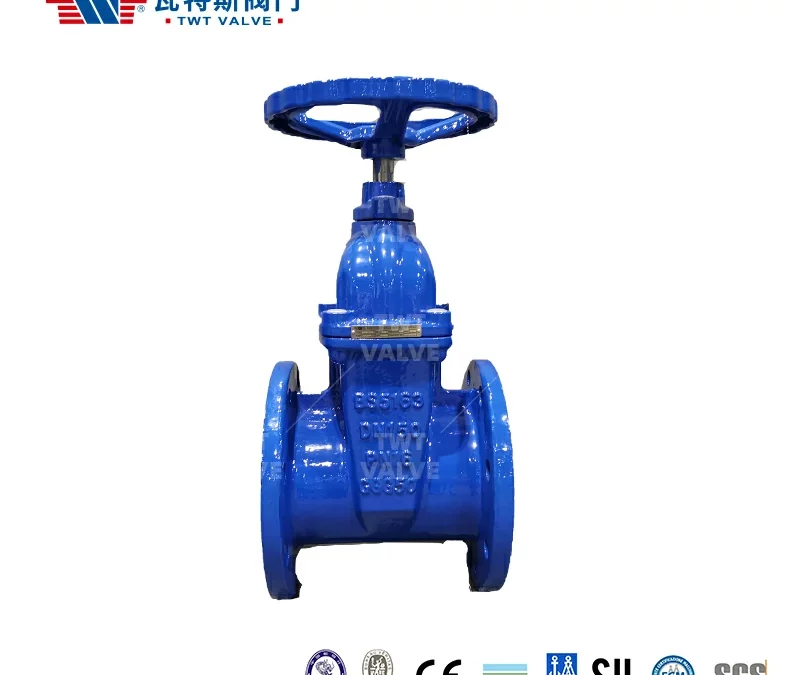
Steel and iron have long been confused by many people, and accordingly cast steel and cast iron have been confused for a long time.In fact, whether it is steel and iron, or cast steel and cast iron, there is a difference between different materials, both in manufacture and in nature. Cast steel and cast iron are both common valve materials, so how exactly to distinguish it?Today TWT,a leading gate valve factory from China would like to take buyers focus on cast iron and cast steel.
The essential difference between cast iron and cast steel is that the chemical composition is different, in engineering, it is generally believed that the carbon content is higher than 2% for iron, below this value for steel. Because of the different compositions, so the organisational properties are not the same, in general, the cast steel plasticity and toughness is better, as shown by the elongation, section shrinkage and impact toughness is good, the mechanical properties of cast iron is shown as hard and brittle.
So what is the difference between cast steel and cast iron when used in the manufacture of gate valves? If you are interested, follow TWT,China to take a look.
Difference between cast iron and cast steel in performance
Cast steel and cast iron are very similar in appearance, but there is a clear difference in performance:
- The cast steel has high strength, wear resistance, corrosion resistance, stable performance and so on, suitable for the manufacture of high-quality, high-performance, high-security requirements of the parts and machine parts.
- The cast iron’shardness, toughness, strength and impact resistance is poor, but the physical properties are stable, and has good wear resistance and good friction properties, so cast iron is used in some requirements for strength is not particularly high, but need to have pressure, wear, corrosion-resistant parts.China cast iron gate valve are widely used in areas requiring high wear, ciśnienie, corrosion and friction resistance,such as pping for media such as gas, liquid petroleum gas, air, water, olej, low corrosive liquids, itp.

Distinguish between cast iron and cast steel in real life:
Cast steel is bright cast iron is dark and grey, cast iron inside the grey iron and ductile iron and different, ductile iron is brighter than grey iron.
Cast steel is very dense and generally invisible to the naked eye particles. Grey iron and ductile iron can be seen particles, grey iron particles larger.
Cast steel parts collision is “just”, and cast iron parts sound is not the same.
Cast steel surface roughness, risers, sprues are large, must be cut to remove. Ductile cast iron gas cutting is not constant.
Cast steel toughness close to steel plate, ductile iron toughness is slightly inferior, thin-walled parts can reach 20-30 degrees of bending, grey mouth without toughness.
These same paths apply to distinguishing cast steel gate valves from cast iron gate valves, especially the more aesthetically pleasing appearance of cast steel produced by Chiny cast steel gate valve supplier like TWT.
Main types of cast iron/steel gate valves
Besides material,types of gate valve are worthy considering while selcting gate valves.Here TWT,China provide a brief,and we will give further information in other articles.
Rising stem gate valve is a common type of valve with a simple structure and easy and reliable operation. Rising stem refers to the position where the valve’s operating lever can be directly seen and touched.Rising stem gate valves are characterised by easy observation of the operating lever, easy operation and easy maintenance.
Non-rising stem gate valve is also a common type of valve, compared to the open stem gate valve, its operating rod is hidden inside the valve is not easy to observe. The operating rod is not exposed and is not easily damaged or contaminated, and the operating rod handle does not cause traffic safety hazards.



