
styczeń 16, 2024 | Aktualności
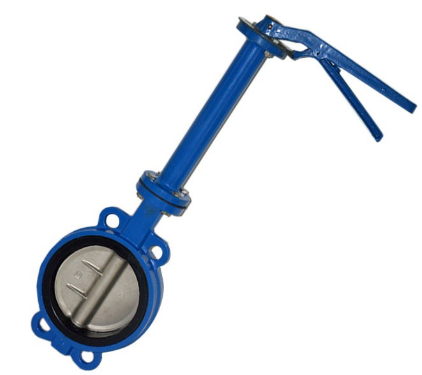
Butterfly valves are essential components used in various industries for fluid flow control. The U Type butterfly valve provides low resistance to flow, making it suitable for applications where efficiency is crucial. Center Line butterfly valves offer reliable sealing and are versatile for both high and low-pressure applications. Extension Stem butterfly valves allow for remote operation, ensuring safety and convenience in hard-to-reach locations.
Section 1: U-Type Butterfly Valve
U-Type butterfly valves are characterized by their unique U-shaped disc design. This design allows for a streamlined flow path, minimizing pressure drop and turbulence. The U-Type butterfly valve is ideal for applications where low resistance to flow is essential, such as in HVAC systems, stacje uzdatniania wody, and industrial processes. Its compact size, lightweight construction, and ease of installation make it a popular choice for a wide range of applications. Dodatkowo, the U-Type butterfly valve offers excellent flow control capabilities and reliable sealing performance.
Section 2: Center Line Butterfly Valve
Center Line butterfly valves are designed with the disc centered in the pipe, providing a bi-directional shutoff. This design ensures equal pressure distribution across the disc, resulting in improved sealing performance and reduced wear. Center Line butterfly valves are versatile and suitable for both high and low-pressure applications. They find extensive use in industries such as oil and gas, obróbka chemiczna, and water distribution systems. The center line design allows for easy maintenance, as the valve can be installed and removed without disturbing the pipeline.
Section 3: Extension Stem Butterfly Valve
Extension Stem butterfly valves are designed with an extended stem that allows for remote operation. This type of valve is commonly used in applications where the valve is located in hard-to-reach or hazardous areas. The extension stem enables the operator to control the valve’s position from a safer and more convenient location. Extension stem butterfly valves are widely utilized in industries such as oil and gas, petrochemiczny, and wastewater treatment plants. They offer excellent flow control, trwałość, and reliable sealing performance.

styczeń 15, 2024 | Aktualności
W tym artykule, we will discuss the difference between a lugged and double flanged butterfly valve, and the benefits of using this butterfly valve. We will also provide examples and summarize the key points to help readers quickly understand the content.
A lugged butterfly valve and a double flanged butterfly valve are both valves used in various industries, but they have some key differences. A lugged butterfly valve has a lugged body and a disc that rotates around a central axis. The lugs are used to connect the valve to the pipeline, and the disc is used to control the flow of fluid.
A double flanged butterfly valve, z drugiej strony, has a double flanged body and a disc that rotates around a central axis. The double flanges are used to connect the valve to the pipeline, and the disc is used to control the flow of fluid.
The main difference between the two valves is the way they are connected to the pipeline. A lugged butterfly valve is connected to the pipeline using lugs, while a valve is connected using two flanges.

Benefits of Double Flanged Butterfly Valve
A valve has several benefits over a lugged butterfly valve.
Zalety
1. Easy Installation: A double flanged butterfly valve is easier to install than a lugged butterfly valve. The double flanges provide a larger surface area for connection, making it easier to connect the valve to the pipeline.
2. Improved Sealing: The double flanges on a valve provide a better seal than lugs, reducing the risk of leakage and improving the overall performance of the valve.
3. Increased Durability: The double flanges on this butterfly valve are more durable than lugs, reducing the risk of damage during installation and operation.
4. Better Flow Control: This butterfly valve provides better flow control than a lugged butterfly valve, as the disc can rotate 360 degrees, providing precise control over the flow of fluid.
Examples of Double Flanged Butterfly Valve
This butterfly valve is commonly used in various industries, w tym:
Przemysł chemiczny
In the chemical industry, this butterfly valves are used to control the flow of corrosive fluids and gases. The valves are made of durable materials, such as stainless steel, to withstand the harsh conditions.
Water Treatment Industry
In the water treatment industry, these butterfly valves are used to control the flow of water and wastewater. The valves are designed to provide precise flow control, ensuring that the water is properly treated before being released into the environment.
Oil and Gas Industry
W przemyśle naftowym i gazowym, double flanged butterfly valves are used to control the flow of oil and gas. The valves are designed to handle high-pressure and high-temperature applications, ensuring that the flow of fluid is controlled accurately.

Wniosek
Podsumowując, a double flanged butterfly valve is a better option than a lugged butterfly valve due to its easy installation, improved sealing, increased durability, and better flow control. The valve is widely used in various industries, w tym chemiczne, water treatment, and oil and gas. By understanding the benefits of this butterfly valve, industries can make informed decisions when selecting valves for their applications.
styczeń 12, 2024 | Aktualności
Gate valves are essential components in industrial applications, providing efficient flow control and shut-off capabilities. When it comes to large-scale operations, big size gate valves are required to handle high flow rates and withstand demanding conditions. W tym artykule, we will explore two types of big size gate valves: BS5163 gate valve PN16 and underground gate valve. We will discuss their unique features, korzyści, and applications, shedding light on their importance in various industries.
BS5163 Gate Valve PN16: Precision Engineering for High-Pressure Applications
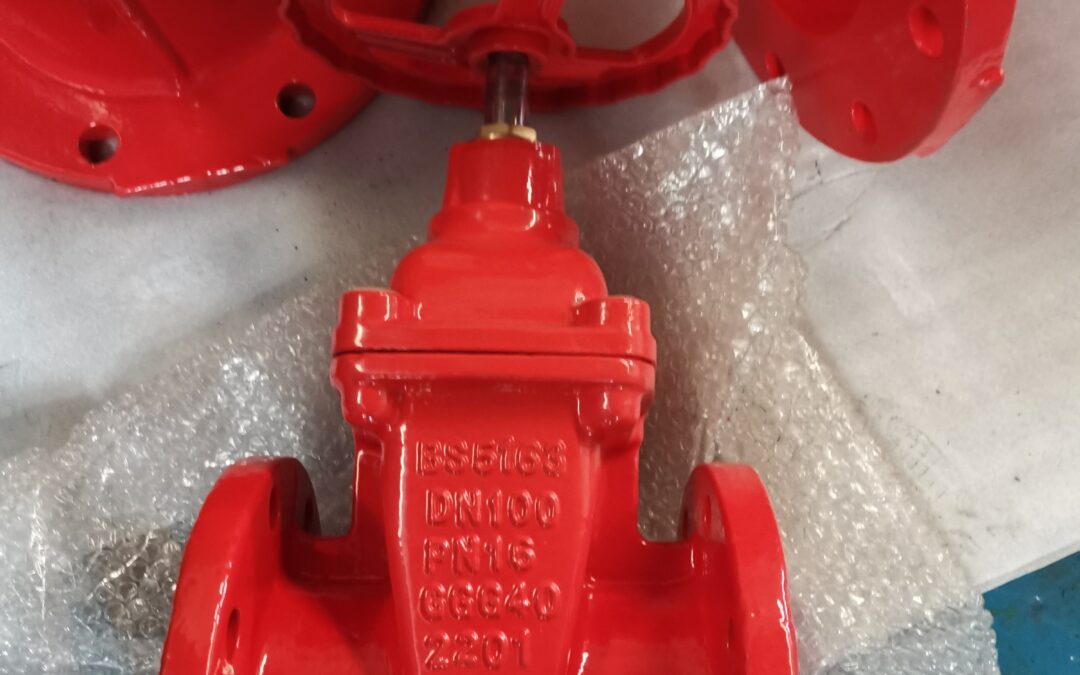
The Zasuwa zasuwowa BS5163 PN16 is a robust and reliable valve designed to meet the requirements of British Standard 5163. It features a bolted bonnet and a rising stem, allowing for easy maintenance and operation. The PN16 rating indicates the valve’s pressure rating, with PN16 referring to a maximum pressure of 16 bar. BS5163 gate valves PN16 are commonly used in water distribution systems, wastewater treatment plants, and other industrial applications. They offer excellent flow control capabilities, tight shut-off, and durability, making them suitable for high-pressure applications.
Application of BS5163 Gate Valve PN16
BS5163 is a British Standard specification for resilient-seated gate valves, and PN16 refers to the pressure rating of the valve, which corresponds to a pressure class of 16 bar. Gate valves are commonly used in industrial applications for on/off flow control of fluids. Here are some typical applications of BS5163 gate valves with a PN16 pressure rating:
- Water Supply Systems: BS5163 gate valves with a PN16 rating are widely used in water supply systems, including municipal water distribution networks and water treatment plants. They provide reliable shut-off capabilities and help regulate the flow of water in pipelines.
- Irrigation Systems: Gate valves are employed in irrigation systems to control the flow of water to different sections or zones. The PN16 rating of BS5163 gate valves ensures they can withstand the pressures typically found in irrigation systems.
- HVAC Systems: BS5163 gate valves are utilized in heating, ventilation, and air conditioning (HVAC) systems for fluid control. They help regulate the flow of chilled water, hot water, or other fluids in large HVAC installations such as commercial buildings, hospitals, and industrial facilities.
- Industrial Applications: Gate valves with a PN16 rating find application in various industrial processes that involve the control of liquids or gases. They are commonly used in industries such as manufacturing, petrochemicals, oil and gas, wytwarzanie energii, and wastewater treatment.
- Fire Protection Systems: In fire protection systems, BS5163 gate valves are employed to control the flow of water or fire suppressant agents. These valves are typically installed in fire hydrant systems, fire sprinkler systems, or fire suppression systems in buildings and industrial facilities.
- Process Pipelines: Gate valves are frequently used in process pipelines to control the flow of fluids in chemical, pharmaceutical, and food processing plants. The PN16 rating of BS5163 gate valves ensures their suitability for handling moderate pressures in these applications.
- Mining and Mineral Processing: Gate valves with a PN16 rating are utilized in mining and mineral processing operations. They are employed in pipelines carrying slurry, tailings, or other abrasive fluids, where the resilient seat design helps provide a reliable sealing performance.
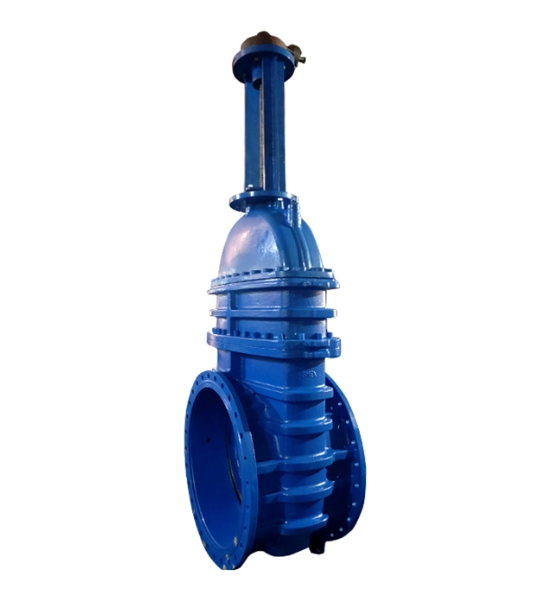
Zasuwa podziemna: Reliable Water Control Solutions for Subterranean Environments
Underground gate valves are specifically designed for installation in underground pipelines. They are constructed with materials and features that ensure long-term performance and protection against external elements. These valves are typically made from corrosion-resistant materials such as ductile iron or stainless steel, and they feature a sturdy construction to withstand the underground environment. Underground gate valves are commonly used in water supply networks, systemy nawadniania, and municipal infrastructure projects. They provide reliable flow control, easy maintenance, and protection against vandalism or accidental damage.
Benefits :
- High Flow Capacity: Big size gate valves are designed to handle large flow rates, making them suitable for applications where high volumes of fluid need to be controlled.
- Solidna konstrukcja: These gate valves are built to withstand demanding conditions, ensuring long-term performance and durability.
- Tight Shut-Off: Big size gate valves provide a tight seal when closed, preventing leakage and ensuring efficient shut-off.
- Easy Maintenance: Zasuwy, such as the BS5163 PN16 and underground varieties, are designed for easy maintenance, allowing for quick inspection and repair if needed.
- Wszechstronność: These gate valves can be used in various industries, including water distribution, wastewater treatment, irrigation, and municipal infrastructure projects.
Big size gate valves, such as the BS5163 gate valve PN16 and underground gate valve, offer efficient flow control and shut-off capabilities in large-scale industrial applications. Their robust construction, tight shut-off, and easy maintenance make them indispensable in various industries. By understanding the features and benefits of these gate valves, engineers and professionals can make informed decisions when selecting valves for their specific requirements, ensuring optimal performance, efficiency, i niezawodność.
styczeń 11, 2024 | Aktualności
Check valves play a crucial role in preventing backflow and ensuring the unidirectional flow of fluids in piping systems. Among the various types of check valves available, wafer double door check valves, including dual plates and single disc varieties, are widely used for their compact design, reliable performance, and ease of installation. W tym artykule, we will delve into the features, korzyści, and applications of these check valves, highlighting their importance in modern industrial processes.

Efficient Flow Control: Exploring the Functionality of Wafer Double Door Check Valves
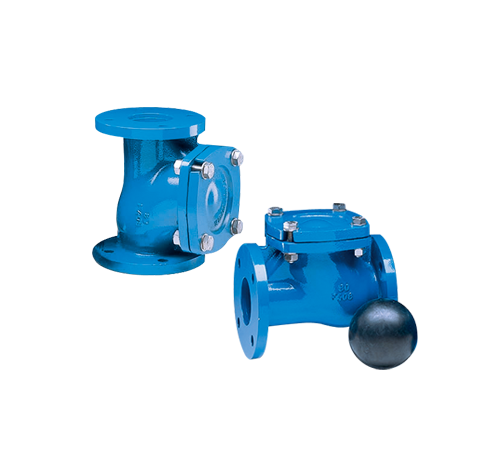
Wafer double door check valves are designed to provide efficient and reliable backflow prevention in piping systems. They feature two hinged doors or plates that swing open to allow forward flow and close to prevent reverse flow. These valves are typically installed between two flanges, with the wafer-style design providing a compact and lightweight solution. Wafer double door check valves are commonly used in HVAC systems, stacje uzdatniania wody, systemy nawadniania, and other applications where space is limited and flow efficiency is crucial.
Application of Wafer Double Door Check Valves
Double door check valves, also known as dual plate check valves or wafer check valves, are commonly used in fluid systems to prevent backflow and ensure the unidirectional flow of fluids. These valves have two spring-loaded doors (discs) that open and close based on the direction of the flow. They are widely utilized in various industries and applications, w tym:
- Water and Wastewater Systems: Double door check valves are extensively used in water supply and wastewater treatment systems. They prevent the reversal of water flow, ensuring that water flows in one direction only and preventing contamination of clean water sources.
- HVAC Systems: In heating, ventilation, and air conditioning (HVAC) systems, double door check valves are employed to maintain the proper flow direction of chilled water, hot water, or refrigerant. They help prevent backflow and maintain system efficiency.
- Oil and Gas Industry: Double door check valves find application in the oil and gas industry, particularly in pipelines and process systems. They prevent the backflow of fluids such as crude oil, natural gas, and refined products, ensuring the smooth operation of the system and protecting equipment downstream.
- Petrochemical and Chemical Processing: Double door check valves are used in petrochemical and chemical processing plants to regulate flow and prevent backflow of corrosive or hazardous fluids. They are commonly found in pipelines and process equipment where unidirectional flow is critical for safety and operational efficiency.
- Power Generation: In power plants, double door check valves are utilized in steam and water systems to prevent backflow and protect turbines, boilers, and other equipment. They ensure that high-pressure steam or water flows in one direction only, optimizing the performance and safety of the power generation system.
- Food and Beverage Industry: Double door check valves are employed in food and beverage processing facilities to prevent cross-contamination and maintain hygienic conditions. They ensure that the flow of liquids and gases, such as beverages or food ingredients, remains unidirectional.
Dual Plates Check Valve: Streamlined Design for Reliable Flow Control
Dual plates check valves, also known as double disc check valves, are a type of wafer double door check valve. They consist of two spring-loaded plates that open and close in response to fluid flow. The dual plate design offers improved sealing performance, reduced pressure drop, and faster response compared to traditional swing check valves. These valves are commonly used in industries such as oil and gas, petrochemiczny, and water distribution, where reliable backflow prevention and minimal pressure loss are critical.
Efficient Flow Management: Unveiling the Single Disc Wafer Check Valve’s Versatility
Single disc wafer check valves are another type of wafer double door check valve. They feature a single disc that pivots on a hinge to allow forward flow and close to prevent reverse flow. Single disc wafer check valves are compact, lightweight, and easy to install between flanges. They offer reliable backflow prevention and are commonly used in applications where space is limited, such as HVAC systems, water distribution, and industrial processes.
Benefits :
- Backflow Prevention: Wafer double door check valves, including dual plates and single disc varieties, ensure the unidirectional flow of fluids, preventing backflow and protecting equipment and systems.
- Kompaktowa konstrukcja: The wafer-style design of these check valves allows for easy installation between flanges, saving space and reducing installation costs.
- Reliable Performance: Dual plates and single disc wafer check valves offer excellent sealing performance, minimal pressure drop, and fast response, ensuring efficient and reliable operation.
- Wszechstronność: These check valves can handle a wide range of fluids, w tym płyny, gazy, i szlamy, making them suitable for diverse applications in various industries.
- Niskie koszty utrzymania: Wafer double door check valves require minimal maintenance and are easy to inspect and replace if necessary, minimizing downtime.
Wafer double door check valves, including dual plates and single disc varieties, provide efficient and reliable backflow prevention in piping systems. Their compact design, reliable performance, and ease of installation make them indispensable in modern industrial processes. By understanding the features and benefits of these check valves, engineers and professionals can make informed decisions when selecting valves for their specific requirements, ensuring optimal performance, efficiency, i opłacalność.

styczeń 11, 2024 | Aktualności
Podsumowując, butterfly valves are preferred over gate valves in certain situations due to their ability to control fluid flow gradually, their durability, and lower cost. While gate valves have their advantages, butterfly valves are a better choice for applications where fluid flow needs to be controlled slowly.
Butterfly valve vs gate valve which is better? When it comes to fluid flow control, there are two main types of valves: butterfly valves and gate valves. While both types serve the same purpose, they differ in their design and functionality. W tym artykule, we will explore why butterfly valves are preferred over gate valves in certain situations.
Butterfly valves are also known as diaphragm valves, and they consist of a flexible diaphragm that opens and closes to allow or restrict fluid flow. Z drugiej strony, gate valves are also known as check valves, and they consist of a gate that opens and closes to allow or restrict fluid flow.
The main difference between butterfly valves and gate valves is their design. Butterfly valves are designed to open and close smoothly, while gate valves are designed to open and close abruptly. This means that butterfly valves are better suited for applications where fluid flow needs to be controlled gradually, while gate valves are better suited for applications where fluid flow needs to be controlled suddenly.

Advantages of Butterfly Valves
Butterfly valves have several advantages over gate valves. One of the main advantages is their ability to control fluid flow gradually. This makes them ideal for applications where fluid flow needs to be controlled slowly, such as in chemical plants or oil refineries. Dodatkowo, butterfly valves are less prone to noise and vibration compared to gate valves, which makes them better suited for use in noisy environments.
Another advantage of butterfly valves is their durability. Butterfly valves are made of high-quality materials and are designed to withstand harsh conditions, making them a cost-effective option in the long run. Dodatkowo, butterfly valves are easier to maintain than gate valves, as they do not require frequent cleaning or lubrication.
Disadvantages of Butterfly Valves
While butterfly valves have several advantages, mają też pewne wady. One of the main disadvantages is their slower response time compared to gate valves. This means that butterfly valves may take longer to respond to changes in fluid pressure, which can be a problem in applications where rapid fluid flow control is required.
Another disadvantage of butterfly valves is their higher cost compared to gate valves. Butterfly valves are typically more expensive than gate valves, especially for smaller applications. Jednakże, the higher cost is often justified by the superior performance and durability of butterfly valves.

Wniosek
Podsumowując, butterfly valves are preferred over gate valves in certain situations due to their ability to control fluid flow gradually, their durability, and lower cost. While gate valves have their advantages, butterfly valves are a better choice for applications where fluid flow needs to be controlled slowly and in a cost-effective manner.
FAQs
1. What is the difference between butterfly valves and gate valves?
Butterfly valves and gate valves are both types of valves used to control fluid flow, but they differ in their design and functionality. Butterfly valves are designed to open and close smoothly, while gate valves are
designed to open and close abruptly.
2. Which type of valve is better for gradual fluid flow control?
Butterfly valves are better suited for gradual fluid flow control, as they are designed to open and close smoothly.
3. Is a butterfly valve more expensive than a gate valve?
Tak, butterfly valves are generally more expensive than gate valves, especially for smaller applications. Jednakże, the higher cost is often justified by the superior performance and durability of butterfly valves.
4. Can I use butterfly valves in noisy environments?
NIE, butterfly valves are not suitable for use in noisy environments, as they are prone to noise and vibration. Zasuwy, z drugiej strony, are better suited for use in noisy environments.



