kwiecień 7, 2024 | Aktualności
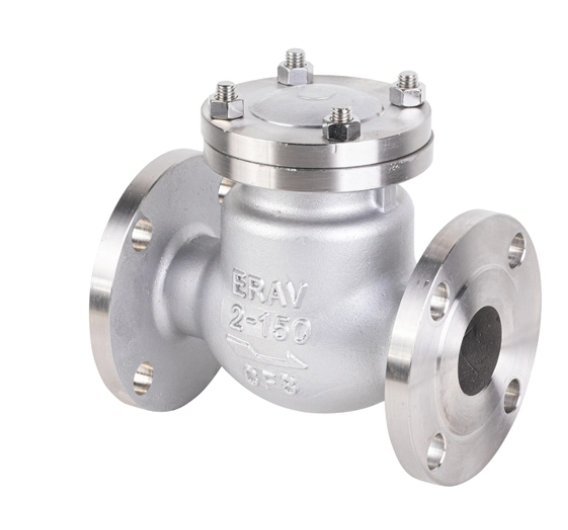
Check valves are essential components that serve to prevent reverse flow within a system. Their primary function is to facilitate fluid movement in a singular direction, automatically shutting off when there’s an attempt of fluid movement in the opposite direction. This article will explore three distinct types of check valves, each offering its own set of features and benefits.
Axial Flow Check Valve
Axial Flow Check Valves are pivotal for the protection of pumps and compressors. They induce flow in one direction and prevent backflow in the other. This results in reduced extensive damage to equipment, increasing system durability. The benefits include rapid closing, tailored sizing, a compact design, and substantial flow coefficient, making them the ideal valve for oil collection and transmission. Apart from their responsiveness to change in flow, they also have a low maintenance cost, making Axial Flow Check Valves a suitable addition to various industries.
Dual Disc Check Valve
Dual Disc Check Valves, alternatively referred to as Double Door Check Valves, exhibit versatility and extensive application across various sectors including water treatment plants, oil and gas refineries, chemical processing plants, and power generation facilities. Renowned for their efficacy in fluid and gas regulation within these industries, their design minimizes downtime, bolsters safety measures, and enhances overall reliability. Particularly suitable for scenarios demanding minimal pressure drop and the prevention of potential leakage issues, this non-slam valve stands out for its performance.
Stainless Steel Check Valve
The rising popularity of Stainless Steel Check Valves stems from their remarkable combination of strength, trwałość, corrosion resistance, and precision. Their widespread adoption in demanding environments like food processing, pharmaceutical manufacturing, and petrochemical industries underscores their robustness. Stainless steel’s innate corrosion resistance ensures these valves withstand water and harsh chemicals exceptionally well, enhancing their versatility and widespread use.

Axial Flow Check Valves, Dual Disc Check Valves, and Stainless Steel Check Valves offer distinct advantages and are suited for specific applications. Appreciating the nuanced disparities between these valve types can significantly aid in their appropriate selection, especially when seeking optimal functionality to meet various system demands.
W tym artykule, we explore the distinctive applications and benefits of various check valves, particularly axial flow check valves, dual disc check valves, and stainless steel check valves. Understanding these differences can help inform better decisions when selecting a check valve for various uses.

kwiecień 7, 2024 | Aktualności
Delve into key attributes of high-performance butterfly valves meticulously crafted to fulfill the stringent requirements of vital applications, emphasizing reliability, precise shut-off capabilities, and enduring durability.
Design and Operation:
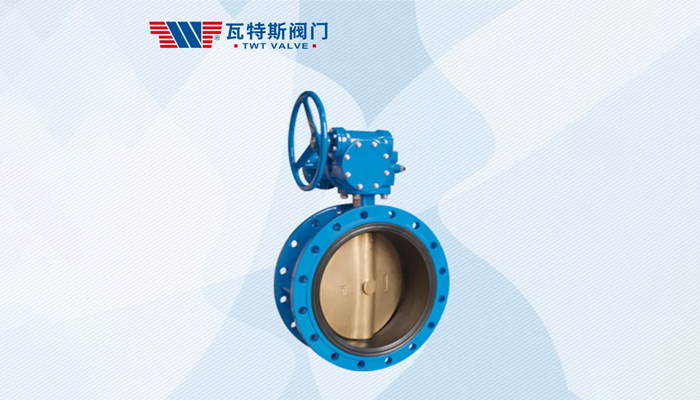
The valve consists of a disc, often referred to as the “butterfly,” positioned perpendicular to the flow direction. This disc is connected to a shaft, enabling rotation for flow regulation. Soft-sealing butterfly valves utilize a soft seal, typically made from rubber or elastomer, to ensure a tight shut-off and minimize the possibility of leakage.
Applications:
These valves find use in various industries:
- Chemical Processing: Demonstrates exceptional resistance against corrosive fluids.
- Water Treatment: Frequently employed to regulate water flow within treatment facilities and distribution networks.
- HVAC Systems: Manages air and water flow within heating, ventilation, and air conditioning setups.
- Food and Beverage: Incorporates a hygienic design tailored to the requirements of the food industry.
- Power Generation: Exercises control over water, steam, and various fluids within power plant environments.
Zalety:
- Cost-effective: Generally more affordable than other valve types.
- Kompaktowa konstrukcja: Lightweight and easy to install.
- Quick operation: Quarter-turn action enables fast opening and closing.
- Tight shut-off: Soft sealing ensures minimal leakage.
- Niskie koszty utrzymania: Simple design with fewer components and long service life.
When selecting a soft sealing butterfly valve, consider factors such as operating conditions, rozmiar, and flow capacity to ensure optimal performance.
Design and Operation:
The valve comprises a disc, commonly known as the “butterfly,” affixed to a valve stem. This stem extends through the valve body and links to an actuator or handle. Upon turning the actuator or handle, the disc rotates, either permitting or obstructing the flow. Its double-flanged design entails flanges welded to both the inlet and outlet ends of the valve body.
Applications:
These valves are frequently employed to control, regulate, and throttle the flow in diverse applications across industries such as water treatment, obróbka chemiczna, i systemy HVAC.
Zalety:
- Resilient Seating: The double-flanged design ensures a tight seal, making it suitable for dead-end service.
- Easy Installation: The flanges allow straightforward connection to pipelines with matching flange sizes.
Remember, double-flanged butterfly valves are versatile and reliable components used in fluid systems for efficient flow control.
Design and Operation:
A double-offset butterfly valve is designed with two key offsets compared to the concentric type:
- First Offset: The shaft is not centered on the disc but positioned slightly behind it. This arrangement creates a continuous sealing surface on the disc.
- Second Offset: The shaft is not aligned with the pipe centerline but is slightly to the right of the center. When fully open, the valve doesn’t touch the seat at all. This reduces friction compared to concentric valves and prolongs the seat’s lifetime. The 90° rotation of the disc ensures efficient flow control.
Double-offset valves are used in systems requiring higher pressure resistance.
Applications:
Control flow in pipelines, tank farms, and refineries.
Handle crude oil, natural gas, and other hydrocarbons.
Used in cooling water systems, steam lines, and fuel handling.
Resistant to high temperatures and pressure fluctuations.
Regulate air and water flow in heating, ventilation, and air conditioning systems.
Efficient for maintaining comfort levels.
- Food and Beverage Industry:
Handle food-grade liquids in breweries, dairies, and beverage production.
Installed in ballast systems, cooling circuits, and fuel lines.
Resistant to saltwater and marine environments.
Resistant to chemicals and pulp slurries.
- Steel and Metal Processing:
Handle high-temperature gases and molten metals in steel mills and foundries45.
Zalety:
- Higher Pressure Resistance: Double-offset valves offer up to a Class 600 ANSI rating in materials like stainless steel, Stal węglowa, and Hastelloy.
- Reduced Operating Torque: Easier to open and close due to lower torque requirements.
- Increased Flow Capacity: Boasts better flow capacity compared to other valve types.
- Ease of Cleaning: Much easier to clean than gate valves, improving worker efficiency.
- Compact and Lightweight: Weigh less and occupy less space than other valve types.
- Longevity and Durability: Suitable for extreme conditions, such as gas pipelines and offshore oil rigs. Adds longevity to different systems and reduces maintenance tasks
kwiecień 6, 2024 | Aktualności
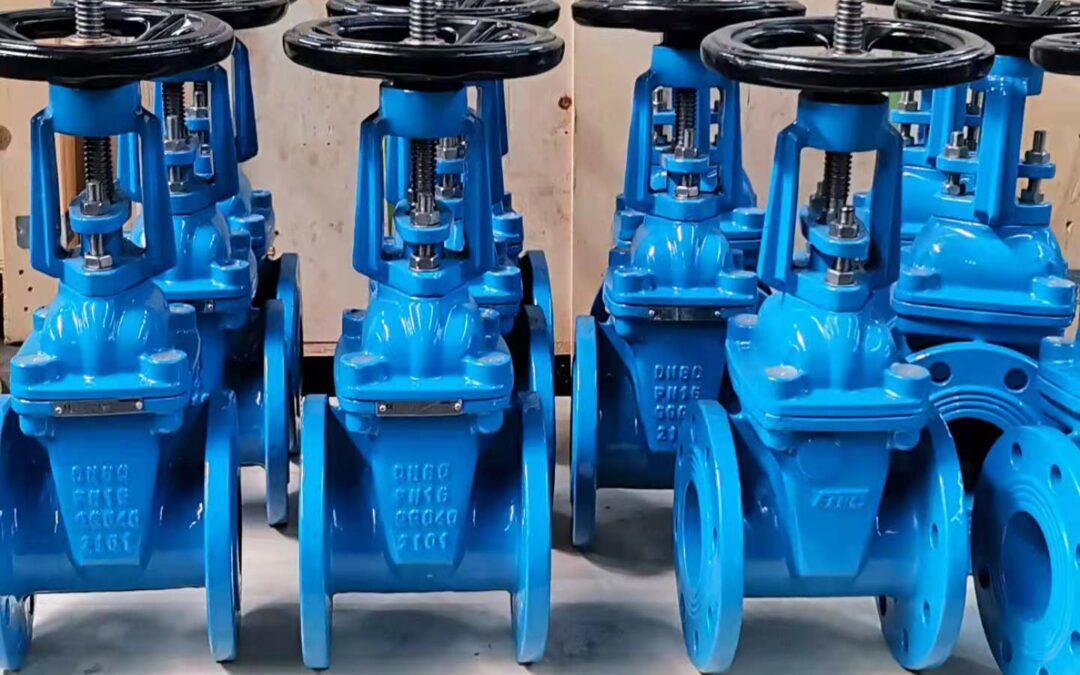
A non rising stem resilient seated gate valve is a type of valve commonly used for controlled shut-off in fluid distribution systems. Let’s break down its key features and applications:
Construction and Operation
Gate valves operate using a wedge-shaped disc that moves linearly to open or close flow paths.
Resilient seating improves sealing compared to metal-to-metal designs. It incorporates an elastomeric “O-ring” around the disc edge, which compresses against the valve body for a drip-tight shut-off. This design ensures that irregularities in the pipeline do not affect the sealing.
In non-rising stem gate valves, the stem is threaded separately from the gate. As you turn the handwheel to open or close the valve, the gate rises and lowers, but the stem itself does not move up or down. This design maintains a compact envelope and prevents stress during buried service.
Valve Standards
These gate valves adhere to stringent specifications, ensuring interchangeability and quality assurance. For buried potable water, they follow standards like AWWA C509, while for aboveground service, they adhere to AWWA C515.
Compliant valves undergo hydrostatic shell testing, seat leakage acceptance, and operational durability verification. They maintain drip-tight sealing over millions of cycles.
Suitable Applications
Resilient seated gate valves find application in various scenarios:
- Municipal Water Transmission/Distribution: They play a crucial role in water supply systems.
- Industrial, Commercial, and Building Services: Mild industrial applications benefit from their robust performance.
- Isolating Pipelines: During maintenance or repairs, these valves help isolate sections of pipelines.
- Throttling Flows: They allow flow control within a system.
- Downstream Equipment Protection: By shutting off flow, they safeguard downstream equipment.
- Emergency Sectionalization: In emergencies, locating remotely, they can isolate specific parts of the system.
Installation Considerations
Proper installation factors in pipe stresses, substrate, operation loads, and accessibility for future maintenance.
Compact joints, thrust blocks, and trench design address installation loads.
Valves are oriented to position actuators above grade or indoors, avoiding joints within casing intervals.
External coatings and lining protect against corrosive contents and harsh environments.
Maintenance Practices
- Routine exercising and inspections catch early signs of minor leakage, allowing proactive O-ring replacement.
- Flushing before repairs removes debris that could damage sealing interfaces.
- Repair “kits” simplify barrier replacements during infrequent shutdowns.
- Cathodic protection retards corrosion if electrically isolated.
- Proper handling protects seal materials during joint assembly.
The relationships with other types of gate valves
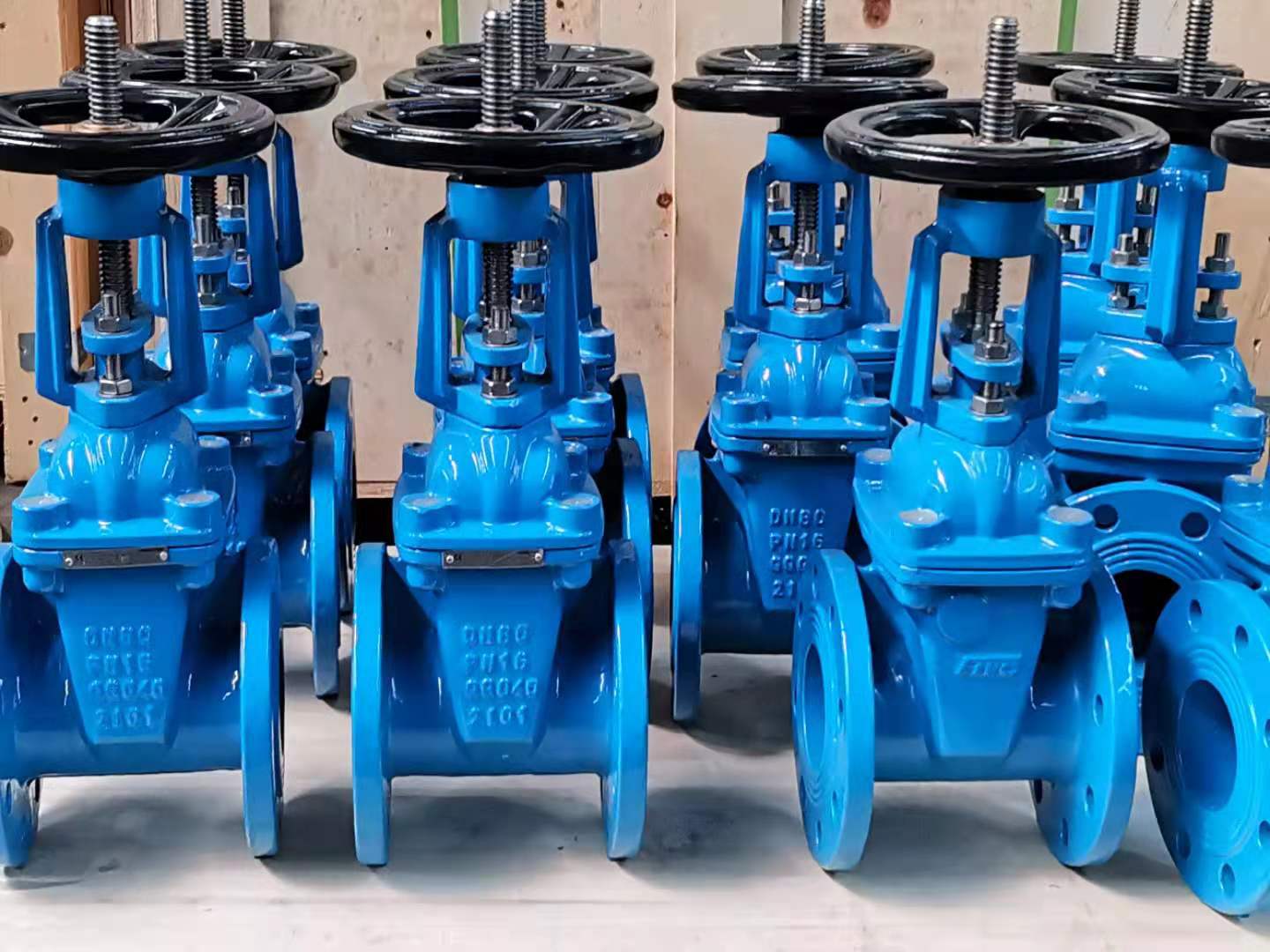
A non-elevating stem gate valve belongs to a category of gate valves distinguished by the stem, which remains fixed in its position while the valve is in operation. When you manipulate the handwheel to either open or close the valve, the gate, located within the valve, moves vertically, while the stem remains immobile. Such valves find frequent application in scenarios where spatial constraints are present, such as underground setups or environments with limited accessibility. The sealing mechanism may entail either a metal-to-metal interface or a resilient design featuring an elastomeric seat.
A resilient-seated gate valve is distinguished by its elastomeric seat, which offers superior sealing capabilities. Featuring a groove encircling its edge, the gate employs an O-ring or similar resilient material that compresses against the valve body upon closure. These valves are particularly well-suited for applications demanding a secure seal, notably in water distribution systems. Resilient-seated gate valves may adopt either a rising stem configuration, where the stem ascends and descends, or a non-rising stem design, where the stem remains fixed in place.
Podsumowując, non-rising stem resilient seated gate valves deliver highly reliable shut-off, backed by robust engineering. They are essential components in water infrastructure worldwide.
kwiecień 3, 2024 | Aktualności
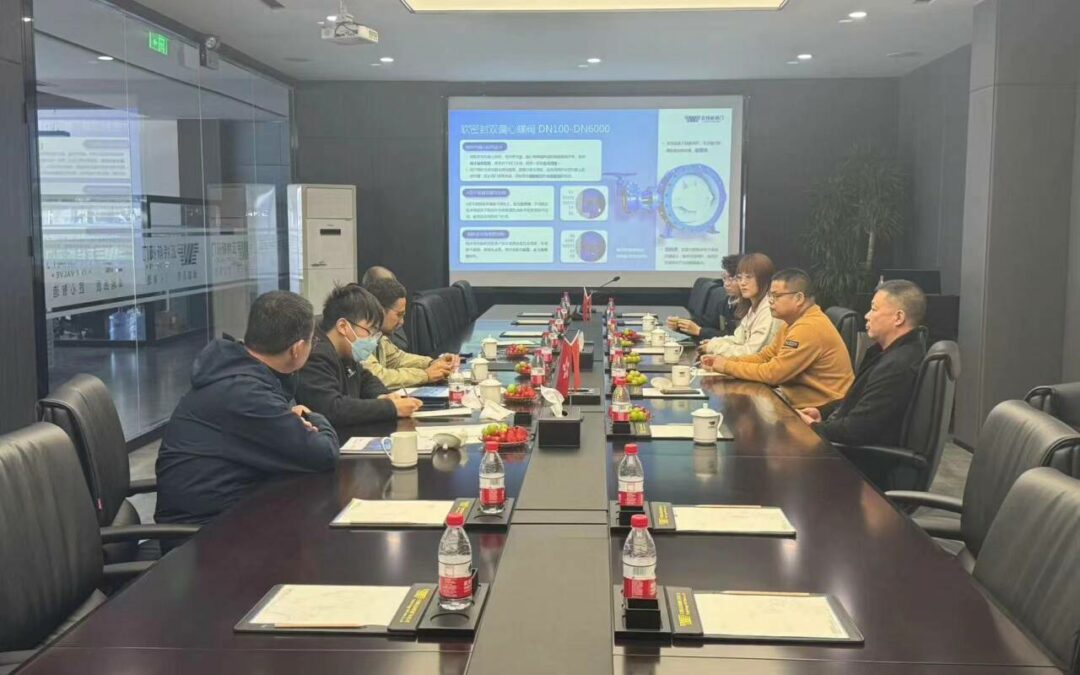
We are thrilled to extend our heartfelt congratulations to TWT Factory on the recent visit from a distinguished customer from Cameroon. The meeting, which took place on the 31st of March, 2024, marked an exciting step forward in the potential cooperation between TWT Factory and the customer in the field of butterfly valves.

This visit is a testament to the exceptional reputation that TWT Factory has cultivated in the industry. The customer’s decision to personally visit the factory is a strong indication of the trust and confidence they have in TWT Factory’s capabilities and expertise.

We commend TWT Factory for their commitment to excellence and for consistently delivering world-class products and services. The opportunity to discuss potential collaboration on butterfly valves further underscores TWT Factory’s dedication to meet the diverse needs of their customers.

TWT Factory Effort Become A Leading Butterfly Valves Manufacturer & Supplier in China
The team at TWT Factory has worked tirelessly to establish themselves as a leader in the manufacturing of high-quality butterfly valves. Their attention to detail, technological advancements, and commitment to customer satisfaction have undoubtedly played a pivotal role in attracting esteemed customers from around the globe.
We are confident that this visit is just the beginning of a fruitful partnership between TWT Factory and the customer from Cameroon. The exchange of ideas, knowledge, and expertise during this visit will undoubtedly pave the way for innovative solutions and mutually beneficial outcomes.
As TWT Factory continues to excel in their field, we would like to extend our warmest congratulations once again. We applaud your dedication to deliver exceptional products and services, and we look forward to witness the continued success and growth of TWT Factory in the industry.

Bright And Prosperous Future For TWT Factor
Here’s to a bright and prosperous future for TWT Factory and the valued customer from Cameroon. Congratulations on this remarkable achievement, and may your collaboration on butterfly valves bring forth new opportunities and advancements in the world of industrial manufacturing.
kwiecień 2, 2024 | Aktualności
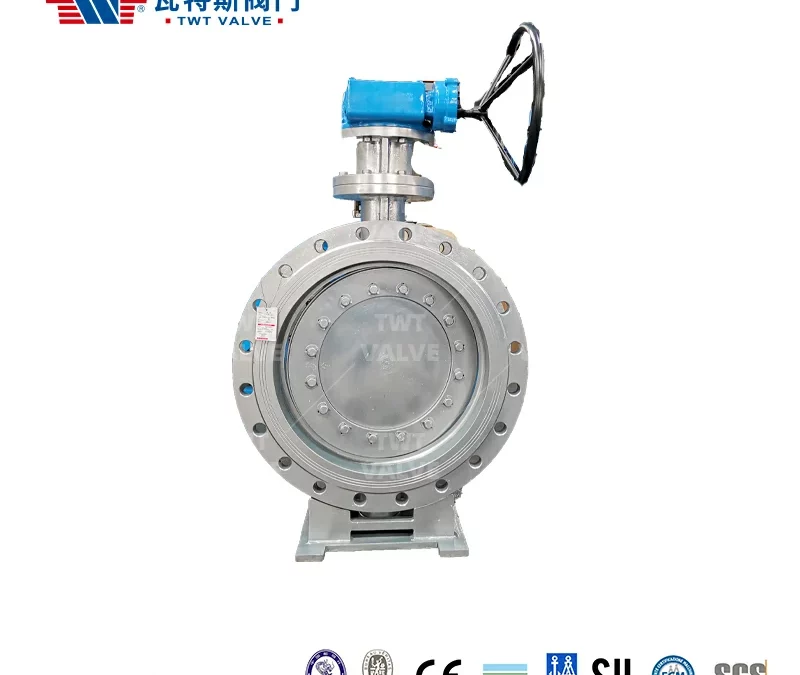
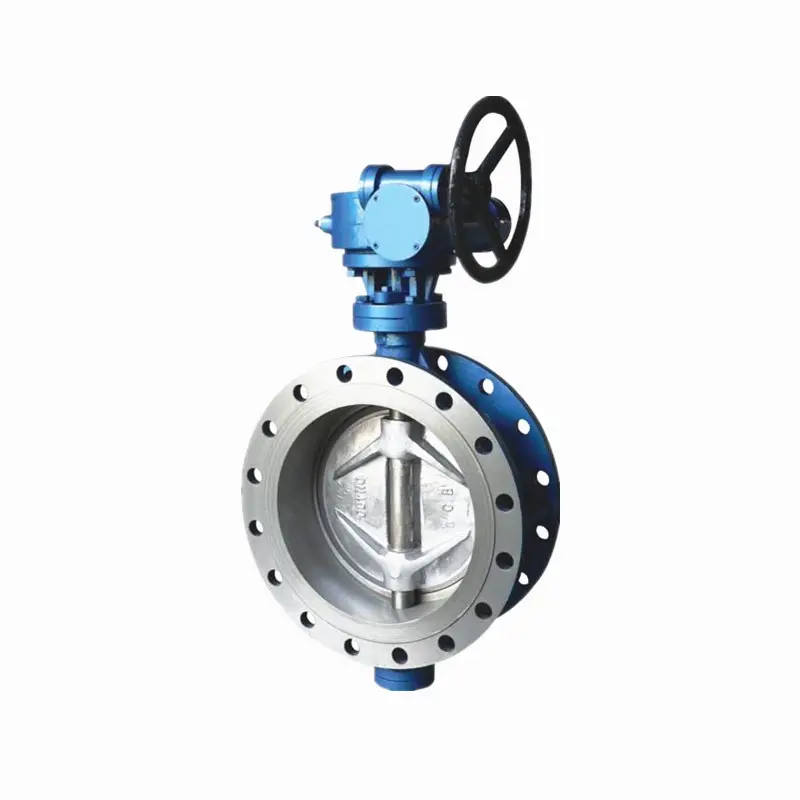
Zawór motylkowy z potrójnym przesunięciem, znany również jako potrójny mimośrodowy zawór motylkowy, to zaawansowany typ przepustnicy, który zawiera trzy różne przesunięcia, aby osiągnąć doskonałą skuteczność uszczelnienia. Rodzaje i zastosowania zaworów motylkowych z potrójnym przesunięciem (znane również jako potrójne zawory mimośrodowe):
Rodzaje zaworów motylkowych z potrójnym przesunięciem:
Zawór motylkowy z zerowym przesunięciem:
W tym konkretnym układzie, wał zaworu jest celowo odsunięty od środkowej osi gniazda zaworu. Tarcza lub płyta utrzymuje idealne wyrównanie z gniazdem, pozbawiony jakiejkolwiek ekscentryczności. Zawory motylkowe z zerowym przesunięciem znajdują szerokie zastosowanie w różnych sektorach przemysłu.
Zawór motylkowy z pojedynczym przesunięciem:
Tarcza jest umieszczona mimośrodowo w stosunku do gniazda zaworu. To przesunięcie pozwala na lepszą skuteczność uszczelnienia. Zawory motylkowe z pojedynczym przesunięciem są stosowane w kluczowych scenariuszach wymagających precyzyjnego zamknięcia.
Zawór motylkowy z podwójnym przesunięciem:
Oprócz przesunięć wału i tarczy, trzecie przesunięcie jest utworzone przez stożkową powierzchnię uszczelniającą. Zawory motylkowe z podwójnym przesunięciem doskonale wytrzymują warunki wysokiego ciśnienia i wysokiej temperatury. Oprócz przesunięć wału i tarczy, powierzchnia uszczelniająca jest stożkowa, tworząc trzecie przesunięcie. Zawory motylkowe z podwójnym przesunięciem nadają się do środowisk o wysokim ciśnieniu i wysokiej temperaturze. Oferują ulepszone możliwości uszczelniania w porównaniu do zaworów z pojedynczym przesunięciem.
Najbardziej zaawansowany typ w tej grupie, TOBV zawiera trzy różne offsety: Przesunięcie wału.
Przesunięcie powierzchni uszczelniającej. TOBV zapewnia doskonałe właściwości uszczelniające, nawet w ekstremalnych warunkach. Jest szeroko stosowany w krytycznych zastosowaniach, w których kluczowe znaczenie ma zerowy wyciek.
Zastosowania zaworów motylkowych z potrójnym przesunięciem:
- Przemysł chemiczny i przetwórstwo: TOBV są stosowane w zakładach chemicznych do precyzyjnej kontroli przepływu i izolacji.
- Odsolenie: Zawory te odgrywają kluczową rolę w zakładach odsalania, zapewnienie efektywnych procesów uzdatniania wody.
- Energia i wytwarzanie energii: TOBV są wykorzystywane w elektrowniach, w tym jądrowy, termiczny, i obiekty wykorzystujące energię odnawialną.
- Magazynowanie i transport LNG: Zawory motylkowe z potrójnym przesunięciem mają kluczowe znaczenie w przypadku skroplonego gazu ziemnego (LNG) systemy magazynowania i dystrybucji.
- Zastosowania morskie: Znajdują zastosowanie w przemyśle morskim do systemów pokładowych i platform morskich.
- Olej i gaz (Środkowy i dolny bieg): TOBV są niezbędne do kontrolowania przepływu w rurociągach, rafinerie, i zakłady petrochemiczne.
- Przemysł petrochemiczny: Zawory te obsługują agresywne chemikalia i wysokie ciśnienia.
- Przemysł celulozowo-papierniczy: TOBV wnoszą swój wkład
Mutrzymanie dla TZawory motylkowe z przesunięciem tętniącym:
Metody konserwacji zapewniające działanie potrójnego mimośrodowego zaworu motylkowego:
- Regularnie sprawdzaj szczelność zaworu, upewniając się, że powierzchnia pozostaje nienaruszona, aby zapobiec potencjalnym wyciekom.
- Zapewnienie zwrotności zaworu wymaga regularnego smarowania jego łożysk i uszczelek, poprawiając w ten sposób jego płynność działania.
- Rutynowe czyszczenie zarówno wewnętrznej, jak i zewnętrznej części zaworu jest niezbędne, aby zapobiec gromadzeniu się kurzu i zanieczyszczeń, co może zakłócić jego normalne funkcjonowanie.
Potrójny mimośrodowy zawór motylkowy znajduje szerokie zastosowanie w różnych zastosowaniach. Odgrywają kluczową rolę w zarządzaniu mediami płynnymi, zapewnienie stabilności i bezpieczeństwa systemu. Zatem nadanie priorytetu konserwacji potrójnych mimośrodowych zaworów motylkowych i niezwłoczne zajęcie się wszelkimi awariami to niezbędne kroki w kierunku zwiększenia wydajności produkcji i zapewnienia niezawodności sprzętu.



