Dez 7, 2023 | Nachricht
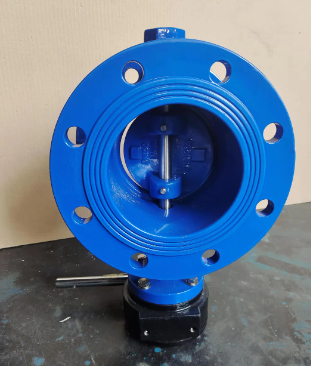
High performance eccentric butterfly valve, including DI butterfly valves and CI butterfly valves, offer reliable and efficient flow control solutions in industrial applications. Their unique design features, such as offset disc placement, low torque requirement, and pressure drop reduction, contribute to their superior performance. DI butterfly valves, made from ductile iron, provide robustness, Korrosionsbeständigkeit, and versatility, making them suitable for various industries. CI butterfly valves, constructed from cast iron, offer durability and a wide range of sizes, catering to different flow requirements.
Eccentric Butterfly Valves: Ein Überblick

Eccentric butterfly valves are quarter-turn valves that utilize a disc with an offset shaft to control fluid flow. This design ensures that the disc is fully disengaged from the flow path when the valve is open, reducing turbulence and pressure drop. Here are some key features of high-performance eccentric butterfly valves:
A) Sealing Capability: Eccentric butterfly valves provide excellent sealing performance due to the eccentric disc design. The disc is positioned off-center, allowing a bubble-tight seal against the valve seat when closed, minimizing leakage.
B) Low Torque Requirement: The eccentric disc design reduces the torque required to operate the valve. This results in easier and more efficient valve actuation, reducing operational costs and enhancing system performance.
C) Pressure Drop Reduction: High-performance eccentric butterfly valves are designed to minimize pressure drop when fully open, ensuring efficient flow with minimal energy loss.
AUS (Sphäroguss) Butterfly Valves: Features and Applications
DI butterfly valves are constructed using ductile iron, a type of cast iron that offers enhanced strength, Haltbarkeit, und Korrosionsbeständigkeit. Here are some notable features and applications of DI butterfly valve:
A) Robust Construction: Ductile iron provides exceptional mechanical strength, allowing DI butterfly valves to withstand high pressures and demanding industrial environments. They are resistant to impact, vibration, and thermal stress.
B) Korrosionsbeständigkeit: DI butterfly valves have excellent corrosion resistance, making them suitable for various applications involving corrosive fluids. They find applications in water treatment, wastewater management, chemische Verarbeitung, und HVAC-Systeme.
C) Vielseitigkeit: DI butterfly valves are available in various sizes and pressure ratings, allowing for flexibility in system design and installation. They can be used for both on-off and throttling applications.
D) Cost-Effective Solution: DI butterfly valves offer a cost-effective solution for flow control, combining durability and high performance at a competitive price point.
CI (Gusseisen) Butterfly Valves: Features and Applications
CI butterfly valves are constructed using cast iron, a material known for its strength and durability. Here are some key features and applications of CI butterfly valve:
A) Sturdy Construction: Cast iron provides robustness and longevity to CI butterfly valves, enabling them to withstand high pressures and harsh operating conditions. They are suitable for applications involving water, Luft, gases, and non-corrosive fluids.
B) Wide Range of Sizes: CI butterfly valves are available in a wide range of sizes, allowing for compatibility with various pipe diameters and flow rates. This versatility makes them suitable for diverse industrial applications.
C) Fire Protection Systems: CI butterfly valves are commonly used in fire protection systems, where they serve as control valves to regulate water flow. They play a crucial role in ensuring the effectiveness and reliability of fire suppression systems.
D) HVAC-Systeme: CI butterfly valves find extensive use in heating, Belüftung, and air conditioning (HVAC) systems. They offer efficient flow control for chilled water, hot water, and other HVAC fluids.

Dez 6, 2023 | Nachricht
Across waterworks projects, process flow control demands durable shut-off options for varied conditions. TWT Valve specializes in reliable designs optimizing maintenance accessibility and tight sealing.

Ideal for pipelines carrying raw slurries or sewage, TWT’s compact U type configuration wraps a one-piece disc body around the flow. Wafer and flanged ends secure directly between pipe flanges.
Lug-Type Butterfly Valve
Formed casing encloses the rotating disc, seated between extendable lug extensions for bolting between pipes or vessels. Convenient disassembly grants access without cutting pipe.
Double-Eccentric Butterfly Valve
Two offset disc shafts configure this specialized style to open and close tightly despite uneven erosive buildup on one side. Symmetric pressure distribution prevents binding.
Remotely actuated valves feature replaceable extended stems allowing installation in deeper trenches or small pits without needing excavation. Convenient gearbox actuation ensures tight shut-off.
Triple-Offset Butterfly Valve
Dynamic discs eliminate interference between stem and housing for an ultra-smooth motion and drip-tight shut-off relevant to gas or liquid transfer applications. Fire-tested designs rated for critical services.
With proven performance across corrosive slurries, boiler feedwater, chemicals and beyond, TWT pn16 Absperrklappe manufactures versatile choice for shut-off and throttling process flow with maximum dependability. Robust engineering withstands the most extreme industrial demands.

Dez 5, 2023 | Nachricht
In industrial applications, valves play a crucial role in regulating fluid flow and ensuring system efficiency and safety. Two commonly used valve types are butterfly valves and check valves. While both serve important functions in controlling flow, they have distinct designs and operating principles.
Butterfly Valves: Function and Design

Butterfly valves are quarter-turn valves that use a disc-shaped closure element to control fluid flow. The disc is mounted on a shaft at the center of the valve body and can be rotated to open or close the flow passage. When the disc is fully open, it allows unobstructed flow, and when closed, it creates a tight seal to prevent flow. The key features of butterfly valves include:
A) Disc Design: The disc of a butterfly valve is typically flat or slightly curved, resembling the shape of a butterfly’s wings. This design allows for a compact valve profile and low-pressure drop when fully open.
B) Betrieb: Butterfly valves are operated by a handle, lever, or actuator. They offer quick and easy operation, requiring only a quarter-turn to open or close the valve fully.
C) Anwendungen: Butterfly valves are commonly used in large-scale industrial applications where fast, efficient flow control is required. They are suitable for controlling the flow of liquids, gases, and slurries in various industries, including water treatment, HVAC-Systeme, food processing, und chemische Verarbeitung.
Prüfe Ventile: Function and Design
Prüfe Ventile, auch als Rückschlagventile oder Einwegventile bekannt, are designed to allow fluid flow in one direction while preventing backflow. These valves automatically open when the fluid flows in the desired direction and close to prevent backflow. The key features of check valves include:
A) Closure Mechanism: Check valves utilize different closure mechanisms, depending on the specific type. One common type is the tilting disc check valve, which we will focus on in this blog post.
B) Kippscheiben-Rückschlagventile: Tilting disc check valves have a disc that is hinged at one end and is free to pivot. The disc swings open to allow flow in the forward direction and closes due to fluid pressure when there is backflow. This design minimizes pressure drop and turbulence when the valve is open.
C) Anwendungen: Check valve 6 inch are essential in preventing reverse flow and protecting equipment and piping systems from damage. They find applications in various industries, einschließlich Öl und Gas, chemische Verarbeitung, Stromerzeugung, and wastewater treatment.
Differences Between Butterfly Valves and Check Valves
Now, let’s explore the key differences between butterfly valves and check valves, focusing on the specific types mentioned earlier.
A) Funktionsprinzip: Butterfly valves control flow by rotating a disc, while check valves allow flow in one direction and prevent backflow.
B) Flow Characteristics: Butterfly valves provide excellent flow control with low-pressure drop when fully open. Prüfe Ventile, auf der anderen Seite, allow unidirectional flow and automatically close to prevent reverse flow.
C) Closure Mechanism: Butterfly valves use a disc that rotates on a shaft to open or close the valve. Tilting disc check valves, as the name suggests, have a disc that tilts or pivots to allow or block flow.
D) Druckverlust: Butterfly valves generally have a lower pressure drop compared to tilting disc check valve, as their design allows for a more direct flow path.
e) Rückflussverhinderung: Prüfe Ventile, including tilting disc check valves, are specifically designed to prevent backflow and protect equipment downstream. Butterfly valves are not primarily intended for backflow prevention.
f) Installation Orientation: Butterfly valves can be installed in any orientation, including vertical, horizontal, or inclined positions. The installation of tilting disc check valves is typically limited to specific orientations to ensure proper functioning.
g) Größenbereich: Butterfly valves are available in larger sizes, making them suitable for applications involving larger flow rates. Tilting disc check valves are generally used in smaller to medium-sized pipelines.
h) Application Compatibility: Butterfly valves are versatile and find applications in a wide range of industries and systems. Prüfe Ventile, including tilting disc check valves, are commonly used in systems where preventing backflow is critical, such as pump discharge lines, cooling systems, and piping networks.
As leading valves manufacturer and supplier in China, TWT supplies quality butterfly check valve with factory price.

Dez 4, 2023 | Nachricht
Rückschlagventile und Zwischenabsperrklappen sind wesentliche Komponenten in industriellen Flüssigkeitshandhabungssystemen. Rückschlagventile sorgen für einen unidirektionalen Durchfluss, Verhindert einen Rückfluss und schützt Geräte und Prozesse. Wafer-Absperrklappen bieten vielseitige Möglichkeiten zur Durchflussregelung, ermöglicht eine präzise Regulierung der Flüssigkeitsdurchflussraten.
Prüfe Ventile: Gewährleistung eines unidirektionalen Flusses

Ventile prüfen durch China-Ventilhersteller, sind wesentliche Komponenten, die den Flüssigkeitsfluss in eine Richtung ermöglichen und gleichzeitig einen Rückfluss verhindern. Hier sind die wichtigsten Aspekte von Rückschlagventilen:
A. Funktionsprinzip: Rückschlagventile ab Hersteller von Wafer-Rückschlagventilen in China, arbeiten nach dem Prinzip eines selbsttätigen Mechanismus. Sie nutzen den Druck der fließenden Flüssigkeit, um das Ventil zu öffnen und den Durchfluss zu ermöglichen, während der Rückfluss das Ventil schließt, Blockieren Sie effektiv den Rückfluss.
B. Design des Wafer-Rückschlagventils: Zwischenflansch-Rückschlagventile sind so konzipiert, dass sie zwischen zwei Flansche in einer Rohrleitung passen, Dadurch entfällt die Notwendigkeit zusätzlicher Anschlüsse. Sie haben ein schlankes Profil und sind leicht, Dadurch eignen sie sich für Anwendungen mit begrenzten Platz- oder Gewichtsbeschränkungen.
C. Unidirektionale Flusskontrolle: Rückschlagventile sorgen für einen unidirektionalen Durchfluss, Dadurch kann die Flüssigkeit ungehindert in eine Richtung fließen und gleichzeitig ein Rückfluss verhindert werden. Diese Funktion ist in Systemen von entscheidender Bedeutung, in denen ein Rückfluss Schäden verursachen kann, Kontamination, oder ineffizienter Betrieb.
D. Anwendungen: Rückschlagventile finden in verschiedenen Branchen Anwendung, einschließlich Öl und Gas, Wasserversorgung, chemische Verarbeitung, und HVAC-Systeme. Sie werden häufig in Pumpenauslassleitungen verwendet, Dampfsysteme, und Anwendungen, die Schutz vor Rückfluss erfordern.
Absperrklappen vom Zwischenflanschtyp: Vielseitige Durchflusskontrolle
Absperrklappen vom Zwischenflanschtyp sind vielseitige Geräte zur Regulierung oder Isolierung des Flüssigkeitsflusses. Hier sind die wichtigsten Aspekte von Wafer-Absperrklappen:
A. Funktionsprinzip: China-Wafer-Absperrklappe Sie funktionieren durch Drehen eines scheibenförmigen Verschlusselements (die Schmetterlingsscheibe) innerhalb des Ventilkörpers. Die Scheibe ist mit einem Schaft verbunden, der gedreht werden kann, um den Durchfluss durch Öffnen oder Schließen des Ventils zu steuern.
B. Wafer-Absperrklappendesign: Diese Ventile haben eine kompakte Bauweise und werden zwischen den Flanschen einer Rohrleitung eingebaut. Sie haben keine Nase oder Flansch am Ventilkörper, Ermöglicht eine einfache Installation und Entfernung.
C. Ablaufsteuerung: Zwischenabsperrklappen bieten hervorragende Drosselmöglichkeiten, ermöglicht eine präzise Steuerung der Durchflussmenge. Die Scheibe kann so positioniert werden, dass die Öffnung variiert wird, Bietet Flexibilität bei der Regulierung des Flüssigkeitsflusses.
D. Anwendungen: Wafer-Absperrklappen werden häufig in Branchen wie der Wasseraufbereitung eingesetzt, HVAC, chemische Verarbeitung, und Essen und Trinken. Sie eignen sich für Anwendungen, die eine effiziente Durchflussregelung erfordern, wie Kühlwassersysteme, Bewässerungssysteme, und Prozesspipelines.
Unterschiede zwischen Rückschlagventilen und Wafer-Absperrklappen
Während sowohl Rückschlagventile als auch Wafer-Absperrklappen eine entscheidende Rolle in Flüssigkeitshandhabungssystemen spielen, sie unterscheiden sich in mehreren Aspekten:
A. Ablaufsteuerung: Rückschlagventile lassen den Durchfluss nur in eine Richtung zu und verhindern einen Rückfluss, während Wafer-Absperrklappen eine präzise Durchflusskontrolle durch Variation der Scheibenposition bieten.
B. Design: Rückschlagventile haben ein schlankes Profil und passen zwischen Flansche, während Wafer-Absperrklappen zwischen Flanschen angeordnet sind und ein kompaktes Design haben.
C. Druckverlust: Rückschlagventile weisen aufgrund ihrer einfachen Bauweise typischerweise einen geringeren Druckabfall auf, Dagegen kann es bei Wafer-Absperrklappen aufgrund der Scheibenkonstruktion und des Strömungswegs zu einem etwas höheren Druckabfall kommen.
D. Anwendungen: Rückschlagventile dienen vor allem der Rückflussverhinderung, Wafer-Absperrklappen sind vielseitig und werden häufig zur Durchflussregulierung und -isolierung eingesetzt.

Dez 4, 2023 | Nachricht
Wafer vs Lug Butterfly Valve are widely used in various industries, and wafers and lugs are two common types of butterfly valves. Obwohl sie einige Gemeinsamkeiten aufweisen, they have distinct differences in terms of design, Funktionalität, und Anwendung. This article will provide a comprehensive comparison between wafer and lug butterfly valves.
Wafer butterfly valves are designed with a thin, disk-shaped valve body mounted between two flanges. The valve disc is centered on a stem and rotates 90 degrees to open or close the valve. On the other hand, lug butterfly valves have a lug-style valve body mounted on a stem and rotate 90 degrees to open or close the valve. The main difference between the two is the design of the valve body and the way it is mounted.

Application and Industries
Wafer butterfly valves are commonly used in applications where space is limited, such as in chemical plants, water treatment facilities, and oil refineries. They are also used in applications where high-pressure and high-temperature resistance are required.
Lug butterfly valves, auf der anderen Seite, are commonly used in applications where a larger valve is required, such as in power plants, shipbuilding, and heavy industry. They are also used in applications where low-pressure and low-temperature resistance are required.
Advantages and Disadvantages
Wafer butterfly valves have several advantages, einschließlich:
- Kompaktes Design, ideal for space-limited applications
- High-pressure and high-temperature resistance
- Easy to maintain and repair
Jedoch, they also have some disadvantages, wie zum Beispiel:
- Limited size and weight capacity
- More expensive than lug butterfly valves
Lug butterfly valves, auf der anderen Seite, have several advantages, einschließlich:
- Larger size and weight capacity
- Lower cost than wafer butterfly valves
- Easier to install and maintain
Jedoch, they also have some disadvantages, wie zum Beispiel:
- Less compact design, not ideal for space-limited applications
- Lower pressure and temperature resistance

How to Choose the Right Butterfly Valve
When choosing between a wafer and lug butterfly valve, it is important to consider the following factors:
- Application and industry requirements
- Pressure and temperature resistance
- Size and weight capacity
- Cost and maintenance requirements
By considering these factors, you can make an informed decision and choose the right butterfly valve for your needs.
Abschluss
Abschließend, wafer and lug butterfly valves are two distinct types of valves that cater to different applications and industries. Obwohl sie einige Gemeinsamkeiten aufweisen, they have distinct differences in terms of design, Funktionalität, und Anwendung. By understanding the differences and considering the abovementioned factors, you can make an informed decision and choose the right valve for your needs.



