
يناير 18, 2024 | أخبار
If your gate valve is malfunctioning, you’re probably wondering how much it will cost to repair it. The truth is that the cost of repairing a gate valve can vary widely, depending on several factors. في هذه المقالة, we’ll take a closer look at the factors that affect the cost of repair and provide a step-by-step guide on how to repair a gate valve efficiently and cost-effectively.
Factors Affecting the Cost of Gate Valve Repair
Before we dive into the repair process, it’s important to understand the factors that can affect the cost of repair. Here are some of the most common factors:
Type of valve: The type of valve you have will significantly affect the repair cost. For example, a simple gate valve may cost less to repair than a more complex valve with multiple components.
Size of valve: The larger the valve, the more expensive the repair will be. This is because larger valves require more materials and labor to fix.
Material of valve: The material of the valve can also affect the repair cost. For example, a valve made of high-quality materials may be more expensive to repair than one made of lower-quality materials.
Location of valve: The location of the valve can also impact the repair cost. For example, a valve located in a remote area may require more labor and materials to repair, increasing the cost.
Extent of damage: The extent of damage to the valve will also affect the repair cost. If the valve is severely damaged, it may require more parts and labor to fix, increasing the cost.

A Step-by-Step Guide to Repairing a Gate Valve
Repairing a gate valve can seem daunting, but with the right tools and knowledge, it can be done efficiently and cost-effectively. Here’s a step-by-step guide to help you repair your gate valve:
Turn off the water supply: Before starting the repair, turn off the water supply to the valve to avoid any further damage or flooding.
Remove the valve cover: Remove the valve cover to access the internal components. This will give you a clear view of the damage and help you determine the necessary repairs.
Identify the problem: Identify the root cause of the problem. Is it a faulty stem, a damaged seat, or a clogged port? Once you’ve identified the problem, you can determine the necessary repairs.
Replace damaged parts: Replace any damaged parts, such as the stem or seat, with new ones. Make sure to use parts that are compatible with your valve.
Clean or replace the valve port: If the valve port is clogged, clean it out or replace it if necessary.
Reassemble the valve: Once you’ve made the necessary repairs, reassemble the valve in the reverse order of how you disassembled it.
Turn on the water supply: Once the valve is reassembled, turn on the water supply and test the valve to ensure it’s working properly.

خاتمة
Repairing a gate valve can seem like a daunting task, but with the right knowledge and tools, it can be done efficiently and cost-effectively. By understanding the factors that affect the cost of repair and following a step-by-step guide, you can save money and time.
While ensuring your valve is working properly. يتذكر, if you’re not comfortable with repairing, it’s always best to consult a professional plumber to avoid any further damage or safety hazards.
يناير 16, 2024 | أخبار
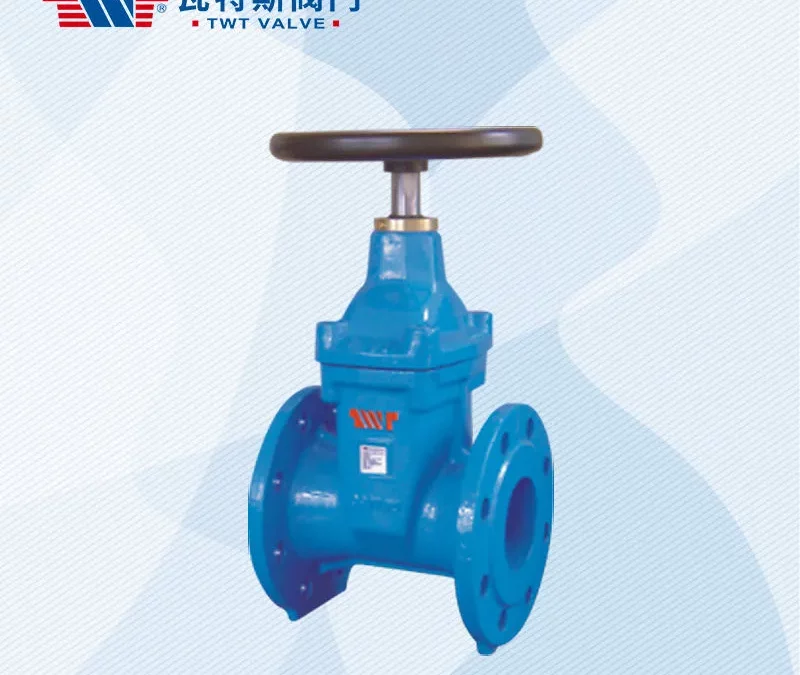
Gate valves are widely used in various industries for controlling the flow of fluids. They offer reliable shut-off capabilities and low pressure drop. In this blog post, we will explore three different types of gate valves: BS5163 PN16 gate valve, DIN3202F4 gate valve, و Resilient Seat gate valve. Understanding the characteristics and applications of each type can help you make informed decisions when selecting the right gate valve for your specific needs. Let’s delve into the features and benefits of these types of gate valves.

Section 1: BS5163 PN16 Gate Valve
صمام البوابة BS5163 pn16 conforms to the British Standard and are designed for use in applications with a pressure rating of PN16. These gate valves feature a rising stem, which indicates the valve’s position visually. They are suitable for a wide range of industries, including water supply, معالجة مياه الصرف الصحي, and irrigation systems. The BS5163 PN16 gate valve offers excellent sealing performance, durability, and ease of maintenance. It is designed to withstand high pressures and provides reliable shut-off capabilities in both on/off and throttling applications.
Section 2: DIN3202F4 Gate Valve
DIN3202F4 gate valves adhere to the German standard and are commonly used in applications with a pressure rating of PN10 or PN16. These gate valves feature a non-rising stem design, which makes them suitable for installations with limited vertical space. The DIN3202F4 gate valve is widely used in industries such as chemical processing, oil and gas, and water treatment plants. It offers excellent flow control, reliable sealing, and resistance to corrosion. The non-rising stem design eliminates the need for a large operating space and simplifies installation and maintenance procedures.
Section 3: Resilient Seat Gate Valve
Resilient seat gate valves, also known as soft-seated gate valves, are designed with a rubber or elastomer seat for improved sealing capabilities. These gate valves are commonly used in applications where tight shut-off is required, such as water distribution, wastewater treatment, and fire protection systems. The resilient seat gate valve offers excellent resistance to water hammer, low operating torque, and reliable sealing even in low-pressure applications. The elastomer seat provides a tight seal, preventing leakage and ensuring long-term performance.
Gate valves play a crucial role in fluid control applications, and selecting the right type is essential for optimal performance. The BS5163 PN16 gate valve is suitable for applications requiring high-pressure capabilities, while the DIN3202F4 gate valve offers a non-rising stem design for limited vertical space installations. The resilient seat gate valve provides excellent sealing properties and is ideal for applications where tight shut-off is essential. Understanding the features and applications of each type of gate valve will help you make informed decisions for your specific fluid control needs. Whether it’s water supply, المعالجة الكيميائية, or wastewater treatment, choosing the right gate valve ensures reliable and efficient flow control in your systems.
يناير 16, 2024 | أخبار
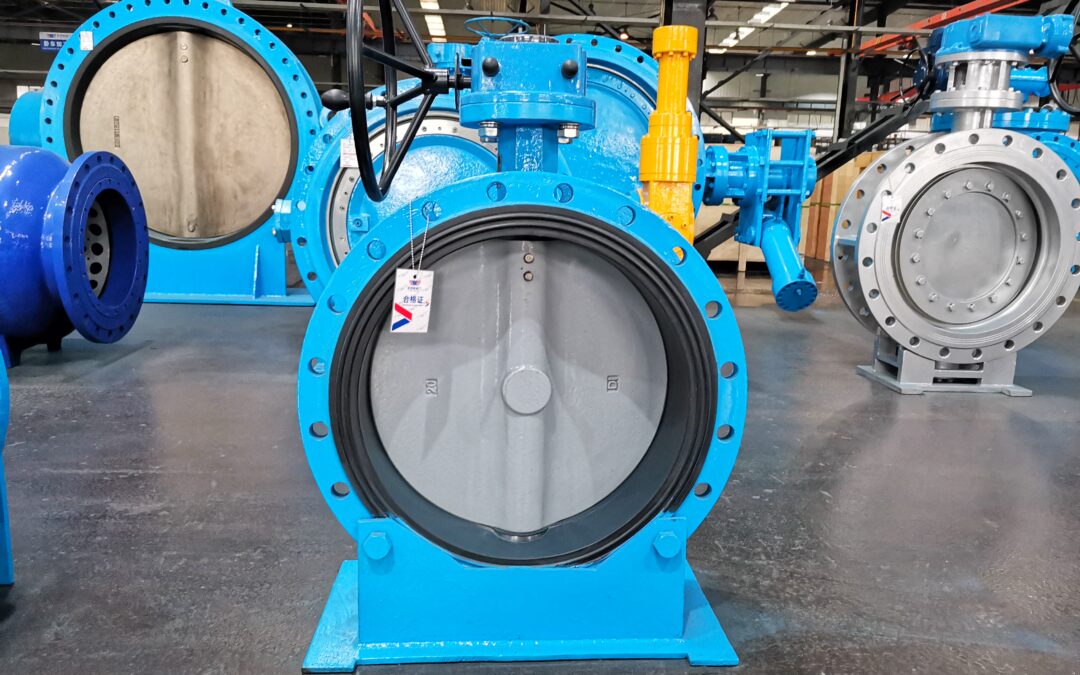
Ductile iron double eccentric, electric pneumatic, and large size double flange butterfly valves represent distinct solutions for various industrial flow control applications. By understanding their unique features, التطبيقات, and selection considerations, engineers and technicians can make informed decisions when choosing the most suitable valve for their specific requirements. These valves play a vital role in ensuring efficient and reliable flow management across a diverse range of industries.

1. Ductile Iron Double Eccentric Butterfly Valves
Ductile iron double eccentric butterfly valves are renowned for their durability, مصداقية, and versatility. Here are their key characteristics:
- مادة: Constructed from ductile iron, these valves offer exceptional strength and resistance to corrosion, making them suitable for a wide range of industrial applications.
- Double Eccentric Design: The unique double eccentric design ensures a tight seal even under high-pressure conditions, minimizing leakage and enhancing flow control precision.
- التطبيقات: Ductile iron double eccentric butterfly valves are commonly used in water treatment plants, chemical processing facilities, محطات توليد الطاقة, and various other industries.
2. Electric Pneumatic Butterfly Valves
Electric pneumatic butterfly valves combine the advantages of electric and pneumatic actuation, providing precise control and remote operation capabilities. Their notable features include:
- Actuation: These valves are equipped with both electric and pneumatic actuators, allowing for flexible control options. Electric actuators enable precise positioning and remote operation, while pneumatic actuators provide reliable operation in hazardous environments.
- براعه: Electric pneumatic butterfly valves are suitable for a wide range of applications, including process control, أنظمة التدفئة والتهوية وتكييف الهواء, and industrial automation.
- Control: They offer precise flow control and can be integrated with automation systems for efficient process management.
3. Large Size Double Flange Butterfly Valves
Large size double flange butterfly valves are designed to handle high flow rates and are commonly used in large-scale industrial applications. Their key features are:
- مقاس: These valves come in large diameters, ranging from several inches to several feet, making them suitable for high-volume flow applications.
- اتصال شفة: Double flange valves feature flanges on both ends, enabling easy installation and removal from the pipeline.
- التطبيقات: Large size double flange butterfly valves are widely used in water distribution systems, wastewater treatment plants, محطات توليد الطاقة, and other large-scale industrial facilities.
4. Selection Considerations
When choosing among ductile iron double eccentric, electric pneumatic, and large size double flange butterfly valves, consider the following factors:
- طلب: Determine the specific application and the required flow rate, ضغط, and temperature conditions.
- Material Compatibility: Ensure that the valve material is compatible with the fluid being handled.
- Actuation Requirements: Decide whether electric, pneumatic, or manual actuation best suits your application.
- Size and Connection: Select the appropriate valve size and flange type based on the pipeline specifications.
- Quality and Standards: Opt for valves that meet industry standards and are manufactured by reputable brands.
يناير 16, 2024 | أخبار
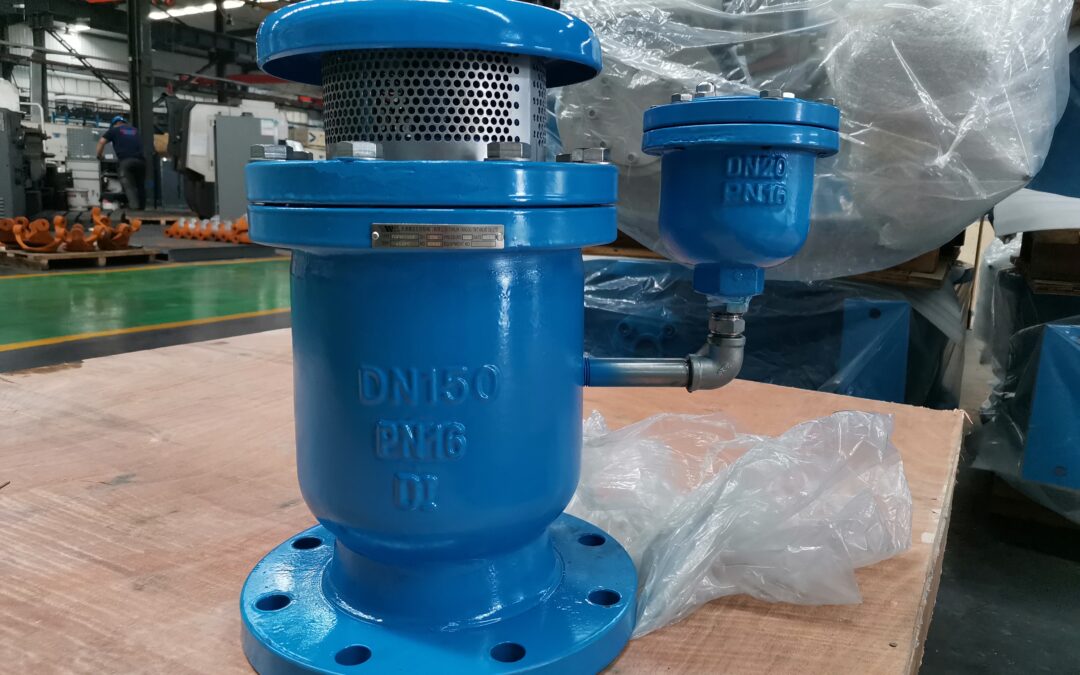
Combined air release valves and double orifice air valves offer numerous benefits for pipeline systems, such as efficient air release, vacuum prevention, براعة, and easy maintenance. As a crucial part of a pipeline system, it’s important to understand the different types of air valves and their functions to ensure the proper functioning and longevity of the system. Consider using combined air release valves and double orifice air valves in your pipeline system for optimal performance and maintenance.

- صمامات إطلاق الهواء: These valves are used to release air pockets from the pipeline, preventing air from causing damage or hindering the flow of liquid.
- Air Vacuum Valves: These valves prevent the formation of a vacuum in the pipeline, which can lead to pipeline collapse or damage.
- Combined Air Release Valves: These valves combine the functions of air release valves and air vacuum valves, making them highly efficient and versatile for pipeline systems.
- Double Orifices Air Valves: These valves have two orifices, one for releasing air and the other for preventing a vacuum, making them suitable for both high and low-pressure systems.
Benefits of Combined Air Release Valves
- Efficient Air Release: Combined air release valves can release air pockets quickly and efficiently, maintaining the system’s efficiency and preventing damage.
- Prevents Vacuum: These valves can also prevent the formation of a vacuum, ensuring the pipeline’s stability and preventing potential damage.
- براعه: As these valves combine the functions of air release and air vacuum valves, they are suitable for both high and low-pressure systems, making them highly versatile for different pipeline systems.
Benefits of Double Orifice Air Valves
- Dual Functionality: The two orifices in double orifice air valves allow for both air release and vacuum prevention, making them highly efficient for maintaining the pipeline’s integrity.
- Suitable for Different Pressures: These valves can be used in both high and low-pressure systems, making them suitable for a wide range of pipeline systems.
- Easy Maintenance: Double orifice air valves are designed for easy maintenance, with replaceable parts and simple cleaning procedures.

يناير 16, 2024 | أخبار
تعد صمامات الفحص من مكونات السباكة الأساسية المستخدمة لمنع التدفق العكسي في الأنابيب. أنها تأتي في تصاميم مختلفة مناسبة لتطبيقات مختلفة. ثلاثة أنواع شائعة هي لوحة مزدوجة, رقاقة باب مزدوج, وصمامات فحص القرص المزدوج.
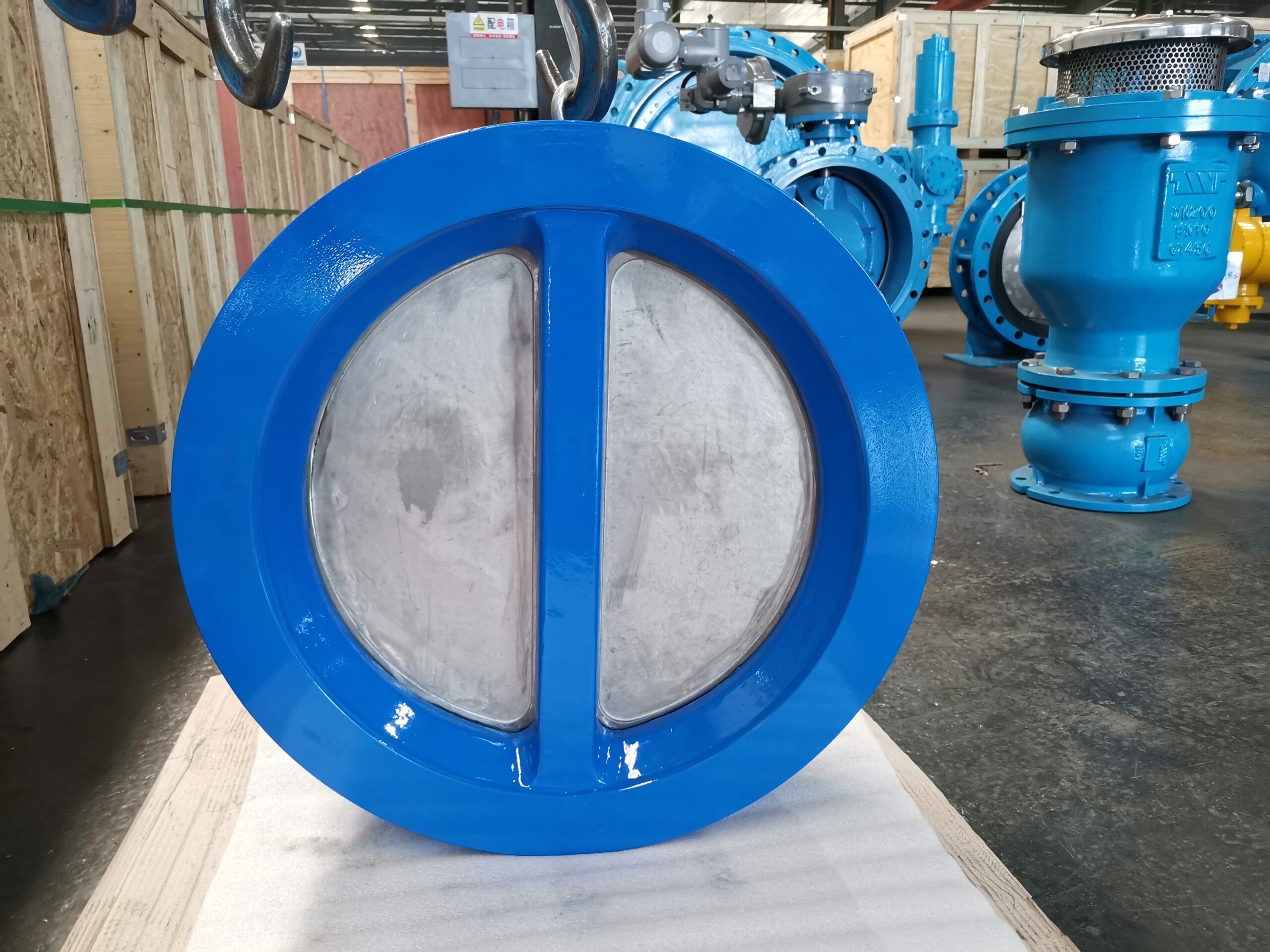
صمام فحص مزدوج اللوحة
صمامات فحص مزدوجة الألواح تتميز بلوحتين مسطحتين أو سدادات قرصية تتحرك بشكل مستقل. عندما يتدفق السائل إلى الأمام, اللوحات منفصلة للسماح بالمرور. في التدفق العكسي, تغلق الصفائح بإحكام على بعضها البعض لمنع التدفق.
إنها مدمجة في التصميم ويمكن تركيبها مباشرة في خطوط الأنابيب المشابهة لصمامات فحص الرقاقة. تعمل الصمامات ذات اللوحة المزدوجة بشكل جيد في تكوينات الأنابيب الرفيعة حيث تكون المساحة محدودة. وتشمل التطبيقات أنظمة التبريد, هواء مضغوط, والعمليات البتروكيميائية.
صمام فحص الباب المزدوج للويفر
حسب الاسم المقترح, صمامات فحص الباب المزدوج للرقاقة عند “رقاقة” جسم أنيق يمكن وضعه بين حواف خطوط الأنابيب. يوجد في الداخل لوحتان من الأبواب المفصلية التي تفتح بشكل محوري في التدفق الأمامي وتغلق بإحكام ضد بعضها البعض في التدفق العكسي.
يوفر ترتيب الباب المزدوج على هذه الصمامات إغلاقًا إيجابيًا مقارنة بتصميمات الباب الواحد. إنها مثالية للسوائل الأكثر لزوجة أو كثيفة مثل الملاط, أحماض خفيفة, والزيوت. الأطراف ذات الحواف تجعلها متوافقة مع معظم أنظمة الأنابيب أيضًا.
صمامات فحص القرص المزدوج
صمامات فحص القرص المزدوج تحتوي على ختمين قرصيين دائريين يفتحان ويغلقان مقابل بعضهما البعض. يتم ربط كل قرص بجذع محوري مستقل بحيث يتحرك بشكل مستقل. يتيح هذا التصميم التشغيل السلس مع الثني والختم ثنائي الاتجاه.
تتفوق صمامات فحص الأقراص المزدوجة في تطبيقات تدفق السوائل الاهتزازية أو النابضة مثل محطات الطاقة الكهرومائية أو محطات الضخ. إن أختام الأقراص المرنة الخاصة بها مناسبة لإغلاق مخاليط السوائل المعقدة أيضًا. تعمل هذه الصمامات أيضًا على تخفيف الضغط ذاتيًا لمنع تراكم الضغط.
في ملخص, لوحة مزدوجة, رقاقة باب مزدوج, وتعرض صمامات فحص القرص المزدوج اختلافات في التصميم تميز توافق التثبيت وقدرات التعامل مع السوائل. يعتمد اختيار نوع الصمام المناسب على متطلبات التطبيق.


