
Ene 18, 2024 | Noticias
If your gate valve is malfunctioning, you’re probably wondering how much it will cost to repair it. The truth is that the cost of repairing a gate valve can vary widely, depending on several factors. En este articulo, we’ll take a closer look at the factors that affect the cost of repair and provide a step-by-step guide on how to repair a gate valve efficiently and cost-effectively.
Factors Affecting the Cost of Gate Valve Repair
Before we dive into the repair process, it’s important to understand the factors that can affect the cost of repair. Here are some of the most common factors:
Type of valve: The type of valve you have will significantly affect the repair cost. Por ejemplo, a simple gate valve may cost less to repair than a more complex valve with multiple components.
Size of valve: The larger the valve, the more expensive the repair will be. This is because larger valves require more materials and labor to fix.
Material of valve: The material of the valve can also affect the repair cost. Por ejemplo, a valve made of high-quality materials may be more expensive to repair than one made of lower-quality materials.
Location of valve: The location of the valve can also impact the repair cost. Por ejemplo, a valve located in a remote area may require more labor and materials to repair, increasing the cost.
Extent of damage: The extent of damage to the valve will also affect the repair cost. If the valve is severely damaged, it may require more parts and labor to fix, increasing the cost.

A Step-by-Step Guide to Repairing a Gate Valve
Repairing a gate valve can seem daunting, but with the right tools and knowledge, it can be done efficiently and cost-effectively. Here’s a step-by-step guide to help you repair your gate valve:
Turn off the water supply: Before starting the repair, turn off the water supply to the valve to avoid any further damage or flooding.
Remove the valve cover: Remove the valve cover to access the internal components. This will give you a clear view of the damage and help you determine the necessary repairs.
Identify the problem: Identify the root cause of the problem. Is it a faulty stem, a damaged seat, or a clogged port? Once you’ve identified the problem, you can determine the necessary repairs.
Replace damaged parts: Replace any damaged parts, such as the stem or seat, with new ones. Make sure to use parts that are compatible with your valve.
Clean or replace the valve port: If the valve port is clogged, clean it out or replace it if necessary.
Reassemble the valve: Once you’ve made the necessary repairs, reassemble the valve in the reverse order of how you disassembled it.
Turn on the water supply: Once the valve is reassembled, turn on the water supply and test the valve to ensure it’s working properly.

Conclusión
Repairing a gate valve can seem like a daunting task, but with the right knowledge and tools, it can be done efficiently and cost-effectively. By understanding the factors that affect the cost of repair and following a step-by-step guide, you can save money and time.
While ensuring your valve is working properly. Recordar, if you’re not comfortable with repairing, it’s always best to consult a professional plumber to avoid any further damage or safety hazards.
Ene 16, 2024 | Noticias
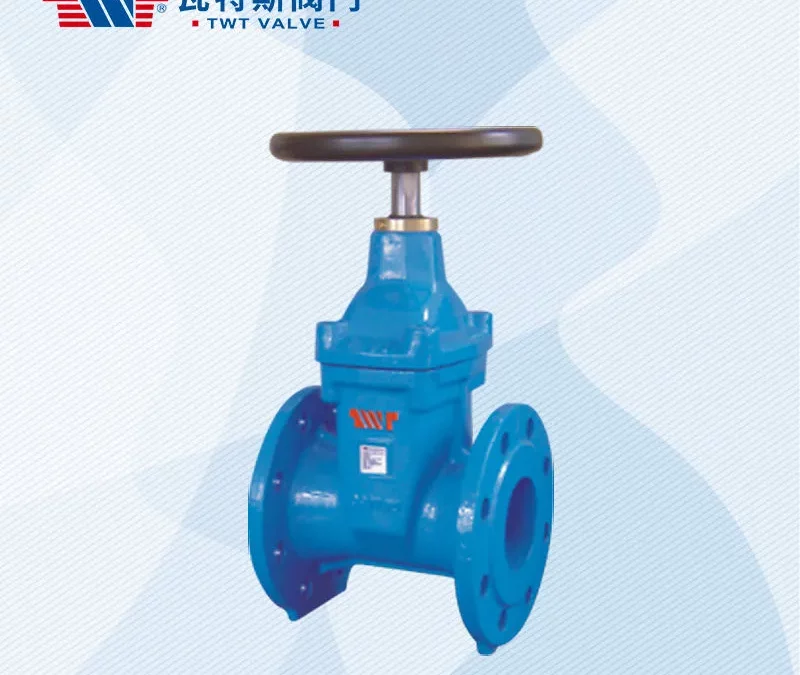
Las válvulas de compuerta se utilizan ampliamente en diversas industrias para controlar el flujo de fluidos.. Ofrecen capacidades de cierre confiables y baja caída de presión.. En esta publicación de blog, Exploraremos tres tipos diferentes de válvulas de compuerta.: Válvula de compuerta BS5163 PN16, Válvula de compuerta DIN3202F4, y Válvula de compuerta de asiento resistente. Comprender las características y aplicaciones de cada tipo puede ayudarle a tomar decisiones informadas al seleccionar la válvula de compuerta adecuada para sus necesidades específicas.. Profundicemos en las características y beneficios de este tipo de válvulas de compuerta.

Sección 1: Válvula de compuerta BS5163 PN16
Válvula de compuerta BS5163 pn16 Cumple con la norma británica y está diseñado para su uso en aplicaciones con una presión nominal de PN16.. Estas válvulas de compuerta cuentan con un vástago ascendente, que indica visualmente la posición de la válvula. Son adecuados para una amplia gama de industrias., incluido el suministro de agua, tratamiento de aguas residuales, y sistemas de riego. La válvula de compuerta BS5163 PN16 ofrece un excelente rendimiento de sellado, durabilidad, y facilidad de mantenimiento. Está diseñado para soportar altas presiones y proporciona capacidades de cierre confiables tanto en aplicaciones de encendido/apagado como de regulación..
Sección 2: Válvula de compuerta DIN3202F4
Las válvulas de compuerta DIN3202F4 cumplen con el estándar alemán y se usan comúnmente en aplicaciones con una presión nominal de PN10 o PN16.. Estas válvulas de compuerta cuentan con un diseño de vástago no ascendente., lo que los hace adecuados para instalaciones con espacio vertical limitado. La válvula de compuerta DIN3202F4 se usa ampliamente en industrias como la de procesamiento químico., petróleo y gas, y plantas de tratamiento de agua. Ofrece un excelente control de flujo., sellado confiable, y resistencia a la corrosión. El diseño del vástago no ascendente elimina la necesidad de un gran espacio operativo y simplifica los procedimientos de instalación y mantenimiento..
Sección 3: Válvula de compuerta de asiento resistente
Válvulas de compuerta de asiento resistente, También conocidas como válvulas de compuerta de asiento blando., Están diseñados con un asiento de caucho o elastómero para mejorar la capacidad de sellado.. Estas válvulas de compuerta se usan comúnmente en aplicaciones donde se requiere un cierre hermético., como la distribución de agua, tratamiento de aguas residuales, y sistemas de protección contra incendios. La válvula de compuerta de asiento resistente ofrece una excelente resistencia al golpe de ariete., par de funcionamiento bajo, y sellado confiable incluso en aplicaciones de baja presión. El asiento de elastómero proporciona un sellado hermético., Prevenir fugas y garantizar el rendimiento a largo plazo..
Las válvulas de compuerta desempeñan un papel crucial en las aplicaciones de control de fluidos, y seleccionar el tipo correcto es esencial para un rendimiento óptimo. La válvula de compuerta BS5163 PN16 es adecuada para aplicaciones que requieren capacidades de alta presión., mientras que la válvula de compuerta DIN3202F4 ofrece un diseño de vástago no ascendente para instalaciones con espacio vertical limitado. La válvula de compuerta de asiento resistente proporciona excelentes propiedades de sellado y es ideal para aplicaciones donde es esencial un cierre hermético.. Comprender las características y aplicaciones de cada tipo de válvula de compuerta lo ayudará a tomar decisiones informadas para sus necesidades específicas de control de fluidos.. Ya sea suministro de agua, procesamiento químico, o tratamiento de aguas residuales, Elegir la válvula de compuerta adecuada garantiza un control de flujo confiable y eficiente en sus sistemas..
Ene 16, 2024 | Noticias
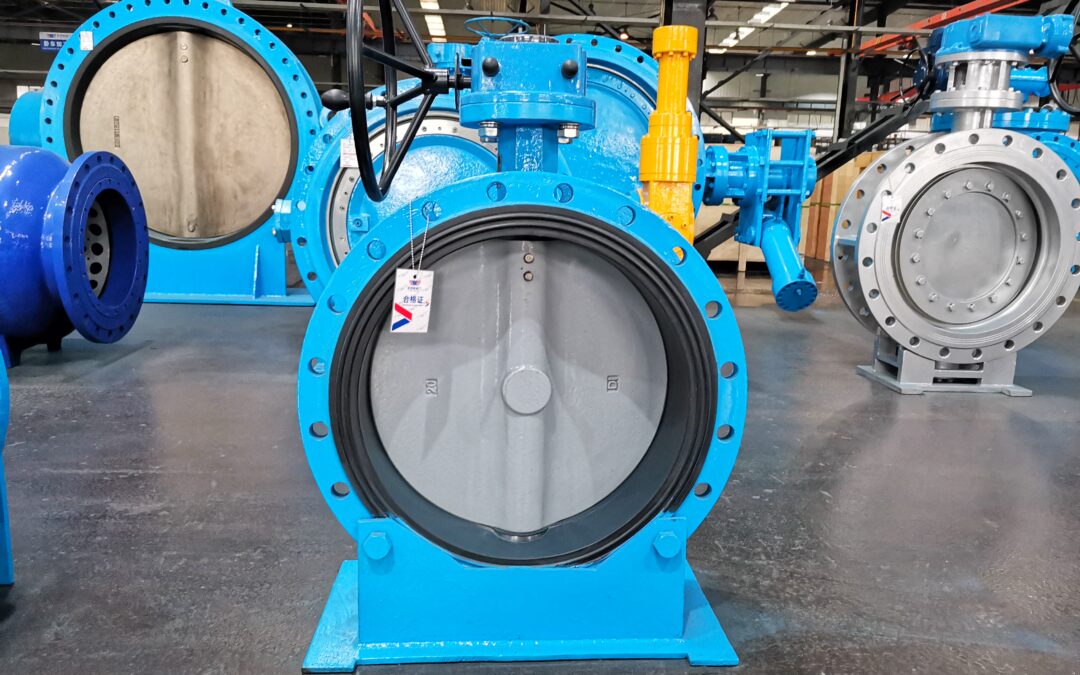
Ductile iron double eccentric, electric pneumatic, and large size double flange butterfly valves represent distinct solutions for various industrial flow control applications. By understanding their unique features, aplicaciones, and selection considerations, engineers and technicians can make informed decisions when choosing the most suitable valve for their specific requirements. These valves play a vital role in ensuring efficient and reliable flow management across a diverse range of industries.

1. Ductile Iron Double Eccentric Butterfly Valves
Ductile iron double eccentric butterfly valves are renowned for their durability, fiabilidad, y versatilidad. Here are their key characteristics:
- Material: Constructed from ductile iron, these valves offer exceptional strength and resistance to corrosion, making them suitable for a wide range of industrial applications.
- Double Eccentric Design: The unique double eccentric design ensures a tight seal even under high-pressure conditions, minimizing leakage and enhancing flow control precision.
- Aplicaciones: Ductile iron double eccentric butterfly valves are commonly used in water treatment plants, chemical processing facilities, plantas de energía, and various other industries.
2. Electric Pneumatic Butterfly Valves
Válvulas de mariposa neumáticas eléctricas combine the advantages of electric and pneumatic actuation, providing precise control and remote operation capabilities. Their notable features include:
- Actuación: These valves are equipped with both electric and pneumatic actuators, allowing for flexible control options. Electric actuators enable precise positioning and remote operation, while pneumatic actuators provide reliable operation in hazardous environments.
- Versatilidad: Electric pneumatic butterfly valves are suitable for a wide range of applications, including process control, sistemas de climatización, and industrial automation.
- Control: They offer precise flow control and can be integrated with automation systems for efficient process management.
3. Large Size Double Flange Butterfly Valves
Large size double flange butterfly valves are designed to handle high flow rates and are commonly used in large-scale industrial applications. Their key features are:
- Tamaño: These valves come in large diameters, ranging from several inches to several feet, making them suitable for high-volume flow applications.
- Conexión de brida: Double flange valves feature flanges on both ends, enabling easy installation and removal from the pipeline.
- Aplicaciones: Large size double flange butterfly valves are widely used in water distribution systems, plantas de tratamiento de aguas residuales, plantas de energía, and other large-scale industrial facilities.
4. Selection Considerations
When choosing among ductile iron double eccentric, electric pneumatic, and large size double flange butterfly valves, consider the following factors:
- Solicitud: Determine the specific application and the required flow rate, presión, and temperature conditions.
- Material Compatibility: Ensure that the valve material is compatible with the fluid being handled.
- Actuation Requirements: Decide whether electric, pneumatic, or manual actuation best suits your application.
- Size and Connection: Select the appropriate valve size and flange type based on the pipeline specifications.
- Quality and Standards: Opt for valves that meet industry standards and are manufactured by reputable brands.
Ene 16, 2024 | Noticias
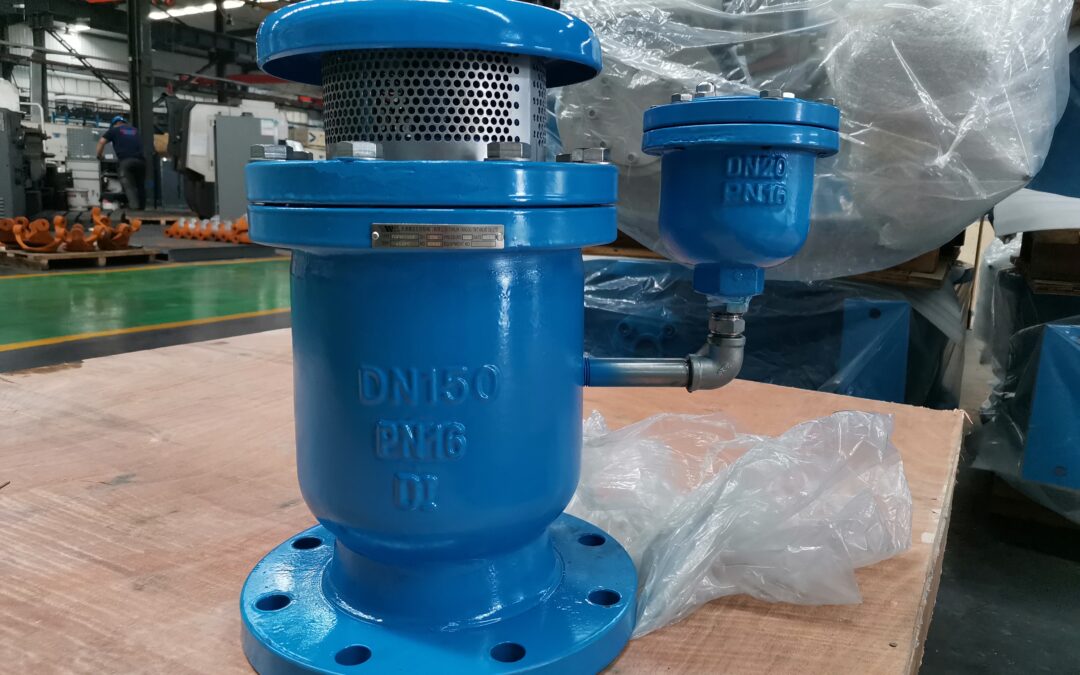
Combined air release valves and double orifice air valves offer numerous benefits for pipeline systems, such as efficient air release, vacuum prevention, versatilidad, and easy maintenance. As a crucial part of a pipeline system, it’s important to understand the different types of air valves and their functions to ensure the proper functioning and longevity of the system. Consider using combined air release valves and double orifice air valves in your pipeline system for optimal performance and maintenance.

- Válvulas de liberación de aire: These valves are used to release air pockets from the pipeline, preventing air from causing damage or hindering the flow of liquid.
- Air Vacuum Valves: These valves prevent the formation of a vacuum in the pipeline, which can lead to pipeline collapse or damage.
- Combined Air Release Valves: These valves combine the functions of air release valves and air vacuum valves, making them highly efficient and versatile for pipeline systems.
- Double Orifices Air Valves: These valves have two orifices, one for releasing air and the other for preventing a vacuum, making them suitable for both high and low-pressure systems.
Benefits of Combined Air Release Valves
- Efficient Air Release: Combined air release valves can release air pockets quickly and efficiently, maintaining the system’s efficiency and preventing damage.
- Prevents Vacuum: These valves can also prevent the formation of a vacuum, ensuring the pipeline’s stability and preventing potential damage.
- Versatilidad: As these valves combine the functions of air release and air vacuum valves, they are suitable for both high and low-pressure systems, making them highly versatile for different pipeline systems.
Benefits of Double Orifice Air Valves
- Dual Functionality: The two orifices in double orifice air valves allow for both air release and vacuum prevention, making them highly efficient for maintaining the pipeline’s integrity.
- Suitable for Different Pressures: These valves can be used in both high and low-pressure systems, making them suitable for a wide range of pipeline systems.
- Easy Maintenance: Double orifice air valves are designed for easy maintenance, with replaceable parts and simple cleaning procedures.

Ene 16, 2024 | Noticias
Check valves are essential plumbing components used to prevent reverse flow in pipes. They come in various designs suited to different applications. Three common types are dual plate, wafer double door, and dual disc check valves.
Dual Plate Check Valve
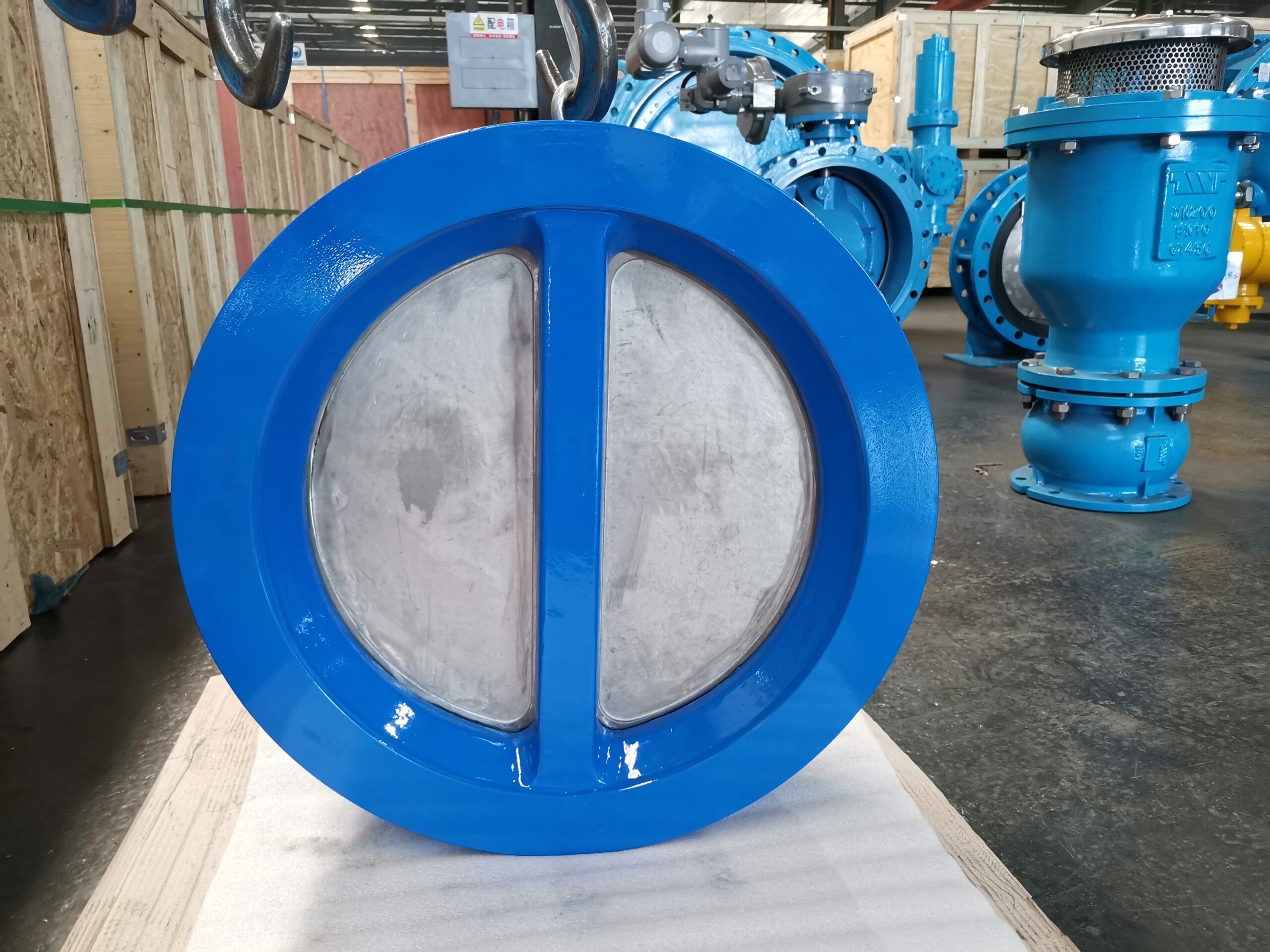
Dual plates check valves feature two flat plates or disc seals that move independently. When fluid flows forward, the plates separate to allow passage. In reverse flow, the plates shut tightly against each other to block flow.
They are compact in design and can be installed directly into pipelines similar to wafer check valves. Dual plate valves work well in thin piping configurations where space is limited. Applications include cooling systems, aire comprimido, and petrochemical processes.
Válvula de retención de doble puerta Wafer
As the name suggests, válvulas de retención de doble puerta tipo wafer have a “wafer” style body that can be sandwiched between pipeline flanges. Inside are two hinged door panels that pivot open in forward flow and close to seal against each other in reverse flow.
The double door arrangement on these valves provide positive shut-off compared to single door designs. They are ideal for more viscous or dense fluids like slurries, mild acids, and oils. The flanged ends make them compatible with most piping systems too.
Dual Disc Check Valves
Dual disc check valves contain two circular disc seals that open and close against each other. Each disc is attached to an independent pivot stem so they move independently. This design allows smooth operation with bidirectional flexing and sealing.
Dual disc check valves excel in vibratory or pulsating fluid flow applications like hydroelectric plants or pumping stations. Their resilient disc seals suited for sealing complex fluid mixtures too. These valves are also self-relieving to prevent pressure buildup.
En resumen, dual plate, wafer double door, and dual disc check valves showcase variations in design that differentiate their installation compatibility and fluid handling capabilities. Choosing the right valve type depends on the application requirements.


