
Jul 29, 2023 | Noticias
Butterfly valves are a common type of industrial valve used to control the flow of liquids, gases, y lodos. Unlike gate, globe, and ball valves which use linear motion to open and close, butterfly valves use a disc that rotates 90 degrees to either allow or prevent flow. El “mariposa” term comes from the shape of the disc which resembles a butterfly’s wings.
Butterfly valves provide many advantages over other valve types including fast opening and closing, low torque requirements, low cost, and lightweight and compact design. They are an excellent choice for large diameter applications where linear motion valves would be impractical. Butterfly valves are available in a wide array of materials from bronze, hierro fundido, and stainless steel to more exotic alloys for specialized applications. Valve discs are also available in various materials with different seal types.

While standard butterfly valves work well for basic on/off flow control, válvulas de mariposa de alto rendimiento are engineered for demanding applications that require tight shutoff, precise flow control, y confiabilidad. Two designs that offer enhanced performance are double eccentric and válvula de mariposa de doble desplazamiento.
Double Eccentric Butterfly Valves
A válvula de mariposa doble excéntrica utilizes two offset shafts or trunnions. Unlike a conventional butterfly valve which has two shafts coinciding with the centerline of the valve body, the shafts on a double eccentric valve are positioned slightly off the centerline.
This double offset configuration enables the disc to seat tightly against the downstream seat. The eccentric shaft mounting causes the upper and lower halves of the disc to contact the seat sequentially as the valve is being closed. This flexing action compensates for wear and allows the valve to maintain a tight seal even after years of service.
The double offset design also enables the disc to be larger than the inside diameter of the pipe. This reduces flow velocity around the disc which reduces pressure loss compared to a standard butterfly valve. Double eccentric butterfly valves are ideal for applications that require bi-directional tight shutoff.
Common applications of double eccentric butterfly valves include:
- As an economical substitute for ball, gate or plug valves when bi-directional shutoff is critical
- Severe service applications with fluctuating pressures and temperatures
- Process lines handling slurries or corrosive media
- Throttling services requiring precise flow control
- Larger diameter water and wastewater transport lines
Válvulas de mariposa de doble compensación
While similar in appearance to double eccentric valves, double offset butterfly valves have a slightly different design. Instead of offset shaft mounting, double offset valves utilize offset seats and seal surfaces. The disc centerline aligns with the centerline of the valve body but the upstream and downstream seats are offset.
This configuration seals the same way as a double eccentric valve – the disc contacts the downstream seat sequentially from the upper to lower edge as it closes. Again, the flexing action maintains a tight seal even after extensive wear. A key benefit of the double offset design is reduced torque requirements compared to a double eccentric valve.
Double offset butterfly valves offer superior bi-directional shutoff capability. Their uncompromising sealing ability makes them a top choice for the following challenging services:
- Critical isolation applications in the oil & gas, químico, and power industries
- Flow regulation of abrasive slurries in mining processes
- Block valves on LNG carriers and storage tanks
- Severe pressure, temperatura, and cycling services
- Any application requiring zero leakage
Both double eccentric and double offset high performance butterfly valves provide substantial benefits compared to single offset, conventional butterfly designs:
- Bubble-tight bi-directional shutoff rated up to ANSI Class VI
- Lower pressure drop – higher CV ratings than conventional valves
- Quicker opening and closing with reduced operating torque
- Tight shutoff that withstands thermal distortion and wear
- More durable seats that resist erosion and leakage
- Compact, lightweight design compared to other shutoff valves
- Lower total cost of ownership over the long run
While the double offset configuration generally requires less torque and is more compact, double eccentric valves can handle higher pressure differentials. Both designs are vastly superior to standard butterfly valves when zero leakage and lasting tight shutoff are critical requirements. The advanced sealing capability of high performance double offset and double eccentric butterfly valves makes them a top choice for severe service applications across all process industries.
Jul 29, 2023 | Noticias
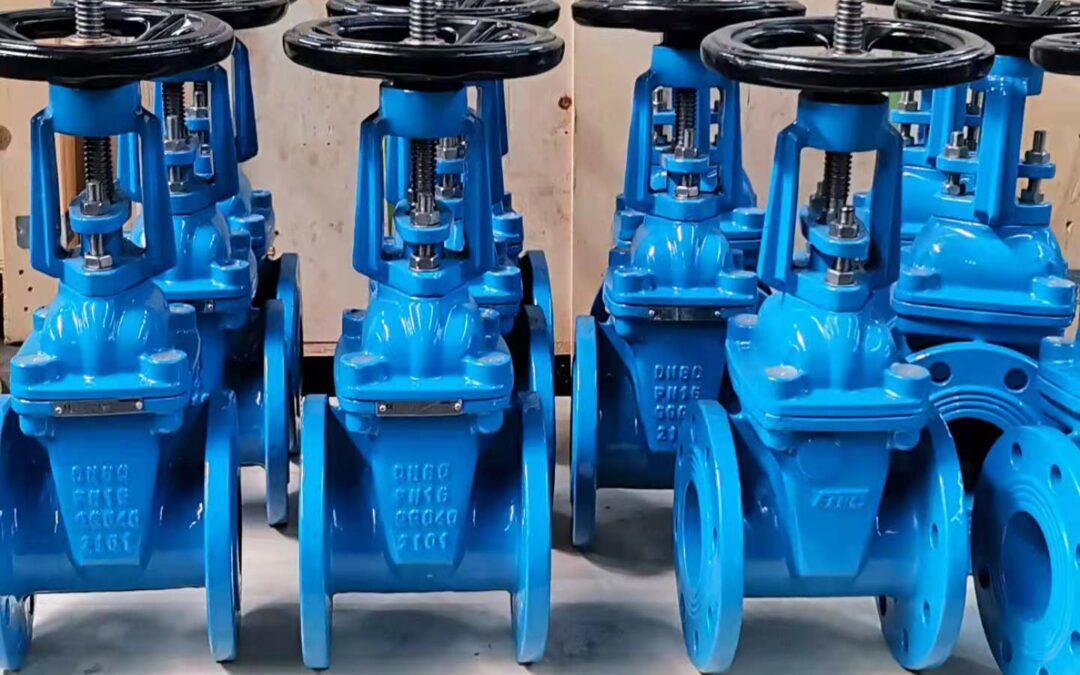
Gate valves are one of the most common types of valves used in industrial applications such as chemical plants, refinerías, and pipelines. They are linear motion valves that control fluid flow by sliding a disk or gate into the path of the flow. When the gate is fully closed, flow through the valve is completely obstructed. When the gate is fully open, the flow path through the valve is unobstructed. Gate valves are mainly used for on/off applications – they are not suitable for throttling or regulating flow.
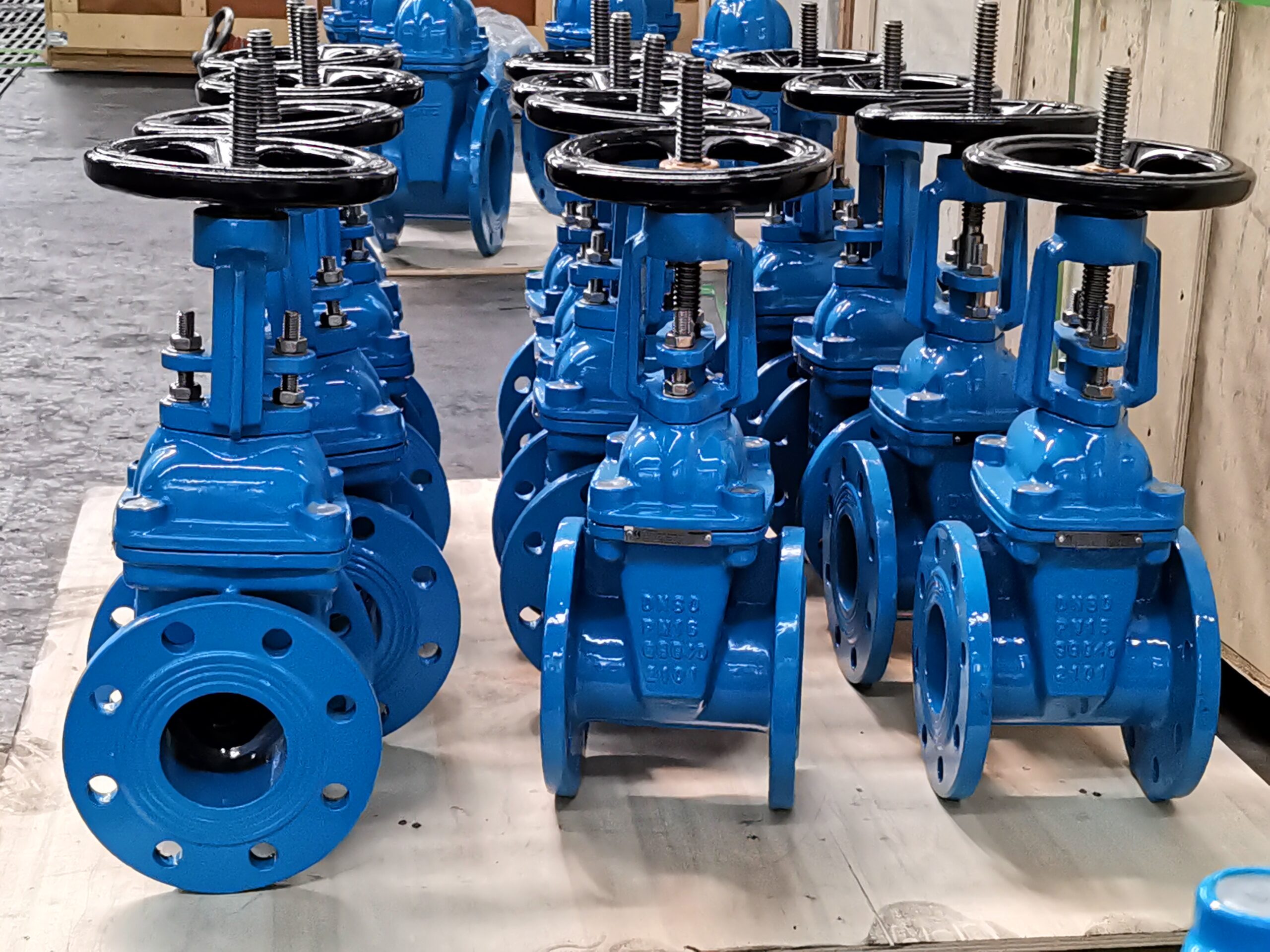
There are two main types of gate valves – rising stem and non-rising stem. In a rising stem gate valve, the stem is attached to the gate and rises up as the valve is opened. This allows visual confirmation that the valve is open because the stem is visible above the valve body. In a válvula de compuerta de vástago no ascendente, the stem is threaded separately from the gate. As the handwheel on the stem is turned to open and close the valve, the gate rises and lowers but the stem does not move up or down. Non-rising stem valves do not provide visual confirmation of valve position but have the advantage of maintaining a compact envelope.
Early gate valves used metal to metal seats which provided poor shutoff capability. Any scratches or wear on the seating surfaces allowed leakage through the valve when closed. Modern gate valves use resilient seated gates which provide superior shutoff performance. A resilient material such as an elastomer is fitted to the edges of the gate. Cuando la válvula está cerrada, the resilient seating material deforms to create a tight seal against the valve body, evitando fugas incluso a altas presiones.
As the name suggests, this type of gate valve combines the non-rising stem design with a resilient gate seat. The threaded stem does not rise as the valve is operated. Turning the handwheel moves the gate up and down while the stem remains stationary. The gate has a resilient seating material such as rubber or thermoplastic fitted to the sealing faces.
Key features of non rising stem resilient seated gate valves:
- Compact Overall Envelope – Since the stem does not rise or lower, the valve takes up less space. This is advantageous in tight installations.
- No Visual Position Indication – Unlike rising stem valves, position of the gate is not externally apparent. The valve position must be verified by other means.
- Lower Operating Torques – Absence of lifting forces on the stem results in lower operating torques compared to rising stem.
- Bidirectional Shutoff – Resilient gate provides tight shutoff in both flow directions. Can be used on bi-directional lines.
- Bubble Tight Shutoff – Deformation of the resilient seat against the body provides bubble tight shutoff even on gas service.
- High Pressure Rating – Due to the full metal body and absence of dynamic stem seals, these valves can operate at very high pressures, up to 2,500 psi.
- Suitable for Throttling – The resilient seat is forgiving of any damage from the gate edge, allowing some use for throttling control.
- Non-rising stem resilient seated gate valves are rugged and provide reliable on/off control.
Their compact envelope makes them ideal for space constrained installations. The lack of visual indication of valve position is overcome by fitting an indicator or declutchable handwheel. The bidirectional shutoff and high pressure rating allow them to be used in the most arduous industrial applications.
Rising Stem Resilient Seated Gate Valves
In this type of valve, the stem is attached to the gate and rises up as the valve is opened. The gate has a resilient seating material to provide tight shutoff.
Key features of rising stem resilient seated gate valves:
- Visually Indicates Valve Position – The elevation of the stem shows whether the valve is open, closed or at an intermediate position. Useful for quick visual inspections.
- Stem Acts as Position Indicator – If fitted with a pointer, the stem can act as a position indicator. Useful for throttling control.
- Large Rangeability – Due to smooth rising of the stem, these valves can modulate over a wide flow range.
- Easy Automation – Rising stem makes it simple to mount actuators and controllers.
- Higher Operating Torques – Lifting the gate/stem requires more torque compared to non-rising designs.
- Unidirectional Shutoff – Resilient seat provides tight shutoff only in the flow direction opposite to the seat side.
- Prone to Stem Damage – Dynamic stem seals are subject to friction and wear. Stem binding can occur.
Rising stem resilient seated gate valves provide visual confirmation of valve position and are easier to automate. Sin embargo, the moving stem makes them less compact and subjects them to potential stem damage compared to non-rising designs. Maintenance of stem seals and lubrication is critical.
Jul 27, 2023 | Noticias
Trapped air pockets and accumulated gases within liquid pipeline systems can cause numerous operational problems. Air reduces the effective cross-section for liquid flow, increasing head loss. Air pockets create hydraulic disturbances that lead to pressure surges and water hammer effects. Under pressure, dissolved gases come out of solution forming bubbles that lower pump efficiency and damage components. Removing detrimental accumulated air and maintaining the system full of liquid is critical for efficient hydraulic transport. This is achieved by installing air release valves at strategic locations in the pipeline.
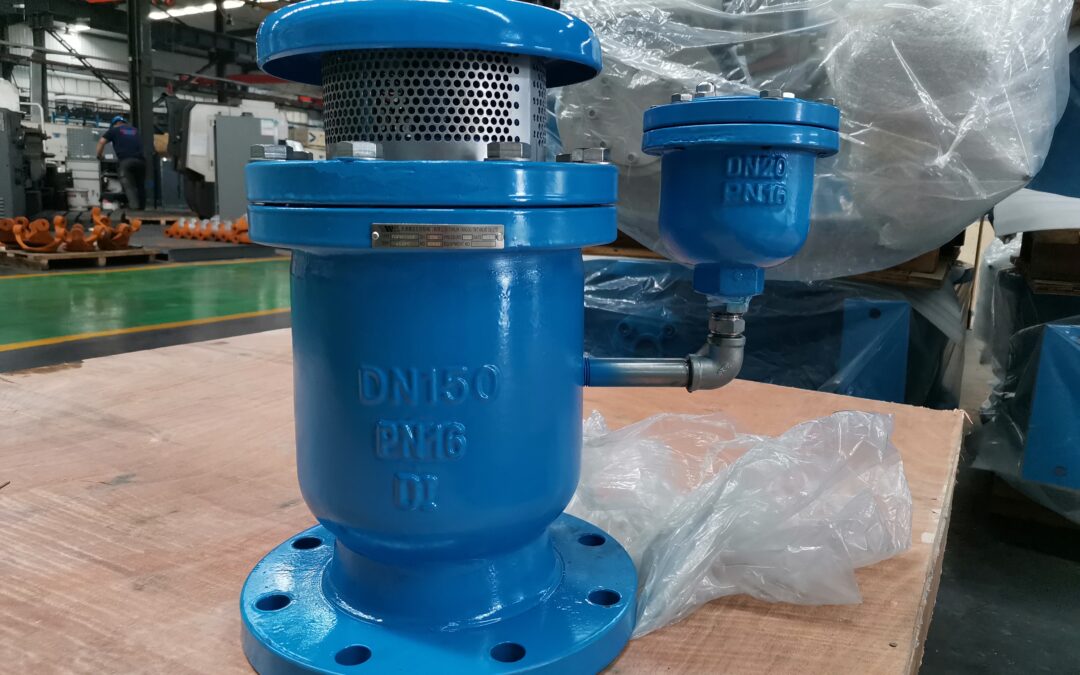
Combined air release valve, also known as Triple funcations air vents, perform the vital functions of air release, air intake, and surge alleviation within a single compact device. These versatile valves automatically remove accumulated air and gases during system filling and operation. They also break vacuum conditions during pipeline drainage and draw in air to prevent column separation. Under emergency conditions, they instantly release surges of air and fluid to minimize the damaging effects of water hammer.

Working Principle Of Air Release Valves
Combined air release valve works on the principle of differential pressure between the pressurized pipeline system and atmosphere. As liquid fills the empty pipeline, air pockets get compressed and travel to high points along the line.
The valve inlet is connected to the top of the pipe at these high points. When the liquid level reaches the valve inlet, compressed air is released. Floats within the valve rise with the liquid level, unseating the main orifice. Compressed air pushes past the floats and discharges to atmosphere. Cleaning specific air release orifices also open to vent small pockets of air.
After the system is filled and pressurized, gases released from solution accumulate at the valve inlet. The floats drop and the main orifice closes. The small air release orifices continue venting, steadily removing the accumulated gases.
If the upstream liquid pressure drops due to draining or column separation, the floats also drop. This opens the large air intake orifice, allowing air to enter and prevent vacuum conditions.
In case of sudden surges, increased pressure instantly compresses the air pocket under the floats. The main orifice rapidly releases the air like a shock absorber, limiting the pressure rise.
Key Features Of Combined Air Release Valve
- Releases accumulated air during filling. Permits rapid system filling.
- Vents released gases during pressurized operation. Maintains peak hydraulic efficiency.
- Prevents destructive vacuum conditions and column separation.
- Alleviates pressure surges during transients. Minimizes water hammer damage.
- Handles large air volumes at high flow rates. Copes with air slugs and column separation.
- Withstands high inlet pressures up to 150 psi. Rated for liquid temperatures up to 200°F.
- Floats and orifices designed to resist fouling, corrosion and abrasion.
- Compact and light weight. Easy to install in cramped spaces.
- Minimum maintenance. No power or controls required.
Combined air release valves are vital protective devices for liquid pipeline systems. By performing the crucial functions of air venting, air intake and surge alleviation, they enhance hydraulic efficiency, prevent vacuum damage, and reduce water hammer effects. Their automatic operation and compact envelope makes them an indispensable component for reliable and safe pipeline operation. They continue working 24/7 to keep the system primed and ready for service.
Válvulas de aire de liberación rápida
While combined air release valves handle normal air and gas venting, more specialized quick release valves are required for rapid discharge of large air volumes. These valves rapidly vent air slugs at extremely high flow rates, preventing destructive pressure transients during events like pump start-up and power outages.
Quick release air valve has a lightweight ball that floats on the liquid surface within the valve body. During normal operation, the ball floats at its lowest position, fully sealing the valve outlet. In case of emergency air discharge, inlet pressure thrusts the ball upwards within a cage. The ball lifts only slightly before coming to rest on cage stops. This movement uncovers the seat and creates a narrow gap around the ball.
The small annular gap exposes a very large outlet orifice area given the large diameter of the valve. As air slugs rush into the valve inlet, they push past the ball, accelerate through the gap, and discharge at very high velocities. Flow rates of 15,000 GPM or more are common. The intense venting rapidly relieves the air pressure, minimizing damaging water hammer effects.
By incorporating both combined air release and quick release valves, pipeline systems can be protected from internal air and pressure transients throughout their operating cycle. The combined action keeps the pipeline primed for efficient hydraulic performance while preventing catastrophic damage.
Jul 26, 2023 | Noticias
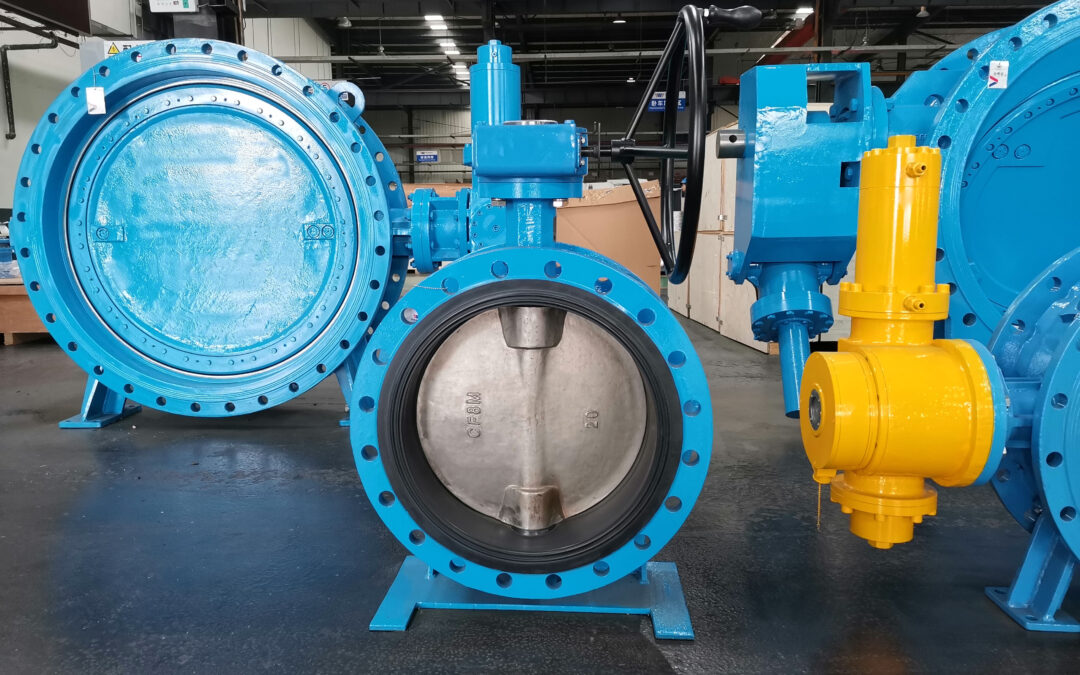
Butterfly valves are versatile throttling and shutoff valves used to control flow in a wide range of industrial piping systems. Typically actuated by manual gear, palanca, or handwheel mechanisms, butterfly valves can also be automated with actuators that allow remote control. Electric and pneumatic actuators coupled to butterfly valves create smart, powered valves capable of precision flow control.
Electric actuators provide fast, precise valve positioning in response to electronic control signals. Pneumatic actuators deliver robust valve opening and closure using pressurized air as the power medium. Combining electric and pneumatic actuation creates hybrid valves with enhanced capabilities.

An electric pneumatic butterfly valve uses an electric actuator for accurate positioning control paired with a pneumatic actuator for fail-safe emergency shutdown. This hybrid approach harnesses the strengths of both technologies.
In normal operation, an electric motor or electric linear actuator with position feedback provides precise valve control in response to 4-20mA or network control signals. Fast response times, positioning accuracy, and PID functionality enable tight flow control.
For emergency shutdown, a pneumatic spring return actuator is mounted in parallel. This actuator remains pressurized during normal operation to hold the valve open. In an emergency, cutting off air pressure causes the spring return to snap the valve shut quickly and decisively.
Key Benefits Of Butterfly Valves:
• Precision flow control via electric actuation
• Fast emergency shutdown via pneumatic actuator
• Independent shutdown mechanism for safety
• Lower air consumption than fully pneumatic valve
• Position feedback for operational monitoring
• Capable of both throttle control and tight shutoff
The electric control circuit can sense if air pressure is lost and trigger a controlled shutdown sequence before the pneumatic actuator closes the valve. This prevents abrupt valve slam. Position transmitters track valve position continuously.
These hybrid valves are used for critical piping and transfer systems handling volatile or hazardous media. By combining electric and pneumatic functionality, they satisfy both precision control and emergency shutdown requirements.
Pneumatic butterfly valves use pressurized air to pneumatically position the valve and provide fail-safe shutdown capabilities. They are intrinsically safe since the air supply can be exhausted for emergency shutdown.
Quarter-turn pneumatic actuators are commonly used. They provide rotary torque to open or close the butterfly disc through 90°. Linear pneumatic cylinders are also able to automate larger valves.
Pneumatic systems provide fast response for both valve positioning and shutdown. Sin embargo, they lack the precision control and feedback available with electric automation. Positioners can be added to improve positioning accuracy.
Pneumatic actuators are also used for fail-in-place function where the valve maintains its position without air pressure. This avoids unsafe shutdowns, but loses emergency shutdown capability.
Butterfly valves typically use a centered circular disc as the throttling element. An offset disc that seals against an inclined seat can provide tighter shutoff. The triple offset disc design takes this further with multiple offsets to achieve zero seat contact in the open position.
The disc has two offset planes inclined relative to the shaft plane. Cuando está abierto, the disc tilts and lifts off the seat, eliminating rubbing and seat wear. The contoured seat provides tight shutoff when closed. Low torque requirements allow use of small, economical actuators.
Triple offset butterfly valves deliver precision throttling down to zero flow coupled with bubble-tight shutoff. This capability suits them for demanding control applications. Their compact wafer design permits easy automation while providing reliable performance.
Combining triple offset discs with electric and pneumatic actuation creates intelligent, powered butterfly valves. Electric control handles accurate flow modulation during normal operation. Pneumatic power provides emergency shutdown on demand. This dual functionality allows precision flow management along with fast, safe closure when required.
Electric pneumatic actuation, fail-safe shutdown mechanisms, and advanced disc designs enable butterfly valves to go beyond basic open/close duties. Precision flow control, tight shutoff, and intelligent functionality make them versatile automation candidates for critical industrial pipelines and processes.
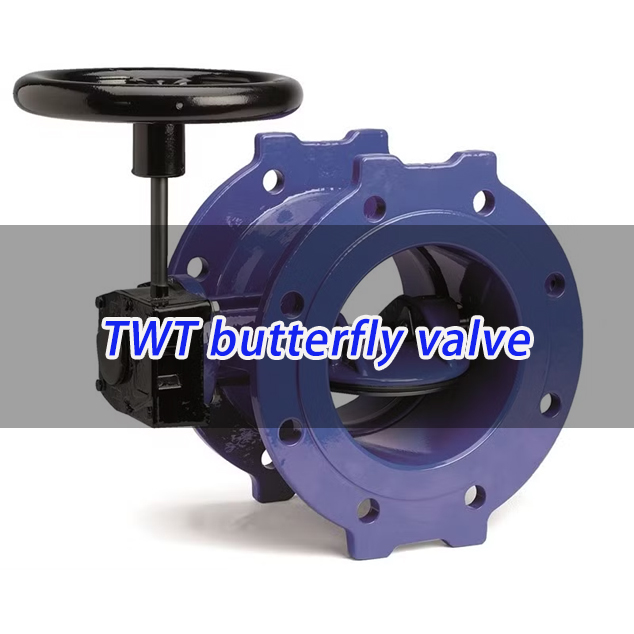
Jul 25, 2023 | Noticias
En el mundo de las válvulas industriales, TWT Butterfly Valve has emerged as a prominent player, renowned for its exceptional quality and innovative solutions. In this SEO article, we will delve into the core strengths of TWT Butterfly Valve, exploring how this brand has become a leader in the market and earned the trust of industries worldwide.
Extensive Expertise and Experience
One of the primary strengths of TWT Butterfly Valve lies in its extensive expertise. And years of experience in the valve manufacturing industry. With a rich heritage spanning several decades. The brand has continuously evolved to meet the dynamic demands of modern technology and industrial applications. Their seasoned engineers and technicians bring a deep understanding of valve design and production. Ensuring every TWT butterfly valve is a product of precision and reliability.

Cutting-edge Technological Advancements
TWT Butterfly Valve stays at the forefront of innovation by investing in cutting-edge technologies. From advanced CAD/CAM software for design to state-of-the-art machinery for manufacturing, the brand incorporates the latest tools and techniques to optimize valve performance and efficiency. By embracing innovation, TWT ensures that its valves can handle the most challenging industrial conditions with ease.
Comprehensive Product Range
Another key strength of the Valve is its comprehensive product range. Whether it’s a simple low-pressure application or a complex high-temperature industrial process, TWT offers a diverse selection of butterfly valves to cater to various needs. These include resilient seated, high-performance, and triple offset valves, each designed to deliver optimal performance and longevity.

Stringent Quality Assurance
TWT Butterfly Valve is synonymous with quality, and this reputation stems from its unwavering commitment to stringent quality assurance practices. Every valve undergoes rigorous testing at different stages of production to ensure compliance with international standards and customer expectations. The brand’s dedication to quality has earned it various certifications and accreditations, solidifying its position as a reliable and trusted valve manufacturer.
Global Reach and Customer Support
TWT Butterfly Valve has established a robust global presence, supplying its products to industries across continents. With a widespread distribution network and strategically located service centers, the brand can promptly address customer requirements and provide exceptional support. TWT’s customer-centric approach has resulted in strong relationships with clients, fostering loyalty and repeat business.

Sustainable and Environmentally-friendly Solutions
In an era where environmental consciousness is paramount, TWT Butterfly Valve stands out by offering sustainable and environmentally-friendly valve solutions. The brand is committed to minimizing its ecological footprint by adopting eco-friendly manufacturing practices and producing valves that adhere to the highest environmental standards.
Conclusión
En conclusión, TWT Butterfly Valve’s success can be attributed to its core strengths: extensive expertise and experience, commitment to technological advancements, a comprehensive product range, stringent quality assurance, global reach, and sustainable practices. As industries continue to evolve, TWT remains a reliable partner, providing innovative and high-quality butterfly valves that meet the ever-changing needs of diverse industrial applications. With a brand built on trust and excellence, TWT Butterfly Valve continues to soar in the global valve market.



