
Jan 9, 2024 | Nouvelles
Butterfly valves are widely used in various industries for their efficient flow control capabilities. They offer a compact design, low pressure drop, and quick operation, making them a popular choice for both on/off and throttling applications. Dans cet article, we will focus on two types of 1 inch butterfly valves: double flanged butterfly valve and extension stem butterfly valve. We will discuss their unique features, avantages, et applications, highlighting their importance in modern industrial processes.

Double Flanged Butterfly Valve: Reliable Sealing and Enhanced Performance
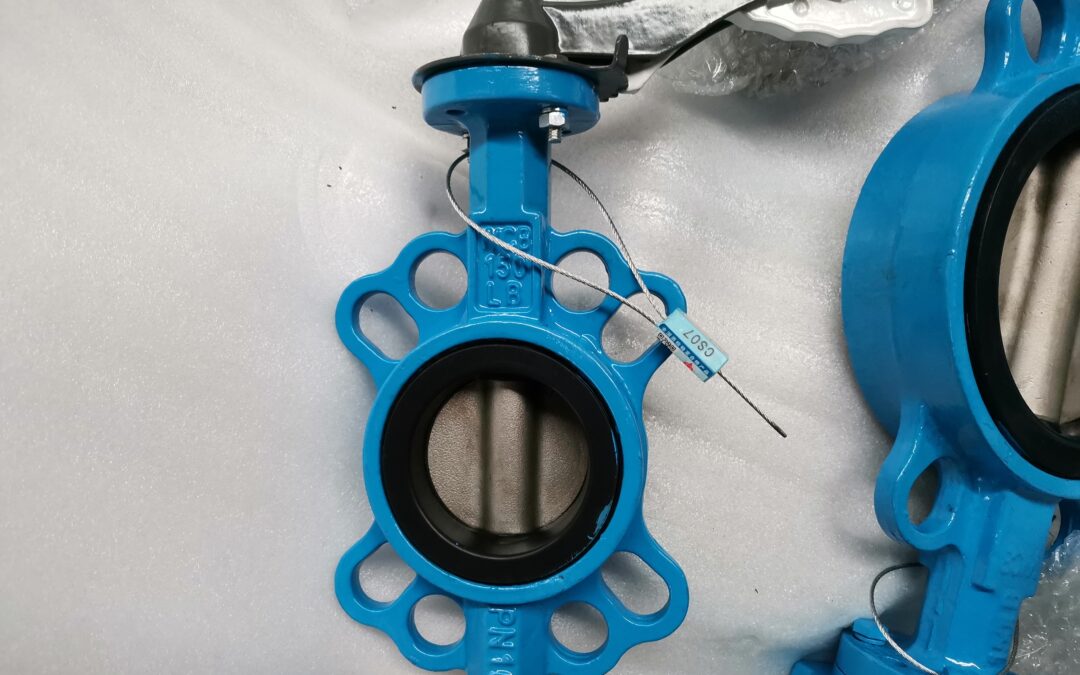
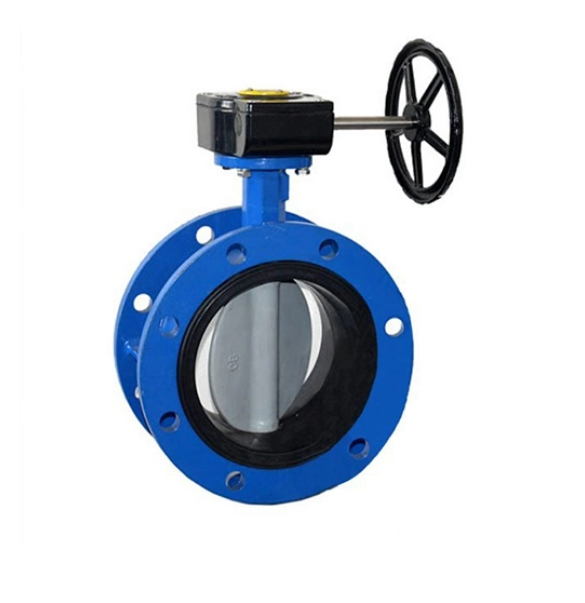
Le vanne papillon à double bride is designed to provide a tight and reliable seal, even in demanding conditions. It features two flanges on either side of the valve body, allowing for easy installation and maintenance. Double flanged butterfly valves are commonly used in water distribution systems, les stations d'épuration des eaux usées, and general industrial applications. They offer excellent flow control capabilities, low pressure drop, and easy maintenance. These valves are suitable for both on/off and throttling applications, making them versatile and widely adopted.
What is the role of the Double Flanged Butterfly Valve ?
The double flanged butterfly valve, also known as a double-flanged wafer butterfly valve, is a type of butterfly valve that has flanged ends on both sides. This design allows for easy installation and connection to the pipeline system using bolts and gaskets. The double flanged butterfly valve serves several important roles in fluid control systems:
- Flow Regulation: One of the primary functions of the double flanged butterfly valve is to regulate the flow of fluids in pipelines. By rotating the disc in the valve body, the flow can be smoothly adjusted, allowing for precise control of the fluid flow rate.
- Isolement: The valve can act as an isolation device, providing a tight shut-off when fully closed. This feature allows for maintenance, repairs, or replacement of downstream equipment without interrupting the entire system.
- Pressure Control: The double flanged butterfly valve can help control and stabilize the pressure within a pipeline system. By adjusting the opening of the valve, the flow resistance can be modified, thereby regulating the pressure downstream.
- Cavitation and Water Hammer Prevention: The design of the double flanged butterfly valve helps prevent cavitation and water hammer effects in the system. These phenomena occur due to sudden changes in flow velocity or pressure, and the valve’s smooth disc movement helps mitigate their occurrence.
- Polyvalence: Double flanged butterfly valves are versatile and can handle various media types, y compris les liquides, des gaz, et boues. They find applications in industries such as water treatment, CVC, traitement chimique, pétrole et gaz, la production d'énergie, et plus.
- Easy Installation and Maintenance: The double flanged design of the valve simplifies installation and maintenance procedures. The valve can be easily bolted between flanges, and its compact size and lightweight construction make it convenient to handle during maintenance or replacement activities.
Extension Stem Butterfly Valve: Extended Reach for Precise Control and Accessibility
Le vanne papillon à tige d'extension is designed to provide easy access to the valve handle, even in hard-to-reach locations. It features an extended stem that protrudes from the valve body, allowing for remote operation. Extension stem butterfly valves are commonly used in underground water distribution systems, systèmes de protection incendie, and other applications where the valve is located in a pit or vault. They offer excellent flow control capabilities, low pressure drop, and easy maintenance. These valves are suitable for both on/off and throttling applications, making them versatile and widely adopted.
Application of Extension Stem Butterfly Valve
Extension stem butterfly valves are commonly used in applications where the valve is located in a hard-to-reach or elevated area, making it difficult for operators to manually operate the valve. The extension stem allows for remote operation of the butterfly valve, making it more convenient and safer to control the flow of fluids. Here are some typical applications of extension stem butterfly valves:
- Underground Pipelines: Extension stem butterfly valves are often used in buried or underground pipelines where access to the valve is limited. The extension stem allows the valve’s operating mechanism to be brought to ground level, facilitating easy operation and maintenance.
- Elevated Piping Systems: In installations where the butterfly valve is installed at a height or elevated position, such as on top of a storage tank or high-rise building, the extension stem enables operators to control the valve without having to climb or use special equipment.
- Systèmes de distribution d'eau: Extension stem butterfly valves are commonly employed in water distribution systems, including municipal water supply networks and irrigation systems. They allow for remote operation of valves located in valve pits, vaults, or other inaccessible areas.
Benefits:
- Contrôle de flux efficace: 1 inch butterfly valves, including double flanged and extension stem varieties, offer excellent flow control capabilities with low pressure drop, allowing for efficient operation and reduced energy consumption.
- Quick Operation: Butterfly valves can be operated quickly, enabling rapid response to changing process conditions.
- Compact Design: The compact and lightweight design of butterfly valves makes them easy to install and maintain, saving space and reducing installation costs.
- Cost-Effective: Butterfly valves are often more cost-effective compared to other valve types, making them a preferred choice for budget-conscious projects.
- Polyvalence: These valves can handle a wide range of fluids, y compris les liquides, des gaz, et boues, making them suitable for diverse applications in various industries.
Double flanged butterfly valves and extension stem butterfly valves offer efficient and reliable flow control solutions for a wide range of industrial applications. Their unique features, such as tight sealing, easy installation, and remote operation, make them indispensable in modern processes. By understanding the benefits and applications of these butterfly valves, engineers and professionals can make informed decisions when selecting valves for their specific requirements, ensuring optimal performance, efficiency, et la rentabilité.
Jan 8, 2024 | Nouvelles
Butterfly valves are widely used in various industries for their efficient flow control capabilities. They offer a compact design, low pressure drop, and quick operation, making them a popular choice for both on/off and throttling applications. Dans cet article, we will explore three types of butterfly valves: GGG50 butterfly valve, vanne papillon triple excentrique, and center line butterfly valve. We will discuss their unique features, avantages, et applications, shedding light on their importance in modern industrial processes.
Features and Applications of GGG50 Butterfly Valve
GGG50 refers to a specific grade of ductile iron, also known as nodular cast iron, that is commonly used in the manufacturing of butterfly valves. Le GGG50 butterfly valve is known for its durability, corrosion resistance, and excellent mechanical properties. Here are some of its key features and applications:
Features:
- Durable Construction: The GGG50 butterfly valve is made from high-quality ductile iron, which provides exceptional strength and resistance to wear and tear.
- Corrosion Resistance: The valve is coated or lined with materials such as epoxy or rubber to prevent corrosion, making it suitable for use in various environments.
- Excellent Flow Control: The butterfly valve design allows for precise flow control and regulation, providing efficient performance in fluid handling systems.
- Easy Operation: The valve features a simple and easy-to-use lever or gear mechanism for opening and closing, allowing for quick adjustments.
Applications:
- Water Supply and Distribution: GGG50 butterfly valves are commonly used in water treatment plants, pump stations, and water distribution networks for regulating water flow.
- Systèmes CVC: These valves are utilized in heating, ventilation, and air conditioning (CVC) systems to control the flow of air or water.
- Industrial Applications: GGG50 butterfly valves find application in various industrial processes, y compris le traitement chimique, la production d'énergie, and wastewater treatment.
- Fire Protection Systems: They are also employed in fire protection systems, such as sprinkler systems, to control water flow during emergencies.
Triple Eccentric Butterfly Valve: Engineering Excellence and Functionality
Le vanne papillon triple excentrique is designed to provide a tight and reliable seal, even in demanding conditions. Unlike traditional butterfly valves, the triple eccentric design incorporates three offsets: the first offset is the shaft centerline, the second offset is the disc centerline, and the third offset is the sealing surface. This unique design reduces friction and wear, resulting in improved sealing performance and extended valve life. Triple eccentric butterfly valves are commonly used in industries such as oil and gas, pétrochimique, et production d'électricité, where tight shut-off and high-performance requirements are critical.
Center Line Butterfly Valve: Versatile Design and Operational Efficiency
Le vanne papillon de ligne centrale, also known as a resilient-seated butterfly valve, is characterized by its simple and cost-effective design. It features a disc that rotates around a central axis, providing a tight seal against the valve seat. Center line butterfly valves are widely used in water distribution systems, les stations d'épuration des eaux usées, and general industrial applications. They offer excellent flow control capabilities, low pressure drop, and easy maintenance. These valves are suitable for both on/off and throttling applications, making them versatile and widely adopted.
Application of Center Line Butterfly Valve
Center line butterfly valves are widely used in various industries due to their unique design and functionality. Here are some common applications of center line butterfly valves:
- Water and Wastewater Treatment: Center line butterfly valves are extensively used in water and wastewater treatment plants for regulating the flow of water, boue, et autres fluides. They are employed in processes such as filtration, sedimentation, and chemical dosing.
- Systèmes CVC: These valves play a crucial role in heating, ventilation, and air conditioning (CVC) systems. They help control the flow of air and water in cooling towers, chillers, and other HVAC equipment, ensuring efficient temperature regulation and energy conservation.
- Chemical and Petrochemical Industry: In chemical and petrochemical plants, center line butterfly valves are utilized for controlling the flow of various chemicals, acids, solvants, and corrosive substances. Their corrosion-resistant materials make them suitable for handling aggressive media.
Benefits :
- Contrôle de flux efficace: Les vannes papillon, including GGG50, triple eccentric, and center line varieties, offer excellent flow control capabilities with low pressure drop, allowing for efficient operation and reduced energy consumption.
- Quick Operation: Butterfly valves can be operated quickly, enabling rapid response to changing process conditions.
- Compact Design: The compact and lightweight design of butterfly valves makes them easy to install and maintain, saving space and reducing installation costs.
- Cost-Effective: Butterfly valves are often more cost-effective compared to other valve types, making them a preferred choice for budget-conscious projects.
- Polyvalence: These valves can handle a wide range of fluids, y compris les liquides, des gaz, et boues, making them suitable for diverse applications in various industries.
GGG50 butterfly valves, triple eccentric butterfly valves, and center line butterfly valves offer efficient and reliable flow control solutions for a wide range of industrial applications. Their unique features, such as high strength, tight sealing, and quick operation, make them indispensable in modern processes. By understanding the benefits and applications of these butterfly valves, engineers and professionals can make informed decisions when selecting valves for their specific requirements, ensuring optimal performance, efficiency, et la rentabilité.

Jan 8, 2024 | Nouvelles
Une vanne papillon d'échappement est un type de vanne qui contrôle le débit des gaz d'échappement dans le moteur d'un véhicule.. C'est une partie importante du système d'échappement, qui est chargé d'éloigner les gaz dangereux du véhicule et de réduire les émissions. Dans ce poste, nous examinerons la fonction et l'importance d'une vanne papillon d'échappement dans les véhicules actuels.
Comment fonctionne une vanne papillon d'échappement?
Le vanne papillon d'échappement est situé dans le système d'échappement entre le moteur et le silencieux. Il est conçu pour tourner 90 degrés, permettant aux gaz d'échappement de circuler à travers celui-ci lorsque le moteur tourne. Lorsque le moteur est éteint, la vanne se ferme, empêcher les gaz d'échappement de pénétrer dans l'atmosphère. La vanne est actionnée par un levier ou un actionneur connecté au système de commande du moteur.
Avantages d'une vanne papillon d'échappement
La vanne papillon d'échappement offre plusieurs avantages, y compris:
- Efficacité énergétique améliorée: En contrôlant le débit des gaz d'échappement, la valve aide à réduire la quantité de carburant consommée par le moteur, ce qui entraîne une meilleure efficacité énergétique.
- Émissions réduites: La valve aide à réduire la quantité de gaz nocifs émis par le moteur, contribuer à un environnement plus propre.
- Performances moteur accrues: En permettant aux gaz d'échappement de circuler librement, la valve contribue à améliorer les performances et la réactivité du moteur.
Types de vannes papillon d'échappement
Il existe plusieurs types de vannes papillon d'échappement disponibles, y compris:
- Valve manuelle: Ce type de vanne est actionné manuellement par un levier ou une poignée. Il est couramment utilisé dans les véhicules plus anciens ou dans les véhicules équipés d'un système d'échappement simple..
- Vanne électrique: Ce type de vanne est actionné par un actionneur électrique, contrôlé par le système de contrôle du moteur. Il est couramment utilisé dans les véhicules modernes dotés de systèmes d'échappement avancés..
- Valve pneumatique: Ce type de valve est actionné par l’air comprimé fourni par le système de suspension pneumatique du véhicule.. Il est couramment utilisé dans les véhicules de luxe dotés de systèmes d'échappement avancés..

Entretien et réparation
Comme tout autre composant d'un véhicule, la vanne papillon d'échappement nécessite un entretien et une réparation réguliers pour garantir son bon fonctionnement. Certains problèmes courants pouvant affecter la vanne comprennent:
- Coller ou coincer: La valve peut rester coincée ou bloquée à cause de la saleté, crasse, ou corrosion. Cela peut être résolu en nettoyant la vanne ou en la remplaçant si nécessaire.
- Fuites: La vanne peut développer des fuites en raison de joints usés ou de composants endommagés. Ce problème peut être résolu en remplaçant les joints ou la vanne entière..
- Problèmes électriques: Dans les vannes électriques, des problèmes électriques peuvent survenir en raison d'un câblage défectueux ou d'un fusible grillé. Ce problème peut être résolu en vérifiant le câblage et en remplaçant les fusibles grillés..
Conclusion
En conclusion, la vanne papillon d’échappement est un élément crucial du système d’échappement d’un véhicule, responsable du contrôle du flux des gaz d’échappement et de la réduction des émissions. Il offre plusieurs avantages, y compris une efficacité énergétique améliorée, émissions réduites, et des performances moteur accrues.
Il existe plusieurs types de vannes papillon d'échappement disponibles, et un entretien et des réparations réguliers sont nécessaires pour assurer un bon fonctionnement. En comprenant le rôle et l'importance de la vanne papillon d'échappement, les propriétaires de véhicules peuvent prendre des mesures pour garantir que leurs véhicules fonctionnent de manière efficace et responsable.

Jan 6, 2024 | Nouvelles
Les vannes papillon sont un type de vanne quart de tour largement utilisée dans diverses industries pour leur efficacité et leur polyvalence.. One particular type of butterfly valve that has gained popularity in recent years is the vanne papillon double excentration. In this blog post, we will explore the features and benefits of this valve and provide a comprehensive guide on its applications and considerations when purchasing.

What is a Double Offset Butterfly Valve?
UN Vanne papillon à double décalage en Chine is a variation of the traditional butterfly valve, with an additional offset in the stem and disc. This offset helps to reduce the friction between the disc and the seat, allowing for a tighter seal and better control of flow. This design also makes it easier to open and close the valve, even under high pressure and temperature conditions.
Advantages of Double Offset Butterfly Valves
- Improved Sealing Performance: The double offset design of these valves provides a tighter seal between the disc and the seat, reducing the chances of leakage. This is especially beneficial in applications where a secure seal is crucial, comme dans l'industrie pétrolière et gazière.
- Increased Durability and Reliability: The offset stem and disc reduce the wear and tear on the valve, making it more durable and reliable in the long run. This makes it a cost-effective choice for industries that require high-performance valves.
- Better Control of Flow: The offset design also allows for better control of flow, making it suitable for applications that require precise regulation of flow rates. This makes it a popular choice in industries such as water treatment and chemical processing.
- Lower Operating Torque: The offset design reduces the friction between the disc and the seat, resulting in a lower operating torque. This makes it easier to open and close the valve, even under high pressure and temperature conditions.
Applications of Double Offset Butterfly Valves
- Industrie du pétrole et du gaz: Double offset butterfly valves from China valve supplier, are commonly used in the oil and gas industry for their durability, fiabilité, and tight sealing. They are suitable for a variety of applications, including transportation and distribution of oil and gas, and are also used in refineries and petrochemical plants.
- Traitement de l'eau: These valves are also used in water treatment plants for their precise flow control and ability to handle large volumes of water. They are suitable for use in both potable and non-potable water systems and are resistant to corrosion, making them ideal for this industry.
- Traitement chimique: Dans les usines de transformation chimique, double offset butterfly valves are used for their ability to handle corrosive and abrasive materials. They are also suitable for high-temperature and high-pressure applications, making them a preferred choice in this industry.
- Systèmes CVC: These valves are also used in heating, ventilation, and air conditioning (CVC) systems for their precise flow control and low operating torque. They are also compatible with various types of pipes, making them easy to install and maintain.
What to Consider When Purchasing Double Offset Butterfly Valves?
When purchasing double offset butterfly valves, there are a few factors that you should keep in mind to ensure that you get the best performance and value for your money.
- Materials of Construction: These valves are available in various materials, such as cast iron, acier, and stainless steel. It is crucial to consider the type of material based on the application and the medium that will be flowing through the valve.
- Size and Pressure Rating: Double offset butterfly valves come in different sizes and pressure ratings, and it is important to choose the right size and rating for your specific application. This will ensure that the valve can handle the flow and pressure requirements without any issues.
- End Connections: These valves come with various end connections, such as flanged, wafer, and lug. It is essential to choose the right end connection based on the type of piping system and the installation requirements.
- Certification and Standards: Look for valves that have been certified by relevant authorities, such as the American Society of Mechanical Engineers (ASME), to ensure that they meet industry standards and have been tested for quality and safety.

Jan 6, 2024 | Nouvelles
Butterfly valves have become one of the most widely utilized valve types in industrial processes due to their compact design and efficient operation. As leading manufacturers of high-performance butterfly valves, we want to provide insight into the engineering that goes into these versatile valves. Understanding key design considerations is important for engineers and facility managers to selecting the right butterfly valve for each application.

One of the primary factors that goes into a high-quality butterfly valve is the disc sealing method. Conventional valves use an elastomer O-ring seated in a circular groove to create a seal when closed. While simple and inexpensive, this static seal can wear over time and may leak at high pressures. Our patented vanne papillon triple excentration design solves this problem through a seating methodology called triple offset.
Instead of a static seal, triple offset valves utilize a dynamic seal that results in a tighter, more durable shut-off. The disc is offset from the axis of rotation, as is the stem connection to the disc. When closed, any imperfections in the seat or disc surface are acutely compressed, forming an effective metal-to-metal seal capable of handling stringent requirements. This self-adjusting sealing produces low levels of friction and wearto significantly extend valve life.
Valve body and disc materials are tailored for each application. For corrosive services, valves are available in corrosion-resistant alloys like stainless steel, Hastelloy, titanium, and tantalum. For higher temperature applications, options include nickel alloys. Disc and shaft friction is reduced through use of self-lubricating carbon fiber or nickel plating on shafts. Liner materials such as PTFE or polyurethane coatings provide chemical resistance. Materials are rigorously tested by our engineers to ensure suitability for decades of use in the field.
Automation-friendly actuators are available for remotely or automatically controlling flow. Air-to-open or -close quarter-turn pneumatic actuators and electric actuators with positioners provide precise regulation.
Additional key considerations we address are tight shut-off capabilities and reduced vulnerability to process variability. Vanne papillon haute performance optimized for high performance applications are dynamically tested to exceed international piping standards on fugitive emissions. TWT as leading valve manufacturers in China, provides redundant sealing for fugitive emission rates below 1g/hr—exceeding specifications for refinery, petrochemical and LNG applications.
Our valves are also engineered to withstand surging pressure spikes and pulsations that can damage conventional valves over time. Features like reinforced shafts, discs and seats minimize distortion and leakage to deliver years of reliable operation in fluctuating process conditions.

