
Jul 21, 2023 | Noticias
Butterfly valves are widely used industrial valves to regulate flow in pipe systems. Based on their disc design and seat configuration, butterfly valves can be categorized into ggg50, lt and U type valves.
Each variety has distinct advantages suited for certain applications and operating conditions. Mientras tanto, they have distinct constructions tailored for specific pressure, temperatura, sealing and flow control needs across industries like water supply, procesamiento químico, energy, climatización, and general engineering. This article will compare ggg50, lt and U type butterfly valves in terms of their construction, performance attributes, use cases and selection criteria.

Construction of ggg50, lt and U Type Butterfly Valves
- En primer lugar, válvula de mariposa ggg50 has offset disc centers and utilize resilient seats that allow tight shutoff despite disc deflection. ggg50 denotes the distance of the disc center offset from the seat centerline.
- En segundo lugar, válvula de mariposa has concentric centered discs supported on both sides. They use metal seats and rely on disc to seat contact for tight sealing. lt denotes the diameter of the pipe to which the valve can be installed.
- Thirdly, U type butterfly valve also has concentric disc centers but use resilient U-cup seals inserted into the valve body liner. This gives both metal-to-metal and soft seal contact.
Performance Comparison
Sealing ability: The resilient seats in ggg50 and U type valves allow bubble-tight shutoff even at high pressures and temperatures. lt valves can experience seat passing leaks.
- Pressure rating: lt type valves offer the highest pressure capacity of up to Class 600. ggg50 is typically Class 150. U type is in between at Class 300.
- Temperature range: ggg50 and U type handle temperatures from -40°F to 250°F. lt type can withstand higher temperatures.
- Flow regulation: lt valves offer more precise flow control compared to ggg50 and U types which are more for on/off applications.
Typical Applications
- ggg50: Used extensively in water and wastewater pipelines for reliable shutoff against differential pressure. Also used in chemical, oil and gas lines.
- lt: Ideal for flow control in high pressure steam lines, compressor discharge, and power plant piping. Also used in cryogenic and high temperature applications.
- U type: Suitable for water treatment plants, swimming pools, sistemas de climatización, and service lines exposed to grit that can damage seats. Provides shutoff while easing seat wear.
Selection Criteria
- Operating pressure/temperature: lt for extremely high pressures and temperatures; ggg50 for moderate conditions.
- Shutoff requirements: U type and ggg50 for zero-leakage shutoff; lt where minor seat leakage is permissible.
- Flow control needs: lt for modulating flow; others for on/off applications.
- Media characteristics: U type for abrasive media that causes seat wear; ggg50 for clear fluids.
- Costo: U type priced in between ggg50 and lt types. lt most expensive.

Jul 17, 2023 | Noticias
When it comes to fluid control, butterfly valves vs ball valves are two popular options that offer distinct advantages for different applications. En este articulo, we will delve into the features and benefits of both valve types while highlighting the brand strength of TWT valves, a reputable player in the industry.
Válvulas de mariposa, Como el nombre sugiere, feature a disc resembling a butterfly’s wings. These valves are popular for their compact design, lightweight construction, and quick quarter-turn operation. They are ideal for applications that require fast shut-off or throttling capabilities. Además, butterfly valves offer low-pressure drop and excellent flow control, making them suitable for various industries, incluyendo tratamiento de agua, climatización, y procesamiento químico. Próximo, let’s discuss the topic of butterfly valve vs ball valve.
Por otro lado, ball valves utilize a spherical closure mechanism with a hollow ball-shaped disc. This design provides a straight-through flow path when the valve is fully open, minimizing pressure drop and allowing for efficient flow control. Ball valves are popular for their excellent sealing properties, offering bi-directional shut-off and preventing leakages in demanding applications. Their durability, facilidad de operación, and suitability for high-pressure environments make them a preferred choice for industries such as oil and gas, petroquímicos, and pharmaceuticals.

TWT valves, a trusted brand in the market, offer exceptional quality and reliability across their product range. With years of industry experience, TWT valves have garnered a solid reputation for delivering durable and high-performance valves. Their butterfly valves incorporate advanced materials. Precision engineering, and stringent quality control measures, ensure optimal performance and longevity in various operating conditions. Likewise, TWT ball valves exhibit superior sealing capabilities and rugged construction. And compliance with international standards, making them a reliable choice for critical applications.
In addition to their product excellence, TWT valves prioritize customer satisfaction. They work closely with their clients to understand their unique requirements and provide tailored solutions. That meets industry standards and regulations. TWT Valves’ commitment to delivering prompt technical support. Reliable after-sales service and competitive pricing has earned them the trust and loyalty of customers worldwide.
Válvula de mariposa versus válvula de bola
Butterfly Ones:
- Tratamiento de Aguas y Aguas Residuales: Butterfly valves play an important role in water and wastewater treatment plants for flow regulation. They are particularly suitable for large-diameter pipelines and can handle high volumes of water efficiently.
- Sistemas HVAC: Butterfly valves play a crucial role in heating, ventilación, y aire acondicionado (climatización) sistemas. They provide reliable control over the flow of air, water, or refrigerant in ducts, pipes, and chiller units, ensuring optimal performance and energy efficiency.
- Procesamiento químico: Butterfly valves also applicate in chemical processing industries for handling various corrosive and abrasive fluids. They offer excellent resistance to chemicals and can operate in high-temperature and high-pressure environments.
- Generación de energía: Butterfly valves find applications in power plants for regulating and isolating the flow of steam, air, and water in cooling systems, condensers, and boiler feedwater lines. Their quick operation and low-pressure drop characteristics make them suitable for power generation applications.
- Food and Beverage: Butterfly valves are popular in the food and beverage industry for controlling the flow of liquid or gas in processing, filling, and packaging operations. They prefers for their sanitary design, ease of cleaning, and compliance with food safety standards.

Ball Ones:
- Petróleo y gas: Ball valves are widely used in the oil and gas industry for shut-off and control applications in pipelines, refinerías, offshore platforms, and distribution systems. They provide reliable sealing and can handle high-pressure and high-temperature conditions.
- Petrochemicals: Ball valves play a vital role in petrochemical plants for controlling the flow of various chemicals, gases, and liquids. They are well-suited for handling aggressive and corrosive substances and are widely used in processes such as distillation, cracking, and polymerization.
- Pharmaceuticals: Ball valves are employed in pharmaceutical manufacturing facilities for precise control over the flow of liquids and gases during production and filling processes. They offer excellent hygiene and cleanability, critical for maintaining product integrity.
- Water Distribution: Ball valves are commonly used in water distribution systems for residential, commercial, and industrial applications. They provide reliable shut-off and control capabilities, ensuring efficient water management and minimizing leakages.
- Mining and Minerals: Ball valves find applications in mining and mineral processing operations, where they are utilized for controlling the flow of slurry, water, and chemicals. They offer excellent abrasion resistance and can withstand harsh operating conditions.

It is important to note that both butterfly valves and ball valves can have overlapping applications depending on the specific requirements of the industry and the operating conditions. The selection of the appropriate valve type is based on factors such as flow rate, presión, temperatura, media characteristics, and system requirements.
To summarize, when comparing butterfly and ball valves, it is essential to consider the specific application requirements. Both valve types offer distinct advantages, and the TWT valve brand excels in providing high-quality, durable, and reliable solutions. Whether it’s a butterfly valve vs a ball valve. TWT Valves stand as a reputable brand that can meet the diverse needs of various industries. Choose TWT valves for superior fluid control and peace of mind.
Jul 15, 2023 | Noticias
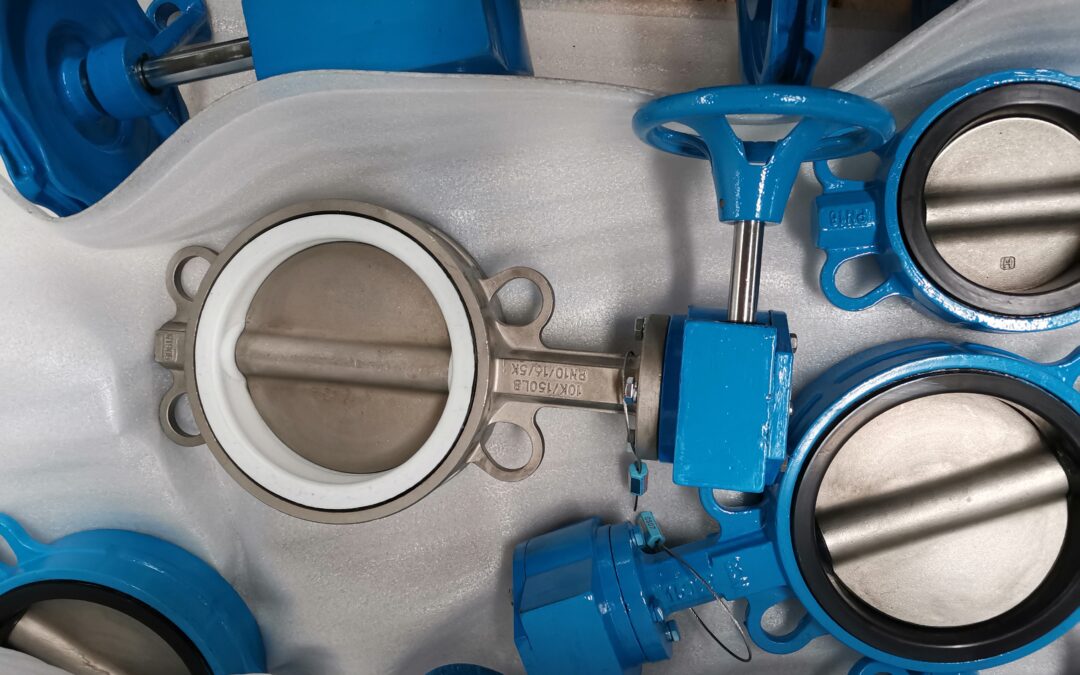
Las válvulas de mariposa Wafer son un tipo de válvulas de control de flujo Dispositivo utilizado para regular y detener el flujo de líquidos y gases en tuberías industriales.. Cuentan con un compacto, diseño en forma de disco que “monturas” entre dos bridas, de ahí el nombre de oblea.

Cómo funcionan las válvulas de mariposa Wafer
A válvula de mariposa de oblea Consiste en un cuerpo de válvula circular con un centro hueco.. El disco de la válvula gira dentro del cuerpo., perpendicular al flujo, para permitir el flujo completo o cerrarlo por completo. Cuando está abierto, el disco de la válvula presenta una mínima resistencia al flujo, resultando en una alta eficiencia.
Las principales ventajas de las válvulas de mariposa tipo wafer son su:
• Tamaño compacto – Ocupan muy poco espacio debido a su delgada, forma de disco.
• Instalación rápida – Las válvulas Wafer se montan entre dos bridas., por lo que no se requieren revisiones de tuberías.
• Fácil mantenimiento – Se puede acceder y retirar el disco de la válvula sin necesidad de desmontar la tubería..
Construcción y componentes
Los componentes principales de una válvula de mariposa tipo wafer son:
• Desct – La parte giratoria que abre y cierra el camino del flujo.. La mayoría de los discos están hechos de hierro fundido., acero o acero inoxidable.
• Eje – Conecta el disco al actuador y transfiere el par necesario para girar el disco..
• Asiento – Proporciona un sello de descarga entre el disco y el cuerpo de la válvula para evitar fugas.. Los asientos de goma y elastómero son autoalimentados..
• Cuerpo – La pieza circular que se monta entre dos bridas.. Los cuerpos suelen estar hechos de hierro fundido., acero o acero inoxidable.
Los actuadores también son necesarios para girar el disco para abrirlo o cerrarlo.. Los dos tipos principales son actuadores de palanca manuales para control de encendido y apagado., y actuadores eléctricos o neumáticos para modulación y control accionado..
Aplicaciones típicas de las válvulas de mariposa Wafer
Las válvulas de mariposa Wafer son ideales para muchas aplicaciones de control de flujo debido a su diseño compacto., instalación rápida y fácil mantenimiento. Algunos usos comunes incluyen:
• Procesos industriales: Control de flujo de líquidos on/off, gases, y lodos dentro de diversos procesos de producción.
• Tuberías: Cerrar o estrangular el flujo dentro de las líneas de transporte neumático, líneas de lechada, líneas de aire comprimido y más.
• Sistemas de agua de alimentación de calderas: Aislar o regular el flujo para el arranque de equipos de planta., ajustes de flujo y apagado.
• Aislamiento de bomba: Las válvulas tipo wafer se montan entre las bridas de la bomba, permitiendo el aislamiento durante el mantenimiento sin necesidad de desmontar la línea.
• Tratamiento de aguas residuales: Control de flujo de aguas residuales., Lodos y productos químicos en instalaciones de tratamiento municipales e industriales..
• Servicio severo: Los materiales de disco de alto rendimiento y los asientos de elastómero permiten el uso con fluidos abrasivos y corrosivos..
• Distribución de agua: Ubicado en uniones dentro de los sistemas de distribución para aislamiento., control de presión y desviación de flujo.
• Tuberías: Utilizado para aislamiento, Regulación y estrangulación del flujo dentro de los ductos de transmisión de petróleo., gases y otros fluidos.
Beneficios de las válvulas de mariposa Wafer fabricadas en China
Como líder mundial en producción de válvulas, muchos tipos de mariposas oblea de calidad de Fabricante de válvulas de mariposa de oblea de China, Son como se fabrican en China debido a los menores costos de fabricación y la calidad competitiva.. Los beneficios incluyen:
• Precios bajos – Las fábricas chinas pueden ofrecer válvulas tipo wafer a precios altamente competitivos gracias a las economías de escala.
• Certificaciones – Las válvulas cumplen con estándares internacionales como API, AWWA, Licenciatura, DE, ANSI y más.
• Materiales – Los fabricantes producen válvulas en una variedad de materiales para adaptarse a su tipo de fluido y condiciones de servicio..
• Estilos – Las válvulas están disponibles en oblea., arrastrar, Versiones ranuradas y embridadas con múltiples conexiones finales..
• Actuación – Los fabricantes utilizan diseños de discos avanzados, Metalurgia y tecnologías de asiento para un cierre hermético y fugas mínimas..

Jul 15, 2023 | Noticias
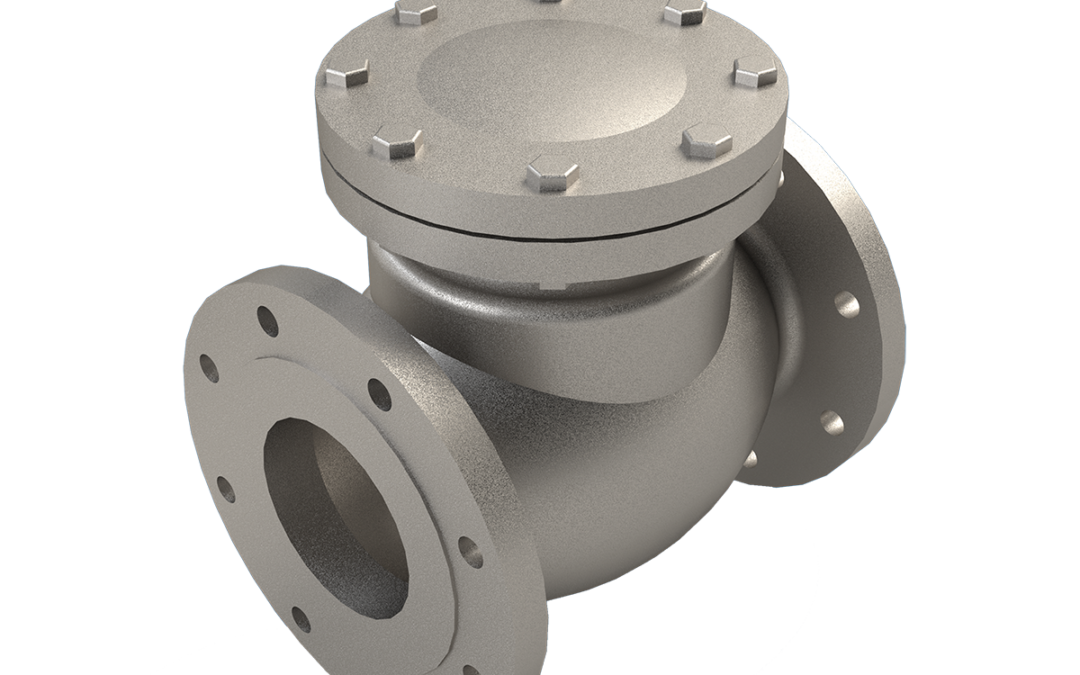
Non return valves (NRVs), also known as check valves or reflux valves, are flow control devices that allow fluids to flow in one direction while preventing backflow. They comprise a simple yet ingenious mechanism that opens automatically to allow forward flow and then closes automatically to prevent reverse flow.

How Non Return Valves Work
NRVs contain a moving part known as a closure element that opens to allow forward flow and then closes to prevent backflow. There are various types of NRVs with different closure mechanisms:
• Swing check valves feature a disc or clapper that pivots to open and close. When fluid is flowing forward, the disc swings fully open. Pero cuando el flujo se invierte, the increased back pressure causes the disc to swing shut, sealing against its seat to prevent backflow.
• Lift check valves contain a round or rectangular closure element that rises to allow forward flow and then drops back down to seal against backflow. The closure element is lighter than the fluid and floats up as flow begins, uncovering the passageway. When flow stops, the element drops by gravity to close the valve inlet.
• Dual plate check valves utilize two overlapping closure plates that separate to permit forward flow but press together to prevent backflow. The plates act independently of each other based on upstream and downstream pressures.
• Diaphragm check valves contain flexible diaphragm that rises to allow forward flow but then seals against a port when backflow occurs. Deflecting in response to pressure differentials, the diaphragm provides an instant, positive seal against reverse flow.
Non return valve opens automatically in response to fluid pressure and close automatically in the absence of sufficient flow. No external power is required for operation – only the pressure generated by the flowing fluid.
Uses And Applications For Non Return Valves
Non return valve serve various purposes across many industries by preventing reverse flow that could otherwise contaminate, overwhelm or damage systems. Common applications include:
• Distribución de agua – check valves by China non return valve suppliers, prevent back siphonage into potable water supplies from reservoirs or equipment at lower elevations.
• Appliance draining – NRV drain cocks allow sinks, tubs and tanks to fully empty while preventing used water from flowing back in.
• Irrigation systems – non return valves ensure water continues to flow one-way through sprinkler systems towards emitters and drip lines.
• Pumping equipment – check valves from non return valve manufacturer stop pumped liquids or gases from flowing backward through idle pumps, conserving energy and prolonging equipment life.
• Process control – NRVs isolate equipment or provide one-way flow within industrial processes across sectors like pharmaceutical, químico, mining, aceite & gas, y generación de energía.
• Instrumentation – non return valves protect delicate instruments from damage caused by fluid reversal that could result from system shutdowns or pipe network variations.
Chinese Non Return Valve Suppliers
Chinese manufacturers have become a major source of cost-effective non return valves for the global market due to lower production costs and competitive product quality. Chinese suppliers offer:
• Standard NRVs for water, air, gas, oil and chemical applications made from metal alloys like bronze, hierro fundido, stainless steel and more.
• High-performance zero leak valves with EPDM or FKM rubber seals for pharmaceutical and food grade applications.
• Valves with multiple end connections like flanged, threaded and welded to simplify installation.
• Certifications to international standards such as ISO, API, ASTM, ASME and CE marking.
When choosing a Chinese NRV supplier, look for a reputable company with a proven track record, certifications, customization capabilities and support services like application engineering and rapid prototyping. With proper due diligence, Chinese non return valves can provide excellent value and performance for your specific flow control needs.
Jul 15, 2023 | Noticias
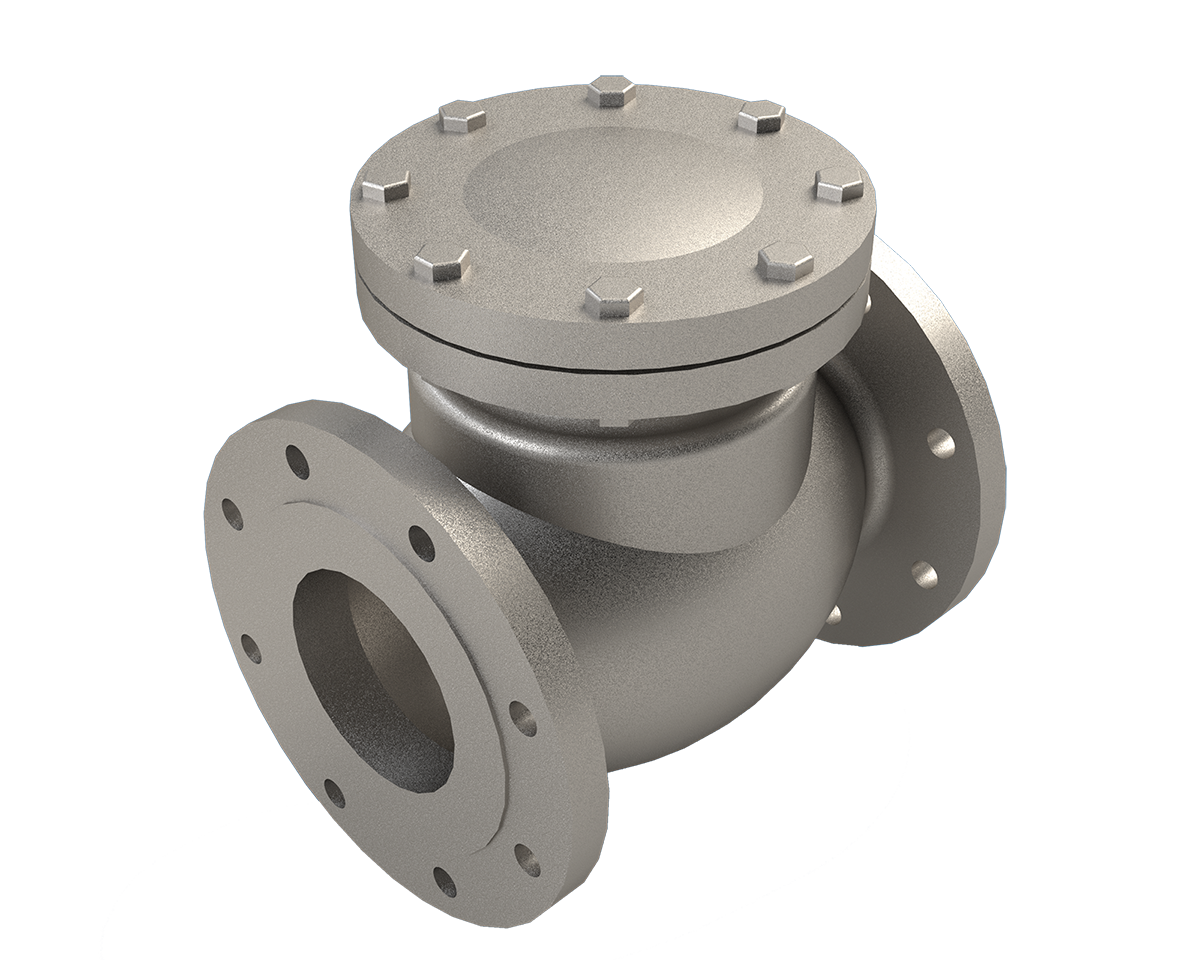
Las válvulas de retención oscilantes son un tipo de dispositivo de control de flujo que solo permite el flujo de fluido en una dirección y evita el reflujo.. Cuentan con un disco articulado o clapeta que se mueve a una posición abierta o cerrada dependiendo de la presión y la dirección del flujo dentro de la válvula..
Cuando el fluido fluye en la dirección permitida., el disco se abre completamente para permitir el flujo completo. Pero cuando el flujo invierte la dirección, El aumento de la contrapresión hace que el disco gire y se selle herméticamente contra su asiento., detener el reflujo. Esta operación simple pero efectiva hace que las válvulas de retención oscilantes sean ideales para una variedad de aplicaciones donde la prevención del reflujo es crucial..
Construcción y operación
un tipico válvula de retención oscilante Consta de un cuerpo de válvula con entrada y salida., un disco pivotante que actúa como elemento de control, y una bisagra que permite que el disco gire libremente. La mayoría de los discos están expuestos al medio de flujo y están hechos de metales como el hierro fundido., acero, y acero inoxidable. Algunas válvulas de alta gama cuentan con discos de elastómero encapsulados para mejorar el sellado y la longevidad..
Cuando el fluido fluye en dirección hacia adelante., la presión hace que el disco gire y se asiente contra la bisagra, permitiendo un flujo sin restricciones a través del cuerpo de la válvula. A medida que el flujo se invierte, la presión hacia atrás cierra el disco contra su asiento, creando un sello hermético para evitar el reflujo. La bisagra permite que el disco se mueva libremente desde completamente abierto hasta completamente cerrado según sea necesario..
Aplicaciones de las válvulas de retención oscilantes
Las válvulas de retención de oscilación se utilizan ampliamente en aplicaciones donde es necesaria la prevención de contraflujo para garantizar el control y la seguridad del sistema.. Los usos comunes de las válvulas de retención oscilantes incluyen:
• Prevención del contrasifonaje en los sistemas de distribución de agua.. Deteniendo los reflujos, Estas válvulas ayudan a prevenir la contaminación de los suministros de agua potable..
• Drenaje de tanques y equipos. Los controles oscilantes proporcionan drenaje unidireccional para eliminar fluidos y condensado de los recipientes..
• Separación de gas y líquido en oleoductos y gasoductos.. Las válvulas de Fábrica de válvulas de retención oscilantes de China Permite que los líquidos se drene mientras evita el reflujo de gas hacia áreas bajas..
• Control de flujo en procesos industriales. La capacidad de detener el flujo inverso y al mismo tiempo permitir que los gases y líquidos se descarguen libremente hace que los controles de oscilación sean valiosos para muchas aplicaciones de procesos..
• Aislar secciones de redes de tuberías. Al prevenir el reflujo, Las válvulas de retención oscilantes aíslan eficazmente las secciones de tubería aguas arriba de las variaciones de flujo aguas abajo..
China como importante fabricante
China se ha convertido en un importante productor y exportador mundial de válvulas de retención oscilantes.. Las fábricas chinas fabrican válvulas de acuerdo con estándares internacionales como ANSI., YO ASI, DE, y JIS y oferta:
• Estándar Válvula de retención oscilante de China con bronceado, hierro fundido, o cuerpos de acero inoxidable.
• Válvulas de alto rendimiento con asientos de disco flexibles encapsulados para aplicaciones químicas y farmacéuticas.
• Sellos de fuelle y triple compensación para un rendimiento sin fugas.
• Válvulas clasificadas para servicio de alta temperatura y alta presión.
• Oblea, arrastrar, y estilos de brida de conexiones finales para una instalación sencilla.
Al seleccionar un fabricante, busque una fábrica china con una larga trayectoria operativa, certificaciones como ISO 9001, y experiencia en la producción de válvulas para algunos de los usuarios finales industriales más grandes del mundo.. Los mejores proveedores chinos de válvulas también ofrecen diseños personalizados y servicios rápidos de creación de prototipos y pruebas para aplicaciones únicas..



