
Ago 10, 2023 | Noticias
Ball valves are a type of valve used to control the flow of liquids, gases, and slurries in a piping system. They consist of a hollow, perforated ball that sits inside a valve body. When the valve handle is turned to open the valve, the ball rotates so that the hole becomes aligned with the inlet and outlet ports, allowing fluid to flow through. cuando está cerrado, the hole becomes perpendicular to the ports, blocking flow. Ball valves are used in many industrial applications thanks to their efficient on/off control, diseño de paso total, and tight sealing capabilities.
There are a few main types of ball valves, including full bore, reduced bore, trunnion mounted, floating ball, y entrada superior. They come in sizes ranging from 1/8″ to 72″ and pressure classes from 150 a 4500 psi. Ball valve bodies are made from materials like brass, acero inoxidable, acero carbono, and other alloys for corrosion resistance. Seats and seals are usually teflon, nylon, delrin, viton, or other elastomers.

China Ball Valves
China has become one of the world’s largest manufacturers and exporters of industrial valves and piping components. This includes a full range of ball valves in carbon steel, acero inoxidable, bronze, brass, aluminum, hierro fundido, and other materials. There are over 5000 valve and pipe fitting factories throughout China producing these products.
The main benefits of China ball valves include:
- Price – Labor costs are lower in China, so pricing is very competitive. Valves can be 20-50% cheaper than European and American brands.
- Custom options – Chinese factories are willing to customize valves to your exact requirements. This includes non-standard materials and dimensions.
- Range of types – Chinese factories make every type of ball valve such as standard port, Puerto lleno, reduced port, flanged, threaded, high pressure, cryogenic, aseptic, y más.
- International standards – Many manufacturers comply with API, ANSI, Licenciatura, DE, and other standards and can provide the required certification.
- Large production capacity – Highly efficient factories can produce huge volumes of valves to suit large projects and bulk orders.
When sourcing from China, it’s recommended to use an established manufacturer who can provide quality and performance guarantees. There are some low quality valves on the market, so purchasing through a trusted supply chain is key.
Ball Check Valves From China Market
A ball check valve is a specialized type of check valve which uses a ball to block reverse flow. It acts similar to swing check valves with the added benefit of full bore and minimal pressure loss. Ball check valves consist of a free floating ball inside which sits on a seat when flow stops. Flow entering the valve lifts the ball off the seat and holds it against a stop. If flow tries to reverse, the ball is pushed onto the seat, closing the valve. This prevents backflow without the use of springs or moving parts.
Key benefits of ball check valves include:
- Full bore design – The ball retracts to the side during forward flow, leaving the entire pipe bore open. This reduces pressure loss compared to other check valves.
- Straightforward operation – There are no flappers, springs, or moving parts. The ball simply seats and unseats automatically based on flow.
- Tight sealing – The spherical ball provides a complete seal when fully seated on the valve body. This prevents leaks.
- Bajo mantenimiento – Without springs and moving parts, these valves require very little maintenance.
- Diseño compacto – Ball check valves fit into tight spaces and have a small footprint compared to swing and lift checks.
- Low slam and surging – The ball closes more gently than a swing check, reducing water hammer.
Ball check valves are commonly used in water systems, chemical handling, climatización, steam lines, and other non-critical backflow protection applications. They come in sizes from 1/4″ to 12″ NPS in steel, brass, plástico, y acero inoxidable. Always follow the pressure and temperature limits when selecting these valves.
Ball Valves As Brass Materials
Brass ball valves offer excellent corrosion resistance, machinability, and strength. The main types of brass alloys used include:
- 85-5-5-5 brass: 85% copper, 5% zinc, 5% lead, 5% tin – The most common and inexpensive brass for ball valves. Good strength and corrosion resistance. The lead improves machinability.
- Ecos brass: 99% copper, 1% silicon – A more eco-friendly lead-free brass alloy that machines well. It offers excellent corrosion resistance.
- 230 brass: 70% copper, 30% zinc – A strong brass alloy with high zinc content. It has good corrosion resistance in water services. The lower copper content reduces cost.
- Naval brass: 60% copper, 39% zinc, 1% tin – This high strength alloy resists dezincification and is suited for high pressure lines. It has excellent corrosion resistance in salt water environments.
- 360 brass: 60% copper, 40% zinc – The highest zinc brass alloy. It has the highest strength but lower corrosion resistance than other brasses.
The main benefits of brass ball valves include:
- Corrosion resistant – Forms a protective patina layer and resists weathering and chemical corrosion. Good for water and chemical services.
- Biofouling resistance – The smooth surface inhibits microbial growth and buildup compared to iron valves.
- Machinable – Easy to machine and thread for adding end connections. Allows economical manufacture.
- Strong – Brass has good tensile strength and pressure rating. Suitable for pressures up to 3000 psi.
- Non-sparking – The copper in brass makes it non-sparking. Useful in flammable gas lines and hazardous areas.
Brass ball valves are an excellent choice for commercial plumbing systems, marine applications, climatización, gas handling, and general industrial uses. They provide long service life and reliable operation.
Ago 9, 2023 | Noticias
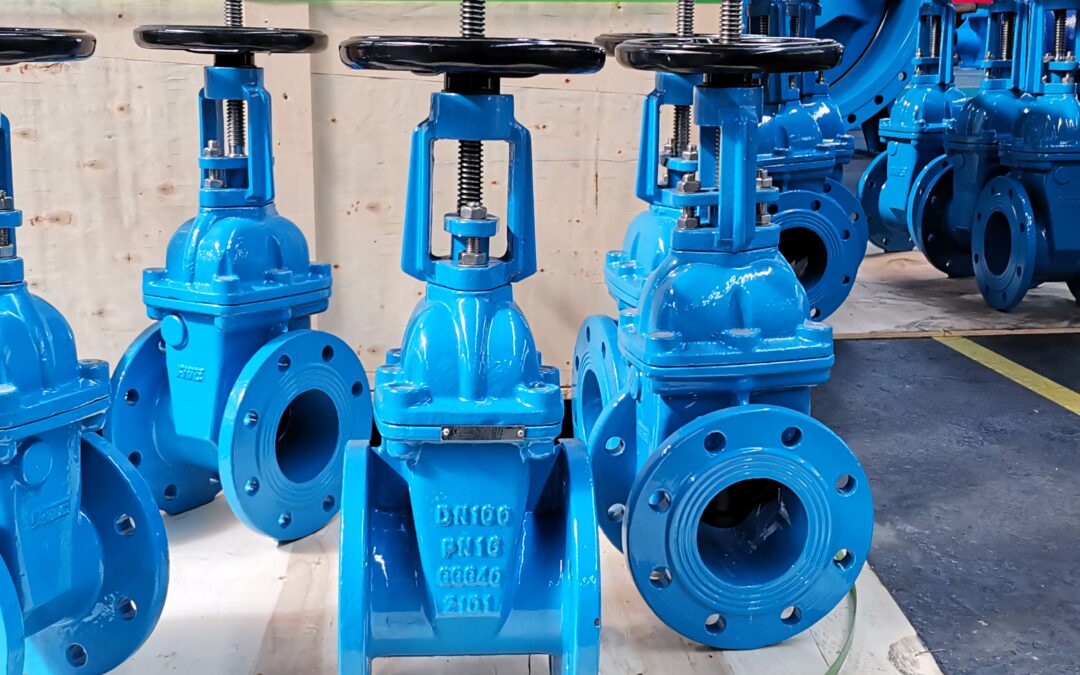
Las válvulas de cono fijo han demostrado ser válvulas de retención de presión confiables y versátiles durante más de un siglo.. Como uno de los primeros dispositivos de aislamiento de recipientes a presión desarrollados, Sus ventajas de diseño aún los convierten en la opción prudente para aplicaciones críticas en la actualidad.. Esta publicación examina el funcionamiento y usos de válvulas de cono fijo, con un enfoque en el diseño del vestíbulo-bungar de Hilton, que marcó el estándar en 100 hace años que.

Operación de válvula de cono fijo
Las válvulas de cono fijo constan de una forma cónica truncada unida a la pared del recipiente a presión., conocido como el “cono fijo.” Una pieza de cierre de forma cónica coincidente, o “cono movible,” se desplaza sobre el cono fijo para sellar la abertura. Las juntas entre los conos mantienen el sello hermético a la presión..
Para abrir la válvula, la pieza cónica móvil se desplaza lateralmente a lo largo de las guías para liberar la abertura del cono fijo. Los actuadores hidráulicos o neumáticos proporcionan la fuerza lineal para mover el cono móvil según sea necesario.. Una disposición de sellado interno evita fugas durante la operación de cambio., que tarda sólo unos segundos en completarse. Una vez abierto, La capacidad de flujo total se mantiene comparable al tamaño de la tubería..
A medida que aumenta la presión dentro del recipiente, ejerce una fuerza de precarga entre los conos que mejora la integridad del sello. Este principio de sellado autoenergizante permite que las válvulas de cono fijo logren cero fugas en cualquier dirección del flujo., haciéndolos ideales para aplicaciones de servicios críticos. La selección adecuada del material y el pulido de las superficies cónicas durante la fabricación garantizan un cierre hermético durante toda la vida útil de la válvula..
Establecido a finales del siglo XIX., Hilton Limited ha sido durante mucho tiempo líder de la industria en la fabricación de válvulas de cono fijo de alta integridad con su marca patentada. “Bunger del pasillo” diseño. El nombre de los ingenieros que inventaron la variación., válvula bunger de cono fijo Mejorado el concepto de cono fijo con características innovadoras que mejoran la seguridad y la confiabilidad..
Las mejoras clave incluyeron transiciones fileteadas entre los conos y la carcasa de la junta para reducir las concentraciones de tensión.. Las superficies de sellado generosamente redondeadas mejoran la distribución de la carga y mejoran el rendimiento ante la fatiga.. Además, Los actuadores alineados dinámicamente facilitan el cambio de cargas en los conos.. Estas mejoras de diseño todavía sirven como punto de referencia en el rendimiento de las válvulas de cono fijo en la actualidad..
Aplicaciones de la válvula de cono fijo
Los servicios críticos exigen confiabilidad absoluta de las válvulas en condiciones extremas. Las válvulas de cono fijo como los diseños de Hall-Bunger superan estos desafíos:
- Plantas de energía nuclear: Aislamiento de circuitos de refrigerante primarios., generadores de vapor, Los presurizadores y otros sistemas de procesos nucleares requieren la máxima seguridad y estanqueidad..
- Plantas Petroquímicas: Aislamiento de corrientes de proceso de alta presión/temperatura, columnas de destilación y otras unidades de refinación que manejan hidrocarburos peligrosos.
- Terminales de GNL: Contención de gas natural criogénico durante el transporte, El almacenamiento y la regasificación requieren válvulas probadas para manejar los ciclos térmicos..
- Calderas Industriales: Aislamiento de alta integridad de circuitos de vapor presurizado que generan energía para fábricas y otras instalaciones..
- Fábricas de pulpa y papel: Control de flujos de alta presión que transportan astillas de madera., licor negro y otros fluidos de proceso unitario.
- Plataformas petroleras costa afuera: Las válvulas deben funcionar sin problemas en entornos marinos peligrosos y con espacio limitado.
Beneficios de la válvula Bunger Hall de cono fijo
Las ventajas de las válvulas de cono fijo las hacen ideales para aplicaciones de aislamiento de servicio crítico, incluido:
- Fuga cero – La operación del sello autoenergizado proporciona un cierre seguro durante toda la vida útil de la válvula..
- Flujo de paso total – Sin obstrucciones cuando está abierto para minimizar la caída de presión..
- Fortaleza – Las superficies de sellado cónicas distribuyen las tensiones de manera uniforme para una larga vida útil contra la fatiga..
- Fiabilidad – El diseño simple da como resultado menos piezas propensas a desgastarse o funcionar mal..
- Actuación – El accionamiento hidráulico externo elimina el actuador del área de alta presión.
- Mantenibilidad – Conos de fácil acceso para renovación sin interrumpir las tuberías.
- Opciones de materiales – Amplia variedad de aleaciones disponibles para adaptarse a las condiciones de servicio corrosivo.
- Seguridad – Totalmente probado y certificado globalmente para su uso en aplicaciones altamente peligrosas.
Cuando la confiabilidad absoluta es fundamental, Los ingenieros confían en las válvulas de cono fijo como los diseños de Hilton Hall-Bunger para aislar de forma segura los sistemas de alto riesgo y proteger a las personas., equipos y el medio ambiente. Su principio de sellado probado en el tiempo ofrece un rendimiento sin fugas que las plataformas marinas, demanda de plantas nucleares e industrias de procesos críticos.
Ago 5, 2023 | Noticias
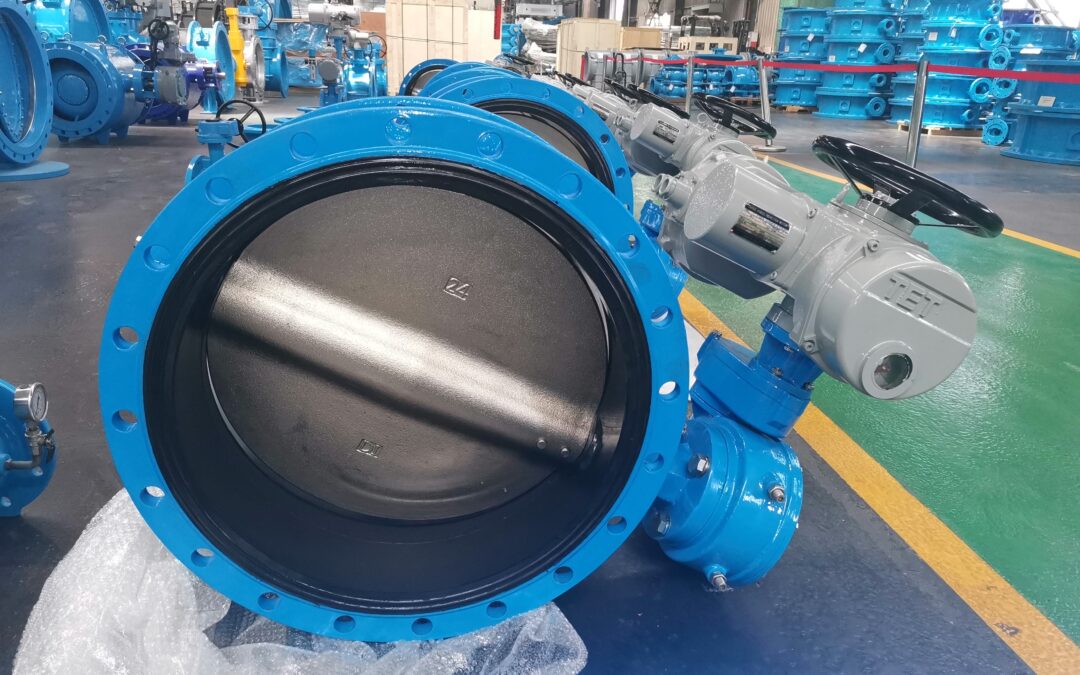
Butterfly valves are used in a wide range of industrial applications to control the flow of liquids, gases, y lodos. The circular disc rotates on an axis to either allow or prevent flow through the pipe. Butterfly valves are valued for their simple operation, alta fiabilidad, low cost, and low pressure drop.
China is a leading global manufacturer of high-performance butterfly valves for industrial use. Chinese manufacturers utilize innovative butterfly valve designs and robust materials to create valves that outperform traditional designs.

Types Of Butterfly Valves Made In China
There are several main designs of butterfly valves produced by Chinese manufacturers:
U Type Butterfly Valve
The disc on a u-type butterfly valve is attached on the upper end of the pivot axis. The u-shape allows for unrestricted flow when the valve is open. This makes u-type designs well-suited for applications that require low pressure drop across the valve. They can handle high flow capacity while generating little turbulence.
Válvula de mariposa de disco concéntrico
A concentric butterfly valve has a pivot axis located at the center of the disc. This allows the disc to align perfectly with the flow when fully open yet still seal tightly when closed. Concentric discs provide optimal flow control and are easy to operate from fully closed to fully open.
Válvula de mariposa doble excéntrica China
Double eccentric butterfly valves have the pivot axis located above and offset from the center of the disc. Cuando está abierto, the disc seals against an elastomer gasket inside the pipe to create a bubble-tight shutoff. The offset pivot gives double eccentric valves the tight shutoff capabilities of eccentric valves with the high capacity of concentric types.
Advantages of Butterfly Valves from China
Butterfly valves from China offer several advantages over traditional designs:
- Advanced Disc Seals – Improved elastomer and metal disc seals prevent leakage even after thousands of open/close cycles.
- Durable Disc Materials – Discs made from stainless steel, hierro fundido, alloy steel, or other exotics resist corrosion, erosion, and high temperatures.
- Rangeability – Advanced disc profiles provide precise flow control over a wide range of flow rates.
- Low Torque Operation – Optimized bearings and seals reduce the torque required to operate the valve.
- Compact Size – Innovative designs allow substantial flow capacity through a compact valve body.
- Custom Configurations – Chinese factories can provide custom butterfly valves modified for specialized applications.
Ideal for Tough Industrial Applications
Thanks to their innovative features and robust construction, butterfly valves from China excel in harsh industrial environments, incluido:
- Procesamiento químico – Corrosion-resistant exotic alloys handle volatile chemicals and acids.
- Slurry Transport – Heavy-duty seals withstand abrasive wear from slurries.
- Aceite & Gas – High bidirectional shutoff protects against dangerous leaks.
- Generación de energía – Precise flow control regulates steam, fuel oils, and combustion gases.
- Mining – Durable valves stand up to contaminated slurry flows and high differential pressures.
- Water Systems – Compact, high-capacity valves optimize municipal water distribution.
China butterfly valves outperform the competition in demanding industrial environments while providing substantial cost savings. With fast delivery times and responsive customer service, Chinese manufacturers make it easy to upgrade your piping systems with innovative butterfly valve technology. Evaluating Chinese suppliers on quality, testing, materiales, and design is worthwhile to access butterfly valves engineered for optimal durability, actuación, y seguridad.

Ago 4, 2023 | Noticias
válvulas de retención, also known as one-way valves, are a crucial component in many industrial fluid handling systems. These valves allow fluid to flow in one direction but prevent backflow. There are many types of check valves used in different applications, but wafer check valves and flanged check valves are two of the most common types used in industrial settings.
China has become one of the leading manufacturers of high-quality check valves for industrial applications. Chinese manufacturers like Válvula de retención de elevación de China produce a wide range of check valves including wafer, double door, and flanged designs. The quality of China-made check valves rivals that of top manufacturers around the world while being available at more competitive prices.

Válvulas de retención tipo wafer
Wafer check valves from China are sandwiched between two pipeline flanges in a piping system. Wafer double door check valve designs utilize a dual-door configuration with spring-loaded flappers. This allows fluid to flow smoothly in the forward direction while providing a tight seal to prevent backflow.
Wafer check valves are compact and lightweight with a slim body. This makes them ideal for applications where space is limited. The wafer style also allows for easy installation and maintenance since you can access the internals by simply removing the valve from between the pipeline flanges.
Double door wafer check valves are maintenance-free and provide reliable backflow prevention even in low-pressure systems or applications handling contaminated fluids. The dual flappers ensure good sealing even with low backpressure.
Flanged Check Valves
Flange double door check valve designs have flanged ends that bolt directly to mating flanges on the pipeline. This makes them ideal for larger pipe diameters and high-pressure applications. The flanged ends provide a robust, leak-proof seal with the pipe flanges.
Double door flanged check valves provide the same benefits as wafer designs. The dual flappers provide tight sealing and prevent backflow even at low pressures. The flanged design allows these valves to handle higher pressures than wafer types.
Flanged check valves are available in cast iron, acero carbono, acero inoxidable, alloy steels, and other materials for compatibility with various fluids. Exotic alloys can handle caustic, corrosive, or high-temperature applications.
Benefits of China Check Valves
There are several important benefits of specifying China-made check valves for industrial applications:
High Quality Manufacturing – China has continually improved its manufacturing standards. Check valves from China often meet or exceed the quality levels of American and European brands.
Innovative Designs – Chinese valve manufacturers have invested heavily in R&D. They often improve upon standard check valve designs for better performance.
Cost Savings – Labor and manufacturing costs are lower in China. This allows Chinese suppliers to offer check valves at very competitive pricing.
Custom Options – China makers can provide custom valves with non-standard connections, materiales, seals, and other modifications for special applications.
Fast Turnaround – Large manufacturing capabilities allow Chinese factories to fulfill orders faster with short lead times.
Responsive Customer Service – Language barriers are shrinking. Many Chinese suppliers have English-speaking sales engineers to handle technical questions.
With the combination of innovative designs, high manufacturing quality, and low costs, China has become a top source for check valves used in industrial plants, procesamiento químico, generación de energía, mining, petróleo y gas, tratamiento de aguas residuales, and other fluid handling applications. By specifying China-made check valves, engineers can improve the performance of their piping systems while staying within budget.
The next time you need to source check valves for an industrial project, don’t overlook quality manufacturers based in China. Wafer and flanged check valves from China provide the performance and reliability required for critical applications while delivering substantial cost savings compared to American or European brands. Do your due diligence to verify the quality level and capabilities of the supplier. Then take advantage of China’s manufacturing strengths to get the best check valves to protect your piping systems from reverse flow.
Ago 3, 2023 | Noticias
Butterfly valves are a common type of flow control valve used in a variety of industrial applications. Sin embargo, standard butterfly valves have some limitations with respect to efficiency and tight shut-off performance. This is where double offset butterfly valves come in.

• What is a double offset butterfly valve?
• How do they provide improved performance?
• Main features and benefits
• Typical applications
• Best uses
• Factors to consider when choosing a double offset butterfly valve
What Is A Double Offset Butterfly Valve?
A double offset butterfly valve as válvula de mariposa de alto rendimiento, has a similar design to a standard butterfly valve, featuring a disc that rotates within a valve body to control the flow of liquids and gases. Sin embargo, instead of a disc that fits directly against the seat, a double offset butterfly valve’s disc is offset from the seat in two directions:
- The disc is offset radially outward from the center of the valve.
- The disc is also offset vertically away from the seat.
- This double offset design provides several performance benefits when compared to standard butterfly valves.
How Do They Provide Improved Performance?
The double offset design provides three main advantages:
Improved sealing – As the disc approaches the seat, fluid is squeezed out from the sides due to the radial offset. This creates an enhanced seal between the disc and seat for a better shut-off.
Reduced torque – Since the disc does not touch the seat, friction is reduced. This allows the valve to be operated with lower torque and less wear on stem seals and bearings.
Lower pressure drop – The vertical offset provides more clearance for fluid to flow through when open, resulting in a lower pressure drop across the valve when compared to standard butterfly valves.
• Bubble-tight shutoff – Eliminates fluid leakage common to traditional butterfly valves
• Low stem friction – Minimal stem thrust and bearing wear enables long service life
• Low operating torque – Easy open/close operation even on large valves
• High flow efficiency – Pressure drop of just 2-5% when fully open
• Compatible with a range of fluids – Suitable for liquids, gases, slurries and steams
• Fewer moving parts – Simple and robust design still provides excellent performance
Typical Applications
Some common applications for double offset butterfly valves include:
• Pulp and paper plants – For process control of pulp stock, white and black liquor
• Power plants – Used in boiler feedwater, condensate and circulation water systems
• Petrochemical plants – Found in distillation towers, process lines and aromatics plants
• Oil and gas facilities – Deployed in LNG terminals, pipelines and offshore platforms
• General industrial – For flow control of liquids, slurries, gases and steam in manufacturing plants
• Tratamiento de aguas residuales – Regulating flow in primary sedimentation, aeration and other systems
Best Uses for Double Offset Butterfly Valves
The best applications for double offset butterfly valves are those requiring:
• Tight shutoff – Nearly zero leakage, especially for isolating or throttling compressible fluids
• Low operating torque – Where stem loads and actuator sizing are a concern
• Minimal pressure drop – Where efficiency is important to reduce pumping loads and costs
• Ability to handle particles – Suitable for slurries and other fluid streams with entrained solids
• Infrequent operation – Recommended for predominantly on/off service as opposed to modulating
Factors To Consider When Choosing
Look for a valve with:
• Proper pressure/temperature ratings for your system
• Disc and seat materials compatible with your fluid type and properties
• An actuator able to provide the torque required for valve operation
• Suitable connection types that match your line piping
• Optional features like a lockable handwheel for manual valves and an internal coating for abrasive fluids
• Third-party certification from an organization like ASME or ISO



