
Une vanne papillon à triple excentration est un dispositif polyvalent et largement utilisé dans diverses industries, y compris les produits chimiques, pétrochimique, et traitement pharmaceutique. Cependant, Comprendre le sens d'écoulement préféré de cette vanne est crucial pour un fonctionnement et une maintenance appropriés.. Dans cet article, nous entrerons dans les détails du sens d'écoulement préféré d'une vanne papillon à triple excentration.
Vannes papillon triple excentration are widely used in various industries for their ability to control fluid flow and isolate systems. One of the key features of these valves is their ability to handle the bidirectional flow, but what is the preferred flow direction of a triple offset butterfly valve? Dans cet article, we will explore the preferred flow direction of these valves and why it matters.
Vanne papillon à triple décalage
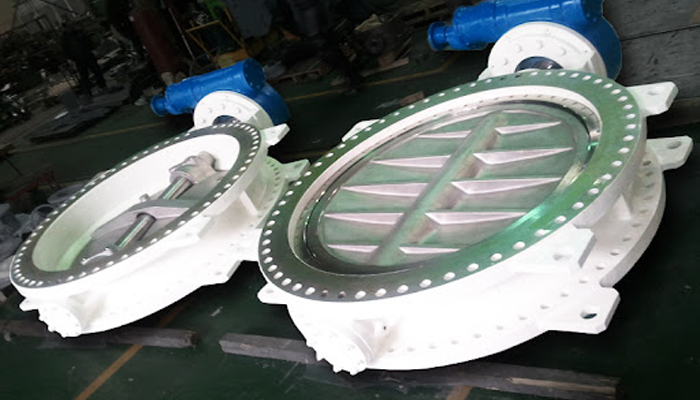
A triple offset butterfly valve is a type of valve that uses a disc-shaped valve plug to control fluid flow. The valve plug is positioned in a way that creates three offsets, allowing it to rotate 90 degrés pour ouvrir ou fermer la vanne. This design allows the valve to handle bidirectional flow, making it suitable for a wide range of applications.
Preferred Flow Direction
The preferred flow direction of a triple offset butterfly valve is determined by the design of the valve and the way it is installed. En général, the preferred flow direction is from the upstream side of the valve to the downstream side. This means that the valve should be installed with the inlet on the upstream side and the outlet on the downstream side.
There are several reasons why the preferred flow direction is important. Premièrement, it helps to prevent cavitation, which can occur when the fluid flow is restricted or reversed. Cavitation can cause damage to the valve and piping, and can also lead to reduced flow rates and increased noise levels. Deuxièmement, the preferred flow direction helps to ensure that the valve plug is properly aligned, which is important for smooth operation and to prevent damage to the valve.
Flow Direction and Valve Operation
The flow direction also affects the operation of the valve. When the valve is open, the fluid flows from the upstream side to the downstream side, and the valve plug is rotated 90 degrees to allow the flow. When the valve is closed, the fluid flow is restricted, and the valve plug is rotated 90 degrees to block the flow.
In summary, the preferred flow direction of a triple offset butterfly valve is from the upstream side to the downstream side. This direction helps to prevent cavitation, ensures proper alignment of the valve plug, and affects the operation of the valve. By understanding the preferred flow direction, industries can install and operate these valves more effectively, ensuring smooth and efficient fluid flow control.
Factors Affecting the Preferred Flow Direction
Several factors can affect the preferred flow direction of a triple offset butterfly valve, including the size and shape of the valves, the orientation of the valves, and the pressure drop across the valves. Proper installation and alignment of the valves are crucial for ensuring proper flow direction and avoiding blockages or leaks.
Examples and Applications
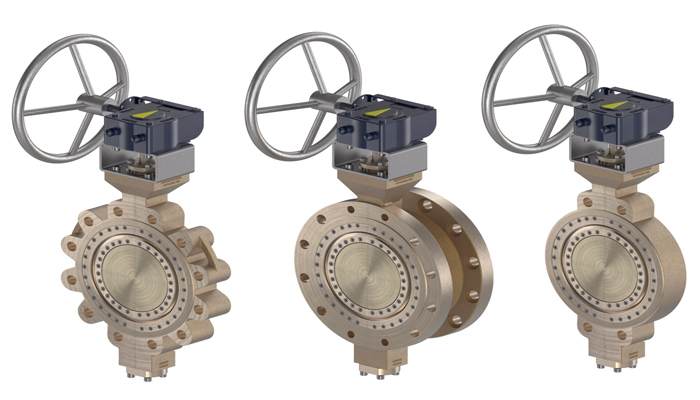
Triple offset butterfly valves are widely used in various industries, y compris le traitement de l'eau, traitement chimique, and oil and gas production. They are often used in applications where high flow rates and low-pressure drops are required, such as in pipelines and pumping stations.
Par exemple, in a water treatment plant, a triple offset butterfly valve can be used to control the flow of water through a treatment process. The valve can be installed in a horizontal position, with the inlet on the upstream side and the outlet on the downstream side. This allows the water to flow through the valve and into the treatment process, where it can be filtered and purified.
In another example, a triple offset butterfly valve can be used in a chemical processing plant to control the flow of chemicals through a reaction process. The valve can be installed in a vertical position, with the inlet on the upstream side and the outlet on the downstream side. This allows the chemicals to flow through the valve and into the reaction process, where they can be mixed and reacted.
Conclusion
En conclusion, the preferred flow direction of a triple offset butterfly valve is an important consideration for industries that use these valves for fluid flow control. By understanding the reasons behind the preferred flow direction and how it affects the operation of the valve, industries can optimize their use of these valves and ensure smooth and efficient operation. Whether it’s for water treatment, traitement chimique, or other applications, the triple offset butterfly valve is a versatile and reliable option for fluid flow control.