Avr 11, 2024 | Nouvelles
Step into the realm of engineering marvels with vannes papillon hautes performances (HPBV), souvent saluées comme les énigmatiques vannes papillon à double excentrage. Ces chefs-d'œuvre de la dynamique des fluides orchestrent l'écoulement dans les canalisations avec finesse et précision.. Embracing high-performance butterfly valves promises a symphony of operational enhancements, unlocking a spectrum of possibilities to optimize your fluid management endeavors.
Key aspects to enhance operations of High performance butterfly valves
Improved Process Efficiency:
Process efficiency is crucial for optimal flow capacity, minimized emissions, and reduced energy consumption. High-performance butterfly valves achieve this through several innovative features:
- Optimized Geometry: These valves are designed with field-proven technology and decades of experience. The geometry ensures smooth and efficient flow, minimizing turbulence and pressure drop.
- Reduced Energy Consumption: By minimizing flow resistance, these valves require less energy to overcome resistance. En outre, their tight shut-off design allows the use of smaller actuators, further reducing energy consumption.
- Metal Seat Technology: Unique metal seat technology minimizes leakage, improving overall system efficiency and sustainability.
Enhanced Flow Capacity:
The heart of a butterfly valve is its disc. Even when fully open, the disc remains in the middle, affecting flow capacity. High-performance butterfly valves address this:
Two-Shaft Design: In addition to the traditional one-shaft design, high-flow capacity versions with a two-shaft design optimize flow by providing more free space in the valve flow port.
Durabilité et longévité:
High-performance butterfly valves are built to withstand demanding conditions. Their robust materials and design ensure longevity, reducing maintenance costs.
Energy Efficiency:
- Reduced energy consumption due to optimized geometry and smaller actuators contributes to cost savings.
- Compressed air systems, often energy-intensive, benefit from these efficient valves.
Safety and Environmental Compliance:
- Minimized internal and external leakages enhance safety and environmental performance.
- These valves are sustainable choices, reducing the risk of failure in demanding service.
- Improved Flow Characteristics
- Reduced Wear and Tear
- Tight Shut-Off
- High-Performance Operation
- Wide Temperature and Pressure Range
- Bi-Directional Flow Capability
The eccentric design of these valves provides better flow characteristics compared to other types. The offset disc allows for a more streamlined flow of fluid, reducing turbulence and pressure drop. This results in improved flow rates and better control over fluid flow.The offset disc design minimizes wear and tear on valve components. When the valve is closed, the disc contacts only one side of the valve body, reducing friction. This extends the valve’s lifespan and reduces maintenance needs.
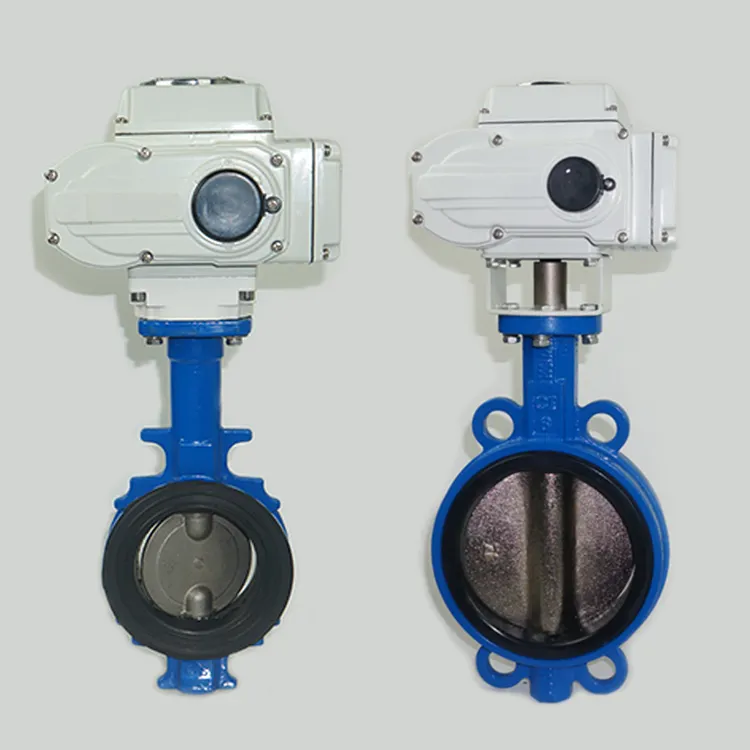
To encapsulate, the utilization of high-performance eccentric butterfly valves unveils a realm of precision, energy conservation, and heightened system efficacy. Harness the potential of these electrically-driven marvels to not only refine control but also to economize energy and bolster operational efficiency. Besides, integrate vanne papillon électrique into your operations to elevate performance standards while concurrently curbing costs.
Mar 26, 2024 | Nouvelles
Parmi la gamme de vannes industrielles, La vanne TWT revêt une importance indéniable dans divers systèmes. Serving as essential elements in fluid regulation and pressure management, these unpretentious valves are vital contributors to a myriad of industries. This piece delves into the nuanced workings of butterfly valves, dissecting their inner workings, practical applications, various types, associated benefits, and the defining characteristics that set them apart as truly exceptional components of fluid control systems.
Components of Butterfly Valve
At the heart of a butterfly valve lies its simple yet robust design. Consisting primarily of a metal disc mounted on a rod, the valve operates by rotating this disc to modulate flow. The disc, positioned in the center of the pipe, pivots on the rod, allowing for quick and precise control of fluid movement.
Underpinning this operation are two essential components: the valve body, serving as the housing for the disc, and the actuator, entrusted with the task of setting the disc in motion. To ensure seamless functionality, sealing is accomplished through the utilization of either elastomeric seals or resilient seats, guaranteeing a leak-free operation, even when subjected to high pressures.
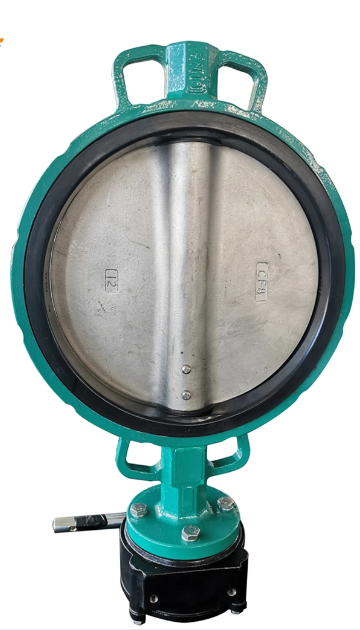
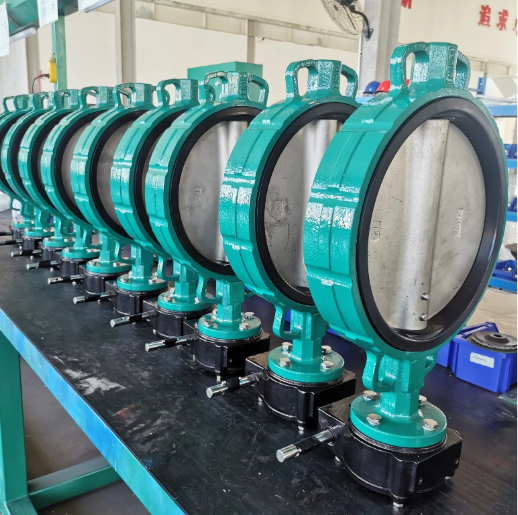
Diverse in their design, butterfly valves manifest in various types, each tailored to suit specific applications. Let’s delve into some of the primary variants:
- Concentric Disc Butterfly Valve:
- The most common type, where the disc center aligns with the valve body center when fully open.
- Suitable for low-pressure applications and offers cost-effectiveness.
- High Performance Eccentric Butterfly Valve:
- The disc is offset from the center of the valve body.
- Used for higher-pressure applications and provides better sealing capabilities.
- Extension Stem Butterfly Valve:
- Designed with an extended stem that allows for remote operation.
- To control the valve’s position from a safer and more convenient location.
- Single-Offset Butterfly Valve:
- The disc is offset from the center in a single direction.
- Balances cost-effectiveness and performance.
- Double-Offset Butterfly Valve:
- The disc has two offsets: one from the center and another from the seat.
- Ideal for high-performance applications, including throttling control.
- Triple-Offset Butterfly Valve:
- The disc has three offsets: center, seat, and shaft.
- Offers tight shut-off, minimal wear, and high durability.
- Commonly used in critical applications such as oil and gas.
- Based on End-Connection Styles:
- Vanne papillon Wafer: Fits between pipe flanges without using bolts and nuts.
- Vanne papillon à oreilles: Has threaded inserts (lugs) that allow removal without disturbing the pipeline.
- Vanne papillon à bride: Connects to flanged pipe ends.
- Butt-Welded Butterfly Valve: Welded directly to the pipeline.
Conclusion
In summary, butterfly valves are indispensable in fluid control systems, offering simplicity, efficiency, et polyvalence. Their streamlined design and wide applicability make them essential across industries globally. With advancing technology, innovation in butterfly valves ensures their leading position in fluid control solutions. From water distribution networks to chemical processing plants, butterfly valves consistently demonstrate their functionality and reliability, embodying essential principles in every operation.
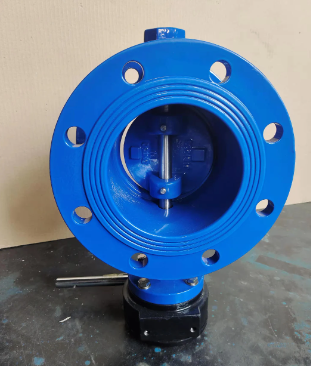
Déc 7, 2023 | Nouvelles
Vanne papillon excentrique haute performance, y compris les vannes papillon DI et les vannes papillon CI, offer reliable and efficient flow control solutions in industrial applications. Their unique design features, such as offset disc placement, low torque requirement, and pressure drop reduction, contribute to their superior performance. DI butterfly valves, made from ductile iron, provide robustness, corrosion resistance, et polyvalence, making them suitable for various industries. CI butterfly valves, constructed from cast iron, offer durability and a wide range of sizes, catering to different flow requirements.
Eccentric Butterfly Valves: An Overview

Eccentric butterfly valves are quarter-turn valves that utilize a disc with an offset shaft to control fluid flow. This design ensures that the disc is fully disengaged from the flow path when the valve is open, reducing turbulence and pressure drop. Here are some key features of high-performance eccentric butterfly valves:
un) Sealing Capability: Eccentric butterfly valves provide excellent sealing performance due to the eccentric disc design. The disc is positioned off-center, allowing a bubble-tight seal against the valve seat when closed, minimizing leakage.
b) Low Torque Requirement: The eccentric disc design reduces the torque required to operate the valve. This results in easier and more efficient valve actuation, reducing operational costs and enhancing system performance.
c) Pressure Drop Reduction: High-performance eccentric butterfly valves are designed to minimize pressure drop when fully open, ensuring efficient flow with minimal energy loss.
DEPUIS (Fonte ductile) Les vannes papillon: Features and Applications
DI butterfly valves are constructed using ductile iron, a type of cast iron that offers enhanced strength, durabilité, and corrosion resistance. Here are some notable features and applications of DI butterfly valve:
un) Construction robuste: Ductile iron provides exceptional mechanical strength, allowing DI butterfly valves to withstand high pressures and demanding industrial environments. They are resistant to impact, vibration, and thermal stress.
b) Corrosion Resistance: DI butterfly valves have excellent corrosion resistance, making them suitable for various applications involving corrosive fluids. They find applications in water treatment, wastewater management, traitement chimique, and HVAC systems.
c) Polyvalence: DI butterfly valves are available in various sizes and pressure ratings, allowing for flexibility in system design and installation. They can be used for both on-off and throttling applications.
d) Solution rentable: DI butterfly valves offer a cost-effective solution for flow control, combining durability and high performance at a competitive price point.
CI (Fonte) Les vannes papillon: Features and Applications
CI butterfly valves are constructed using cast iron, a material known for its strength and durability. Here are some key features and applications of CI butterfly valve:
un) Sturdy Construction: Cast iron provides robustness and longevity to CI butterfly valves, enabling them to withstand high pressures and harsh operating conditions. They are suitable for applications involving water, air, des gaz, and non-corrosive fluids.
b) Wide Range of Sizes: CI butterfly valves are available in a wide range of sizes, allowing for compatibility with various pipe diameters and flow rates. This versatility makes them suitable for diverse industrial applications.
c) Fire Protection Systems: CI butterfly valves are commonly used in fire protection systems, where they serve as control valves to regulate water flow. They play a crucial role in ensuring the effectiveness and reliability of fire suppression systems.
d) Systèmes CVC: CI butterfly valves find extensive use in heating, ventilation, and air conditioning (HVAC) systems. They offer efficient flow control for chilled water, hot water, and other HVAC fluids.

