Le concours entre les vannes papillon à actionneur électrique et pneumatique: Choisir une étanchéité souple ou une résistance solide?
Au cœur des merveilles industrielles, la précision s'associe à l'endurance, annonçant les héros méconnus: les vannes papillon. Pas de simples vannes ordinaires, but specifically those that represent innovation and efficiency stand out: soft sealing butterfly valves, electric pneumatic butterfly valves, and pneumatic actuator butterfly valves. Each is vital in industrial fluid control, ensuring seamless, efficient operations. Let’s explore their world, where each turn is critical, and see how they maintain industry’s lifeblood with unparalleled precision and dependability.
Soft Sealing Butterfly Valve: Championing Zero-Leak Operations
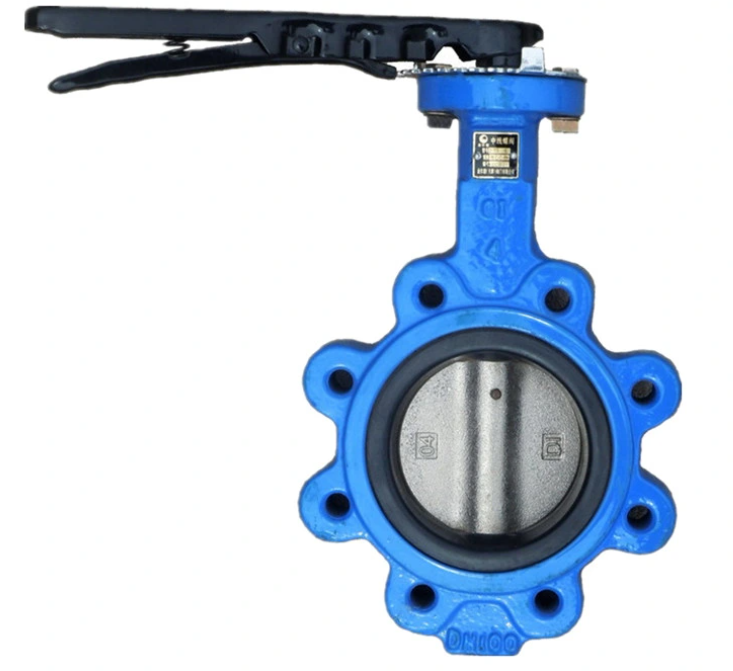
Le vanne papillon à étanchéité souple excels with its unique sealing method. It features a flexible, soft seat crafted from materials such as EPDM, NBR, or PTFE. Its design shines in tight-sealing applications, crucial for preventing leaks of fluids or gases.
In What UNpplications Does the Soft Sealing Butterfly Valve’s Design Excel?
Soft sealing butterfly valves shine in applications demanding tight closure, low leakage, and careful handling of sensitive fluids. Here’s where they stand out:
- Hygienic and Pharmaceutical: Using FDA-approved materials, they ensure cleanliness and resist chemicals.
- Traitement chimique: They withstand corrosive substances, ensuring containment and preventing cross-contamination.
- Traitement de l'eau: They’re effective in treatment and HVAC systems, offering leak-tightness across various conditions.
- Pulp and Paper: Ideal for abrasive fluids, they provide durable shutoff, cutting maintenance costs and downtime.
- Food and Beverage: They protect food safety by blocking contaminants and reducing product loss during processing.
- Power and HVAC: Handling high temperatures and pressures, they’re used in steam and cooling systems with minimal leakage.
- Marine and Offshore: Their robust design suits harsh marine environments, resisting corrosion from saltwater.
Vannes papillon pneumatiques électriques: Innovation Meets Control
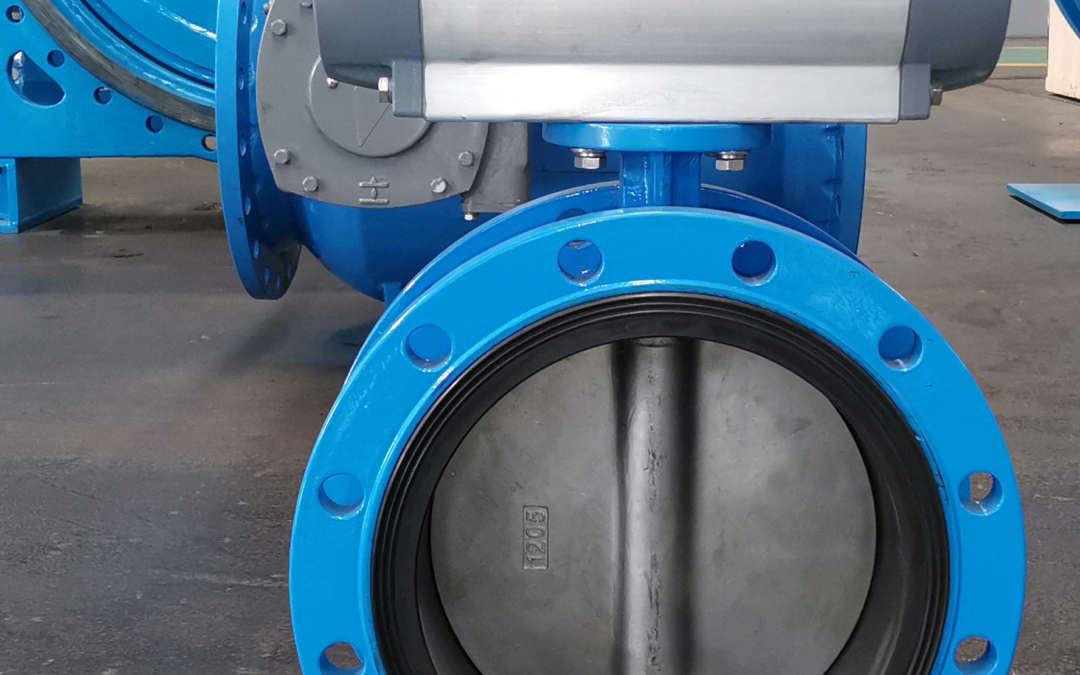
Electric pneumatic butterfly valves merge the precision of electric actuators with pneumatic efficiency. They’re fitted with an electric motor that moves the actuator, thereby adjusting the valve disc’s position. Precise control is enabled by the electric actuator, crucial for processes requiring consistent flow rate adjustments.
How Do Electric Pneumatic Butterfly Valves Offer UNccurate Control and the Convenience of Remote Operations?
Electric pneumatic butterfly valves present a formidable combination of precise control mechanisms and the convenience of remote operation capabilities. These two features are central to their appeal in automated industrial systems:
Accurate Control
- Precision Positioning: Electric actuators are known for their ability to accurately position the valve disk to control the flow rate through a pipeline. They can modulate the valve’s opening to very fine degrees, allowing for granular control over the process media’s movement. This precision is especially crucial in applications where the exact flow rate must be maintained to ensure process quality, such as in chemical dosing or temperature regulation in HVAC systems.
- Modulation Capability: Unlike manual or solely pneumatic solutions, electric actuators can precisely modulate the valve position based on feedback from sensors in the system. This feedback loop ensures the valve can adjust to changes in the process conditions in real-time, optimizing the flow and pressure conditions as required.
Convenience of Remote Operations
- Electric actuators integrate smoothly with digital control systems, like PLCs and DCS. This integration enables remote valve control, adjusting flow from afar. It allows for management without physical presence at the valve site.
- Electric pneumatic butterfly valves support real-time monitoring and data logging through control system interfaces. They enable continuous tracking of valve and process performance, sending alerts for anomalies and logging data for analysis. This aids in predictive maintenance, allows remote management, enhances efficiency, and reduces manual inspections.
Pneumatic Actuator Butterfly Valves: The Power of Air Pressure
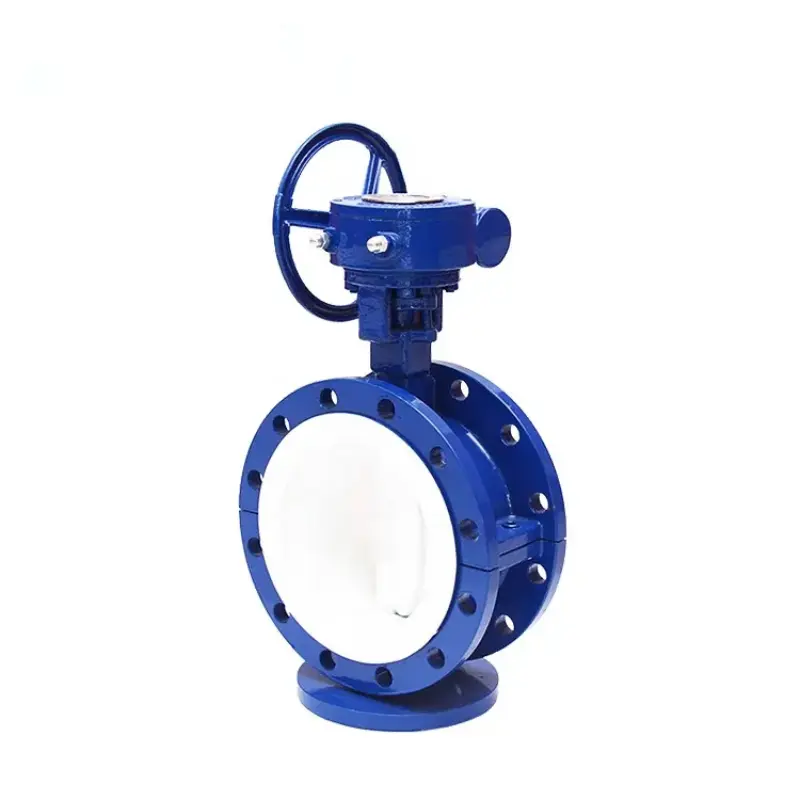
When speed and toughness in tough environments are essential, pneumatic actuator butterfly valves stand out. By using compressed air for movement, these valves guarantee strong performance, particularly in settings with high flow rates and corrosive substances.
Pneumatic actuators are favored in places with ignition risks, as they operate without electricity and are naturally explosion-proof. Furthermore, their straightforward design typically leads to reduced maintenance expenses and a prolonged lifespan. These valves are frequently used in chemical processing, the petrochemical industry, and bulk material handling.
What UNre the UNdvantages of Pneumatic UNctuators Over Other Jypes of UNctuators?
Pneumatic actuators boast several notable benefits over their electric counterparts:
Strong Environmental Adaptability:
- Explosion-proof Safety: Suited for flammable and explosive environments, they work with air, reducing spark risks and meeting strict explosion-proof standards.
- Resilience to Harsh Conditions: More reliable and durable than hydraulic, electronic, and electrical controls in dusty, magnetic, radioactive, and vibrating conditions, they’re less affected by external factors.
Fast Response and High Dynamic Performance:
- Quick Action: They respond swiftly to control signals, excelling in applications requiring frequent or emergency shutoff.
- High Acceleration: They often achieve higher acceleration than electric actuators, reaching desired speeds and pressures quickly.
Strong Overload Capacity:
- Maintenance-free: Designed for no maintenance, they don’t need oil changes or extra lubrication, with a life expectancy of up to one million cycles.
- Adjustable Torque: By adjusting air pressure, their working pressure and output torque can be easily increased, handling overload situations well, especially when valves face increased startup torque due to deposits or sintering.
Economic and System Simplification:
- Cost-effective: For on/off or manual valve operations, like in water and wastewater treatment, they offer economic benefits due to low cost, simple structure, and less assembly complexity.
- Reduced Monitoring and Control Needs: Compared to electric actuators, they only require basic end position sensing and air source treatment, eliminating the need for complex monitoring like over-temperature, torque, or frequency conversion, thus simplifying the overall system.
The triad of soft sealing, electric pneumatic, and pneumatic actuator butterfly valves introduces a suite of forward-thinking solutions tailored to meet the varied demands of modern industrial endeavours. By offering distinctive advantages in seal integrity, control sophistication, and operation speed, these valves empower professionals to refine process management, elevate operational efficacy, and guarantee safety in myriad applications. Please contact us if you are interested. We look forward to hearing from you.