Sep 21, 2023 | Noticias
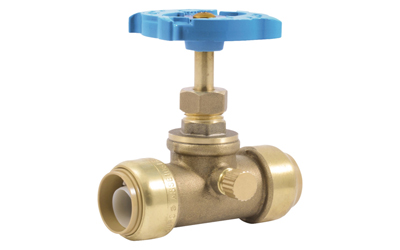
3/4 gate valves are the unsung heroes of fluid control systems. These compact yet powerful devices play a crucial role in regulating the flow of liquids and gases across various industries. En este articulo, we’ll explore the capabilities, aplicaciones, and benefits of 3/4 válvulas de compuerta, shedding light on their significance in modern engineering.
The Power of 3/4 Válvulas de compuerta
3/4 válvulas de compuerta are versatile instruments known for their precision and reliability. They are designed to provide precise control over fluid flow, making them indispensable in many industrial processes.
Understanding the Mechanism
At their core, gate valves operate by raising or lowering a gate-like wedge to control the flow of fluids. This mechanism allows for a complete and unrestricted flow when fully open and a tight seal when fully closed, minimizing leakage.
Applications in Different Industries
These valves find applications in various industries. En el sector del petróleo y el gas, these valves are used to control the flow of crude oil and natural gas. They are also crucial in water treatment plants, where they regulate the distribution of clean water. Moreover, in manufacturing, gate valves help manage the flow of raw materials and chemicals.

Advantages of 3/4 Válvulas de compuerta
One of the significant advantages of 3/4 gate valves is their ability to handle a wide range of pressures and temperatures. They are also durable and require minimal maintenance, making them cost-effective solutions for long-term use.
Case Studies
In a recent project at a chemical processing plant, the installation of these gate valves resulted in increased efficiency and reduced downtime. By precisely controlling the flow of chemicals, the plant minimized waste and improved product quality.
Variations and Customization
These valves come in various materials, including brass, acero inoxidable, and cast iron, allowing for customization to suit specific application requirements. This flexibility is vital in ensuring optimal performance in different environments.

Future Trends
As technology advances, these valves are also evolving. Smart gate valves equipped with sensors and automation capabilities are on the horizon, promising improved efficiency and real-time monitoring in industrial processes.
Conclusión
En conclusión, 3/4 gate valves are indispensable components in fluid control systems across multiple industries. Their precision, fiabilidad, and versatility make them essential for regulating the flow of liquids and gases. As technology continues to advance, we can expect even more innovative applications and features that will further enhance their performance.
Whether it’s in a chemical plant, a water treatment facility, or an oil rig, these valves play a crucial role in ensuring smooth and efficient operations. Embracing these powerful devices is a step towards improved productivity, reduced maintenance costs, and a more sustainable future in fluid control systems.

Sep 19, 2023 | Noticias
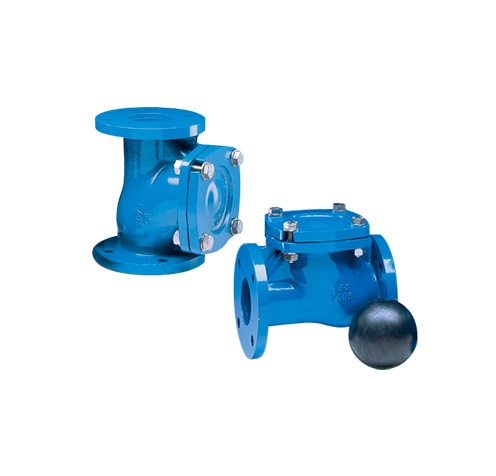
válvulas de retención, also known as one-way valves, are automatic valves that allow fluid flow in one direction but close to prevent reverse flow. They play an important role in protecting pipelines, equipment, and processes across industries. With various design types available, understanding key differences helps select the optimal check valve for each application. We will examine axial flow valves, China lift check valves, y dual disc check valves – three models commonly found in industrial settings.
Axial Flow Check Valves
Axial flow check valves direct fluid along the axis of the valve body to produce straight-through, non-turbulent flow. Los beneficios incluyen:
- Compact, ligero, and streamlined design
- Low pressure loss due to smooth, efficient flow path
- Can handle high flow velocities and high pressure
- Straight-through closure minimizes slam and water hammer effect
- Minimal cavitation and turbulence compared to swing checks
Axial checks are ideal for applications requiring minimal flow restriction.
China Lift Check Valves
Originating in China, lift checks contain a ball or disc attached to a hinge. Cuando está abierto, flow lifts the disc to allow passage through the valve. Benefits:
- Can be installed horizontally or vertically-effective for low pressure systems with vertical flow
- Handle water, sewage, aceite, and some chemicals
- Simple construction with only one moving part
- Low cost compared to other check types
Lift checks suit low pressure drainage and pumping applications.
Dual Disc Check Valves
Dual disc models have two hinged discs that seal against seats in opposite directions. Key features:
- Tight shutoff with two sealing surfaces
- Low leakage and slam potential
- Handles high pressure, high temperature, and abrasive fluids
- Suitable for large pipe diameters
- Discs can seal even on very low back pressure
- Provides redundancy if one disc fails
Dual disc checks are ideal for severe service conditions.
Evaluating Check Options
Consider fluid properties, presión, flow, line sizes, installation factors, and operating conditions when selecting the optimal check valve. Consult manufacturers to pick the right model for each application need.
Sep 16, 2023 | More information
TWT Valves is a prominent manufacturer and supplier based in China, renowned for its exceptional products. Over the years, we have successfully delivered comprehensive valve solutions for significant projects both domestically and internationally.
The main difference between gate valves made of cast steel and ductile iron lies in the materials used for their construction.
1. Cast Steel Gate Valves:
They are manufactured using cast steel, which is a type of carbon steel that undergoes a casting process.
Cast steel offers excellent strength, durabilidad, and resistance to high temperatures and pressures.
These gate valves are known for their robust construction, making them suitable for handling corrosive fluids, high-pressure systems.
Válvulas de compuerta de acero fundido are commonly used in industries such as oil and gas, petroquímico, generación de energía, y refinando.
2. Válvulas de compuerta de hierro dúctil:
They are made from ductile iron, also known as nodular cast iron or spheroidal graphite iron.
Ductile iron provides a combination of strength, ductility, and corrosion resistance. It is more flexible and has a higher impact resistance compared to traditional cast iron.
Sep 16, 2023 | More information
TWT Valves as respected butterfly valves manufacturers in China, we always provide quality butterfly valves in kinds of types. Ahora, we will tell you about válvula de mariposa pn16 offset types:
A type of valve that consists of a disc shaped element (like a butterfly) that rotates perpendicular to the direction of flow. It opens and closes by turning the disc. Commonly used to control flow in pipe systems.
Válvula de mariposa compensada: A butterfly valve where the disc/stem is not centered in the pipe line, but rather is offset to one side.
PN16: A pressure rating for butterfly valves specified in the EN 558 estándar. It means the valve is rated to withstand a pressure of 16 bar or 16 times atmospheric pressure.
If consider to purchase offset PN16 butterfly valves, please contact with us.
Sep 16, 2023 | More information
As a leading valve manufacturer based in Tianjin, Porcelana, TWT has been dedicated to delivering high-quality valves since 1956. With nearly 80 years of experience in the valves industry, we are proud of our long-standing expertise and commitment to excellence.
Our state-of-the-art production equipment ensures intelligent and efficient manufacturing processes, enabling us to consistently provide top-notch valves to our valued customers.
Flow Control Valves:
- Used to regulate and adjust the flow rate of liquids or gases in a system.
- Common types include ball valves, válvulas de mariposa, globe valves.
- Can be fully opened to fully closed to control flow. May have intermediate positions.
- Often used with a control mechanism like an actuated valve for automated flow adjustment.
Non-Return Valves (Válvulas de retención):
- Used to allow flow in one direction only and prevent backflow.
- Common types include swing check valves, lift check valves.
- Have a moving component like a flapper or clapper that opens to allow flow but shuts mechanically during backflow.
- Fully open in forward flow direction, fully closed in reverse direction. No intermediate positions.
- Generally not used for flow regulation, only to prevent backflow/backpressure.
Key Differences:
- Flow control valves regulate flow rate and can be partially closed. Non return valves only allow one-way flow.
- Flow control valves can shut off flow fully. Non-return valves do not fully shut off but use a flapper to close.
- Flow is adjusted with control/actuators in flow valves. Non-return valves do not use actuators, just mechanical closing.


